Coolers for an Early Archery Kill
There’s nothing quite like the thrill of an early archery hunt in Virginia. The woods are still vibrant green, the air is often crisp at dawn, and deer movement can be fantastic as they settle into their fall patterns. But let's be honest, that early season enthusiasm can quickly turn to anxiety the moment you connect with a deer, especially when those daytime temperatures climb. The worry about keeping that hard-earned venison from spoiling before you even get it home is a very real frustration, and it's a critical part of the hunt that many don't fully prepare for. This guide is dedicated to helping you tackle that challenge head-on, ensuring your early archery harvest stays perfectly cool and ready for the table, from the moment it hits the ground until it's safely processed.
The Urgent Challenge of Early Season Heat
For many of us, the opening of archery season in Virginia often feels more like a late summer hunt than the cool, crisp fall days we dream of. You'll wake up to a comfortable 55-degree morning, perfect for a long sit in a stand, only to find the sun beating down and the thermometer pushing 80 degrees by lunchtime. This dramatic swing, coupled with the inherent body heat of a harvested animal, creates a challenging environment where every minute counts in preserving your venison.
Understanding Virginia's Early Archery Climate
Virginia is a diverse state, and the weather can vary wildly even within a short drive. In the Piedmont, especially in counties around Richmond or Charlottesville, September and early October can still bring summer-like heat and humidity. Those warm, sticky days are notorious for making meat care a race against the clock. Head west into the Blue Ridge or Jefferson National Forest, and while the mornings might be cooler at higher elevations, the valleys can still trap heat, and the sun can quickly warm exposed areas. Even down on the Eastern Shore, the humidity and lack of strong cooling breezes can be a real factor. This isn't just about the air temperature; the humidity makes it harder for a carcass to cool naturally, creating a prime breeding ground for bacteria. You might feel a gentle breeze, but if it's laden with moisture, it's not doing much to draw heat away from your harvest. Planning your hunt, especially when anticipating warmer weather, might even involve using tools like GoHunt to check historical temperature data for your specific area, helping you anticipate the conditions.
The Biology of Meat Spoilage
The moment a deer hits the ground, the clock starts ticking. Inside that beautiful animal, a lot of biological processes are at play. Bacteria naturally present on the hide and in the gut begin to multiply rapidly, especially when temperatures are within their "danger zone" – typically between 40°F and 140°F. Unfortunately, a deer's internal body temperature is much higher than that, usually around 100-102°F, even after death. This internal heat, combined with external warmth, is a perfect incubator for spoilage. If you don't field dress immediately, that gut heat will cook the meat from the inside out, leading to souring and an unpleasant taste, if not outright spoilage. Ignoring these factors isn't just a shame for the meat; it's a disrespect to the animal and the effort you put into the hunt. It's why quick, efficient action is paramount.
Essential Cooler Features for Deer Hunters
When it comes to protecting your early season harvest, not all coolers are created equal. You're not just looking for something to hold a few sodas; you need a robust, highly efficient system designed to keep meat cold for extended periods, often under less-than-ideal conditions. The right cooler can be the difference between delicious venison and a heartbreaking loss.
Insulation: The Key to Keeping it Cold
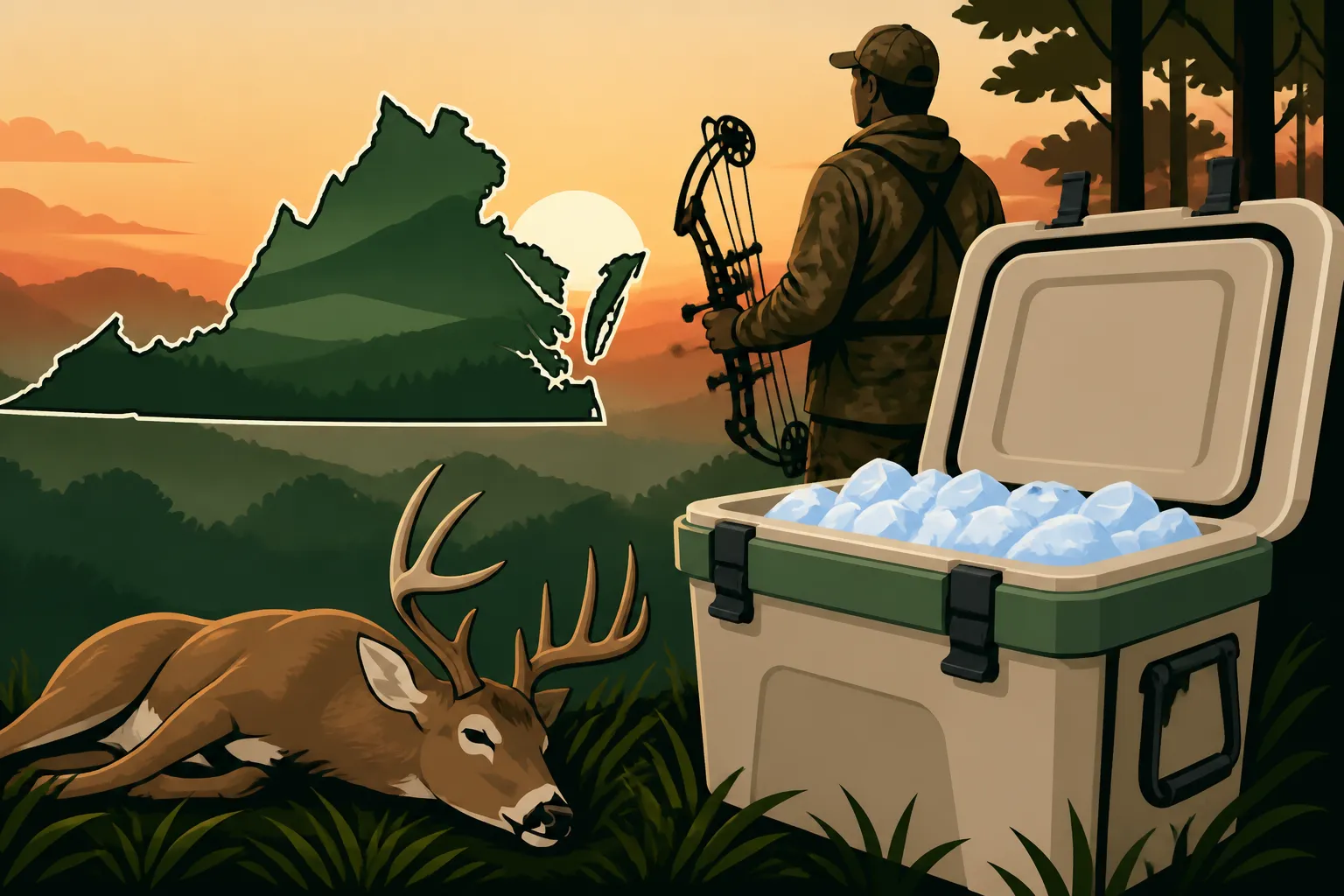
The backbone of any good cooler for deer hunting is its insulation. Forget thin-walled, flimsy picnic coolers. For early archery season, you want serious thermal performance. This is where rotomolded coolers truly shine. Rotomolding is a manufacturing process where the plastic is rotationally molded, creating a seamless, one-piece construction with thick, consistent walls filled with dense foam insulation. Think of it like a commercial freezer door – designed to lock in the cold. Brands that specialize in these types of coolers offer superior ice retention compared to traditional injection-molded coolers. They usually feature heavy-duty rubber gaskets around the lid, sealing tightly to prevent air exchange, and robust latches that compress the lid firmly. This isn't just about keeping ice solid longer; it's about creating a consistent, low-temperature environment critical for halting bacterial growth. The thicker the walls and the better the seal, the less heat penetrates, and the longer your meat stays pristine.
Sizing Your Cooler for a Virginia Whitetail
One of the most common questions is, "How big of a cooler do I really need?" The answer depends on a few factors: the size of the deer you expect to harvest and whether you plan to quarter or bone out the animal in the field. For a typical Virginia whitetail buck, which might weigh between 120-180 pounds live, you can expect to yield anywhere from 40 to 80 pounds of boneless meat. Boning out in the field is almost always the smarter move for early season hunts, as it allows the meat to cool faster and fit more efficiently into a cooler.
As a general guideline, a 65 to 75-quart cooler can often hold the boned-out meat of a mature buck. For a larger deer or if you're taking two smaller does, you might need two of these, or a single cooler in the 100-120 quart range. It's always better to have a bit too much space than not enough, as empty space in a cooler can be filled with more ice. You also have to consider the ice itself, which takes up significant volume. Many hunters will bring a primary meat cooler and a smaller "scouting" cooler for drinks and snacks, keeping the main cooler pristine and pre-chilled.
Here's a quick reference table to help you estimate:
| Deer Size (approx. live weight) | Estimated Boneless Meat Yield (lbs) | Recommended Cooler Size (Quarts) |
|---|---|---|
| Small Doe (80-100 lbs) | 30-40 | 45-65 |
| Medium Doe/Young Buck (100-140 lbs) | 40-60 | 65-75 |
| Mature Buck (140-180 lbs) | 60-80 | 75-100 |
| Large Buck (180+ lbs) | 80-100+ | 100-120+ (or two smaller) |
Durability and Portability for Field Use
Hunting, especially on public land in Virginia, often means navigating rough terrain, loading and unloading from trucks, and potentially dragging or sledding gear. Your cooler needs to be built to withstand that kind of abuse. Look for coolers with heavy-duty construction, recessed hardware, and sturdy, comfortable handles. Integrated tie-down points are a huge plus, allowing you to secure the cooler in your truck bed or on an ATV without worrying about it sliding around.
While a larger cooler offers more capacity, remember that a 100-quart cooler packed with meat and ice will be very heavy. Consider whether you'll be able to lift and move it alone or if you'll always have help. Sometimes, two smaller, more manageable coolers are a better option than one behemoth. Planning your extraction route beforehand, especially in areas like the George Washington National Forest, can make a huge difference. You can even use satellite imagery on platforms like GoHunt to scout potential access points or clearings that might shorten your drag or carry, making the transport of heavy coolers less of a chore.
Prepping and Packing Your Cooler for Success
Having the best cooler money can buy is only half the battle. How you prepare your cooler and, more importantly, how you handle and pack your venison, are equally critical for preserving quality during an early season hunt. This isn't just throwing some ice in with the meat; it's a methodical process that optimizes cooling and prevents spoilage.
The Art of Ice Management
Effective ice management starts before you even leave for the hunt. First, pre-chill your cooler. Fill it with sacrificial ice or even frozen water bottles for at least 12-24 hours before your trip. This brings the cooler's internal temperature down, so your fresh ice isn't wasted cooling down the cooler walls.
When it comes to the ice itself, block ice is king. It has less surface area than cubes, meaning it melts much slower. You can make your own by freezing water in milk jugs or clean plastic containers. For quick cooling after boning, a mix of block and cube ice can be effective – the cubes create more contact points for initial chilling, while the blocks maintain the cold. You'll want to layer your meat and ice, ensuring every piece of venison is in direct contact with ice. If you have multiple layers, create an "ice sandwich."
Some hunters even use a "slush bath" method: once the meat is in the cooler, fill it with ice and add just enough water to create a frigid slush. This rapidly draws heat from the meat. However, if you use this method, you must drain and replenish with fresh ice and no water frequently to avoid bacteria growth in stagnant meltwater. For longer transports or extremely hot conditions, some hunters consider using a small amount of dry ice at the bottom of the cooler, wrapped in newspaper, but this requires extreme caution as dry ice can freeze meat solid and cause severe burns if handled improperly.
Field Dressing and Boning for Cooler Packing
The absolute first step after making a harvest is immediate and thorough field dressing. Get the guts out quickly to allow the carcass to begin cooling. If conditions are particularly warm or your drag is long, consider skinning the animal in the field. Exposed meat cools faster than meat protected by hide.
For efficient cooler packing, boning out your deer in the field is highly recommended, especially for early season hunts. Quartering is good, but boning out completely removes all the bone, which holds heat and takes up valuable cooler space. It also reduces the overall weight you have to transport, making it easier to carry the meat out, perhaps using a dedicated Frame Packs for Boning Out a Deer or even a Deer Sleds for Mountain Country if the terrain allows. The goal is to get the meat into smaller, manageable pieces that can be fully submerged in ice.
As you bone out, strive for cleanliness. Keep the meat off the ground and away from dirt, leaves, or animal hair. Having some clean game bags on hand, like those discussed in Game Bags for Warm September Days, is essential. These breathable bags protect the meat from contaminants while still allowing it to cool. Once boned, place the meat directly into the bags, and then into your pre-chilled cooler with ice.
Transport and Post-Hunt Care
Once the boned-out meat is nestled in your ice-filled cooler, get it secured in your vehicle for the drive home. Position it in the coolest part of your vehicle, out of direct sunlight. If you have a long drive, periodically check the ice levels and drain any standing water. Melted water, while cold initially, eventually warms and provides an environment for bacteria. Always replenish with fresh ice as needed.
Ideally, you want to get your meat to a processor or into your home refrigeration system as soon as possible. With proper icing, meat can often stay in a good quality cooler for several days, but the sooner, the better. When you get home, transfer the meat to clean containers in your refrigerator if you're processing it yourself, or take it directly to a trusted processor. Remember, you'll still need to fulfill Virginia's Virginia Deer Reporting Requirements once your deer is harvested. The care you take after the shot ensures that the effort put into Bowhunting Virginia's Statewide Archery Season results in delicious meals.
Advanced Strategies and Considerations
Even with the right cooler and basic techniques down, there are always ways to refine your early season meat care strategy. Thinking proactively and having contingency plans can make all the difference, especially when you're hunting in remote areas of Virginia where help or supplies might be hours away.
Enhancing Cooling with Advanced Techniques
Beyond simply layering meat and ice, there are a few extra steps you can take. Consider bringing a small, battery-operated fan, particularly if you're hunting in an area with a kill house or a safe, shaded spot to hang the carcass temporarily. A fan can rapidly increase airflow around a field-dressed animal, helping to dissipate its body heat much faster than still air. You can also use a simple digital meat thermometer to monitor the internal temperature of the largest meat sections in your cooler. The goal is to get that internal temperature down below 40°F as quickly as possible and keep it there. While many hunters rely on instinct, a thermometer removes the guesswork. Some specialized game bags also offer unique properties, such as being treated with a specific blend that naturally inhibits bacterial growth, adding another layer of protection.
Contingency Planning for Remote Hunts
When you're deep in the Jefferson National Forest, a long way from the nearest road, a deer down in warm weather can present a serious logistical challenge. This is where planning ahead with tools like GoHunt, which can show you terrain features and road access, becomes invaluable. Always pack more ice than you think you'll need, especially if your hunt involves an overnight stay or a long pack out. If you anticipate a difficult recovery, having a Packs for a Jefferson Forest Day Hunt or a sturdy frame pack for hauling quarters is paramount.
If you find yourself in a situation where getting a full cooler to the kill site immediately isn't feasible, focus on immediate field dressing, skinning, and quartering. Get the meat into breathable game bags and hang it in the deepest, shadiest hollow you can find, ensuring maximum air circulation. This is a temporary measure, but it buys you crucial time. Always carry a headlamp for navigating the woods, as Blood Trailing After Dark in Virginia is often a reality, and you want to ensure you're field dressing and packing safely and efficiently, even after the sun goes down.
Regulations and Ethical Considerations
Always be mindful of Virginia DWR regulations regarding the transportation of harvested game. While you're allowed to transport boned-out meat, sometimes specific regulations, especially concerning Chronic Wasting Disease (CWD) management areas, might have additional rules about moving certain parts of the carcass. It’s always best to check the latest DWR guidelines before you head into the field.
Beyond regulations, proper meat care is an ethical obligation. As hunters, we owe it to the animal we harvest to utilize its meat to the fullest extent possible. Spoiling meat due to negligence is a disservice to the animal and the hunting tradition. If you find yourself with more meat than you can process or consume, consider donating it to local programs or food banks that accept wild game. Ensuring the meat is in prime condition for donation speaks volumes about your respect for the resource. Once you get home and get your meat settled, whether you're taking it to a processor or doing some Butchering a Deer at Camp, you can relax knowing you did everything possible to preserve your hard-earned venison.
Disclaimer
This article is for general informational purposes only and does not constitute professional advice. Laws, prices and regulations vary by location and change over time. Consult a qualified professional for guidance on your specific situation.