Running Beagles on Virginia Cottontails
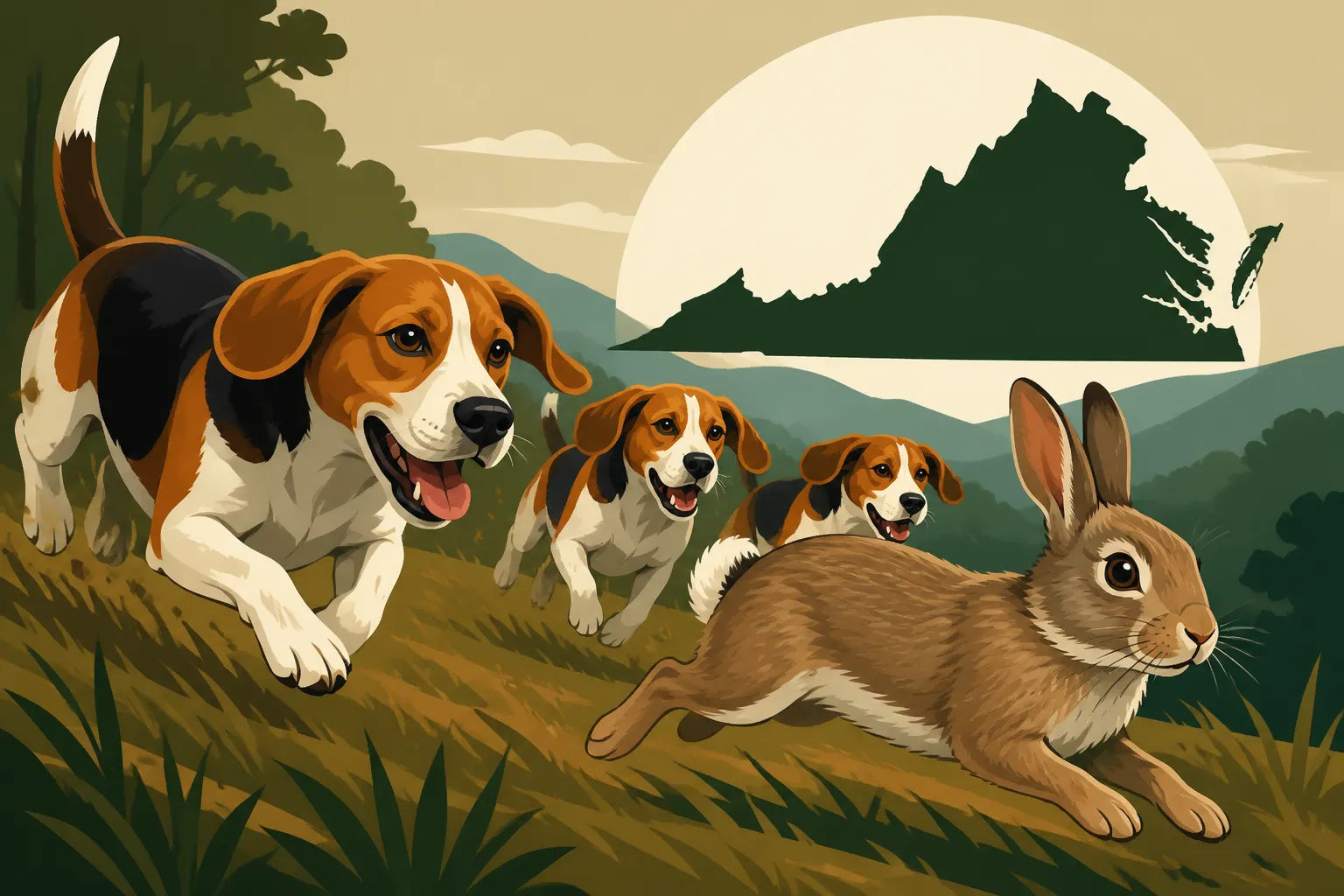
There’s a certain magic to a crisp Virginia morning, the air still, only to be broken by the excited yaps and bawls of a pack of beagles striking a fresh cottontail trail. If you've ever felt that pull, you know it's not just about the harvest; it's about the chase, the music of the hounds, and the camaraderie. Many of us have struggled to find consistent rabbit action or ensure our dogs are safe and effective. This comprehensive guide is dedicated to helping you master the art of running beagles on Virginia cottontails, ensuring memorable hunts and happy hounds.
The Enduring Appeal of Running Beagles in Virginia
For generations, the sound of beagles on a rabbit track has been a quintessential part of Virginia's hunting heritage. It’s a sport deeply rooted in tradition, passed down through families, and cherished for its simplicity and the sheer joy it brings. Unlike some other forms of hunting, beagling is intensely social, both for the human participants and, of course, for the dogs themselves.
A Rich Tradition Across the Commonwealth
Virginia’s diverse landscape, from the rolling Piedmont hills to the thickets of the Tidewater, has always been ideal for cottontail rabbits, making it a natural fit for beagling. Folks around here didn't just stumble upon it; it’s a way of life that celebrates the instinctive drive of a good hound and the clever evasiveness of a rabbit. Growing up, I remember weekends spent freezing in some fencerow, listening to the dogs, and learning the subtle nuances of the chase from my grandfather. It wasn't just about bagging a rabbit; it was about understanding the land, the animals, and the dogs.
This tradition has fostered a strong community. You'll find beagle clubs scattered across the state, hosting field trials and informal hunts. These gatherings aren't just for competition; they're vital for sharing knowledge, bloodlines, and a love for the sport. It's a reminder that hunting can be deeply communal, forging bonds over shared experiences and the thrill of the chase. The passion for Rabbit Hunting Virginia Fencerows runs deep in this state, often fueled by the eager spirit of a well-trained pack.
The Unforgettable Music of the Hounds
There's a reason they call it "beagle music." It’s a symphony of yips, barks, and bawls that tells a story unfolding right before your ears, even if you can't see the action. When a beagle strikes a fresh trail, that initial excited yelp transforms into a steady, determined bawl as they work the scent. You learn to discern the difference between a cold track, a hot track, and when they're actually laying eyes on the rabbit.
The real magic happens when the entire pack opens up, a chorus of voices rising and falling as they push the rabbit through the cover. It's an auditory experience that transcends words, connecting you to something primal and deeply satisfying. This "music" is the heart of the hunt, driving both the dogs and the hunters. Even on days when the rabbits are scarce, the sheer joy of hearing a pack work a line is enough to make the outing worthwhile. It's a testament to the fact that success isn't always measured in numbers, but in the quality of the experience.
Essential Gear and Dog Care for a Successful Hunt
Running beagles isn't just about turning the dogs loose; it requires careful preparation, the right gear, and an unwavering commitment to your dogs' well-being. From navigating the terrain to ensuring your hounds stay safe and healthy, attention to detail is paramount for a successful and enjoyable hunt.
Outfitting Yourself and Your Pack
First off, let's talk about what you need to bring to the field. Virginia's small game seasons can often overlap with other hunting, so safety is paramount. Always, and I mean always, wear enough blaze orange. The Virginia Department of Wildlife Resources (DWR) requires a minimum of 500 square inches above the waist during the general firearms deer season, and while rabbit hunting specifically doesn't always have the same strict requirements, it's just plain smart to exceed them. Think a bright orange hat and a vest, at a minimum, to make sure you're visible to other hunters and your own hunting partners. You can bone up on Virginia Blaze Orange Requirements for the specifics, but really, more is often better.
Beyond safety, consider the terrain. Virginia brush can be thick and grabby, so durable briar pants or chaps are a lifesaver. You’ll be walking through fencerows, briar patches, and often muddy creek bottoms, so a good pair of waterproof boots is non-negotiable. I prefer insulated rubber boots, especially for those colder late-season hunts. For your dogs, a durable collar with your contact information is crucial. Many hunters today also utilize GPS tracking collars, like those offered by companies such as Garmin or SportDOG, to keep tabs on their hounds, especially in dense cover or on public lands where a rabbit might lead them farther than you expect. These collars can be a real game-changer, preventing lost dogs and adding a layer of security.
Keeping Your Beagles Healthy and Safe Afield
Your dogs are your hunting partners, and their health and safety should be your top priority. Before the season even begins, ensure your beagles are in good physical condition. Regular exercise, a balanced diet, and up-to-date vaccinations are crucial. A fat, out-of-shape dog is more prone to injury and won't have the stamina for a long day of chasing rabbits. It's like asking a couch potato to run a marathon – it just won't end well.
During the hunt, hydration is key. Carry plenty of water for your dogs, especially on warmer days, and offer it frequently. Be mindful of potential hazards: busy roads, other hunters, barbed wire fences, and even aggressive wildlife like coyotes. Virginia Coyote Range and Density has increased in many areas, and while coyotes rarely target a full pack of beagles, a lone dog or a very small group could be vulnerable. Always scan the area for these dangers before releasing your dogs. After the hunt, check your dogs thoroughly for ticks, cuts, or burrs. A small first-aid kit for your dogs, containing items like antiseptic wipes, paw balm, and bandage wrap, can come in handy for minor issues.
| Essential Gear Item | Purpose | Importance (1-5, 5=Crucial) |
|---|---|---|
| Blaze Orange Clothing | Visibility, Hunter Safety | 5 |
| Briar Pants/Chaps | Protection from Thorns and Brush | 4 |
| Waterproof Boots | Foot Comfort and Dryness in Wet Conditions | 5 |
| GPS Tracking Collars | Locating Dogs, Preventing Loss | 4 |
| Durable Dog Collars | ID Tags, Leash Attachment | 5 |
| Dog First-Aid Kit | Addressing Minor Injuries, Tick Removal | 3 |
| Water & Bowl | Hydration for Dogs | 5 |
| Leashes | Dog Control Before/After Hunt, Road Crossings | 4 |
| Hunting Vest/Pack | Carrying Water, Snacks, Harvested Rabbits | 3 |
| Small Game Pouch | Conveniently Carrying Harvested Rabbits | 3 |
Finding and Hunting Virginia Cottontails
Understanding rabbit habitat and behavior is crucial for consistent success when running beagles. Cottontails are creatures of thick cover, and knowing where to look for them, and how they tend to run, will greatly increase your chances of a productive hunt.
Key Cottontail Habitat in Virginia
Cottontails thrive in what many hunters might call "edge habitat" or "transitional zones." They need dense cover to escape predators, open areas for feeding, and a good mix of both for their daily routines. In Virginia, this translates to several key habitat types:
- Fencerows and Hedgerows: These are prime locations. Old, overgrown fencerows often contain a mix of briars, multiflora rose, honeysuckle, and brush that provides excellent cover and food. Rabbits will use these linear features to travel and hide. When the beagles hit a fencerow hard, you know there’s likely a rabbit tucked in there, and they'll often follow its length before circling back.
- Brush Piles and Clearcuts: Fresh clearcuts, especially those a few years old with thick regrowth of saplings, briars, and weeds, are rabbit magnets. The same goes for strategically placed or naturally occurring brush piles. These spots offer immediate, dense refuge.
- Creek Bottoms and Swamps: Areas along creeks or low-lying swampy grounds often have very thick, almost impenetrable cover, which rabbits adore. The damp ground can also hold scent better, making it easier for your beagles to work a trail.
- Pine Plantations: While not always as productive as hardwoods, the edges of young pine plantations or areas with thick undergrowth within older pines can hold rabbits, especially where they border other habitat types.
- Old Fields and Abandoned Homesteads: Overgrown fields, especially those near heavier timber, are fantastic. The old barns, crumbling foundations, and dense weed growth provide ample cover.
When scouting for rabbit sign, look for droppings, clipped vegetation, and small tracks in soft mud or snow. Using mapping apps like GoHunt can really help here. You can identify potential hot spots on satellite imagery, marking areas with dense fencerows, brushy clearcuts, or creek bottoms. It's a great tool for Scouting Virginia Public Land Before Season and getting a feel for the lay of the land before you even step foot in it.
The Art of the Chase: Rabbit Behavior and Hunter Positioning
Once your beagles strike a track, understanding how a cottontail typically runs is vital. Virginia cottontails are notorious for their short, tight circles. They rarely run in a straight line for long, preferring to stay within or near their familiar home range and dense cover. This behavior is what makes beagling so exciting and unique; the rabbit is trying to lose the dogs by doubling back, cutting through thickets, and utilizing every bit of cover it knows.
As the hunter, your job is to anticipate these circles. You'll want to position yourself along probable run lines – typically where the rabbit started, or along the edges of the densest cover. Listen to your dogs! Their changes in tone and pace will tell you where the rabbit is heading. A steady, urgent chop means they're hot on the trail, while a more hesitant, searching bark might indicate the rabbit has momentarily lost them or made a tricky double-back. Often, the rabbit will try to return to its original bedding area or a nearby thicket, offering you a shot as it passes.
It’s a game of patience and quick reflexes. You might only get a fleeting glimpse of the rabbit as it zips through an opening. Always be aware of your hunting partners' positions, ensure you have a safe backdrop, and only take clear, ethical shots. Shotguns are the firearm of choice for rabbit hunting, typically in 12 or 20 gauge, loaded with small shot sizes like #6 or #7.5, which are perfect for quick-flushing rabbits in dense cover.
Legalities, Seasons, and Safety in Virginia
Hunting with beagles, like all hunting activities in Virginia, is governed by specific regulations. Understanding these rules and prioritizing safety ensures a lawful and enjoyable experience for everyone involved.
Virginia's Small Game Season Framework
First things first, you need to have your Virginia Resident Hunting License Options in order. The DWR website or a handy app like GoHunt are great resources for confirming license requirements and purchasing them. For rabbit hunting, you'll generally need a basic hunting license. There are no special permits required for running beagles on cottontails, but always double-check the current regulations before heading afield, as rules can change.
The cottontail rabbit season in Virginia typically opens in early November and runs through late February. This long season offers ample opportunity to get your beagles out. While seasons can vary by year, the bag limit is usually generous, allowing for a good harvest. However, it's not just about what you can do, but what you should do. Be mindful of areas where Squirrel and Small Game Hunting in Virginia may be popular, as shared space requires extra caution and courtesy among hunters. Remember, the goal is sustainable hunting, not overharvesting. Always check the official DWR hunting regulations pamphlet for the most current Virginia Small Game Season Rules dates and bag limits before each season.
Public vs. Private Land and Dog Control
When it comes to where you can run your beagles, Virginia offers both public and private land options. For public lands, Wildlife Management Areas (WMAs) and National Forests are your primary choices. However, some WMAs might have specific restrictions or special hunting hours, so it's always wise to check individual WMA regulations before you go. Remember that Virginia Public Land Hunting Hours generally run from one-half hour before sunrise until one-half hour after sunset, aligning with most small game seasons.
Hunting on private land is often where the best opportunities lie, but it absolutely requires permission from the landowner. Do You Need Written Permission in Virginia? The answer is yes, legally, for private land. Always secure written permission to avoid any trespassing issues. This not only protects you legally but also fosters good landowner relationships, which are invaluable for future hunting opportunities. Make sure your dogs are trained to come when called, especially if you're hunting near roads or property lines. Even the best-trained beagle can get carried away on a hot track, so reliable recall commands are paramount for their safety and for respecting property boundaries.
Safety First: Beyond Blaze Orange
Beyond wearing blaze orange, several other safety considerations are critical when running beagles.
- Firearm Safety: Always treat every firearm as if it's loaded. Keep the muzzle pointed in a safe direction, keep your finger off the trigger until ready to shoot, and be absolutely sure of your target and what's beyond it. When hunting with dogs, it's easy to get excited, but never compromise on these fundamental rules.
- Dog Retrieval: Dogs will cross roads. It's a fact of life when hunting with beagles. Have a plan for safe retrieval. This might mean having a designated person positioned to watch roads, or ensuring your GPS collars are reliable enough to quickly locate a dog that has crossed onto dangerous territory. Training your dogs to "whoa" or "come" at a distance, especially before approaching a road, is incredibly important.
- Weather Conditions: Be aware of weather changes. Hypothermia can be a risk for dogs in prolonged cold, wet conditions. Conversely, overheating can be an issue on warmer, early season days. Dress yourself and your dogs appropriately and know when to call it a day if conditions become unsafe.
- First Aid: Carry a personal first aid kit in addition to one for your dogs. Slips, trips, and falls are common in thick cover, and a basic kit can handle most minor injuries. Knowing how to Blood Trailing After Dark in Virginia is often a deer hunter's concern, but knowing how to navigate out of the woods safely after dark applies to any hunt, especially if a dog chase leads you further than planned.
Running beagles on Virginia cottontails is a classic pursuit that combines skill, tradition, and the thrill of the chase. By understanding the habitat, preparing diligently, and prioritizing safety, you're not just hunting; you're participating in a rich heritage that connects you to the land, your dogs, and fellow hunters.
Disclaimer
Please note that hunting regulations, seasons, and licensing requirements in Virginia are subject to change. Always consult the most current Virginia Department of Wildlife Resources (DWR) regulations guide before engaging in any hunting activities. This article provides general information and should not be considered a substitute for official DWR publications.