Virginia Urban Archery Season Rules
Hunting in Virginia can feel like a maze, especially when you start looking into specific seasons that differ from the general statewide rules. Many folks get really frustrated trying to figure out the nuances of special opportunities, like the urban archery season, that don't always follow the standard calendar or apply to every corner of the state. It's easy to feel overwhelmed by the maps, the dates, and the specific regulations that seem to change depending on which county line you're standing on. This comprehensive guide is here to untangle all those complexities, giving you a clear, empathetic breakdown of everything you need to know to confidently participate in Virginia's urban archery season.
Understanding the "Why" Behind Urban Archery
Before we dive into the nitty-gritty of dates and licenses, it's helpful to understand why Virginia even has an urban archery season. It’s not just a random opportunity; it’s a critical tool in wildlife management and something that directly impacts our communities. Knowing the intent behind these rules can help us all be more effective and responsible hunters.
The Deer Management Imperative
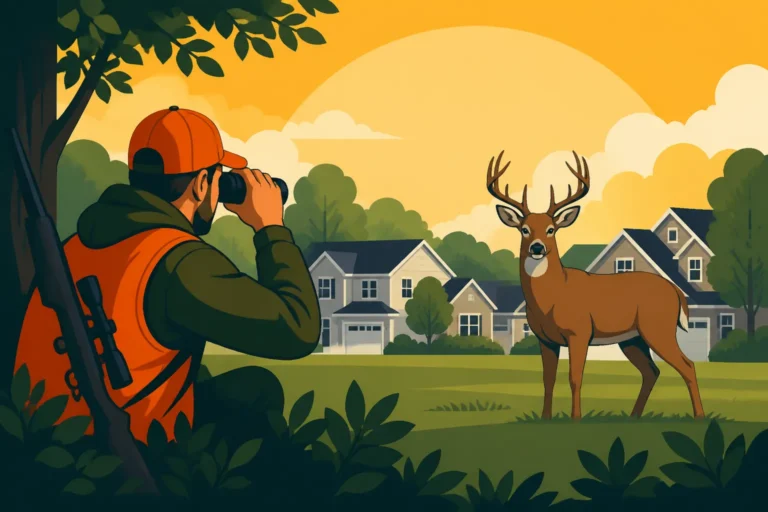
Let's be real: deer populations in many suburban and urban areas of Virginia have exploded. What was once rural farmland is now sprawling neighborhoods, industrial parks, and meticulously maintained green spaces. The deer, however, didn't get the memo to relocate. They've adapted, thriving on manicured lawns, garden plants, and the absence of natural predators. This overabundance leads to a whole host of problems that impact residents daily. Think about the incessant deer-vehicle collisions that spike during certain times of the year, costing lives, injuries, and thousands in property damage. Then there’s the extensive damage to residential landscaping, community parks, and agricultural fields that border these developments. Farmers struggle with crop destruction, and homeowners watch their prized azaleas disappear overnight. The Virginia Department of Wildlife Resources (DWR) recognized that traditional hunting seasons, which often involve firearms and larger tracts of land, weren't sufficient or safe for these densely populated areas. Urban archery became a strategic, targeted solution to mitigate these issues by allowing hunters to address localized deer overpopulation in a controlled manner. It's all about balancing the health of the herd with the well-being of human communities.
Balancing Opportunity and Public Safety
The DWR also had to find a way to offer hunting opportunities that were both effective for deer management and inherently safe for urban environments. This is where archery truly shines. Unlike firearms, which have a much greater range and can pose risks in populated areas, archery equipment has a limited range, making it a much safer option for reducing deer numbers in close proximity to homes, businesses, and public spaces. The season is specifically structured to minimize disturbance and maximize safety. For example, many urban archery zones have strict rules about how far you must be from an occupied dwelling, typically 150 feet, which aligns with common sense safety practices for bowhunters. This balance ensures that hunters can contribute to deer management while residents feel secure in their neighborhoods. It's a testament to the DWR's forward-thinking approach to urban wildlife challenges, recognizing that hunters are not just participants, but vital partners in maintaining ecological balance, even in unexpected places. This innovative approach offers a unique chance for hunters to get out when other seasons are closed, contributing positively to local ecosystems.
Defining Virginia's Urban Archery Zones
One of the biggest hurdles for any hunter interested in this special season is figuring out where it actually applies. Virginia is a big state, and "urban" isn't a universally defined term. Understanding the specific geographic boundaries is crucial before you even think about stringing your bow.
Where These Zones Are Located
Virginia's urban archery zones aren't just arbitrary lines on a map; they are specifically designated areas, typically within or adjacent to cities and larger towns, where deer populations are high and traditional hunting methods are impractical. You'll find these zones primarily in the more populated corridors of the state, stretching from Northern Virginia down through the Richmond metropolitan area, and even into parts of the Tidewater and Roanoke regions. It's often the counties and independent cities with significant suburban sprawl that opt into or have these zones established by the DWR. These aren't wild, sprawling forests; they're often fragmented woodlots, creek bottoms, and greenbelts that exist within developed landscapes. For instance, cities like Fairfax, Chesapeake, Lynchburg, and many of their surrounding counties have robust urban archery programs. These areas represent prime examples of places where deer have become accustomed to human presence, often losing their natural wariness, making them more susceptible to collisions and property damage. Hunters in these zones play a crucial role in alleviating these pressures.
Identifying Your Specific Zone Boundaries
This is where it can get a little tricky, and where a good mapping tool or a call to the DWR can save you a lot of headache. Urban archery zone boundaries are determined by local county and city ordinances in conjunction with DWR regulations. This means that a county might have an urban archery season, but only for certain areas within that county, not the entire jurisdiction. It's not uncommon for a zone to follow specific geographical features like major highways, rivers, or even municipal boundaries. You absolutely cannot assume that because a neighboring city has an urban archery season, your immediate area does too. The best way to identify these precise boundaries is to check the DWR's annual hunting regulations digest, which usually has a detailed list of participating cities and counties, along with any specific boundary descriptions. Additionally, resources like the DWR's website or mapping applications that incorporate DWR data, such as GoHunt, can be invaluable. These tools often allow you to overlay season boundaries onto satellite imagery, helping you pinpoint exactly where you are allowed to hunt. Never just guess; always verify the exact boundaries before stepping into the woods, because ignorance of the law is never an excuse, especially when it comes to hunting regulations.
Key Regulations for Urban Archery Season
Once you've nailed down where you can hunt, the next step is understanding how you can hunt. The urban archery season has its own unique set of rules regarding timing, equipment, and how many deer you can take. These rules are designed to ensure safety and effectiveness in densely populated areas.
Season Dates and Duration
The urban archery season offers an extended hunting opportunity that brackets the statewide archery season. Generally, it kicks off much earlier than the statewide season, often starting in early September, and then continues after the general firearms season has closed, extending into late March or even early April in some participating localities. This extended window is a critical component of the DWR's management strategy, allowing hunters to target deer when they are less pressured and also when other seasons are closed, maximizing the impact on local deer populations. The specific start and end dates can vary slightly year to year and sometimes even by locality, so it's imperative to consult the current DWR regulations digest for the exact dates. For example, some counties might open their urban archery season in early September and run it until the statewide general firearms season begins, then reopen it after firearms season closes, extending through March. This offers a fantastic opportunity for serious bowhunters to get out there and manage deer, potentially even before other hunters hit the woods. Don't miss out on these extra weeks; they can be some of the most productive. Understanding Virginia Urban Archery Opening Day is key to planning your early season hunts.
Let's look at a hypothetical breakdown of how urban archery season dates might typically overlap or extend beyond other seasons in Virginia:
| Season Type | Typical Start Date | Typical End Date | Key Feature |
|---|---|---|---|
| Urban Archery (Early) | Early September | Mid-November | Pre-dates general statewide archery in some areas |
| Statewide Archery | Early October | Mid-November | Core archery season, overlaps urban |
| Muzzleloader Season | Mid-November | Early December | Overlaps with latter part of early urban archery |
| General Firearms Season | Mid-November | Early January | Main gun season, urban archery often closes |
| Urban Archery (Late) | Early January | Late March / Early April | Reopens after general firearms, extends season |
Note: These dates are hypothetical and intended for illustrative purposes. Always check the current Virginia DWR regulations for precise dates.
Weaponry and Equipment Restrictions
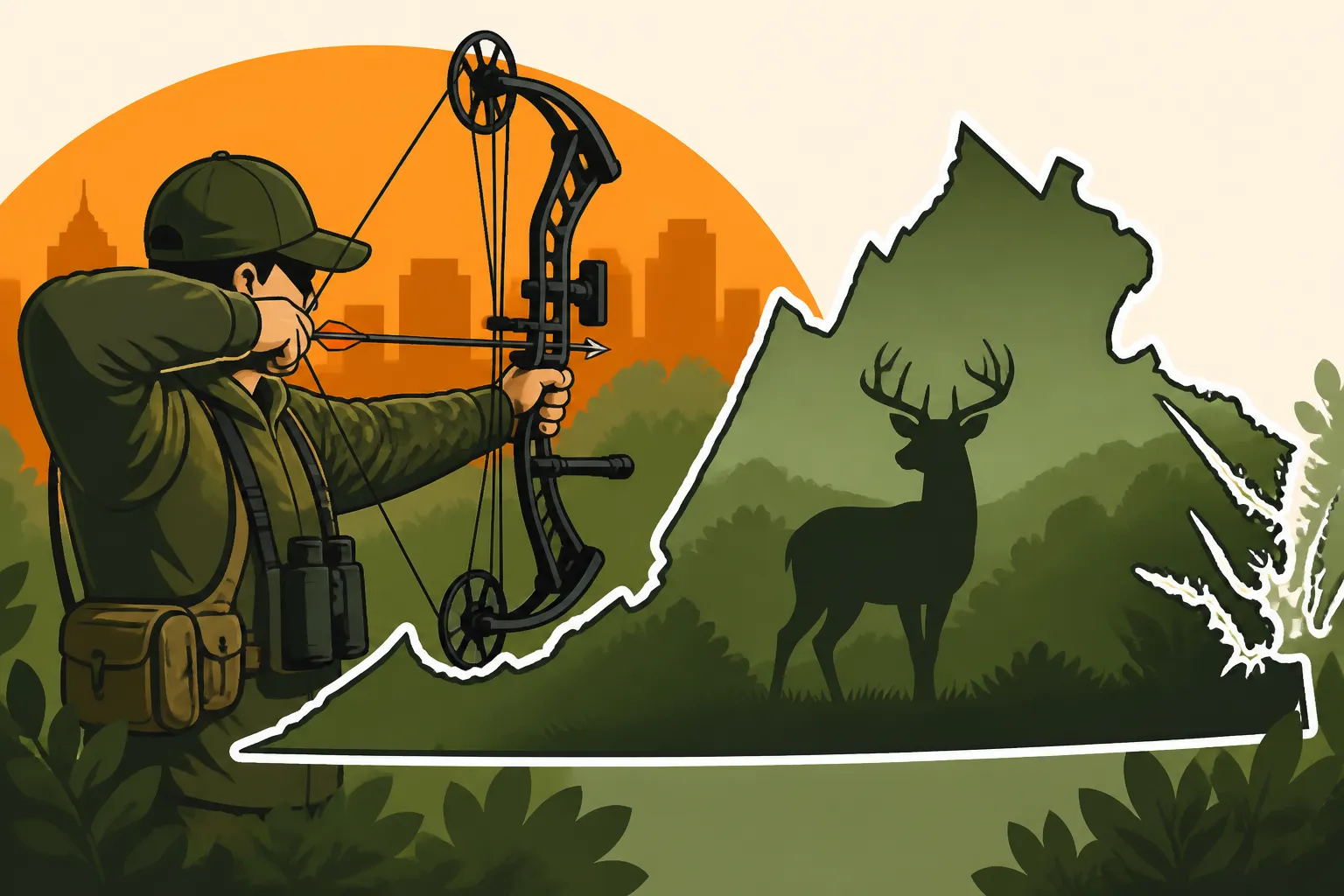
When hunting in an urban archery zone, your choice of weapon is, as the name suggests, strictly archery equipment. This means you'll be limited to vertical bows (recurve, longbow, compound) and crossbows. While crossbows are generally allowed during the statewide archery season, it's always good to double-check specific local ordinances within urban zones, as very rarely there might be additional stipulations. For the most part, though, if it's legal for archery season, it's legal for urban archery. The crucial factor here is the legal draw weight and arrow/bolt specifications. For vertical bows, there's usually a minimum draw weight, and for all archery equipment, broadheads must meet certain minimum cutting diameters. You cannot use firearms, muzzleloaders, or air guns during the urban archery season. The intent is to maintain a low-impact, quiet, and highly controlled hunting environment. Beyond the weapon itself, consider your overall setup. Given the often-tighter quarters and potential for close encounters, a quiet draw, effective scent control, and a reliable rangefinder become even more critical. You'll want to ensure your Bow and Crossbow Setups for Virginia are tuned for accuracy and efficiency, especially for shorter shots.
Bag Limits and Antlerless Opportunities
This is where the urban archery season really shines as a management tool. In most urban archery zones, the DWR allows for very generous antlerless deer bag limits, often unlimited antlerless deer for the duration of the season, provided you have the appropriate licenses and tags. This focus on antlerless deer (does) is precisely how the DWR aims to control and reduce overall deer populations, as removing does directly impacts reproduction rates. While you can typically harvest antlered bucks, the primary objective in these zones is doe harvest. It's not uncommon for localities to encourage hunters to take multiple does before harvesting a buck. This robust antlerless opportunity is fantastic for filling your freezer and making a significant impact on local deer numbers. Always consult the DWR regulations for the specific county or city you are hunting in, as antlered buck limits (e.g., two per license year) still apply, but the antlerless numbers are where you can really make a difference. Remember, every deer harvested needs to be properly reported to the DWR, which we'll discuss later.
Navigating Permission and Access in Urban Areas
Hunting in urban environments isn't like heading out to a vast national forest. It requires a different approach to scouting and, critically, to securing permission. This is often the biggest hurdle for new urban archery hunters, but it's entirely surmountable with the right strategy and a respectful demeanor.
Securing Private Land Permission
Unlike hunting on public lands like the George Washington National Forest, urban archery almost exclusively takes place on private property. This means that gaining access is paramount, and it requires direct communication with landowners. Don't expect "posted" signs or well-worn deer trails to magically grant you access. The process involves identifying suitable parcels of land (often fragmented woodlots, overgrown creek beds, or larger undeveloped tracts within city limits), finding out who owns them, and then politely asking for permission. This can be intimidating, but a friendly, respectful approach goes a long way. When knocking on doors or sending letters, introduce yourself, explain your intent (to help manage deer and provide venison), highlight the safety of archery hunting, and offer to share some of the harvested venison. Many landowners are struggling with deer damage and will be receptive to a responsible, insured hunter. Websites like GoHunt and county GIS maps can be incredibly useful for identifying property owners. Remember, securing Getting Landowner Access in an Urban Archery Zone is not just about hunting; it's about building trust and a good reputation for all hunters.
When you approach landowners, be prepared with:
- Proof of Insurance: Many hunters carry liability insurance through organizations like the National Deer Association (NDA) or local hunting clubs. This provides peace of mind for both you and the landowner.
- Clear Intent: Explain that you're an experienced bowhunter interested in helping manage the local deer population, especially does, to reduce property damage.
- Safety Assurance: Emphasize the limited range and inherent safety of archery equipment compared to firearms. Detail your stand placement plans to keep arrows contained.
- Offer of Share: Offering to share venison or assist with other tasks around their property can sweeten the deal.
- Respectful Demeanor: Always be polite, well-groomed, and flexible with their terms. Their property, their rules.
Respecting Safety Zones and Property Lines
Even with permission, hunting in urban areas demands an extra layer of caution and respect for your surroundings. Every state has rules about "safety zones," which are distances you must maintain from occupied dwellings, roads, or other structures. In Virginia, while the statewide rule for discharge of a firearm is often 100 yards, for archery, it's typically a much closer 150 feet from an occupied dwelling or a road. However, local ordinances can sometimes have stricter requirements, so always confirm with the DWR or local authorities. When placing your treestand or ground blind, you need to be acutely aware of property lines, neighboring homes, and public spaces. A stray arrow is not an option. Use mapping tools like GoHunt to clearly mark property boundaries and establish a safe zone for your shot. Your arrow must always land within the property you have permission to hunt, even after passing through an animal. This means considering your shot angle, potential backdrop, and the distance to the next property line. Ethical urban archery demands meticulous planning and unwavering adherence to these safety rules to maintain good relationships with landowners and the non-hunting public.
Best Practices for a Successful and Ethical Urban Hunt
Urban archery isn't just about bending the rules to hunt more; it's about being a highly ethical, conscientious, and effective hunter in a sensitive environment. Success in these zones comes down to smart strategy and a deep respect for both the wildlife and the community you're hunting in.
Scouting and Stand Placement Considerations
Scouting in an urban environment looks a little different than in big timber. Instead of vast wilderness, you’re often looking for small, overlooked pockets of cover, creek bottoms, power line cuts, or neglected woodlots that provide sanctuary for deer. Deer in these areas become incredibly patterned, moving from bedding areas in thickets to food sources in gardens or fields, often under the cover of darkness. Your scouting needs to focus on identifying these travel corridors and pinch points within the urban landscape. Look for natural funnels where deer are forced into a narrow path between homes, fences, or roads. Pay close attention to fresh tracks, droppings, and browse lines. Trail cameras can be incredibly effective here, revealing exactly when and where deer are moving.
When it comes to stand placement, concealment is king. You're often hunting closer to human activity than you might be used to. A well-placed treestand or ground blind that offers a clear shot while remaining hidden from view is essential. Consider your entry and exit routes carefully, ensuring you can get to and from your stand without disturbing deer or drawing undue attention from neighbors. Think about wind direction, as deer in urban settings can be incredibly sensitive to human scent, and practice Scent Control Gear for Urban Archery Hunts religiously. Your goal is to be invisible and undetectable from the moment you arrive until you leave.
Field Dressing and Game Recovery Logistics
This is a really important aspect of urban archery that often gets overlooked. After you make a successful shot, recovering your deer swiftly and discreetly is paramount. You won't have the luxury of dragging a deer a mile through a remote forest. In an urban environment, a visible blood trail leading through someone's yard or a public space can cause alarm and create negative perceptions of hunting. Therefore, shot placement must be impeccable, aiming for quick, ethical kills that minimize tracking distance.
If you do need to track, move cautiously and respectfully. If the deer crosses onto property where you don't have permission, you absolutely must get permission before pursuing. It’s illegal to trespass, even to retrieve game. This is where those strong relationships with multiple landowners in an area can really pay off. Once recovered, field dressing needs to be handled discreetly. Some hunters opt to quarter the animal in the field immediately, placing the meat in game bags and leaving the gut pile in a hidden spot, far from view. Others might use a deer cart or sled to quickly transport the whole animal back to their vehicle, covering it with a tarp. The goal is to be as unobtrusive as possible, maintaining a clean image for hunters. You want to avoid any situation that could lead to complaints or public spectacle.
Minimizing Impact and Maintaining Public Perception
Ultimately, urban archery thrives on public acceptance. Every hunter who participates is an ambassador for the sport. This means going above and beyond to minimize your impact and maintain a positive public perception. This isn't just about following the letter of the law; it's about adhering to the spirit of ethical hunting in a sensitive setting.
- Be courteous: Wave to neighbors, answer questions politely, and always respect private property.
- Be discreet: Avoid leaving trash, parking conspicuously, or walking around in full camouflage with a bow visible to passersby if it can be avoided. A quiet, low-key approach is best.
- Educate (if appropriate): If someone asks about what you're doing, politely explain that you're helping control the local deer population, which reduces car accidents and property damage, and that you're doing so safely and ethically.
- Follow up: Thank landowners for their permission, perhaps with a card or a share of venison. This builds goodwill and ensures future opportunities for yourself and others.
Remember, the success and continued existence of urban archery seasons depend on hunters proving they can be responsible and respectful members of the community. Every interaction shapes how the public views our sport. For a more general overview of hunting in these unique areas, check out Hunting a Virginia Urban Archery Zone.
Essential Licensing and Reporting Requirements
No matter where or what you're hunting in Virginia, proper licensing and meticulous reporting are non-negotiable. Urban archery is no exception; in fact, due to its specialized nature, some requirements might feel a little different or demand extra attention.
Required Licenses and Stamps
To participate in Virginia's urban archery season, you'll need the foundational licenses that apply to all big game hunters in the Commonwealth, plus any specific add-ons. First and foremost, you'll need a valid Virginia hunting license. For residents, this typically means a Resident Annual Hunting License. Non-residents will need a Nonresident Hunting License. Beyond that, a Virginia Big Game License is absolutely essential, as this is what allows you to hunt deer and other big game. This license provides the tags necessary for deer harvest. While some general licenses might include certain big game privileges, it's always safest to ensure you have the specific Big Game License.
Additionally, since you'll be using archery equipment, you'll need a Virginia Archery License. This is usually an add-on to your general hunting license. For those opting for crossbows, rest assured that in Virginia, a separate "crossbow permit" isn't generally required; the Archery License covers both vertical bows and crossbows.
Finally, while not always required for deer specifically, if you plan to hunt any migratory game birds (like doves, which often inhabit urban fringes), you would also need a Virginia Migratory Bird Hunting License and a Federal Duck Stamp, along with HIP certification. For urban archery, though, focus on your general hunting, big game, and archery licenses. You can typically purchase all these necessary permits conveniently through the DWR's Go Outdoors Virginia website or authorized license agents. It's a good idea to secure your Virginia Hunting Licenses and What They Cost and understand Virginia Big Game License Requirements well before the season begins.
Mandatory Harvest Reporting
Virginia takes harvest reporting seriously, and for good reason. It's how the DWR collects critical data on deer populations, herd health, and the effectiveness of various management strategies, including urban archery. Every single deer harvested during the urban archery season (or any season, for that matter) must be reported to the DWR. This isn't optional; it's a legal requirement and a fundamental responsibility of every hunter.
The reporting process is designed to be straightforward. You can report your harvest in several ways:
- Online: The quickest and most common method is through the DWR's Go Outdoors Virginia website. You'll log in to your account and follow the prompts to report your deer, including details like county of harvest, date, sex, and antler points (if applicable).
- Go Outdoors VA Mobile App: The DWR offers a convenient mobile app that allows you to report your harvest right from the field, even if you have limited cell service (it will often save the report and submit it once you have signal).
- By Phone: You can also call a dedicated DWR harvest reporting line.
The reporting deadline is typically within 24 hours of harvest. Failing to report a deer is a violation and can result in penalties. Always carry your hunting license and a pen or pencil with you so you can accurately record the harvest confirmation number generated after reporting. This number serves as your proof of compliance. This data is invaluable to the DWR for managing the state's deer herd, and it directly influences future season structures and bag limits. Understanding Virginia Deer Reporting Requirements is crucial for all hunters in the Commonwealth.
Disclaimer
Please be aware that hunting regulations, season dates, and specific rules are subject to change by the Virginia Department of Wildlife Resources (DWR). While this guide strives to provide accurate and up-to-date information, it is not a substitute for the official DWR hunting regulations digest. Always consult the current year's Virginia DWR regulations or visit their official website before planning any hunting trip to ensure full compliance with all laws and ordinances. Local county or city rules, especially within urban archery zones, can also vary, so verify these specific requirements.