Getting Landowner Access in an Urban Archery Zone
Finding a good hunting spot can be one of the biggest challenges for any hunter, but when you're looking to hunt within Virginia's urban archery zones, that challenge compounds exponentially. It's not just about finding deer; it's about navigating property lines, homeowner concerns, and the unique dynamics of hunting in a more populated area. This guide is here to walk you through the practical steps and empathetic considerations for securing private landowner access in these specific, often highly productive, hunting areas.
Understanding Virginia's Urban Archery Zones and Their Appeal
Urban archery zones in Virginia offer a fantastic, often overlooked, opportunity for hunters, but they come with their own set of rules and social dynamics. It's a different world from the sprawling national forests, and understanding this distinction is crucial to your success in gaining access.
The Unique Opportunity of Urban Archery
Imagine being able to hunt deer practically in your backyard, or at least very close to home, often outside the traditional statewide seasons. That's the core appeal of urban archery zones. These zones are specifically designated by the Virginia Department of Wildlife Resources (DWR) in partnership with various localities to help manage burgeoning deer populations that can cause significant damage to landscaping, increase deer-vehicle collisions, and pose public health concerns. For us hunters, it translates into an extended season, often starting earlier and running later than the statewide archery season. This extended window provides more opportunities to be in the woods, often during times when deer patterns are more predictable, before heavy hunting pressure sets in elsewhere. The deer in these areas can also become quite comfortable with human presence, which might make them seem easier to pattern, though certainly not easier to hunt, as they're masters of navigating suburban cover. The ability to hunt in these areas extends your season significantly, with details often found in resources like When Virginia's Urban Archery Season Opens.
The Challenge: Limited Public Land and Neighbor Concerns
Here's where the rubber meets the road: while urban archery zones offer unique opportunities, they present significant access hurdles. Unlike the vast acreages of the George Washington or Jefferson National Forests, public land for hunting within urban zones is scarce to non-existent. You're almost entirely reliant on gaining permission from private landowners. This isn't just about finding a big enough patch of woods; it's about navigating a landscape where houses, yards, and neighbors are often within sight or earshot. Landowners often have legitimate concerns that need to be addressed thoughtfully. They might worry about safety (a misplaced arrow, someone trespassing on their property), liability (what if someone gets hurt?), or simply the perception of hunting in their neighborhood. There's also the understandable concern about privacy and having hunters on their land. These aren't trivial worries, and they require a hunter to approach the situation with respect, understanding, and a willingness to provide reassurance. Overcoming these challenges is less about aggressive pursuit and more about building relationships and trust.
Strategies for Identifying Potential Properties
Finding the right property in an urban archery zone isn't about luck; it's about strategic scouting and using the right tools to identify potential hotspots. You're looking for pockets of cover, travel corridors, and landowners who might be open to the idea of deer management.
Leveraging Mapping Tools and Local Knowledge
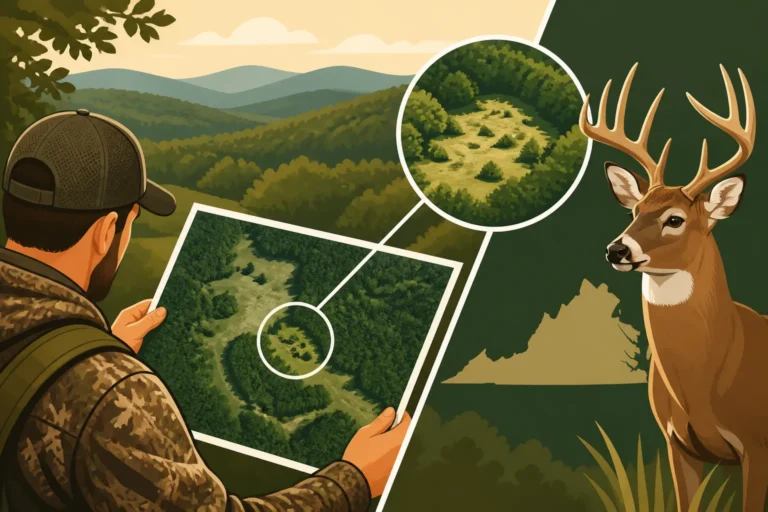
In the modern hunting world, mapping tools are your best friend, especially when you're trying to dissect a suburban landscape. Platforms like GoHunt, along with other online mapping resources, are invaluable for overlaying property lines onto aerial imagery. You can identify larger parcels of land – perhaps undeveloped lots, properties bordering greenways, or even expansive backyards – that might hold deer. Look for natural funnels, creek bottoms, unkempt hedgerows, or thickets that provide bedding cover and travel routes for deer. Deer in urban areas often move between these smaller patches of cover to reach food sources like gardens, ornamental plants, or even natural browse. The DWR app, for instance, can provide additional geographical context, especially when it comes to overlaying public land boundaries, though as mentioned, public access is rare in urban zones. Utilizing Scouting With the Virginia DWR App can help you understand the lay of the land, even if it's not directly for access. Don't underestimate the power of "boots on the ground" scouting either – driving or walking through neighborhoods (respectfully, of course) can reveal overlooked pockets of habitat or visible deer sign that maps alone might miss. Local knowledge, such as neighborhood forums or community pages, might also occasionally hint at deer issues.
Focusing on Underutilized or Problem Areas
The most receptive landowners will often be those who are experiencing deer-related problems. This is your "in." Look for properties with visible deer damage: eaten hostas, nibbled fruit trees, trampled gardens, or even areas where deer have become a nuisance to pets or children. A landowner who is constantly battling deer in their rose bushes is far more likely to consider allowing a hunter access than someone who simply enjoys seeing deer stroll through their yard. Another indicator can be proximity to areas with high deer-vehicle collisions. While you won't be hunting directly on the road, areas where deer frequently cross roads to move between different cover or food sources are often indicative of a healthy and active deer population nearby. Your pitch to these landowners isn't just about hunting; it's about offering a solution to their problem. You're not just a hunter looking for a place to shoot a deer; you're a wildlife manager offering a service to help protect their property and potentially increase neighborhood safety. This framing is crucial.
Crafting Your Approach: Making the Ask
Once you've identified a potential property, the next critical step is to approach the landowner. This is where many hunters falter, often due to lack of preparation or an incomplete understanding of the landowner's perspective. Your goal is to be professional, polite, and persuasive.
The Art of the Initial Contact
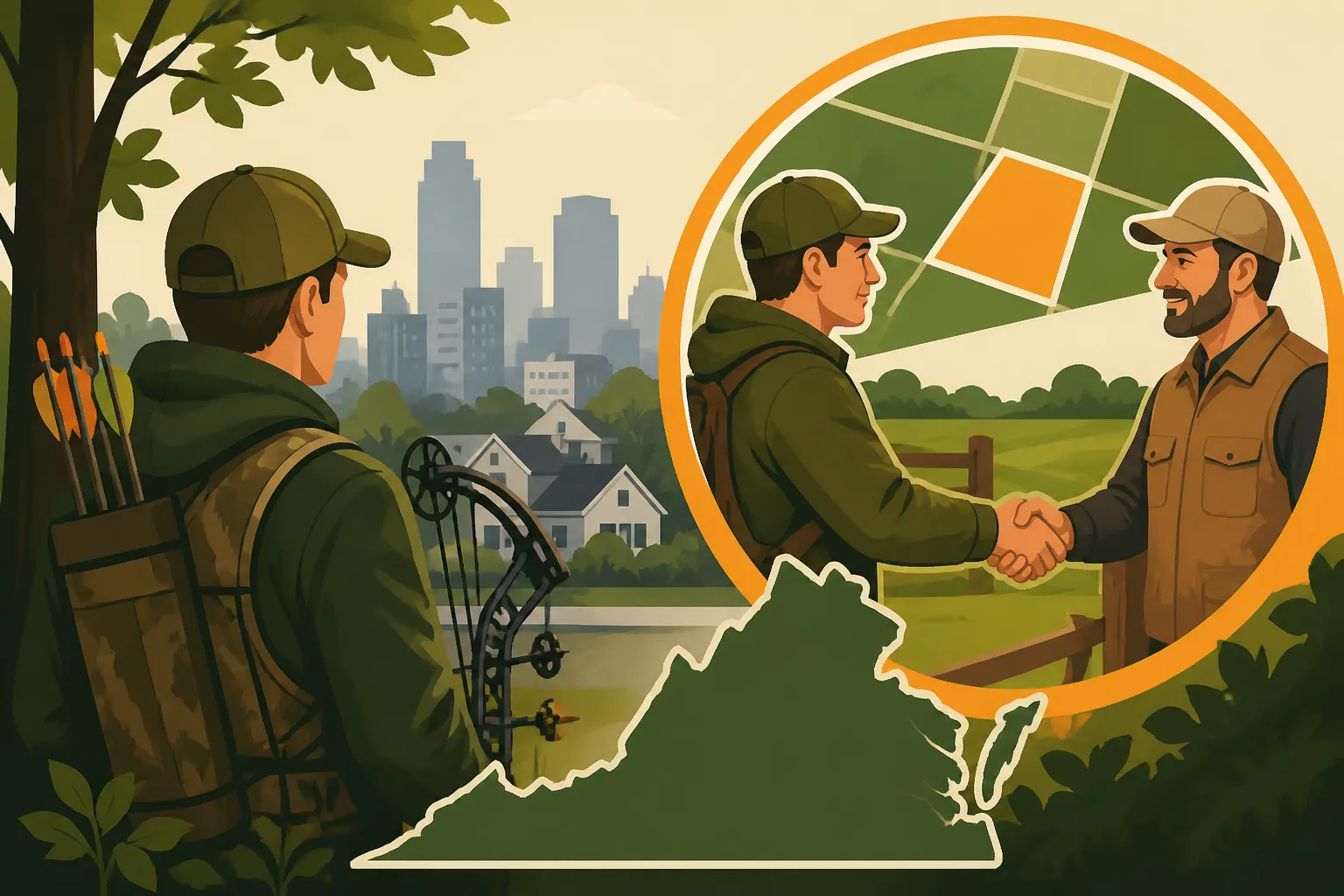
First impressions are everything. When approaching a landowner, whether by knocking on their door or sending a thoughtful letter, politeness and respect are paramount. If you're going door-to-door, ensure you are presentable and don't show up in full camo, which can be intimidating. Start with a friendly introduction, state your name, and explain why you're there. Don't beat around the bush, but lead with the problem the deer are causing them. For example: "Good morning/afternoon, my name is [Your Name], and I'm a local archery hunter. I've noticed a significant deer presence in the area, and I was wondering if you've been having any issues with them in your garden or with your landscaping?" This opens the door to a conversation. Mention that you're an experienced archer and are looking for a safe, ethical way to help manage the deer population in the urban archery zone. Be prepared to answer questions. Sometimes a well-written letter, detailing your intentions and providing your contact information, can be a less intrusive first step, allowing the landowner to consider your proposal on their own time. Think about what a farmer might consider when approached, as detailed in Knocking on Doors in Piedmont Farm Country, and adapt that thoughtfulness to a suburban setting.
Building Trust and Addressing Concerns
Landowners in urban areas will likely have specific concerns, and you must be prepared to address them head-on. The biggest is usually safety. Explain your hunting methods clearly: you're an archer, not using firearms, and you only take shots with a safe, clear backdrop, often from a treestand, ensuring the arrow will embed in the ground. Discuss how you'll handle arrow retrieval and any protocols for lost arrows. Liability is another major concern. Many hunters carry personal liability insurance through organizations like the National Bowhunter Education Foundation or the National Wild Turkey Federation, and being able to show proof of such insurance can be a huge trust builder. You could also offer to have them sign a simple liability waiver, acknowledging the inherent risks. Reassure them you'll be discreet, quiet, and will only hunt at specific, agreed-upon times. Discuss specific rules like not shooting within a certain distance of occupied dwellings, which is a key part of Virginia Firearms Discharge Setback Rules even for archery, and explain how you'll ensure this. Emphasize that your goal is to be a good neighbor, not a nuisance. This also includes thinking about how you manage your scent in proximity to homes, as highlighted by discussions around Scent Control Gear for Urban Archery Hunts.
Formalizing the Agreement
While a handshake deal might work in some rural settings, in an urban archery zone, a written agreement is highly advisable for both your protection and the landowner's peace of mind. Even if Virginia law doesn't always mandate written permission for private land access (a topic covered in Do You Need Written Permission in Virginia?), having one can prevent misunderstandings. A simple written agreement should outline:
- Permission for Archery Hunting: Clearly state that you are granted permission to archery hunt.
- Dates of Access: Specify the season or dates you are allowed on the property.
- Specific Area of Access: Clearly delineate where you can and cannot hunt on their property, perhaps with a map.
- Species Permitted: Confirm you are hunting deer.
- Contact Information: Include both your contact information and the landowner's.
- Safety Protocols: Reiterate your commitment to safety, including shooting only at safe targets with appropriate backdrops.
- Liability Waiver: Acknowledge that the landowner is not liable for accidents.
- Discretion: Emphasize your commitment to quiet and discreet hunting.
- Deer Recovery: Outline what happens if a deer travels off their property onto a neighbor's.
This formalizes the arrangement, provides clarity, and shows the landowner you are serious, responsible, and respectful of their property and concerns.
| Landowner Concern | Hunter's Reassurance / Solution |
|---|---|
| Safety | Explain archery is quiet, arrows have limited range, only shoot at safe backdrops, will hunt from elevated stands. |
| Liability | Offer to sign a liability waiver, carry personal hunting liability insurance (provide proof), adhere to all state laws. |
| Privacy / Disturbance | Promise discretion, specific hunting times, no visible signs of hunting activity, quiet movement, no trespassing on other properties. |
| Deer Carcass Disposal | Explain how deer will be removed discreetly and promptly, or offer venison. |
| Trustworthiness | Be well-dressed, polite, provide references if possible, offer a written agreement. |
| Damage to Property | Promise to leave property cleaner than found, avoid damaging landscaping, respect existing structures. |
Maintaining the Relationship and Ensuring Success
Gaining access is just the first step. To ensure you have a spot for seasons to come, you need to be an exemplary hunter and neighbor.
Being a Responsible and Respectful Hunter
Once you've secured permission, your actions define the longevity of the relationship. Always, always adhere to the terms of your agreement. If you say you'll hunt only on Tuesdays and Saturdays, stick to it. If you agree to be off the property by noon, honor that. Communication is key: let the landowner know when you plan to hunt, and when you've finished for the day or harvested a deer. If you harvest an animal, handle it discreetly. In urban areas, a deer cart or sled can be invaluable for moving a deer out of sight quickly, rather than dragging it past neighbors' windows. Offer venison, or offer to help with chores around the property – a small gesture of goodwill can go a long way in solidifying your welcome. Remember, you're not just representing yourself, but all hunters, especially those who seek access in these sensitive urban zones. Your actions will dictate if the landowner ever allows another hunter, so set a high standard.
Ethical Hunting in a Suburban Environment
Hunting in an urban setting demands an even higher level of ethical consideration and precision. Your shot placement must be impeccable. In tight quarters, a quick, clean kill is not just ideal, it's absolutely essential to prevent a wounded animal from traveling onto a neighbor's property, causing distress or a difficult retrieval. Always use sharp broadheads and practice regularly to ensure your accuracy. If a deer does run, tracking can be complex. While the principles of Tracking a Deer Through Virginia Leaf Litter still apply, doing so through private yards or across busy streets adds layers of difficulty and requires extreme care and discretion. You might need to contact neighbors for permission to track onto their property, which is another reason why being respectful and having a good reputation is vital. Be mindful of public perception; avoid dressing or field dressing animals in plain view. Utilize your knowledge of Bowhunting Virginia's Statewide Archery Season best practices, but heighten your awareness of surroundings. Your goal is to be invisible to non-hunting neighbors and to leave no trace that you were ever there, beyond a happy landowner whose deer problem has been responsibly managed.
Disclaimer
Hunting is an inherently dangerous activity. This guide provides general information and recommendations. It is crucial to always consult and strictly adhere to the latest Virginia Department of Wildlife Resources (DWR) regulations, local ordinances, and landowner agreements. Hunter safety courses are highly recommended, and personal liability insurance should be considered for all hunters. The information provided herein is not a substitute for official legal or safety advice.