Virginia Statewide Archery Season Dates
Navigating the ever-shifting landscape of Virginia's hunting regulations can feel like trying to track a mature buck through a hurricane – confusing, to say the least! Many of us get tangled up trying to nail down the precise opening and closing dates for archery season, especially when urban zones and other specialized hunts add layers of complexity. This comprehensive guide is here to untangle all that, giving you a clear roadmap to the Virginia statewide archery season dates, what they mean for your hunt, and how to stay on the right side of the Virginia Department of Wildlife Resources (DWR) rules.
Understanding Virginia's Archery Season Structure
Before we dive into the nitty-gritty dates, it's really helpful to get a handle on why Virginia structures its archery season the way it does. It's not just random numbers on a calendar; there's a method to the madness, designed to manage deer populations effectively while still providing ample opportunity for hunters.
Why Dates Matter for Your Hunt
Knowing the exact season dates isn't just about avoiding a citation; it's about optimizing your hunting strategy. The opening days often present different deer behavior than mid-season, and knowing when those transitions happen can make or break your success. Imagine heading into the woods, all geared up, only to realize you're a week early or, worse, a week late for prime action. It's frustrating, and it wastes valuable time and effort. Virginia's deer season framework, including archery, is carefully crafted, and understanding its nuances allows you to plan your scouting trips, vacation days, and even your broadhead tuning sessions to perfection. Missing a key date could mean missing out on prime opportunities, especially if you're targeting specific deer behaviors like early season patterns or the pre-rut.
Statewide vs. Urban Archery Zones
This is where a lot of the confusion comes in, and for good reason! Virginia actually runs two primary archery deer seasons: the statewide archery season and the urban archery season. While they both involve bows, their dates and geographic limitations are quite distinct. The urban archery season, which you can learn more about in Virginia Urban Archery Season Rules, typically kicks off much earlier in certain designated cities and counties, often in early September. This is a targeted effort to manage deer populations in suburban and urban areas where firearms discharge might be restricted. The statewide archery season, which is our main focus today, has a later, more traditional start date and applies to the vast majority of Virginia's counties and cities that don't fall under the specific urban archery designation. It's crucial to know which zone you'll be hunting in, as showing up in an urban zone during statewide season, or vice-versa, will put you on the wrong side of the law.
Key Dates for the Statewide Archery Season
Alright, let's get to what you came here for: the actual dates! The Virginia Department of Wildlife Resources (DWR) sets these annually, and while they can shift slightly year to year, the general framework remains pretty consistent. This is your foundation for planning your fall deer hunting adventures.
General Opening and Closing Dates
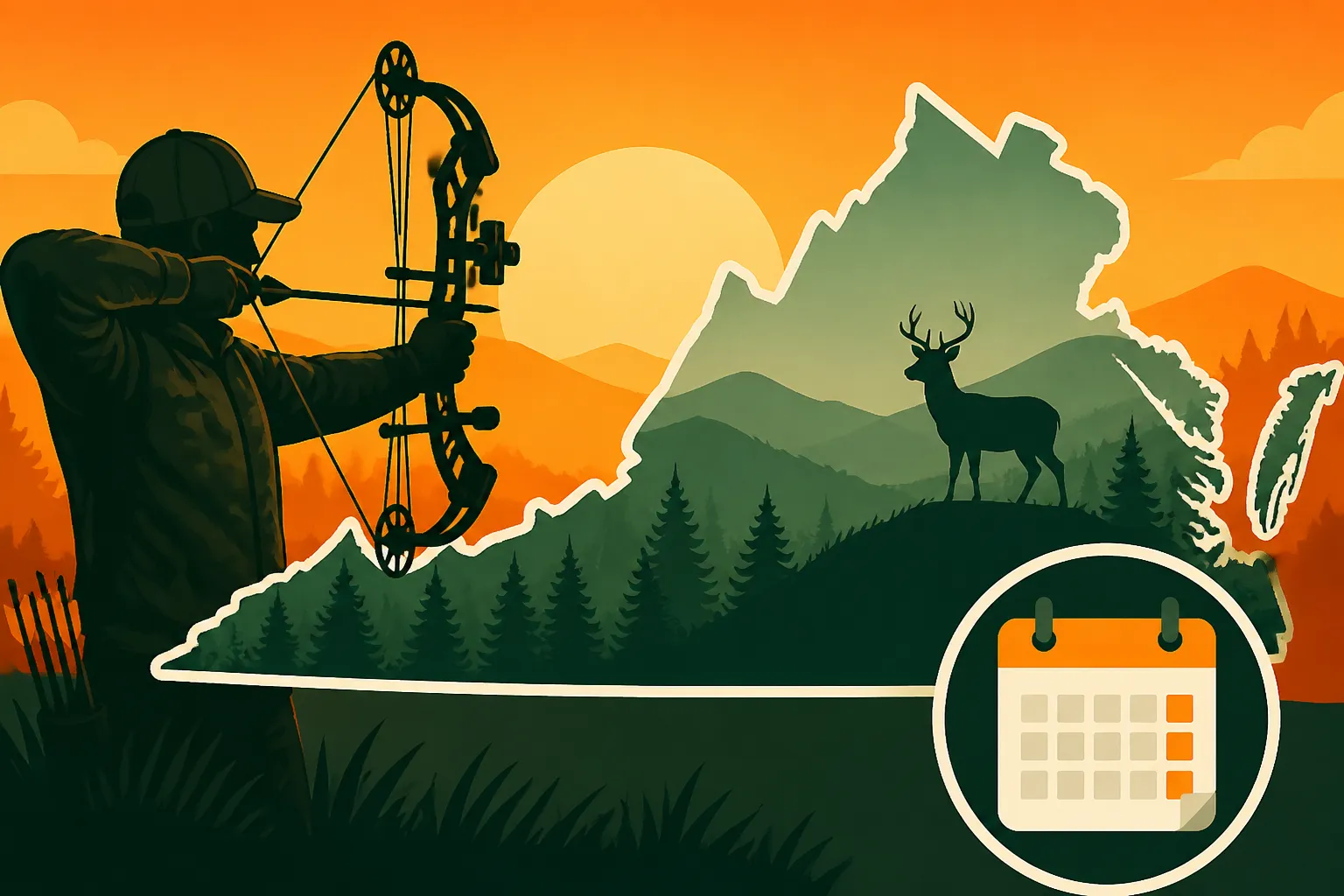
For most of Virginia, the statewide archery season typically kicks off on the first Saturday of October. This marks the true beginning of the deer hunting calendar for bowhunters across the Commonwealth. This early October start gives archers a fantastic opportunity to hunt deer before the full onset of colder weather and before the woods are flooded with general firearms hunters. The season then runs continuously, often through the entire month of November, and sometimes even into early December, before the general firearms season either opens or completely takes over, depending on the specific county and region. It's a generous window, allowing for many days afield. For a deeper dive into the overall structure, check out Virginia Deer Season Structure Explained. You can also find specifics on the DWR website or through helpful apps like GoHunt, which often provide easy-to-digest summaries of these dates.
For instance, looking at recent seasons, the statewide archery season has consistently opened around October 1st and typically runs through the first or second week of November, before general firearms take over, or in some counties, continues to overlap. The exact Virginia Statewide Archery Opening Day is something every bowhunter marks on their calendar!
County-Specific Variations and Exceptions
Now, here's where it can get a little tricky. While the statewide season implies a universal date, Virginia, like many states, has regional differences, especially when it comes to the general firearms season overlapping or taking precedence. For archery, the opening date is generally consistent, but the closing date can sometimes depend on when the local firearms season begins. In some counties, the archery season might run right up to the firearms opener, while in others, there might be a seamless transition where archers can continue to hunt even as gun hunters enter the woods.
The DWR uses a two-region system – East of the Blue Ridge and West of the Blue Ridge – to manage deer, and these regions have different overall buck limits and sometimes slightly varied season lengths for firearms, which can indirectly affect the end of the archery-only period. Always consult the official DWR hunting regulations for the specific county or counties you plan to hunt. Don't assume that just because one county maintains an archery-only period through mid-November that the adjacent county does the same. This localized variation is crucial for compliance and planning, and utilizing a mapping tool like GoHunt can help you quickly identify these county-specific rules.
Navigating the Archery Season Within Broader Deer Seasons
Virginia's hunting calendar isn't just a simple line item for archery; it's a complex tapestry where different seasons often overlap. Understanding how the statewide archery season fits into the larger picture of deer hunting in Virginia is paramount for maximizing your opportunities and staying legal.
Overlap with Muzzleloader and Firearms Seasons
One of the unique aspects of Virginia hunting is that the statewide archery season often overlaps with other weapon types, particularly toward the latter half of the season. For example, the early muzzleloader season generally begins around the first Saturday of November. This means that for a period, typically a week or two, you could have archers and muzzleloader hunters in the woods simultaneously. When the general firearms season opens, usually in mid-November, the archery season often continues in many counties. This creates a fascinating dynamic, where archers are still pursuing deer with their bows while rifle hunters are also out. This overlap can significantly change deer behavior. Deer that might have been relatively calm during the archery-only period suddenly become more wary under increased hunting pressure. This is a critical factor for any bowhunter to consider when planning their approach. Knowing the dates for Virginia's General Firearms Deer Season and Muzzleloader Deer Hunting in Virginia is just as important as knowing your archery dates.
It’s not uncommon for hunters to experience a surge in deer movement when the muzzleloader or firearms seasons open, as deer are pushed around. This can be a boon for archers who are in the right place at the right time, especially if they're focused on areas that offer refuge or natural funnels. However, it also means exercising even greater caution and ensuring your blaze orange requirements are met if hunting during a gun season, even if you’re using archery tackle.
Antlerless Deer Opportunity During Archery
The statewide archery season is an incredible time for antlerless deer harvesting, which is vital for effective deer management. Virginia's DWR actively encourages hunters to take antlerless deer, especially in certain areas, to help keep populations healthy and in balance with the habitat. During much of the statewide archery season, hunters are allowed to harvest antlerless deer on any day the season is open, provided they have the correct licenses and tags. This differs from the often more restrictive antlerless days that might be in place during portions of the firearms season. This flexibility makes archery a prime time to fill those freezer tags, contribute to herd management, and prepare for the general firearms season when buck hunting might take center stage. For specifics on how many antlerless deer you can take and when, it’s always best to consult the DWR regulations or a resource like GoHunt's localized summaries. Remember that filling Three Antlerless Tags Before the Rut can be a smart strategy to help manage the herd and ensure you have venison in the freezer before the colder weather sets in.
Essential Regulations Beyond Dates
Simply knowing the dates is a huge step, but it's only part of the equation for a responsible and successful hunt. Virginia has specific rules regarding equipment and reporting that all archers need to be intimately familiar with. Ignoring these can lead to fines, loss of privileges, or worse.
Crossbows and Equipment Rules
For many years, traditional bowhunting was the only option for archers. However, crossbows have gained significant popularity and are now a legal method of take during Virginia's statewide archery season, with a few important distinctions. Generally, crossbows are permitted throughout the archery season, allowing more hunters to participate due to their ease of use and reduced physical demands compared to compound or traditional bows. However, there are typically regulations regarding minimum draw weight, bolt length, and broadhead type. You can learn more about these specifics in Crossbow Rules During Virginia Archery Season. For instance, broadheads must be fixed or mechanical and have a minimum cutting width. It's not enough to simply have a crossbow; you need to ensure it meets DWR specifications.
It's also worth noting that while crossbows are allowed, specific rules might apply regarding their use on certain public lands or during youth hunts. Always double-check the fine print in the current DWR regulations. Additionally, for safety, hunters should always practice with their chosen equipment extensively before heading afield. This not only ensures accuracy but also familiarizes you with the feel and function of your bow or crossbow in a real-world hunting scenario.
Tagging and Reporting Requirements
Virginia takes deer harvest reporting very seriously, and it’s a critical part of wildlife management. Every deer you harvest, whether with a bow, muzzleloader, or firearm, must be reported. This typically needs to be done within a specific timeframe, often by midnight on the day of the kill, using the DWR’s online system or mobile app. Failing to report a harvest is a violation and can lead to penalties. The information collected from these reports helps the DWR track deer populations, assess harvest rates, and make informed decisions about future season structures and bag limits.
The process is generally straightforward: once you harvest an animal, you typically apply your tag to it (making sure all required information like date and county is filled out), and then you use the DWR's Go Outdoors Virginia platform, either on their website or via the app, to log the harvest. You'll enter details like the county, weapon used, and whether it was an antlered or antlerless deer. This generates a confirmation number that you must keep. For more details on this crucial step, refer to Virginia Deer Reporting Requirements. It's always a good idea to report your harvest immediately, even if you’re deep in the woods, by using the mobile app’s offline capability if available, or making a mental note to do it as soon as you have service.
Maximizing Your Archery Season Success
The statewide archery season, with its unique challenges and opportunities, demands a specific approach if you want to consistently fill your tags. It’s a time of year when deer behavior is still relatively predictable before the chaos of the rut and the pressure of gun season really hit.
Pre-Season Scouting and Preparation
Success in archery season starts long before opening day. Pre-season scouting is absolutely critical. This isn't just a casual walk in the woods; it's a dedicated effort to identify primary food sources, bedding areas, and travel corridors. During late summer and early fall, deer are often still on predictable patterns, moving between food and cover. Look for early mast crops like acorns, soft mast like persimmons, and agricultural fields. Pay close attention to fresh tracks, rub lines from the previous year, and most importantly, trail camera pictures that can give you real-time intel on deer movement. A valuable resource for this is Scouting Virginia Public Land Before Season.
Utilize digital mapping tools like GoHunt or onX Hunt to study aerial imagery, identify potential pinch points, funnels, and natural barriers that can concentrate deer movement. Pinpoint likely stand locations, paying close attention to prevailing winds. Get your stands hung and shooting lanes cleared well in advance of the season opener to minimize your disturbance. Don't forget to practice extensively with your bow, shooting from various angles and distances, including from an elevated position if you plan to hunt from a treestand. This preparation is the foundation upon which your season's success will be built.
Mid-Season Adjustments and Tactics
As the archery season progresses from early October into November, deer behavior will shift, and so should your tactics. The early season might find deer on consistent patterns, often moving in daylight to feed. However, as the weather cools and hunting pressure increases, they may become more nocturnal or stick to thicker cover. By mid-October and early November, the pre-rut and early rut phases begin to kick in, especially in regions like the Piedmont, where bucks start cruising for does. This is a fantastic time to be in the woods, as bucks become more vulnerable. Understanding when The Virginia Rut in November peaks can be a game-changer for your strategy.
Your mid-season adjustments might include shifting your focus from food sources to travel corridors and pinch points between bedding areas. Bucks will be covering a lot of ground, checking scrapes and rubs. Consider incorporating calling strategies like rattling and grunting, or even using a decoy, especially during the peak of the rut. If you're hunting public land, be prepared to adjust to increased pressure. This might mean walking farther to less-pressured areas or utilizing ground blinds in thick cover to remain undetected. Mobility is key; don't be afraid to pull a stand and move to a new location if the deer patterns change. Adaptability is the bowhunter's best friend.
A Quick Look at Virginia Archery Season
To help keep everything straight, here's a handy table summarizing some key aspects of the statewide archery deer season in Virginia. Always remember to cross-reference with the current DWR regulations for the most up-to-date and county-specific information.
| Aspect | Details | Important Considerations |
|---|---|---|
| General Opening | First Saturday of October | Plan your pre-season scouting to coincide with late September. |
| General Closing | Varies by county, often into early December, with overlaps into muzzleloader and general firearms seasons. | Check county-specific regulations annually. Be aware of simultaneous gun seasons. |
| Weapon Type | Compound Bows, Recurve Bows, Longbows, Crossbows (with specific regulations) | Ensure all equipment meets DWR minimum requirements (draw weight, cutting width, etc.). |
| Antlered Buck Limit | Varies by region (Eastern vs. Western Blue Ridge). Max of 2 per year in some areas. | Understand your region's limits. One must be a button buck or spike if you harvest two antlered bucks in certain regions. |
| Antlerless Deer | Generally permitted on any day during the statewide archery season, with appropriate licenses. | Excellent opportunity to manage herd numbers and fill the freezer. |
| Reporting | Mandatory for all harvested deer, usually by midnight of the kill date, via DWR app or online portal. | Keep your confirmation number. Failure to report is a violation. |
| Blaze Orange/Pink | Required when hunting during any firearms deer season, even if using archery equipment. | Always wear if overlapping with muzzleloader or general firearms. Safety first! |
| Public Land Access | Most WMAs and National Forests allow archery. Check specific area rules for camping, stands, and ATVs. | Utilize tools like GoHunt or the DWR map tool for WMA access permits and regulations. |
No matter if you're hunting East of the Blue Ridge or West of the Blue Ridge, or setting up Treestand Setups in George Washington National Forest, staying informed about the statewide archery season dates and rules is the bedrock of a safe and successful hunt.
Disclaimer
Please remember that hunting regulations, including season dates and bag limits, can change. While this guide provides comprehensive information, it is crucial to consult the official Virginia Department of Wildlife Resources (DWR) regulations annually before heading into the field. This article is for informational purposes only and should not be considered legal advice. Always prioritize safety and adherence to all current laws and regulations.