Virginia Youth Deer Weekend Rules
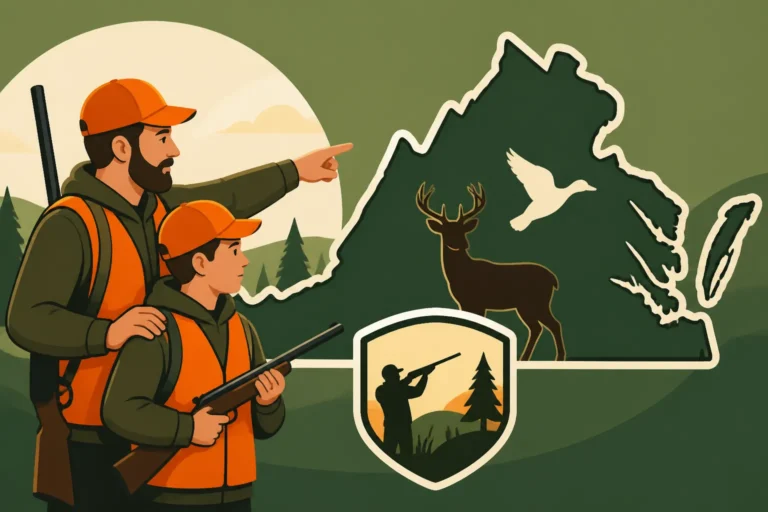
Bringing the next generation into the fold of hunting traditions is one of the most rewarding experiences a seasoned outdoors person can have. However, navigating the specific regulations for youth hunts can sometimes feel like trying to track a ghost in a dense fog, especially when you're already focused on teaching and mentoring. This comprehensive guide is designed to demystify the Virginia Youth Deer Weekend rules, ensuring you and your young hunter have all the information needed for a safe, educational, and unforgettable experience in the Old Dominion.
The Heart of the Youth Deer Weekend: What It Is and Why It Matters
Virginia’s Youth Deer Weekend isn't just another hunting opportunity; it's a carefully crafted initiative designed to foster a love for the outdoors and responsible hunting practices in young people. It's a special time set aside, free from some of the pressures of regular seasons, where the focus can truly be on learning and connection.
A Special Opportunity for Young Hunters
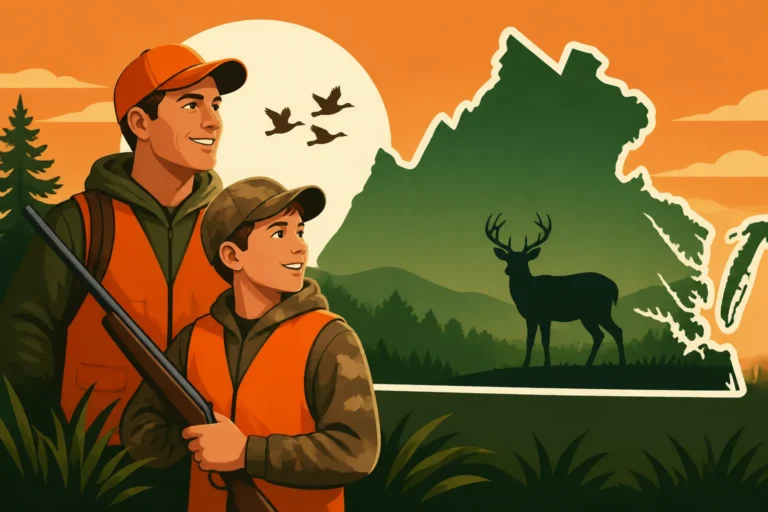
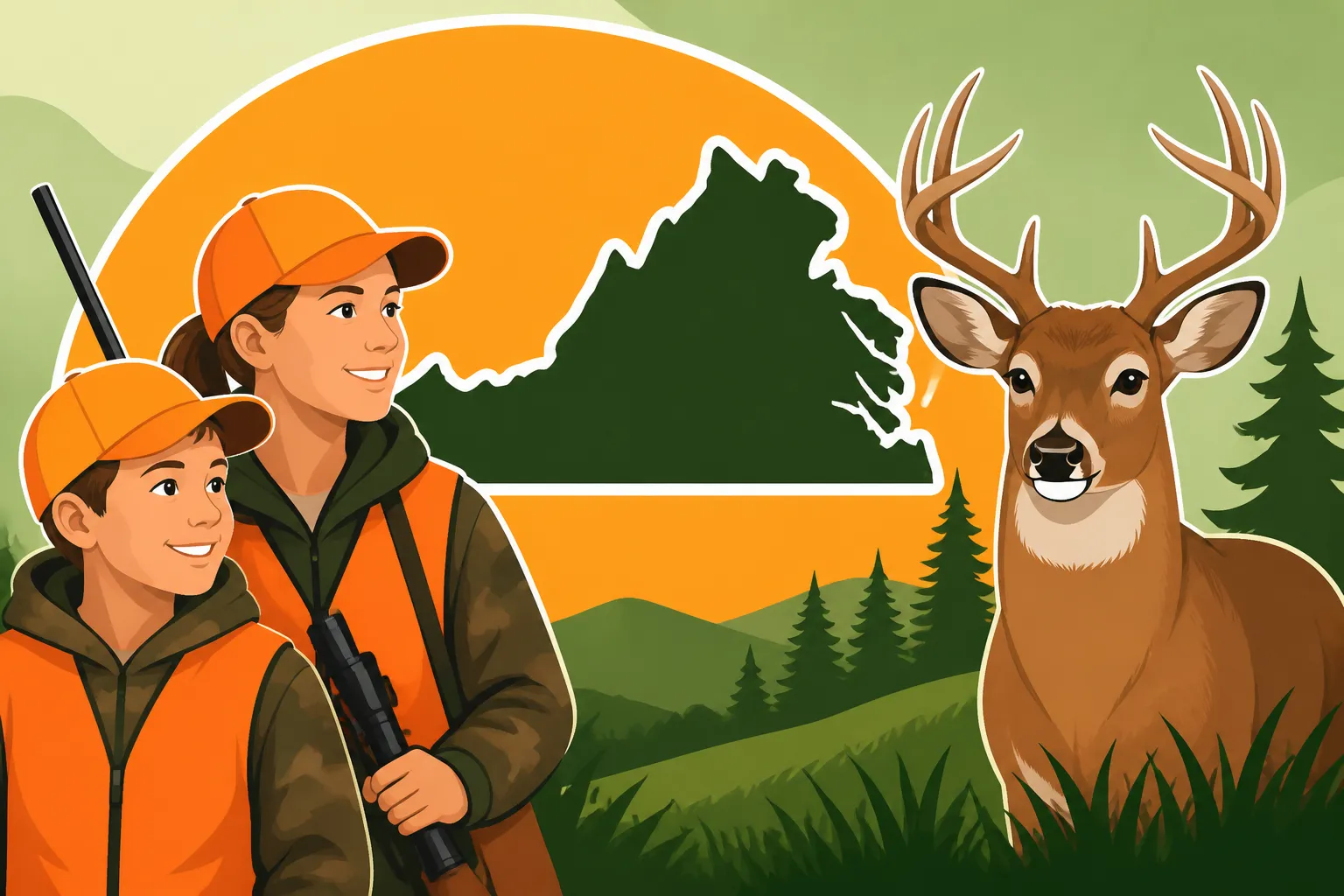
Imagine the excitement of a young hunter, perhaps on their very first deer hunt, with an entire weekend dedicated just to them. That's the essence of the Youth Deer Weekend. It provides a unique, dedicated window for hunters aged 15 and under to pursue deer statewide. The beauty of this special season lies in its timing and exclusivity. It's often set before the hustle and bustle of the general firearms season, meaning fewer hunters in the woods and a calmer, more controlled environment for introducing a novice to the sport. This reduced pressure allows mentors to dedicate their full attention to teaching crucial skills like quiet movement, observation, shot placement, and ethical decision-making, rather than being distracted by crowded public lands or intense competition.
This focused approach helps build confidence in young hunters. They learn to identify deer, understand their movements, and practice patience without the added stress of feeling like they're competing for space or opportunities. It’s an invaluable step in developing not just a hunter, but a responsible conservationist. For many mentors, seeing the outdoors through the eyes of a child, witnessing their wonder and excitement, breathes new life into their own hunting passion.
Setting the Stage: Statewide Dates and Structure
The Virginia Youth Deer Weekend is typically held on the last Saturday and Sunday in September. For example, in recent years, it has fallen on dates like September 23-24. While these dates tend to be consistent, it's absolutely crucial to always double-check the Virginia Department of Wildlife Resources (DWR) official regulations each year, as minor shifts can occur due to calendar alignment. This statewide opening means that regardless of whether you're in the mountains of Western Virginia, the sprawling farmlands of the Piedmont, or the coastal plains, this opportunity is available to all eligible young hunters.
This specific timing offers several strategic advantages. By preceding the general firearms deer season, it allows youth hunters to experience relatively undisturbed deer activity. Deer haven't yet been pressured by the full force of rifle hunters, which can make them more predictable and visible. This early window also often coincides with pleasant early fall weather, making long sits more comfortable for young hunters who might be less accustomed to the chill of late fall or winter. The structure is simple: a two-day event where the youth is the primary hunter, always under direct adult supervision. This concentrated structure makes it easy for families to plan a dedicated hunting trip, fostering a tradition that can last a lifetime.
Who Can Participate: Eligibility and Supervision Requirements
Understanding who is eligible and the strict supervision rules is paramount for anyone planning to take a young hunter afield during this special weekend. These rules are in place to ensure safety and provide the best possible learning environment.
Age Requirements and Hunter Education
The Virginia Youth Deer Weekend is open to hunters 15 years of age or younger. This age cutoff is firm and is designed to target those formative years when children are most impressionable and eager to learn. An essential component for any young hunter is completing a hunter education course. This isn't just a formality; it's a foundational safety and ethics program. Virginia requires anyone 12 years of age or older to have a hunter education certificate before hunting unsupervised. For the Youth Deer Weekend, even younger participants (under 12) still need to adhere to the supervision rules, which effectively means they are hunting under the direct guidance of a certified, licensed adult.
However, Virginia offers a fantastic alternative for those who haven't completed hunter education yet: the apprentice hunter license. This allows individuals who are 12 years of age or older and have not completed hunter education to hunt under the direct supervision of a properly licensed adult. This means a child could, theoretically, be 12, have an apprentice license, and participate. For anyone younger than 12, an apprentice license isn't required, but the direct supervision rule remains in full effect. Always ensure your young hunter has either their hunter education certification or the appropriate apprentice license, along with any other required hunting licenses. Detailed information on Virginia Hunter Education Requirements can be found to help prepare your young hunter.
The Role of the Adult Mentor
The adult mentor is the cornerstone of the Virginia Youth Deer Weekend. Their role goes far beyond merely accompanying the youth; they are the primary instructor, safety officer, and ethical guide. According to DWR regulations, the supervising adult must be at least 18 years of age and possess a valid Virginia hunting license. More importantly, they must be in direct supervision of the youth hunter. This means the adult must be physically present and close enough to assume immediate control of the firearm or archery equipment. They need to maintain audible and visual contact with the youth at all times. This isn't a "drop them off at the stand" scenario; it's a shared, interactive hunting experience.
The mentor's responsibilities are extensive. They are responsible for ensuring all hunting regulations are followed, from weapon choice to bag limits. They teach firearm or bow safety, proper shooting fundamentals, and animal identification. Perhaps most crucially, they instill hunting ethics – understanding fair chase, respect for the animal, and responsible land stewardship. If the youth is using an apprentice license, the mentor also assumes direct responsibility for the apprentice hunter's actions. Choosing the right mentor is critical, and often it’s a parent, grandparent, or another trusted family member or friend who embodies these values. For more specific details on the requirements for adult mentors, you can consult information on Virginia Apprentice Hunter License Rules.
Season Dates, Bag Limits, and Reporting Rules
Knowing the specific dates, understanding the allowable harvest, and fulfilling the post-hunt reporting obligations are critical components of a legal and ethical hunt during the Youth Deer Weekend.
Understanding the Specific Dates for the Current Year
As mentioned earlier, the Virginia Youth Deer Weekend typically falls on the last Saturday and Sunday of September. This has been a consistent pattern for many years, offering a predictable window for families to plan. For instance, if you were planning for the current season, you'd look at the calendar for September and pinpoint that final weekend. However, relying solely on historical patterns is a risky business when it comes to hunting regulations. The Virginia Department of Wildlife Resources (DWR) updates its official hunting regulations annually, and sometimes dates can shift due to how weekends fall or other wildlife management considerations.
Before making any definitive plans, always, always, consult the most current Virginia DWR hunting regulations digest. You can find this on their website, often available as a downloadable PDF, or pick up a physical copy wherever hunting licenses are sold. Many experienced mentors use platforms like GoHunt or the Virginia DWR app to quickly verify these dates, set reminders, and ensure they have the latest information at their fingertips. This simple step can prevent disappointment and ensure full compliance. Remember, ignorance of the law is no excuse, and a quick check can save a lot of headaches.
Bag Limits: What Youth Hunters Can Harvest
The bag limits for the Youth Deer Weekend are generous and designed to provide a good opportunity for success, while still contributing to deer management efforts. Generally, youth hunters may harvest one antlerless deer per day during the Youth Deer Weekend. An antlerless deer is any deer without antlers, or a deer with antlers less than one inch long. This focus on antlerless deer is a smart management strategy, as it helps control the overall deer population, which is beneficial for herd health and landowner relations.
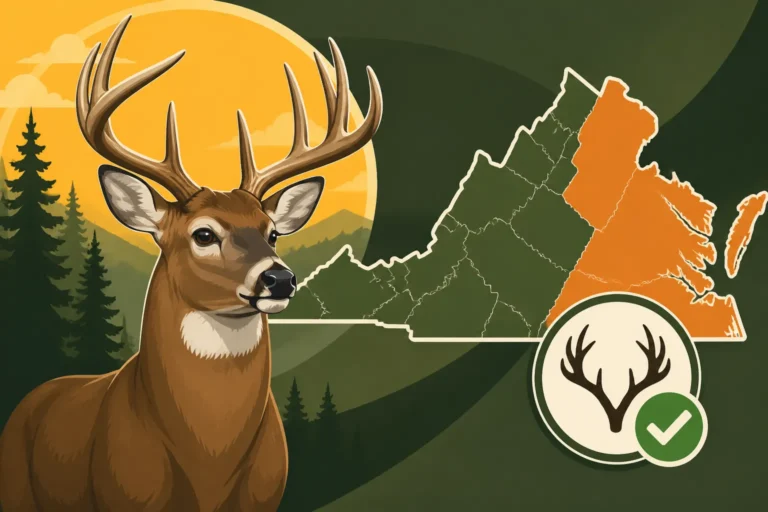
In addition to antlerless deer, youth hunters are typically permitted to harvest one antlered buck during this two-day period. This antlered buck counts towards the youth's annual statewide bag limit. It's important to be aware of the specific regulations regarding antlered bucks, especially if you're hunting in a county with special antler point restrictions, though these are less common during youth-specific seasons designed for introduction. Virginia is divided into two main regions for deer management: east and west of the Blue Ridge Mountains. While the Youth Deer Weekend rules are generally consistent statewide, it's always wise to confirm if any specific county-level rules apply to the area you plan to hunt, particularly regarding the annual buck limits that may vary. A quick look at information on East Versus West of the Blue Ridge Bag Limits can provide additional clarity on regional differences.
Mandatory Deer Reporting for Youth Hunts
Harvest reporting is not merely a suggestion; it is a mandatory legal requirement in Virginia for all deer taken, including those harvested during the Youth Deer Weekend. This process is crucial for the Virginia DWR to gather vital data on deer populations, harvest trends, and overall herd health. Accurate reporting directly influences future season structures and management decisions, ensuring sustainable hunting opportunities for years to come.
After a successful harvest, the youth hunter or their supervising adult must report the deer within 24 hours of the kill and before processing the deer for consumption or before the deer leaves the county in which it was killed. The easiest and most common way to report a deer is through the Virginia DWR website or by using the official Virginia DWR mobile app. This app is incredibly convenient, allowing you to report your harvest right from the field, even with limited cell service in some areas. You'll need to provide information such as the county of kill, the date, the sex of the deer, and whether it was antlered or antlerless. This process typically generates a confirmation number that you should keep for your records. Failing to report a harvested deer is a violation and can carry penalties, so make this a priority after the excitement of the hunt. You can find more specific guidance on Reporting a Deer Through Virginia's App to make this process seamless.
Permitted Weapons and Safety First
Safety is the absolute priority when introducing youth to hunting. This extends to understanding which weapons are legally permitted during the Youth Deer Weekend and adhering to all safety protocols.
Legal Firearms and Archery Equipment
The Virginia Youth Deer Weekend is quite inclusive when it comes to the types of weapons youth hunters can use, making it accessible for various skill levels and preferences. Legal weapons include shotguns (smoothbore with slugs or buckshot, depending on local regulations), muzzleloading rifles, and centerfire rifles. For archery enthusiasts, traditional bows, compound bows, and crossbows are also permitted. It’s important for the adult mentor to ensure the youth is using a weapon appropriate for their size, strength, and experience level, and that they are proficient with it. For firearms, proper caliber selection is critical; typically, any legal deer hunting caliber is allowed, but smaller, lighter-recoiling calibers are often preferred for youth to prevent flinching and ensure a positive shooting experience.
When it comes to archery equipment, the DWR does specify minimum draw weights and kinetic energy requirements for taking deer. While crossbows simplify some aspects of archery hunting, they also have specific rules. For example, understanding Crossbow Rules During Virginia Archery Season is important, as these often apply to youth seasons as well. Always ensure the equipment is in good working order, properly sighted in, and the youth hunter has practiced extensively with it to ensure ethical shot placement. The goal is a clean, quick harvest, and that starts with a confident, skilled shooter using appropriate gear.
Blaze Orange Requirements and Other Safety Gear
Safety gear is non-negotiable during any firearms or muzzleloader season in Virginia, and the Youth Deer Weekend is no exception. Both the youth hunter and their supervising adult are required to wear blaze orange (or blaze pink, which is also legal in Virginia). Specifically, hunters must wear at least 100 square inches of solid blaze orange or pink material visible above the waist, and a blaze orange or pink hat. This highly visible clothing is crucial for preventing accidental shootings, making hunters easily identifiable to others in the woods. Even if you're the only party hunting a specific tract, it's a vital safety measure.
Beyond blaze orange, other safety equipment is equally important. If hunting from a treestand, both the youth and the mentor must use a full-body harness and a safety line. Falls from treestands are a leading cause of hunting accidents, and prevention is simple and effective. A well-stocked first-aid kit is always a smart addition to any hunting pack, especially when hunting with youth. Consider carrying a whistle or other signaling device, and ensure cell phones are fully charged. Mentors should review and practice basic firearm safety rules with their youth repeatedly: always point the muzzle in a safe direction, treat every firearm as if it's loaded, be sure of your target and what's beyond it, and keep your finger off the trigger until ready to shoot. Reinforcing these fundamental rules instills a lifelong habit of safe firearm handling. Details on How Much Blaze Orange Virginia Requires can clarify the specific square inch rules.
Maximizing the Youth Weekend Experience
The Youth Deer Weekend is about more than just harvesting a deer; it's an immersive educational experience. Thoughtful preparation and a focus on the broader learning opportunities can make it truly impactful.
Scouting and Preparation for Success
The groundwork for a successful Youth Deer Weekend begins long before opening day with thorough scouting and preparation. This phase is an excellent opportunity to involve your young hunter and teach them valuable woodsmanship skills. Start by identifying potential hunting locations, whether on public land or private property where you have permission. Look for signs of deer activity: fresh tracks, droppings, rub lines, and scrapes. Focus on areas where deer are likely to feed, bed, and travel, such as field edges, creek bottoms, oak ridges, or clear-cut regrowth. Using aerial maps, topographical maps, or even hunting apps like GoHunt can be invaluable for pinpointing suitable public or private land areas, especially for identifying features like bedding areas or water sources that might attract deer.
Involve the youth in the scouting process. Teach them how to read deer sign, identify different types of trees and their mast production, and understand how wind direction and thermals affect deer movement. Beyond scouting, extensive practice with their chosen weapon is critical. Spend time at the range ensuring they are comfortable and proficient, reinforcing safe handling and accurate shooting. Don't forget to practice from simulated hunting positions, like sitting or kneeling. The more prepared and confident the young hunter feels with their equipment and the terrain, the more enjoyable and potentially successful their hunt will be. Remember, the experience of scouting together can be just as memorable as the hunt itself. Detailed scouting strategies can be found in resources like Scouting Virginia Public Land Before Season.
Focus on Fun, Learning, and Ethics
While a successful harvest is always exciting, the ultimate goal of the Youth Deer Weekend should always be to cultivate a lifelong passion for the outdoors and responsible hunting. This means prioritizing fun, fostering a love for nature, and instilling a strong ethical foundation above all else. If the focus becomes solely on "getting a deer," the pressure can quickly overshadow the joy of the experience for a young hunter. Take time to teach them about the flora and fauna they encounter, the different bird calls, and the role of hunting in wildlife conservation.
Emphasize ethical hunting practices, such as waiting for a clear, humane shot, respecting trespass laws, and understanding the importance of proper game recovery. Teach them about blood trailing, how to field dress an animal, and the value of the meat. Even if a shot isn't taken, a successful youth hunt is measured by the memories made and lessons learned, which platforms like GoHunt help facilitate by providing easy access to regulations and educational content that reinforces these values. Encourage questions, share stories, and celebrate every small victory, whether it's identifying a new bird or just sitting quietly together in nature. The goal is to create positive associations with hunting that will encourage them to continue for many years.
Post-Harvest Care and Celebration
Should your young hunter be successful in harvesting a deer, the learning and mentoring opportunities continue long after the shot. Proper post-harvest care is crucial for ensuring the venison is high quality and that the animal is treated with respect. Immediately after the shot, teach your youth hunter how to safely approach a downed animal, confirm it is deceased, and then begin the field dressing process. This is often a hands-on lesson that, while sometimes messy, teaches responsibility and reinforces the connection between harvest and food. Emphasize cleanliness and quick cooling of the meat, especially during the warmer September temperatures. For guidance on how to properly handle your harvest, you might find information on Field Dressing a Deer in Cold Weather useful, adapting the principles for warmer weather by focusing on rapid cooling.
After the work is done, celebrate the experience! Whether it was a successful harvest or just a day spent together in the woods, acknowledge their efforts and the lessons learned. A first deer is a monumental milestone, deserving of recognition. Share stories, look at photos, and discuss what went well and what could be improved next time. This positive reinforcement solidifies the experience and encourages continued participation. The Youth Deer Weekend is not just about the hunt; it's about building character, respect for nature, and creating cherished memories that will last a lifetime.
Virginia Youth Deer Weekend at a Glance
For quick reference, here’s a summary of key rules for the Virginia Youth Deer Weekend:
| Rule Category | Description |
|---|---|
| Eligibility | Hunters 15 years of age or younger. |
| Supervision | Must be accompanied by a licensed, un-armed adult (18+) in direct audible and visual contact. Adult is responsible for youth's actions. |
| Hunter Ed | Required for those 12+ unless using an apprentice license. Not required for under 12, but direct supervision always applies. |
| Typical Dates | Last Saturday and Sunday in September (e.g., Sept. 23-24). Always verify with current DWR regulations. |
| Bag Limits | One antlerless deer per day, plus one antlered buck (counts towards annual limit). Check DWR for specific county regulations. |
| Legal Weapons | Shotguns, muzzleloaders, centerfire rifles, bows, and crossbows are permitted. All must adhere to DWR regulations for deer hunting. |
| Blaze Orange | Both youth hunter and adult mentor must wear at least 100 sq. inches of solid blaze orange/pink above the waist and a matching hat. |
| Reporting | All harvested deer must be reported to the DWR within 24 hours of kill and before processing/leaving the county of kill, via the DWR app or website. |
Disclaimer
Please be aware that hunting regulations can change. The information provided in this article is intended for general guidance and informational purposes only. It is the responsibility of every hunter to consult the most current Virginia Department of Wildlife Resources (DWR) official regulations digest before heading afield. Always verify dates, bag limits, and specific rules that may apply to your hunting location.