Virginia Turkey Tag Transport Rules
The exhilaration of a successful Virginia turkey hunt is a feeling unlike any other. You’ve put in the scouting, perfected your calls, and finally, that big gobbler is down. But in the excitement, it’s easy to overlook the crucial next steps: properly tagging and transporting your bird according to Virginia’s regulations. Nobody wants a fantastic hunting memory to turn into a legal headache, and understanding these rules is key to a worry-free experience. This comprehensive guide will explain Virginia’s turkey tag transport rules in detail, ensuring you're fully compliant from the moment your bird hits the ground until it reaches your table.
Understanding Virginia’s Turkey Tagging System: More Than Just a Sticker
Before we dive into the specifics of transport, let's understand why these rules exist. Virginia, like every other state, uses tagging and reporting systems as vital tools for wildlife management. Every tagged and reported bird provides valuable data to the Virginia Department of Wildlife Resources (DWR) on population trends, harvest rates, and even the health of the flock. This information directly influences future season dates, bag limits, and conservation efforts, ensuring healthy turkey populations for generations of hunters. Your compliance isn't just about following the law; it's an active contribution to sound wildlife stewardship.
The Role of Tags in Wildlife Management
Think of each tag as a small piece of a much larger puzzle. When you apply your tag and report your harvest, you're essentially providing a data point. The DWR compiles these points from thousands of hunters across the state. This data allows them to track the annual harvest, compare it against previous years, and identify areas where turkey populations might be declining or thriving. Without accurate reporting, the DWR would be flying blind, unable to make informed decisions that benefit both the turkeys and the hunters who pursue them. It’s a collective effort, and every hunter plays a part.
Evolution of Tagging: From Paper to Electronic
For many years, the process was purely paper-based. You’d purchase a license, which came with physical tags that you’d remove and attach to your harvested animal. While these physical tags are still an option and often preferred by many traditionalists, Virginia has embraced modern technology. Today, hunters can manage their licenses and report harvests electronically through the Go Outdoors Virginia website or the official DWR mobile app. This digital convenience means less fumbling with paper tags in the field, though it does place the responsibility on the hunter to have a charged phone and adequate signal, or to be prepared to report immediately upon reaching service. Some hunters even use robust hunting apps like GoHunt to keep all their regulations, maps, and reporting links organized on their devices, making it a smoother process in the field.
Your Responsibility: The Legal Implications
Simply put, proper tagging and reporting are legal requirements. Failure to comply can result in fines, loss of hunting privileges, and even confiscation of your harvested bird and hunting equipment. The DWR takes these regulations seriously, as they are fundamental to controlling illegal hunting and managing the resource effectively. Ignorance of the law is not a valid defense. It’s your responsibility as a hunter to know the rules before you head into the woods. This includes not just the tagging requirements but also adhering to the established Virginia turkey season rules and understanding the specific Virginia Spring Turkey Bag Limit. A quick check of the Virginia DWR regulations online before each season is always a good practice.
The Specifics: Virginia’s Turkey Tag Transport Requirements
Virginia's rules for transporting a harvested turkey are designed to ensure the bird's legality can be easily verified by law enforcement. This means specific steps must be taken immediately after the kill and maintained throughout the journey from the field to your home or processing facility.
Immediately After the Kill: The Critical First Steps
The moment you down a turkey, the clock starts ticking for proper tagging. Virginia law requires that immediately upon killing a turkey, and before it is moved from the place of kill, you must attach your kill tag. If you are using physical tags from your license, this means physically attaching the proper tag to the bird. If you are using the electronic system, you must record the kill information on the DWR app or website before moving the bird. This initial tagging is crucial for establishing legal possession and proving that the bird was harvested within legal means and limits, such as adhering to the rules for the Virginia Early and Late Turkey Period Rules.
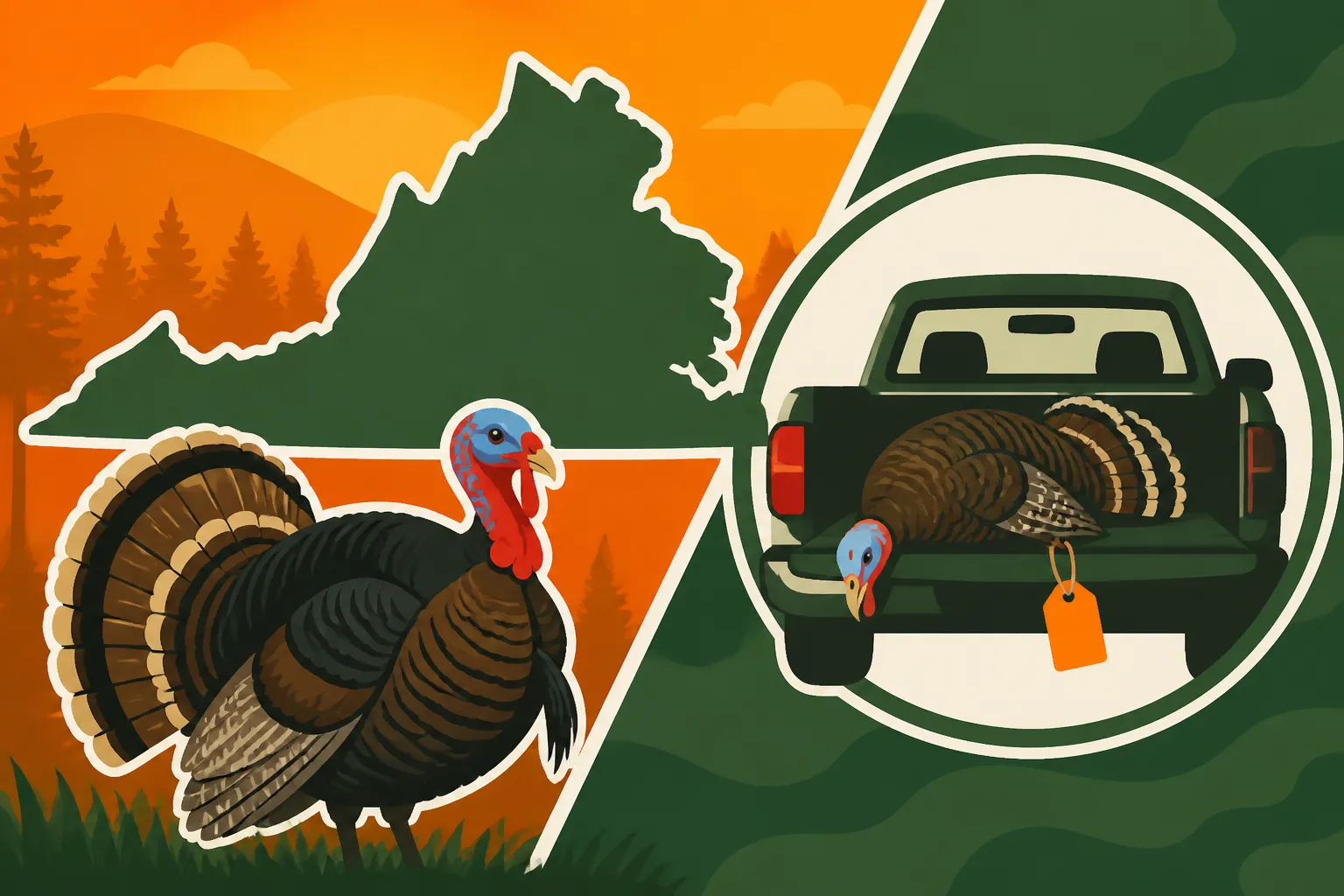
It’s important to note that the tag must be securely attached to the turkey in such a way that it cannot be removed without damaging the tag. This usually means securing it around a leg or through a slit in the skin on the breast. The goal is to make it clear that this bird has been legally taken and is now tied to your license.
Physical Tagging vs. Electronic Reporting: DWR's System
Virginia offers flexibility in how you tag and report. Here's a breakdown:
- Physical Tags: These are traditional paper tags that come with your hunting license. You detach the appropriate turkey tag, fill in the required information (date, time, county of kill), and then securely attach it to the bird.
- Electronic Reporting: This is done via the Go Outdoors Virginia website or the DWR mobile app. Once you've harvested a bird, you log into your account, select the turkey harvest option, and input the required details (date, time, county, sex of bird, etc.). The system will then generate a confirmation number, which serves as your electronic tag. While you don't physically attach this, you must have this confirmation number readily available, either by screenshot or within the app, to show to a game warden if requested. Many hunters find using the DWR app convenient for real-time reporting, especially when they are familiar with their Run-and-Gun Turkey Tactics on Public Land and might be far from cell service in other parts of the hunt.
It is crucial that even with electronic reporting, the intent to report is immediate. You cannot wait until you get home if you have cell service in the field. If you are in an area without service, you must report the kill as soon as you are in an area with service. This is a common point of confusion, and game wardens often patrol areas specifically looking for compliance on this rule.
Moving the Bird: From Field to Vehicle
Once your bird is tagged and, if possible, reported (or at least the intention to report is documented via the DWR app), you can move it. During transport, the tag, whether physical or electronic confirmation, must remain with the bird. If you’ve field dressed the turkey, which is often recommended for cooling, ensure the tag remains attached to the main carcass.
The DWR regulations also state that while transporting a wild turkey, evidence of sex (a beard or spur for gobblers, or the entire unplucked bird for hens) must remain naturally attached until the bird is processed for consumption or taxidermy. This allows conservation police officers to easily verify that the turkey harvested was legal for the season and bag limits, which might vary for hens versus gobblers. This is particularly important if you're hunting during specific periods or if you harvested a hen in an area where they are permitted.
Transport Across County Lines or DMAs: Special Considerations
Generally, for wild turkeys, you can transport your legally tagged and reported bird across county lines within Virginia. Unlike deer, turkeys do not have specific Chronic Wasting Disease (CWD) management area (DMA) carcass movement restrictions. However, it’s always wise to re-check the most current DWR regulations, especially if you are traveling out of state with a harvested bird. Different states have different rules regarding the import of game, and you’ll want to be sure you’re not violating another state’s regulations. If you hunt different regions, remember to check regional rules, such as those related to Hunting the Virginia Youth Deer Weekend for deer, which can differ significantly from turkey regulations.
A Step-by-Step Guide to Legal Turkey Transport
Let’s break down the process into clear, actionable steps to ensure you’re always in compliance after you've successfully called in that bird, perhaps even using some classic Turkey Calls Worth Carrying in Virginia.
Step 1: The Kill and Immediate Field Care
The gobbler is down. First, make sure the bird is truly dispatched and safe to approach. Then, if you plan to field dress your turkey to cool the meat, do so. Many hunters remove the entrails in the field to prevent spoilage, especially on warmer spring days. However, ensure that the tag will remain with the main carcass. Before you even think about lifting the bird, proceed to Step 2.
Step 2: Tagging Your Bird
This is the most critical step. Immediately upon downing the bird, and before you move it from the kill site:
- If using a physical tag: Detach the correct turkey tag from your license. Fill out all the required information clearly and legibly: date, time, and county of kill. Securely attach the tag to the turkey. A common method is to put the tag around a leg or use a zip tie through a slit in the skin on the breast or leg. The key is that it must be visible and irremovable without damaging the tag itself.
- If using electronic reporting: Access the Go Outdoors Virginia website or the DWR mobile app. Log into your account and initiate the turkey harvest report. Input all required information accurately. Obtain your confirmation number. While you don't attach a physical tag, you must have access to this confirmation number (a screenshot is a good idea) to display if requested by a conservation police officer. If you’re in a dead zone with no signal, you need to report it as soon as you get to an area with service. Remember, the DWR is very clear that the intent to report must be immediate, even if the actual reporting is delayed due to technical limitations.
Step 3: Reporting Your Harvest
While tagging is immediate, the reporting component (if using physical tags) has a slightly longer window. All harvested turkeys must be reported to the DWR within 24 hours of the kill.
You can report your harvest in a few ways:
- Online: Through the Go Outdoors Virginia website.
- DWR Mobile App: Directly from your smartphone or tablet.
- By Phone: Call the toll-free number provided by DWR.
No matter which method you use, ensure you receive a confirmation number. Keep this number on hand. It's proof that you've fulfilled your reporting obligation. This data contributes to important information like Virginia Turkey Harvest Numbers, which guide future management decisions.
Step 4: Preparing for Transport
Once tagged and reported, prepare your bird for transport.
- Visibility: Ensure the physical tag is clearly visible on the bird. If using electronic reporting, ensure your phone is charged and you can quickly access your confirmation number.
- Evidence of Sex: Crucially, a portion of the beard or a spur must remain naturally attached to any gobbler until the bird reaches its final destination for processing. If you harvested a hen, the entire unplucked bird must be transported until processed, allowing for easy identification of its sex. This rule helps prevent illegal harvest of hens during gobbler-only seasons or exceeding specific hen limits.
- Cleanliness: While not a legal requirement for tagging, keeping your bird clean helps with meat quality and makes inspection easier.
Step 5: The Journey Home
With your bird properly tagged, reported, and prepared, you can now transport it. Place it in your vehicle securely. If a game warden stops you, they will likely ask to see your license, your tag (or electronic confirmation), and the bird itself to verify compliance. Having everything in order makes for a quick and pleasant interaction. Keep your license readily accessible, whether it’s the physical card or on the official DWR app. Many hunters find resources like the DWR website or integrated features within hunting apps like GoHunt to be invaluable for quick reference to these rules, even while planning routes from their Turkey Tactics for Piedmont Field Edges back home.
Here's a handy table summarizing the key steps:
| Step | Action | Timing | Notes |
|---|---|---|---|
| 1. Harvest | Dispatch turkey safely. | Immediately | Prioritize safety. |
| 2. Tagging | Attach physical tag (filled out) OR initiate electronic report & obtain confirmation number. | Before moving the bird from kill site | Must be secure and visible (physical tag). Electronic confirmation must be accessible. If no service, report as soon as service is available. |
| 3. Reporting | Complete official DWR harvest report (online, app, phone). | Within 24 hours of kill | Obtain and retain confirmation number. This provides data for wildlife management and proves legal harvest. |
| 4. Pre-Transport Prep | Ensure tag visibility, retain evidence of sex (beard/spur for gobblers, unplucked for hens). | Before placing bird in vehicle | This allows conservation officers to easily verify legality during transport. |
| 5. Transport | Move bird from field to processing/home. | After tagging and reporting | Have license and tag/confirmation readily available. Expect potential checks by DWR officers. |
Common Pitfalls and How to Steer Clear of Them
Even experienced hunters can sometimes trip up on the regulations. Being aware of these common mistakes can help you avoid them.
Forgetting Your Tagging Method: Paper Tags or Phone Access
It sounds simple, but in the rush to get out the door for that perfect morning hunt, hunters sometimes forget their physical tags or ensure their phone is charged and the DWR app is installed and logged in. Imagine finally getting a shot at a challenging bird after employing advanced tactics like Calling a Virginia Gobbler Off the Roost, only to realize you can’t legally tag it. Always double-check your gear before leaving home. Lay out your license, tags, and phone the night before. Consider carrying a small, portable power bank for your phone, especially if hunting in remote areas where cell service might be spotty.
Improper Tag Placement
The DWR explicitly states that the tag must be securely attached and remain with the bird until it's processed. Simply placing a paper tag in a turkey’s pocket or under a wing isn't enough; it must be fastened so it won't fall off and cannot be removed without tearing. Using a zip tie is a great solution for physical tags. For electronic reports, the "tag" is the confirmation number, which must be immediately accessible. Don't assume an officer will understand if your tag "fell off."
Delayed Reporting
This is one of the most common violations. While physical tags must be immediately attached, hunters often mistakenly believe they have ample time to report the kill electronically or by phone. Virginia law requires harvest reporting within 24 hours of the kill. If you're using electronic reporting, the DWR states you must initiate the report at the kill site if you have service, or immediately upon reaching service. Waiting until the next day or after you’ve processed the bird is a violation. It’s a good habit to report the harvest as soon as possible, ideally right after you’ve tagged it and before you even leave the field.
Confusing Regulations: Regional Variations or Special Seasons
While turkey regulations are generally more uniform across Virginia than deer regulations, it’s always wise to be aware of any specific county rules or special seasons. For instance, the bag limits for spring gobblers are usually consistent statewide, but if you're participating in a specific youth hunt or managed hunt, there might be unique requirements for those events. Always consult the current Virginia Hunting & Trapping Regulations booklet or the DWR website for the most up-to-date information. Utilizing tools like the GoHunt app can provide geo-specific regulations based on your location, helping to prevent misinterpretations.
Transporting Parts vs. Whole Birds
The DWR's requirement to retain evidence of sex (beard/spur for gobblers, unplucked for hens) until the bird is processed is crucial. This means you can’t just take the breast meat out of the field and leave the rest of the bird behind if that evidence isn’t attached to the transported portion. This regulation is primarily in place to deter the illegal harvest of hens or taking more than the legal limit of gobblers. If you're going to break down the bird in the field, ensure that the legally required identifying parts remain attached to the portion you are transporting until you reach your processing location. Understanding regulations like these is part of completing your Virginia Hunter Education Requirements and ensures you're a responsible sportsman.
Always err on the side of caution. If in doubt, review the regulations, call the DWR, or simply ensure you transport the entire bird with the tag securely attached until you’re ready to process it at home. This simple step eliminates almost all potential issues during transport.
Disclaimer
Please note: This guide is intended for informational purposes only and is not a substitute for the official Virginia Department of Wildlife Resources (DWR) hunting regulations. Hunting laws and regulations can change, and it is the hunter's responsibility to consult the most current DWR regulations prior to hunting. Always refer to the official Virginia DWR website or the latest hunting regulations booklet for precise and up-to-date information.