Virginia Apprentice Hunter License Rules
Many folks dream of getting into hunting in Virginia, but that mandatory hunter education course can feel like a huge hurdle, especially if you're strapped for time, just want to try things out, or perhaps you're a parent wanting to introduce your child without the pressure of a full course right away. That's where Virginia's Apprentice Hunter License comes in—it's a fantastic program designed to get new hunters into the field under the direct supervision of an experienced mentor, offering a practical pathway to learning the ropes before you ever step foot in a classroom.
Understanding Virginia's Apprentice Hunter License Program
Navigating the entry points into hunting can sometimes feel like a maze of regulations, courses, and certifications. Virginia recognized this challenge and created the Apprentice Hunter License as a bridge, making it easier for aspiring hunters to gain invaluable field experience. It's not about skipping steps permanently, but rather providing a hands-on learning environment right from the start.
Breaking Down the Purpose of the Apprentice License
At its heart, the Virginia Apprentice Hunter License is all about providing access and fostering mentorship. The Department of Wildlife Resources (DWR) understands that some of the best learning happens in the field, with an experienced hand guiding the way. Think of it like learning to drive a car: you don't just read a book and then get behind the wheel alone. You learn with an instructor by your side, gaining practical skills and confidence before tackling the road solo. This license serves that exact purpose for hunting.
It's primarily designed for individuals who haven't yet completed the mandatory hunter education course but are eager to experience hunting firsthand. Maybe you're an adult who never had the chance to hunt as a child, or you're a parent introducing your son or daughter to the tradition. This program allows you to legally participate in hunting activities, provided you are always accompanied by a qualified mentor. It's a way to demystify hunting, understand the rhythm of the woods, and learn about wildlife management in a real-world setting, hopefully sparking a lifelong passion. The program helps reduce barriers to entry, which can be a common frustration for newcomers, by offering a practical, low-pressure way to start.
Dispelling Common Misconceptions About Apprentice Hunting
It's easy to misunderstand what the Apprentice Hunter License allows and, more importantly, what it doesn't. Some folks might see it as a loophole to avoid hunter education, but that couldn't be further from the truth. This license is a temporary measure, a stepping stone, not a permanent workaround.
Firstly, you absolutely cannot hunt alone with an Apprentice Hunter License. The entire premise of the program hinges on direct, in-person supervision by a qualified mentor. If you're caught hunting without your mentor immediately present and supervising your actions, you're essentially hunting without a valid license, which carries serious penalties. Secondly, while it gets you into the field, it doesn't exempt you from other necessary licenses. For example, if you're hunting deer or bear, you'll still need the appropriate big game license add-on. Similarly, if you're pursuing migratory birds, federal and state migratory bird stamps are still required. The apprentice license simply covers the basic hunting license requirement, conditional on supervision.
The goal isn't to create a class of "perpetual apprentices." The DWR encourages all apprentice hunters to eventually complete the full hunter education course and obtain a standard hunting license, which we'll discuss later. It's a taste of the experience, a way to build confidence and knowledge before committing to the full certification.
Eligibility and Mentor Responsibilities for Apprentices
The success of the Apprentice Hunter License program truly rests on two critical pillars: who can be an apprentice, and perhaps even more importantly, the strict responsibilities of the mentor. Understanding these aspects is key to a safe, legal, and educational hunting experience.
Who Can Get an Apprentice License?
The beauty of the Apprentice Hunter License is its broad accessibility. Essentially, anyone, regardless of age or residency status, who has not previously completed a DWR-approved hunter education course can purchase one. This means whether you're a Virginia resident eager to explore local hunting opportunities or a non-resident visiting family and wanting to join them in the field, this license can be your starting point.
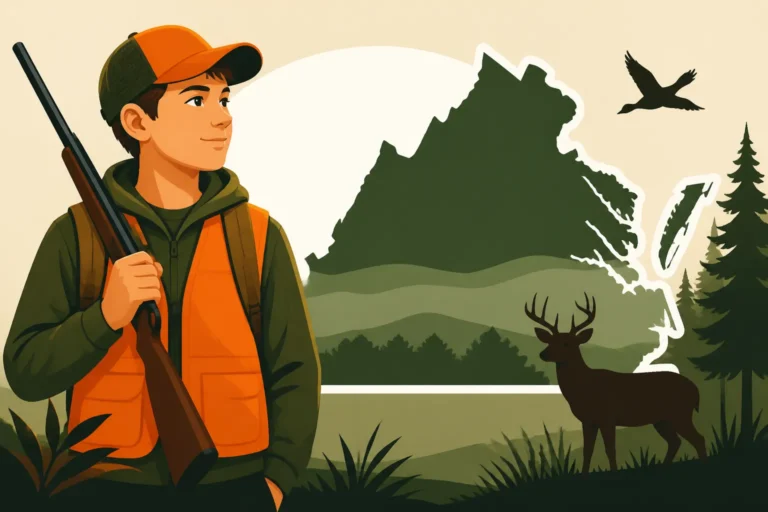
For younger aspiring hunters, it's particularly valuable. A child as young as 12 can obtain an apprentice license and begin hunting under a mentor, provided they follow all other regulations regarding age, weapon type, and species. This is a fantastic way for parents to introduce their children to hunting in a controlled, educational environment without the immediate pressure of a classroom setting. It allows for a more natural progression of learning, especially for those who might benefit from hands-on experience before a formal course. Even if you're an adult who's just now finding an interest in hunting, perhaps inspired by a friend or family member, this license removes the initial barrier of the classroom, allowing you to get directly into the experience. You can easily purchase these licenses through the Virginia DWR website or authorized license agents. Remember, the core requirement is simply that you haven't yet completed a hunter education course.
The Crucial Role of Your Mentor
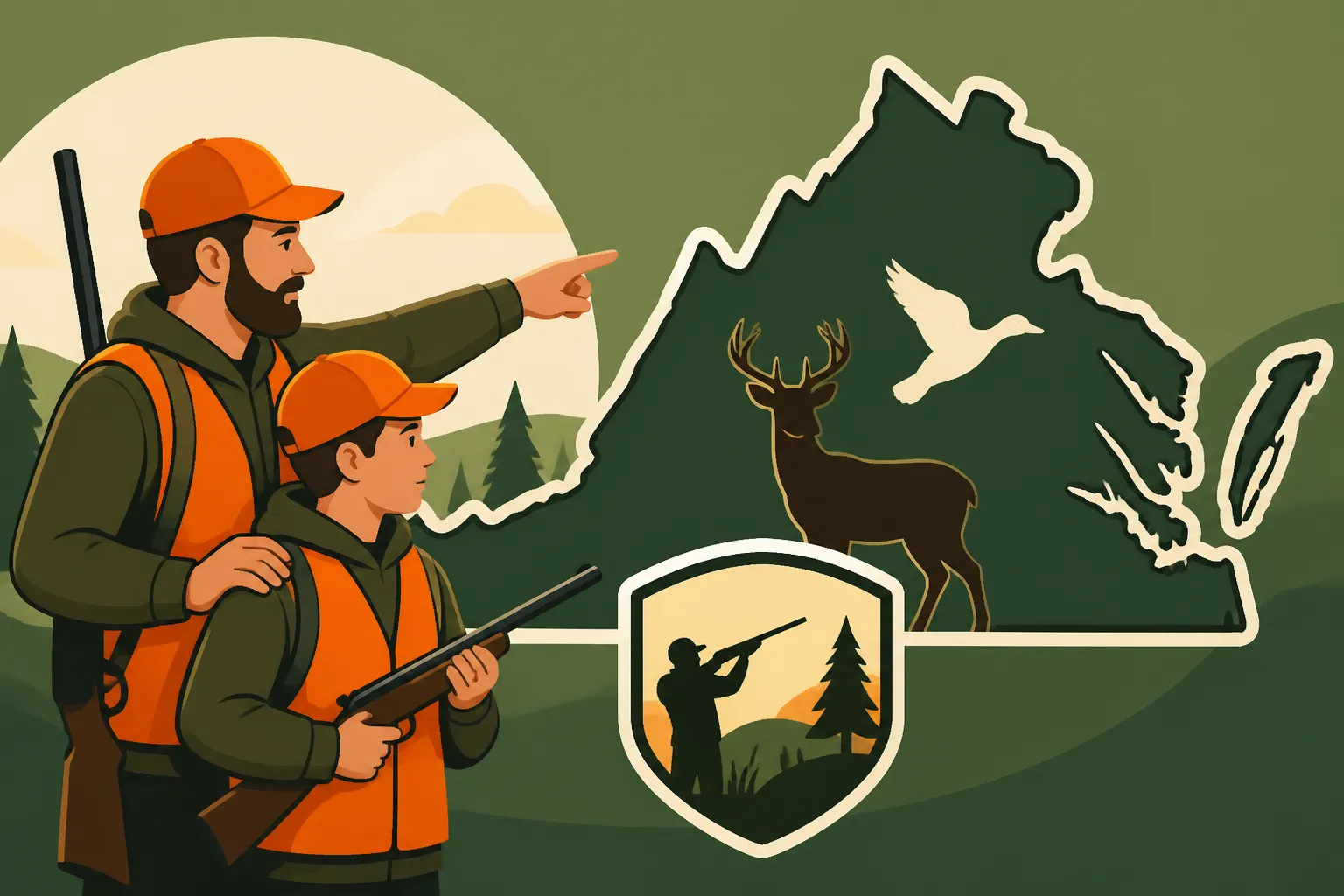
While the apprentice license opens the door, the mentor is the key that unlocks the experience. The DWR takes the mentor's role very seriously, and for good reason—they are directly responsible for the safety and actions of the apprentice. So, who can be a mentor? A mentor must meet specific criteria: they must be at least 18 years old, possess a valid Virginia hunting license for the current season, and, critically, they must have successfully completed a DWR-approved hunter education course. This ensures that the person guiding you is not only experienced but also formally trained in hunter safety and ethics.
The mentor's responsibilities are extensive. They must maintain direct and immediate supervision of the apprentice at all times while hunting. This isn't just about being in the same general area; it means being close enough to immediately communicate instructions, observe the apprentice's actions, and intervene if necessary. Virginia law on How Close a Virginia Mentor Must Stay specifies that the mentor must be within sight and normal voice contact, not more than 25 yards away. Imagine you're in a thick patch of woods; this means you need to be practically shoulder-to-shoulder, constantly aware of each other's presence and actions.
Beyond physical proximity, the mentor is also legally accountable for any violations committed by the apprentice. This puts a significant onus on the mentor to ensure the apprentice understands and adheres to all hunting laws, including bag limits, season dates, and firearm safety. They are your primary source of knowledge on ethical hunting practices, wildlife identification, and safe firearm handling. A good mentor will patiently explain everything from how to read a track to proper shot placement, and even how to effectively use tools like GoHunt for scouting and understanding public land boundaries. This guidance is essential not only for safety but for fostering a responsible and ethical hunter. Without a dedicated, qualified mentor, the apprentice license is essentially invalid.
Obtaining and Utilizing Your Apprentice License in the Field
Once you've identified a mentor and understand the basic framework, the next step is getting your license and heading into the woods. The process is straightforward, but adhering to all rules, especially regarding field conduct, is paramount for a safe and successful experience.
Purchasing Your License and What to Carry
Getting your Apprentice Hunter License is relatively easy. You can purchase it online directly through the Go Outdoors Virginia portal, which many hunters find convenient. Alternatively, you can visit any authorized license agent across the Commonwealth, like your local sporting goods store or even some county clerk's offices. The cost is typically the same as a regular hunting license. When purchasing, you won't be asked to provide proof of hunter education, as the license itself is predicated on not having it yet.
Once purchased, you'll need to make sure you carry proof of your license while in the field. This could be a physical copy printed from the DWR website, a digital version on your phone, or the plastic card you might receive by mail. It's always a good idea to have multiple forms of proof if possible, especially when considering situations like a dead phone battery in the middle of nowhere. For those who rely on digital copies, understanding the nuances of Carrying Proof of License on Your Phone can prevent a lot of headaches if a game warden asks to see your credentials. Your mentor will also need to have their valid Virginia hunting license and hunter education card with them at all times. Think of it as a joint responsibility – both parties must be compliant for the apprentice license to be valid.
Practical Field Guidelines and Safety
Hitting the woods with your apprentice license is where the real learning begins. Your mentor will be your constant guide, but there are some universal guidelines to keep in mind. First and foremost is safety. Always treat every firearm as if it's loaded, keep the muzzle pointed in a safe direction, keep your finger off the trigger until you're ready to shoot, and be sure of your target and what's beyond it. These are the foundations of hunter safety, and your mentor will reinforce them constantly. Virginia also has specific Virginia Blaze Orange Requirements that apply to most seasons when using firearms, requiring you and your mentor to wear a certain amount of visible orange or pink. This is non-negotiable for safety, especially on public lands during crowded seasons.
When you're out there, pay close attention to your mentor. They'll teach you things that no textbook ever could: how to identify legal game, how to move quietly through the woods, how to interpret tracks and signs, and even ethical considerations like shot placement and recovering game. They'll also instruct you on legal equipment, such as Virginia Legal Firearms for Deer Hunting, ensuring you're using appropriate and lawful gear. This hands-on experience in calling a turkey, waiting patiently in a deer stand, or tracking game through varied terrain is invaluable. Utilize tools like the DWR website or even robust hunting apps like GoHunt to understand maps, property lines, and specific regulations for the area you're hunting. It's an immersive experience that deepens your connection to the outdoors and the animals you pursue.
Transitioning to a Full Hunter Education Certification
While the Apprentice Hunter License is a fantastic entryway, it's not meant to be a permanent solution. It’s designed to provide an opportunity to try hunting and gain experience before committing to the full hunter education course. The DWR strongly encourages all apprentice hunters to complete their hunter education certification when they feel ready.
Think of it as the next logical step in your hunting journey. Once you've had a few successful (or even just educational) outings with your mentor, you'll likely have a much better understanding of what hunter education entails and why it's so important. The course covers crucial topics like firearm safety, ethical hunting practices, wildlife identification, basic survival skills, and game laws in much greater depth than can be conveyed in casual field instruction. When you complete the course, you’ll earn a hunter education certificate, which then allows you to purchase a regular Virginia hunting license and hunt independently (assuming you meet age requirements for unsupervised hunting). This freedom to hunt alone, or to mentor future apprentices yourself someday, is the ultimate goal. The Virginia DWR offers a variety of hunter education options, including online courses combined with field days, or entirely in-person classes, making it convenient for different schedules. Don't put it off too long – that full certification is your ticket to full hunting independence.
Maximizing Your Apprentice Experience and Future Steps
The Apprentice Hunter License offers a unique chance to dive headfirst into the hunting lifestyle. It's an opportunity to learn not just the mechanics of hunting, but the deeper ethos of conservation, patience, and respect for wildlife. Making the most of this period will set you up for a fulfilling future in the outdoors.
Gaining Hands-On Experience Safely
The true value of the apprentice program lies in the real-world scenarios it provides. There's a massive difference between reading about tracking a deer and actually doing it with an experienced hunter. Your mentor will teach you to observe subtle signs: a fresh rub, a disturbed feeding area, or the distinct track of a whitetail. This can be especially important in understanding different types of habitat, whether you're hunting in the mountains or the Piedmont. They'll guide you through the process of Field Dressing a Deer in Cold Weather, explaining why quick, clean work is essential for meat care, or how to call a gobbler off the roost in the spring.
Beyond the actual act of hunting, your mentor will also expose you to the broader world of outdoor ethics and conservation. You'll learn about habitat management, the importance of accurate game reporting, and how hunting contributes to wildlife population control and funding for conservation efforts through license sales. This mentorship can be incredibly validating, turning potential frustrations about complex regulations or unfamiliar gear into manageable learning opportunities. Many hunters find that resources like GoHunt offer excellent digital mapping tools that, when used with a mentor, can help you visualize terrain, identify potential game travel corridors, and even understand property boundaries, further enhancing your field experience.
Planning for Your Next Steps as a Hunter
Once you’ve had a few seasons under your belt with your apprentice license, you’ll likely feel a stronger pull towards becoming a fully certified hunter. The next logical step is to enroll in and complete a DWR-approved hunter education course. This is the official path to obtaining a standard Virginia hunting license, which will allow you to hunt without direct supervision. Information on Virginia Hunter Education Requirements is readily available through the DWR website and outlines the various course formats, from online options with field days to traditional classroom settings.
As you plan for your hunter education, consider what species and methods you enjoyed most during your apprenticeship. Did you find yourself drawn to the strategic quiet of Bowhunting Virginia's Statewide Archery Season, or the camaraderie of Virginia's General Firearms Deer Season? Thinking about these preferences can help guide your continued learning. Once you're certified, you'll want to dive deeper into Virginia's specific regulations, from understanding the full Virginia Deer Season Structure Explained to the various Virginia Public Land Hunting Hours. Continue using valuable resources like GoHunt, which can provide detailed maps and data that become even more useful once you're navigating the woods independently. Remember, the apprentice license is just the beginning of a lifelong learning adventure in the great outdoors.
Understanding State Regulations Beyond the Basics
Even as an apprentice, getting a feel for the broader regulatory landscape is crucial. Your mentor will cover the immediate rules, but familiarizing yourself with general state laws will make you a more informed hunter when you do get your full license. For instance, knowing the difference between deer bag limits East and West of the Blue Ridge, or understanding Virginia Sunday Hunting Rules, are details you'll pick up over time. These broader regulations affect everything from when and where you can hunt to what species you can pursue.
It’s also important to consider the context of your hunting. If you're utilizing public lands, you'll encounter specific rules regarding things like Treestand Setups in George Washington National Forest or Using a Ground Blind on Virginia Public Land. Your mentor can provide immediate guidance, but cultivating a habit of researching these details yourself will serve you well. The DWR website is an invaluable resource, providing detailed digests of all hunting and trapping regulations. Learning these nuances throughout your apprenticeship not only enhances your experience but prepares you for independent hunting, where understanding these rules will be solely your responsibility. It's all part of becoming a responsible and knowledgeable Virginia hunter.
| Feature | Apprentice Hunter License | Full Hunter License (after Hunter Education) |
|---|---|---|
| Hunter Education | Not required before purchase | Required before purchase (with limited exceptions) |
| Supervision | Mandatory direct supervision by a qualified mentor | Can hunt unsupervised (unless youth-specific rules apply) |
| Mentor Requirements | Mentor must be 18+, hunter-ed certified, and licensed | No mentor required |
| Eligibility | Any age, resident/non-resident, no prior hunter-ed | Any age, resident/non-resident, completed hunter-ed |
| Purpose | Introductory pathway to hunting, hands-on learning | Full hunting privileges, demonstrating competence |
| Duration | One license year (must be renewed annually) | Valid for duration of chosen license package (e.g., 1-year) |
Disclaimer
The information provided in this guide is for general informational purposes only and is not intended as legal advice. Hunting regulations in Virginia can change, and it is the hunter's responsibility to consult the most current Virginia Department of Wildlife Resources (DWR) regulations manual or website before engaging in any hunting activities. Always prioritize safety and ethical hunting practices.