Virginia General Firearms Opening Day
Opening day of Virginia's general firearms deer season often feels like a highly anticipated yet chaotic event, where the woods suddenly fill with eager hunters and deer patterns shift overnight. It's frustrating to spend months scouting and planning, only to face unexpected crowds or seemingly empty woods when the big day finally arrives. This guide aims to demystify Virginia's general firearms opening day, providing you with a comprehensive understanding of the regulations, regional nuances, and tactical approaches to make your experience as productive and enjoyable as possible.
The Annual Rite of Virginia's General Firearms Opening Day
For many in Virginia, the second Saturday in November marks a cherished annual tradition, the official kickoff of the general firearms deer season. This day brings a unique blend of excitement, anticipation, and, let's be honest, a fair bit of pressure. It's when a significant portion of the hunting community takes to the woods, transforming once-solitary scouting spots into bustling activity zones. Understanding the sheer volume of hunters and the corresponding changes in deer behavior is paramount to success.
Why Opening Day Draws the Crowds
There’s a palpable energy that builds up to Virginia's general firearms opening day, and for good reason. For many, it's the first opportunity of the season to hunt with a rifle, offering different shot ranges and dynamics compared to archery or muzzleloader hunting. This shift often allows hunters to cover more ground or take shots at distances that were previously out of reach. Plus, it's a social event, a time for friends and family to gather at hunting camps, share stories, and create new memories. The combination of tradition, the effectiveness of firearms, and the social aspect makes this day a magnet for hunters. It's a day when many hope to fill their tags early, taking advantage of deer that haven't yet become fully nocturnal or pressured. If you've ever found yourself wondering Why Virginia's Gun Opener Draws the Biggest Crowds, you'll understand it's a deep-rooted cultural event.
Anticipating Deer Behavior Changes
One of the biggest challenges on opening day is the drastic change in deer behavior. Those patterns you painstakingly identified during your Scouting Virginia Public Land Before Season efforts might go out the window once the woods fill with hunters. Deer that were routinely feeding in a particular field or traversing a specific trail will quickly adapt to the increased pressure. They'll often become more nocturnal, move into thicker cover, or completely change their travel routes. Expect deer to gravitate towards dense bedding areas, security cover, and remote corners of properties that see less human disturbance. This means your perfectly placed treestand overlooking a food plot might be less productive if deer are moving entirely differently. Be prepared for a dynamic environment where adaptation is key.
Navigating the Official Dates and Regional Specifics
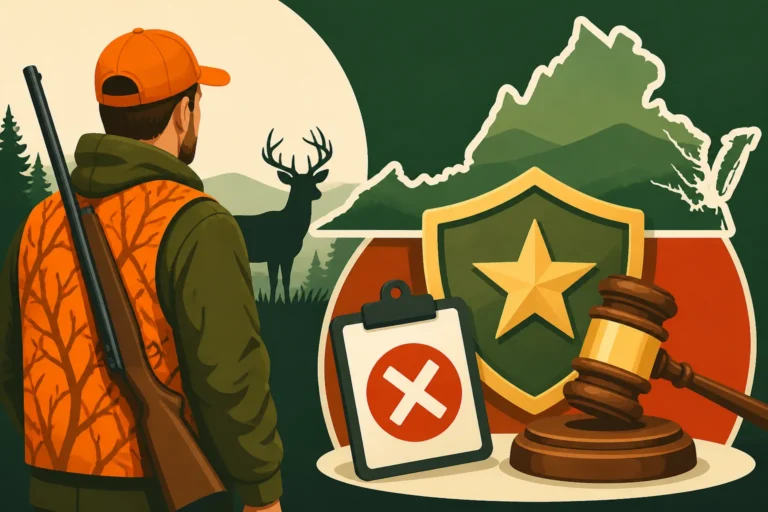
While there's a general statewide consensus on when Virginia's general firearms season opens, the Old Dominion state has a knack for regional differences and specific regulations that can sometimes trip up even experienced hunters. It's crucial to be intimately familiar with the exact dates and any county-specific rules that apply to your chosen hunting grounds.
Statewide Opening Dates and Duration
Virginia's general firearms deer season typically kicks off on the second Saturday in November. This year, it falls on Virginia General Firearms Opening Day – mark your calendars! The season then usually runs through the first Saturday in January. However, this is where the "general" part comes with caveats. While the statewide framework is consistent, certain counties or specific hunting areas, especially those designated as urban archery zones or disease management areas, might have slightly different end dates or special regulations. It's never enough to just know the statewide opener; you need to dig into the specifics for your particular county. The Virginia Department of Wildlife Resources (DWR) provides detailed season dates and regulations on their website, and apps like GoHunt are invaluable for quick, on-the-go checks. Understanding the overall Virginia Deer Season Structure Explained is critical to piecing together all these dates.
Understanding Regional and County Variations
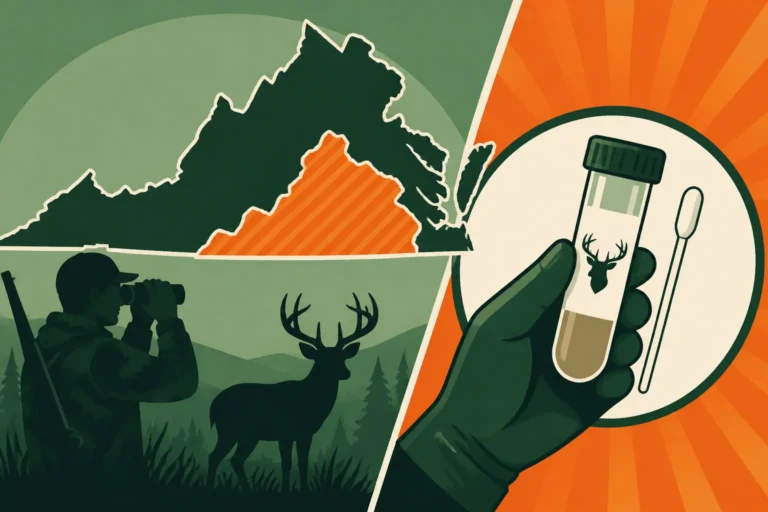
Virginia is geographically diverse, and its hunting regulations reflect that. The most significant division is often between areas East Versus West of the Blue Ridge Bag Limits. For example, antlered buck limits can differ considerably depending on which side of the Blue Ridge Mountains you're hunting. Beyond that, individual counties can have their own nuances regarding antlerless deer days, Sunday hunting restrictions on private land, or even the types of firearms permitted in certain suburban zones.
Consider this table for a general overview, but always verify with the DWR for your specific location:
| Feature | East of Blue Ridge (General) | West of Blue Ridge (General) | Notes |
|---|---|---|---|
| Opening Day | Second Saturday in November | Second Saturday in November | Statewide consistency |
| Season Length | ~8 weeks (into January) | ~8 weeks (into January) | Varies slightly by county, always check |
| Antlered Buck Limit | Typically 3 per year | Typically 2 per year | Some counties have antler point restrictions or bonus tags |
| Antlerless Deer | More liberal seasons | More restricted seasons | Often tied to population management goals |
| Sunday Hunting | Permitted on Private Land | Permitted on Private Land | Strict rules apply (no hunting within 200 yards of church, no hunting with dogs) |
| Archery-Only Areas | Common in urban/suburban areas | Less common | Check specific county ordinances |
Note: This table provides a simplified overview. Regulations are subject to change. Always consult the current Virginia DWR regulations before hunting.
Some counties, particularly those adjacent to metropolitan areas, might even have specific "urban archery-only" zones where firearms are prohibited, even during the general firearms season. Others might have limitations on rifle caliber or mandate shotguns with slugs in certain areas due to population density. Don't assume; verify. A quick check on the DWR website or using a mapping application with regulation overlays, like GoHunt, can save you a lot of headaches – and potentially a costly citation. This level of detail is critical when planning for Virginia General Firearms Deer Season.
Strategic Approaches for Opening Day Success
With the increased hunting pressure and altered deer behavior, a successful opening day isn't just about showing up. It requires thoughtful strategy, a willingness to adapt, and often, a bit of grit to outsmart wary whitetails.
Escaping the Crowds on Public Land
Public land can be a fantastic resource, but on opening day, it can feel like Grand Central Station. To increase your odds, you need to think beyond the obvious. Most hunters will stop within a quarter to half-mile of parking areas or main trails. Your advantage often lies in going deeper, pushing further into areas that are harder to access. This might mean tackling a steep climb, crossing a creek, or navigating dense briar patches. Deer, especially mature bucks, are experts at finding these overlooked pockets of security. Consider looking at aerial maps to identify remote benches, steep draws, or deep hollows that are a pain to get to. These are the places where deer will seek refuge from the orange army. Sometimes, simply walking past the first ridge or two can make all the difference, putting you in deer habitat that sees significantly less pressure. For more ideas on how to navigate the influx of hunters, consider tactics like those discussed in Opening Weekend Tactics for General Firearms Season.
Adapting to Deer Movement and Pressure
On opening day, deer aren't moving based on natural patterns; they're reacting to pressure. This means traditional morning and evening stand locations might not be as productive. Instead, focus on pinch points, funnels, and escape routes between bedding and feeding areas. If deer are being pushed from one block of timber to another, they'll often use the path of least resistance, which could be a narrow saddle, a creek bottom, or a hedgerow. Consider setting up on the downwind side of known bedding areas, anticipating deer being bumped out. Mid-day movement can be particularly strong as deer are constantly being shifted around. Don't be afraid to try still-hunting or slow-stalking through thick cover, especially during the middle of the day. This can be challenging, but it can pay off by catching a pressured deer on the move. Remember to always wear your Virginia Blaze Orange Requirements to ensure visibility and safety, especially when moving.
Utilizing Weather and Topography
Weather conditions on opening day can significantly influence deer movement and your hunting strategy. A cold front bringing crisp air can stimulate deer movement and make them more active, especially if it's accompanied by a strong wind that can mask your approach. Conversely, warm, still weather might mean deer are hunkered down, requiring you to hunt slower and target dense cover. Topography also plays a huge role. In the mountains, deer will often traverse benches and ridges to avoid going into the bottoms where hunters are more likely to be. They'll also use thermal currents to their advantage, especially in the mornings and evenings. Pay attention to how the wind and thermals interact with the terrain in your hunting spot. Using tools like the GoHunt app or specialized mapping software can help you visualize contour lines and anticipate wind patterns, giving you a critical edge in predicting deer movement.
Beyond the Initial Rush: Sustaining Your Hunt
While opening day gets all the fanfare, the general firearms season stretches for weeks, offering ample opportunity for success even after the initial rush subsides. Smart hunters know how to adapt their strategies for the later parts of the season.
Post-Opening Day Strategies
Once opening day is over and the initial wave of hunters disperses, deer often settle back into more predictable patterns, albeit with a heightened sense of caution. The woods become quieter, and deer may return to their pre-season routines, albeit in thicker cover. This is when your careful scouting pays off, allowing you to target those less pressured areas. Look for renewed sign, fresh tracks, and subtle changes in travel routes. Consider hunting food sources that are still available, like late-season acorns, standing corn, or planted food plots. As the season progresses into late November and December, the rut can also kick into high gear, offering new opportunities for encounter. Knowing Hunting the Virginia Rut in November can give you an advantage, as bucks become more focused on does and less cautious.
The Importance of Persistence and Adaptability
Deer hunting, especially in Virginia's diverse landscapes, is rarely a one-size-fits-all endeavor. Success throughout the general firearms season, and particularly on opening day, hinges on persistence and a willingness to adapt your plans. If your morning spot isn't producing, don't be afraid to move. If deer aren't using the food plot, check the thickets nearby. If the initial pressure has them locked down, try a mid-day still-hunt. Each day, each hunt, presents new information. Pay attention to fresh sign, recent tracks, and the movements of other animals. Use every piece of intel to inform your next move. Hunting is a continuous learning process, and the most successful hunters are those who can learn and adjust on the fly, regardless of the challenges opening day throws their way.
Disclaimer
The information provided in this guide is for general informational purposes only and is not a substitute for official Virginia Department of Wildlife Resources (DWR) regulations. Hunting laws and seasons can change, and it is the hunter's responsibility to review and comply with all current DWR regulations before participating in any hunting activity. Always prioritize safety and ethical hunting practices.