Virginia Annual Bear Bag Limit
Trying to keep up with Virginia's bear hunting regulations can feel like navigating a dense, fog-filled mountain hollow. Just when you think you've got a handle on the season dates, bag limits, and specific county rules, something shifts. It's frustrating when you're dedicated to ethical hunting and want to ensure you're always operating within the law. This comprehensive guide is here to untangle the complexities of the Virginia annual bear bag limit, ensuring you're fully prepared and confident for your next bear hunt, no matter where you plan to pursue them in the Commonwealth.
The Virginia Annual Bear Bag Limit Explained
Understanding the annual bear bag limit in Virginia is foundational for any hunter planning to pursue these magnificent animals. It's not just a number; it's a critical component of the state's wildlife management strategy, designed to maintain a healthy and sustainable black bear population. Virginia's bear population has seen remarkable growth over the decades, necessitating careful regulation to balance hunting opportunities with ecological needs.
The Statewide Rule for Bear Harvest
The Virginia Department of Wildlife Resources (DWR) sets a clear statewide annual bear bag limit: one bear per hunter per license year. This limit is absolute, regardless of how many different bear seasons a hunter participates in (archery, muzzleloader, or firearms). What this means in practice is that once you successfully harvest a bear, your bear tag for that license year is fulfilled, and you cannot harvest another bear until the next license year begins. This straightforward rule aims to simplify compliance while ensuring responsible harvest levels across the state. It's a key piece of information you'll want to keep in mind, whether you're stalking the ridges of the Blue Ridge Mountains or hunting the deeper woods of the Piedmont.
Historical Context and Population Management
Virginia's black bear population has experienced a significant comeback, a true wildlife success story. Decades ago, bears were largely confined to the mountainous western regions of the state and some remote swampy areas in the east. Through proactive management, habitat restoration, and regulated hunting, their numbers have burgeoned, and their range has expanded dramatically. Today, bears are found in nearly every county, even venturing into suburban fringes.
This expansion, while celebrated, also presents management challenges. The "one bear per license year" limit, coupled with specific season dates and regional adjustments, is a direct response to this success. It allows DWR biologists to monitor harvest data closely, assess population health, and make informed decisions to ensure the long-term viability of the species. Without such limits, over-harvesting in localized areas could quickly deplete populations, undoing years of conservation effort. When you consider the history, you realize that this seemingly simple rule is part of a much larger, very effective conservation strategy. For more details on the species itself, you might find our article on Virginia's Black Bear Population enlightening.
Navigating Regional Variations and Special Seasons
While the statewide annual bear bag limit is one bear, Virginia's bear hunting opportunities aren't uniform across the entire Commonwealth. The DWR implements specific regional variations and special season adjustments, primarily driven by localized population dynamics, disease management concerns like mange, and historical hunting traditions. Understanding these nuances is crucial, as they can significantly impact when and where you can hunt.
Impact of Mange on Bear Seasons
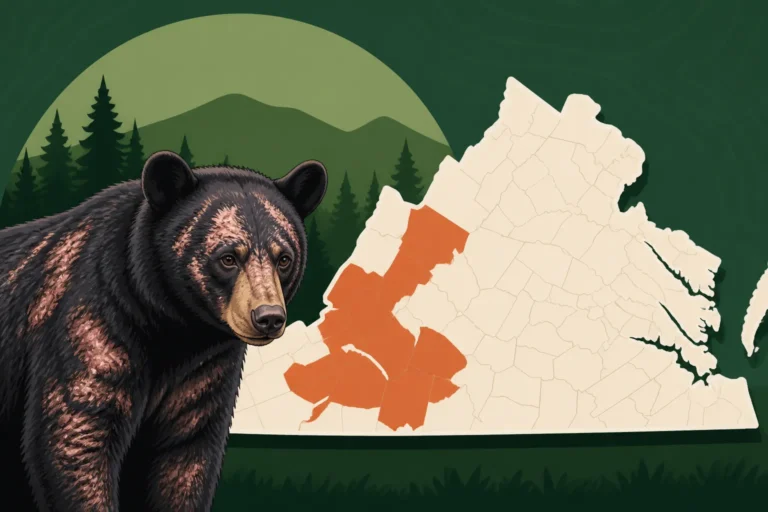
One of the most pressing issues affecting Virginia's black bear population in recent years has been Sarcoptic mange. This parasitic skin disease, caused by mites, can severely impact bears, leading to hair loss, skin infections, and in extreme cases, death. To combat the spread and mitigate its impact on bear health, the DWR has implemented adjusted seasons in specific counties. For instance, approximately two dozen counties, primarily in the northern and central Piedmont and some mountain areas, have seen their bear seasons modified or reduced. These changes might include later opening dates, shorter seasons, or even temporary closures in particularly hard-hit areas. The goal is to reduce stress on local bear populations, allowing those affected by mange a better chance to recover. It's always essential to check the current DWR regulations for specific county details before planning your hunt, especially if you're targeting areas known to have mange prevalence. Our piece on How Mange Affects Virginia's Bear Population provides a deeper dive into this important issue.
Southwest Early Season Adjustments
Beyond mange-affected areas, Southwest Virginia has its own set of unique regulations, particularly concerning early bear seasons. Historically, many counties in this mountainous region have had earlier firearms bear seasons. However, in certain years, and in specific zones, some of these early seasons have been closed or significantly reduced. For example, nine counties in the far southwest lost their early bear season at one point, with later opening dates aligning more with the statewide general firearms season. These adjustments are often made based on localized population assessments and harvest data, aiming to manage hunting pressure and ensure a stable bear population within those specific ranges. These dynamic rules emphasize the importance of using resources like the DWR website or a mapping tool with updated regulations, such as GoHunt's comprehensive platform, to pinpoint exact dates for your target hunting grounds.
Why These Regulations Matter for Hunters
For you, the hunter, these regional regulations aren't just bureaucratic details; they are vital information that directly impacts your hunting strategy and success. Heading into a county with a reduced season or a specific closure without knowing it could lead to disappointment, or worse, a violation. Imagine driving hours to a favored spot only to realize the season doesn't open for another week or that early muzzleloader hunting isn't permitted there this year.
Staying informed means checking the DWR hunting digest every single year, as regulations can and do change. It also means understanding the "why" behind these rules. When you grasp that these adjustments are made to manage disease or ensure healthy bear numbers, you become a more responsible and ethical hunter. It empowers you to make better decisions about where and when to hunt, ensuring you're contributing to conservation efforts rather than inadvertently hindering them. This might include adjusting your plans to focus on different zones, or exploring areas where seasons are more robust. Consider reading up on Virginia Bear Season Rules for an overarching view of the regulatory framework.
Here's a simplified table illustrating potential variations, though always verify with the current DWR digest for precise dates and counties:
| Region/Category | Annual Bag Limit | Typical Season Structure | Special Considerations |
|---|---|---|---|
| Statewide | 1 Bear | Archery, Muzzleloader, Firearms | Overall limit, but dates vary. |
| Mange-Affected Counties | 1 Bear | Often Reduced/Delayed | Check specific DWR updates for affected counties and dates. |
| Southwest Early Zone | 1 Bear | Varies | Historically unique early seasons; subject to closure/delay. |
| General Mountains | 1 Bear | Standard Dates | High population areas, often longer seasons. |
| Piedmont | 1 Bear | Standard Dates | Growing populations, varying pressure. |
Checking and Reporting Your Bear
Harvesting a bear in Virginia is an exciting accomplishment, but the hunt isn't truly over until you've fulfilled the mandatory checking and reporting requirements. This isn't just a formality; it's a critical step in the DWR's efforts to gather essential data for effective wildlife management. Your accurate and timely report directly contributes to understanding population trends, harvest rates, and the overall health of Virginia's black bear population.
Mandatory Checking Procedures
In Virginia, all harvested bears, like deer and turkeys, must be reported to the DWR within 24 hours of being killed. This is a non-negotiable rule, and failure to comply can result in penalties. The primary method for checking your bear is through the DWR's electronic reporting system. This system allows you to report your harvest quickly and efficiently, whether you're at home, at deer camp, or even in the field with good cell service.
When you report your bear, you'll need to provide specific information, including:
- Your DWR customer ID.
- The county where the bear was harvested.
- The date of harvest.
- The sex of the bear.
- The method of take (archery, muzzleloader, firearms).
- Additional details such as estimated weight or age class might also be requested for biological purposes, though the core information is mandatory.
The DWR doesn't always require physical check stations anymore, but their electronic system is robust. After reporting, you'll receive a confirmation number. It's crucial to retain this number as proof of compliance. This system streamlines the process for hunters while providing biologists with near real-time data, which is invaluable. For more on this process, check out our guide on Virginia Bear Checking Requirements.
Using the DWR Go Outdoors System
The Virginia DWR's "Go Outdoors Virginia" platform is your central hub for all things related to licenses, permits, and harvest reporting. This online system is designed to be user-friendly, allowing hunters to manage their accounts from anywhere. When you harvest a bear, you can log into your Go Outdoors Virginia account via their website or the official DWR mobile app. This app is incredibly handy, especially if you're hunting in areas with spotty internet. You can usually record the harvest information and it will sync once you regain service.
The process typically involves:
- Logging into your account.
- Selecting the "Report a Harvest" option.
- Choosing "Bear" as the species.
- Filling in the required fields accurately.
- Submitting the report and saving your confirmation number.
This modern approach ensures that vital data from Virginia Bear Harvest Trends can be collected effectively. Many hunters find using the DWR app, sometimes complemented by advanced mapping tools like those offered by GoHunt, to be seamless. GoHunt also offers robust tools for scouting and mapping, which can complement the DWR app for tracking your hunting activities and making sure you’re in compliance with local regulations. Being proficient with this system not only saves you time but ensures that your ethical hunting practices contribute positively to conservation efforts across the Commonwealth. Our guide on Scouting With the Virginia DWR App can further assist you with its functionalities.
Planning Your Bear Hunt Around the Limit
Successfully harvesting a bear within Virginia's annual bag limit requires more than just knowing the rules; it demands thoughtful planning, strategic hunting, and a deep commitment to ethical practices. Hunters have a significant role to play in the sustainable management of Virginia's thriving bear population.
Strategic Harvest Considerations
Given the one-bear annual limit, making a strategic decision about which bear to harvest becomes a key part of your hunt. This isn't about passing up a legal bear, but rather about being prepared to make an informed choice if presented with multiple opportunities. Many experienced bear hunters in Virginia will tell you that patience is paramount. If you're hunting during the early archery or muzzleloader seasons, you might encounter a sow with cubs. While harvesting a sow might be legal in many areas (unless specifically prohibited by DWR), some hunters choose to pass on a family group, opting for a solitary boar or a mature sow without dependent young.
This consideration isn't just about ethics; it's about maximizing your hunting experience. If you take the first legal bear you see on opening day, your bear season is effectively over. For some, that's perfectly fine. For others, holding out for a larger, more mature bear, or a bear that aligns with their personal hunting goals, adds another layer of challenge and reward. This is where detailed scouting and understanding local bear movements, often aided by tools like the DWR app or features from GoHunt, really come into play. Knowing Where Mountain and Piedmont Bears Range can help you focus your efforts for a strategic harvest.
Ethical Hunting Practices Beyond the Limit
Beyond merely adhering to the one-bear limit, ethical hunting encompasses a broader set of responsibilities. This includes ensuring a quick, clean kill, being prepared for tracking and recovery, and proper meat care.
Shot Placement: The size and resilience of a black bear necessitate precise shot placement. Hunters should practice extensively with their chosen weapon—whether it's a rifle, muzzleloader, or bow—to ensure they can make a lethal shot under hunting conditions. Aim for the vital organs to minimize suffering and facilitate a quick recovery. Our article on Shot Placement on a Virginia Black Bear offers valuable insights here.
Tracking and Recovery: Bears can travel significant distances after being hit, even with a well-placed shot. Hunters should be prepared for extensive tracking, potentially through thick brush or challenging mountain terrain. This means having appropriate gear, like a reliable headlamp, a good tracking knife, and the patience to follow a blood trail, even if it's sparse. Knowing how to properly Blood Trailing After Dark in Virginia can be crucial. If you're hunting in a group, coordinating a recovery effort is much easier.
Meat Care: A harvested bear provides a substantial amount of meat, and proper care is essential, especially during warmer early seasons. Field dressing promptly, cooling the carcass as quickly as possible, and processing the meat correctly ensures the best quality table fare. Many hunters use game bags and plenty of ice to cool the meat, particularly if they are far from a processor or a cold storage facility. Our guide on Handling a Bear After the Shot walks you through these vital post-harvest steps.
By integrating these strategic and ethical considerations into your bear hunting plans, you not only ensure compliance with Virginia's annual bag limit but also uphold the highest standards of responsible hunting, contributing to the continued success of bear conservation in the Commonwealth.
Disclaimer
The information provided in this guide is for general informational purposes only and is not a substitute for the official regulations published by the Virginia Department of Wildlife Resources (DWR). Hunting regulations, season dates, and bag limits can change annually and by locality. Always consult the most current Virginia DWR Hunting & Trapping Regulations digest before planning any hunting trip to ensure compliance with all applicable laws.