How Many Bucks the Eastern Region Allows
It's easy to get tangled up in Virginia's deer hunting regulations, especially when you're trying to figure out how many bucks you can actually harvest. That whole "East vs. West of the Blue Ridge" thing can feel like deciphering a secret code, and nobody wants to mess up their season by misunderstanding the rules. This guide is going to walk you through exactly what the buck limits are for Virginia's Eastern Region, helping you understand the specifics so you can hunt with confidence and clarity all season long.
The Core Rule: Virginia's Eastern Region Buck Limit Explained
Let's cut right to the chase because this is usually the most pressing question. For hunters pursuing deer in Virginia's Eastern Deer Management Region, the rule is straightforward: you are allowed to harvest two antlered deer per license year. Now, there's a crucial caveat to that second buck, which we'll dive into shortly, but the overall number is two. This is distinct from the Western Region, and understanding this geographical divide is the first step in making sure you’re always hunting legally.
Understanding the East-West Divide
Virginia, in its wisdom, recognized that deer populations and habitats vary drastically across the state. The Blue Ridge Mountains serve as the primary geographical demarcation line for these deer management regions. Everything east of the Blue Ridge Mountains falls into the Eastern Deer Management Region. This encompasses a vast and diverse landscape, from the rolling hills and agricultural fields of the Piedmont to the dense forests and coastal plains of the Tidewater and Eastern Shore.
If you're hunting in counties like Fauquier, Louisa, Pittsylvania, or down to Isle of Wight, you're firmly in the Eastern Region. This region boasts a higher overall deer population density compared to the rugged mountain terrain to the west. Because of this, the management strategies, including bag limits, are tailored to the unique ecological and demographic pressures of the eastern landscape. It’s a pragmatic approach to wildlife management that acknowledges the different challenges and opportunities presented by varying habitats and human population densities.
The Specifics: Two Bucks and the Antler Quality Rule
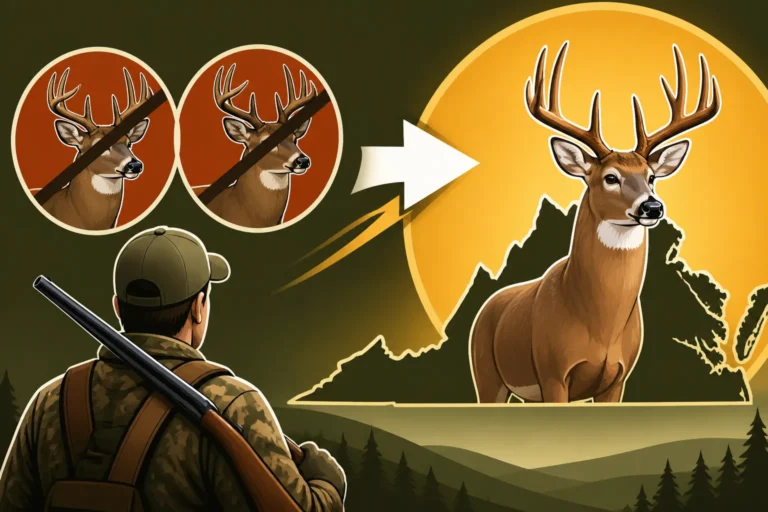
So, you're clear on the two-buck limit for the Eastern Region. But here's where the detail matters: out of those two antlered deer, at least one of them must meet a specific antler quality criterion. This means one of your two harvested bucks needs to have either at least four points on one side, or a main beam spread of 15 inches or greater. The other buck you take can be any antlered deer, commonly referred to as an "any buck."
This antler quality rule is a key component of Virginia's deer management strategy. It's designed to help protect younger, developing bucks by encouraging hunters to pass on smaller-antlered deer. This allows more young bucks to survive another year, contributing to a healthier herd age structure and giving them the chance to grow larger antlers. It doesn't mean you can't shoot a smaller buck, just that if you do, your second buck must then meet those minimum antler requirements. Many hunters will choose to use their "any buck" tag early in the season and hold out for a larger, more mature buck that meets the antler point or spread criteria later on. This nuanced approach allows for flexibility while still working towards broader conservation goals. For a broader overview of how Virginia structures its deer seasons, take a look at our guide on Virginia Deer Season Structure Explained.
Why the Eastern Region Has Different Deer Management Rules
It's natural to wonder why these rules aren't uniform across the entire state. The differences aren't arbitrary; they're based on scientific data, habitat analysis, and long-term deer management goals set by the Virginia Department of Wildlife Resources (DWR). The Eastern Region presents a very different set of challenges and opportunities than the Western Region, necessitating tailored regulations.
Population Density, Habitat, and Food Sources
The Eastern Deer Management Region, especially the Piedmont and Tidewater areas, supports a significantly higher deer population density than the mountainous Western Region. This is due to several factors. First, the eastern landscape is generally less rugged, with more fertile soils, leading to an abundance of agricultural crops like corn, soybeans, and peanuts, alongside vast timberlands and expansive suburban green spaces. These areas provide a rich and consistent food supply throughout the year.
The milder winters in the east also mean less winter mortality and less energy expenditure for deer, contributing to better fawn survival rates and overall herd health. Furthermore, the fragmented nature of land ownership—smaller private parcels, farm woodlots interspersed with fields, and suburban thickets—often provides excellent cover and less hunting pressure in specific pockets, allowing deer populations to thrive. Hunters in the Eastern Region might find themselves glassing a field edge in the Piedmont or still-hunting through river bottoms, very different from the steep climbs of the mountains. Our piece on Why the Piedmont Grows Big Bucks goes into more detail on how these conditions contribute to trophy potential.
Deer Management Goals and Human-Wildlife Conflict
The DWR's management goals for the Eastern Region often focus on balancing a healthy deer population with mitigating human-wildlife conflicts. With higher deer densities and more human development, issues like crop damage for farmers, deer-vehicle collisions on roadways, and landscape destruction in suburban areas become more prevalent. Allowing a higher overall buck harvest, with specific antler restrictions, helps manage the herd's growth while promoting quality deer.
The regulations are a tool to ensure sustainable hunting opportunities while simultaneously addressing societal impacts. For instance, in areas with significant agricultural activity, deer depredation permits might also be issued to landowners, further illustrating the need for adaptable management strategies. The DWR constantly monitors the Virginia Deer Population Estimate through various methods, including harvest data, to make informed decisions about these regulations each year. This is why tools like the GoHunt app are so useful, as they often integrate the latest DWR regulations, helping hunters stay informed while in the field or planning their trips.
Navigating Your Eastern Virginia Deer Season
Understanding the buck limit is just the beginning. Effectively applying this knowledge to your hunting strategy and ensuring you comply with all regulations is key to a successful and enjoyable season.
Planning Your Buck Harvest Strategy
Given the two-buck limit with the antler quality rule, many Eastern Region hunters adopt a strategic approach. It's common for hunters to use their "any buck" tag earlier in the season, perhaps during the Bowhunting Virginia's Statewide Archery Season or early muzzleloader, on a deer that presents a good opportunity for venison. This takes some pressure off and allows them to be more selective later in the season.
The second buck, which must meet the four-points-on-one-side or 15-inch spread criteria, is often pursued during the peak of the rut or later in the Virginia General Firearms Deer Season, when mature bucks are more active and visible. This approach allows hunters to fill their freezer while still holding out for that truly mature deer. It requires patience and good scouting, perhaps using apps like GoHunt to mark potential stand locations or track deer movement patterns. Remember, unlike the Western Region, there's no requirement to harvest an antlerless deer before you can take your second buck in the Eastern Region, which simplifies planning slightly. For comparison, you can read more about How Many Bucks the Western Region Allows to see how different the approach can be.
| Feature | Eastern Deer Management Region | Western Deer Management Region |
|---|---|---|
| Antlered Deer Limit | Two antlered deer per license year | Two antlered deer per license year |
| Antler Quality Rule | One of the two must have >= 4 points on one side OR >= 15" outside spread | One of the two must have >= 4 points on one side OR >= 15" outside spread |
| Antlerless Prerequisite | NONE for second antlered deer | An antlerless deer MUST be taken before a second antlered deer can be harvested |
| Typical Deer Density | Higher | Lower |
| Dominant Habitat | Piedmont, Tidewater, Coastal Plain; Agriculture, fragmented forests, suburban areas | Appalachian Mountains, Ridge and Valley; rugged terrain, dense forests |
| Management Focus | Population control, human-wildlife conflict mitigation, herd health | Herd health, habitat quality, genetic diversity |
Reporting and Compliance in the Eastern Region
Every deer harvested in Virginia, whether antlered or antlerless, must be reported to the DWR. This is not just a formality; it's a critical part of how the DWR collects data to manage the state's deer herd effectively. The information you provide, such as the county of harvest, the date, and whether it was antlered or antlerless, contributes directly to future season setting and regulation adjustments.
You can report your harvest quickly and easily through the Go Outdoors Virginia website, by phone, or most conveniently, through the official DWR mobile app. Make sure you report your deer before transporting it from the place of kill, or at least before processing it or taking it to a taxidermist. Failing to report a deer is a violation of Virginia hunting regulations and can result in penalties. Always double-check your game tags and licenses to ensure everything is in order before you head out. Our detailed guide on Reporting a Deer Through Virginia's App can walk you through the process step-by-step. Remember, staying informed about all regulations, especially those regarding specific Virginia Big Game License Requirements, is crucial for a lawful and enjoyable season.
Considering Special Regulations and CWD Zones
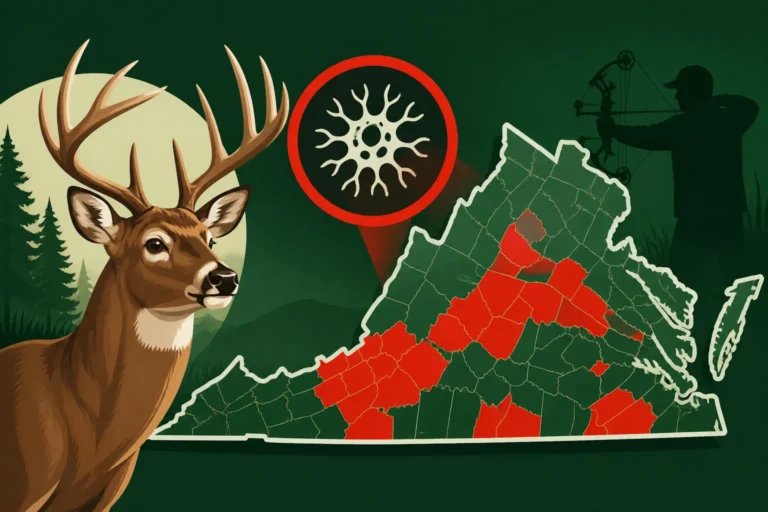
While the two-buck limit for the Eastern Region is consistent, it's always wise to be aware of any localized rules that might apply to your specific hunting area. For example, Virginia has designated Chronic Wasting Disease (CWD) Management Areas, primarily but not exclusively in the western and northern parts of the state. While the main CWD zones are currently west of the Blue Ridge, the footprint does extend into some eastern counties, such as those in the Northern Virginia CWD Management Area (DMA2). If you happen to be hunting in one of these CWD counties, there might be additional rules regarding deer feeding, carcass transportation, or mandatory testing, even if the general buck limit remains the same. You can learn more about Virginia's Eighteen-County CWD Footprint to stay informed about areas with special rules. Always check the current DWR regulations for the specific county you plan to hunt in, as rules can change annually. The GoHunt app can be a great tool for staying up-to-date with these nuanced, county-level details.
Disclaimer
The information provided in this article is for general guidance only and is based on current Virginia Department of Wildlife Resources (DWR) regulations. Hunting laws and regulations can change, and it is the hunter's responsibility to review and comply with all current DWR regulations before participating in any hunting activity. Always consult the official Virginia DWR website or the current Virginia Hunting & Trapping Regulations digest for the most accurate and up-to-date information.