Virginia Youth and Apprentice Turkey Weekend
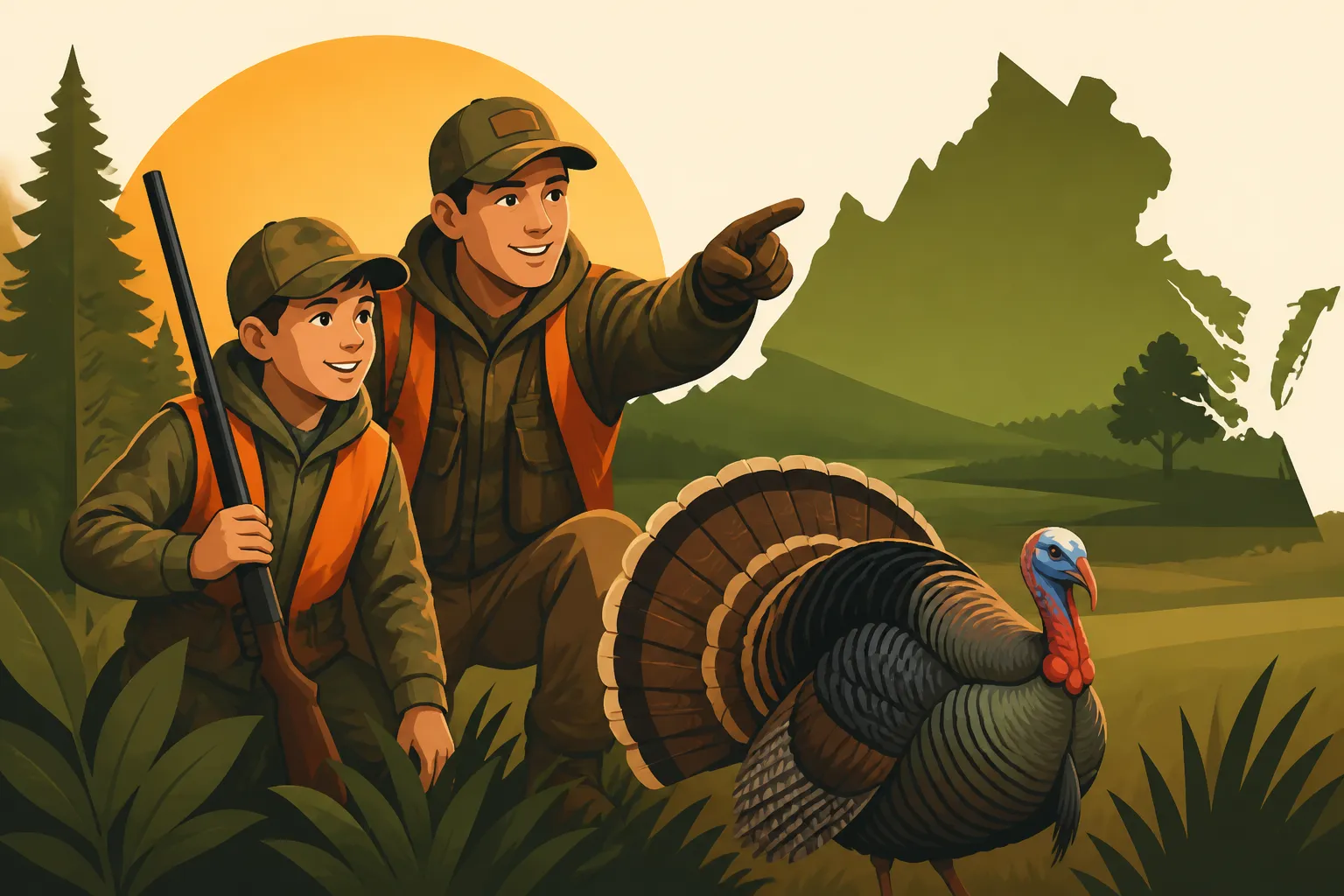
For any seasoned hunter, there's a unique joy in introducing someone new to the woods, especially when it involves the thrilling pursuit of a wild turkey. But let's be honest, trying to teach the ropes during the regular, often crowded, spring season can be overwhelming. The Virginia Youth and Apprentice Turkey Weekend is a shining beacon for exactly this scenario, offering a calmer, focused environment where young and new hunters can truly learn and experience the magic without the usual pressures. This guide will walk you through everything you need to know to make this special weekend a roaring success.
The Heart of the Youth and Apprentice Turkey Weekend
The Virginia Department of Wildlife Resources (DWR) established the Youth and Apprentice Turkey Weekend with a clear purpose: to encourage participation in hunting by providing a dedicated, less competitive opportunity for new generations and those just starting their journey. It's an invaluable tool for mentors, allowing them to focus entirely on education and experience rather than battling other hunters for space.
Defining "Youth" and "Apprentice" for Virginia Hunters
Understanding who qualifies for this special weekend is the first crucial step. The "Youth" designation in Virginia refers to hunters 15 years of age and younger. These young folks are truly the future of our hunting heritage, and this weekend is tailor-made for them to gain confidence and skills under the watchful eye of an experienced mentor. The rules are designed to ensure their safety and provide a meaningful introduction to the sport.
"Apprentice" hunters are another important category, typically defined as those 16 years of age or older who are new to hunting and have purchased an apprentice hunting license. This license allows an individual to hunt for up to two license years without first completing a hunter education course, provided they are accompanied and directly supervised by a licensed, experienced hunter. This is a fantastic pathway for adults who didn't grow up hunting but are keen to learn, offering them the same low-pressure entry point as younger hunters. It means a dad who just discovered hunting through a friend can take his own son, or a new college graduate can learn from a seasoned mentor. The goal here is inclusion and hands-on learning, removing barriers that might otherwise discourage participation.
Pinpointing the Specific Dates and Regional Nuances
The dates for the Virginia Youth and Apprentice Turkey Weekend are usually set for the Saturday immediately preceding the statewide opening of the regular spring turkey season. This pre-season slot is intentional, giving young and apprentice hunters first crack at gobblers before they become heavily pressured. For instance, if the regular statewide spring season is set to open on a given Saturday in April, the youth weekend would typically be the Saturday before that. It’s always critical to double-check the current year's Virginia DWR Hunting & Trapping Regulations digest or their website for the precise dates, as they can shift slightly year to year.
While the primary focus is often on the statewide weekend, it's also worth noting that some local areas or specific public lands might have their own nuanced rules or restrictions that apply. For example, certain military installations or national wildlife refuges may have different access protocols or hunt dates, even for youth seasons. Always confirm the regulations for your specific hunting location. Understanding these subtleties is part of becoming a responsible hunter, and using resources like the DWR website or calling your local game warden can help you confirm details for your specific hunting location, especially when exploring areas like the George Washington National Forest Hunting or various Virginia Wildlife Management Areas.
The Unparalleled Benefits of This Special Opportunity
The advantages of the Youth and Apprentice Turkey Weekend cannot be overstated. Primarily, it significantly reduces hunting pressure. Imagine having an entire forest or field to yourself, or at least with far fewer other hunters present. This calmer environment means turkeys are generally less skittish and more responsive to calls, making for a much higher chance of success and a more enjoyable experience overall. It gives young hunters the chance to truly soak in the atmosphere, listen to the woods, and learn without feeling rushed or overwhelmed by competition.
Furthermore, this dedicated weekend allows mentors to focus 100% on teaching. Instead of being preoccupied with beating other hunters to a gobbling bird, you can take your time explaining calling techniques, tracking signs, safe firearm handling, and the nuances of turkey behavior. It’s an immersive educational experience that builds confidence and lays a strong foundation for future hunting endeavors. This special window helps foster a deeper appreciation for conservation and the outdoors, creating lifelong stewards of our natural resources, which is really what hunting is all about at its core.
Essential Regulations and Safe Practices
Hunting safety and adherence to regulations are paramount, especially when introducing new hunters to the sport. The Youth and Apprentice Turkey Weekend still falls under the larger umbrella of Virginia Spring Turkey Season Rules, but with specific adjustments tailored for youth and apprentice participants.
Understanding Bag Limits, Season Structure, and Reporting
For the Youth and Apprentice Turkey Weekend, the bag limit is typically one gobbler per person for the weekend. This limit is often consistent with the regular season's daily bag limit but ensures that the focus remains on the experience and education, rather than simply harvesting as many birds as possible. It’s crucial to impress upon young hunters that success isn't solely measured by a bird in hand, but by the learning and the adventure. The season itself is structured to be a one or two-day event, typically the Saturday before the main season, and sometimes including Sunday, depending on DWR updates.
After a successful harvest, reporting your turkey is a non-negotiable legal requirement in Virginia. All harvested deer and turkeys must be reported to the DWR within a specific timeframe, usually by midnight on the day of the kill. This can be done online through the Go Outdoors Virginia website, via their mobile app, or by phone. It's a fantastic opportunity to teach young hunters about their responsibility to wildlife management and data collection, explaining how these numbers help the DWR monitor the Virginia Turkey Population Trends and set future seasons. Make it a part of the celebration – the excitement of getting the bird is followed by the responsibility of reporting it.
Legal Equipment and Blaze Orange Mandates
When it comes to equipment, the same general rules apply as during the regular Virginia Spring Turkey Season Rules. Shotguns no larger than 10-gauge and no smaller than 20-gauge are typically permitted, using shot sizes no larger than 2 shot. Muzzleloading shotguns of .45 caliber or larger are also allowed, as are archery equipment including crossbows. It’s important to match the firearm to the young hunter's size and ability. A lighter 20-gauge shotgun with youth-appropriate loads is often ideal, minimizing recoil and making for a more comfortable shooting experience. The focus should be on proper gun fit and safe handling above all else.
Blaze orange requirements are also a critical safety consideration. While Virginia doesn't require blaze orange while actively hunting turkeys (because turkeys have excellent color vision), it is highly recommended to wear blaze orange or blaze pink when moving to and from your hunting spot, especially on public lands. Your young hunter should wear a hat or vest as you walk in, removing it once you're set up. This dramatically reduces the chance of being mistaken for game by other hunters, even on a less crowded youth weekend. The mentor should absolutely wear blaze orange or pink during transit, ensuring maximum visibility. For more detailed insights into specific safety regulations, checking the Virginia Blaze Orange Requirements is always a good practice.
The Mentor's Crucial Role in Safety and Education
As a mentor, your role during the Youth and Apprentice Turkey Weekend is absolutely central. You are not just a guide; you are a teacher, a safety officer, and a role model. First and foremost, safety must be your top priority. This includes constant supervision, ensuring proper muzzle control, safe loading and unloading practices, and strict adherence to target identification before any shot is taken. A good rule of thumb is to always keep the young hunter between you and the turkey, allowing you to control the shot and ensure a safe backdrop.
Beyond safety, your role is to educate and inspire. Explain everything from reading sign to identifying different turkey calls. Talk about the birds' behavior, their habitat, and the conservation efforts that make these hunts possible. Share stories, answer questions, and foster a deep respect for nature and wildlife. This weekend is about creating memories and instilling values that will last a lifetime, far more than it is about the harvest itself. Remember, under the apprentice license rules, a mentor must stay within "direct sight and normal voice contact" of the apprentice hunter, reinforcing the close supervision required.
Pre-Season Preparation for Success
Successful turkey hunting, especially with a young or new hunter, begins long before opening day. Thorough pre-season preparation is the cornerstone of a memorable and productive experience.
Scouting for Gobblers: What to Look For
Scouting is where the hunt truly begins, and it's an excellent way to involve young hunters. Spend time in the woods leading up to the weekend, looking for fresh turkey sign. Droppings, feather piles, dusting bowls, and scratch marks where turkeys have been feeding are all indicators of their presence. Focus on areas with good cover, mature timber for roosting, and open fields or clearings for strutting and feeding. Early morning trips to listen for gobblers on the roost can be incredibly informative and exciting. You can find out more about this by learning about Roost Hunting Virginia Gobblers.
Take your young hunter with you, even if it's just for a hike. Point out the signs, explain what they mean, and teach them how to interpret the landscape. Show them potential travel corridors, water sources, and areas where hens might be nesting. Using mapping apps like the one from GoHunt or basic topo maps can help you identify these features and plan your approach. This process not only provides valuable intelligence for the hunt but also teaches invaluable woodcraft skills and fosters a deeper connection to the environment.
Equipping Young Hunters: Gear Essentials
Outfitting a young hunter for turkey season doesn't have to break the bank, but having the right gear can significantly impact comfort and success. Start with appropriate camouflage clothing that blends into the Virginia woods during spring – think greens, browns, and some earthy tones. Lightweight layers are key, as spring mornings can be chilly but afternoons can warm up quickly. A good pair of comfortable, waterproof boots is essential for navigating dew-covered fields and potentially damp woods.
Beyond clothing, a small, comfortable backpack can hold snacks, water, and extra layers. A good set of calls is crucial. While you, the mentor, will likely do most of the calling, having a simple slate call or a box call that the young hunter can try their hand at can be very engaging. Decoys can also be incredibly effective; a hen and jake setup can often draw in a curious gobbler. Remember to keep the gear manageable – don't weigh them down with unnecessary items. A comfortable seat or small cushion for sitting still is also a smart addition. When considering optics or other hunting aids, resources like GoHunt can be helpful in researching and comparing suitable gear for younger hunters, balancing effectiveness with ease of use.
Mastering the Art of Turkey Calling
Turkey calling is arguably one of the most exciting aspects of the hunt, and it's a skill that can be developed over time. As a mentor, your primary role will be to use calls effectively, but involving your young hunter can be incredibly rewarding. Start with simple calls like clucks and yelps, demonstrating how to use different types of calls – slate, box, or mouth calls. The goal isn't immediate mastery, but to introduce them to the rhythm and cadence of turkey vocalizations. You might consider purchasing some beginner-friendly calls from brands like Primos or Zink, known for their user-friendly designs, allowing the young hunter to practice without frustration.
Practice at home, away from the woods, so they can get a feel for the call without spooking real birds. When you're actually hunting, explain why you're making certain calls and what response you're listening for. For instance, explaining the difference between a contented hen yelp and an excited cut can teach them about turkey communication. Having a range of calls in your vest, from soft purrs for close-in birds to loud yelps for locating distant gobblers, is always a good strategy, as covered in topics like Turkey Calls Worth Carrying in Virginia.
Effective Hunting Tactics for Young and New Hunters
Turkey hunting can be a game of patience and strategy. With new hunters, it’s important to simplify tactics and focus on proven methods that build confidence and minimize frustration.
Early Morning Roosting and Setup Strategies
One of the most thrilling parts of turkey hunting is hearing a gobbler sound off from the roost at first light. For the Youth and Apprentice Weekend, capitalizing on this early morning activity is often your best bet. The night before, based on your scouting, position yourselves within hearing distance of a known roosting area, but far enough away not to disturb the birds. Before dawn, get into position, ideally with your backs against a large tree or natural cover to break up your silhouette. A comfortable ground blind can also be an excellent option for young hunters, providing concealment and allowing for more movement without spooking birds, as detailed in Using a Ground Blind on Virginia Public Land.
As the woods begin to lighten, listen intently for those first sleepy tree yelps and, of course, the thunderous gobble. Once a bird sounds off, make a soft tree yelp or two. The goal is to let him know a hen is nearby. As he flies down, continue with soft calls, enticing him to come into your setup. Ensure your young hunter has a clear, safe shot lane and understands the importance of staying absolutely still until the moment to shoot. This early morning ritual, from the quiet walk in to the first gobble, is truly an unforgettable experience. You can dive deeper into these strategies in articles like Calling a Virginia Gobbler Off the Roost.
Mid-Day Searching and Calling Approaches
While the early morning can be fantastic, gobblers don't always cooperate. If the morning roost hunt doesn't pan out, or if you've harvested a bird and are looking for another opportunity (if allowed by bag limits and the season structure), the mid-day offers different challenges and rewards. Turkeys often become quieter as the morning progresses, especially once they join up with hens. Your mid-day strategy should shift from enticing a roosted bird to actively searching and listening.
Consider moving to new areas where you've seen turkeys previously, or focusing on field edges, food plots, or logging roads where they might be feeding or strutting later in the day. "Run-and-gun" tactics, which involve covering ground, making a few calls, listening for a response, and then moving on, can be effective. This involves making louder "locator" calls, like a crow call or an owl hoot, to try and shock a gobble out of a silent tom. When you hear one, quickly and quietly set up to try and call him in. This teaches young hunters adaptability and perseverance, vital skills in hunting. For more aggressive tactics, consider reviewing Run-and-Gun Turkey Tactics on Public Land.
Adapting to Pressure and Changing Conditions
Spring weather in Virginia can be notoriously fickle, and so can turkey behavior under pressure. On the Youth and Apprentice Weekend, while pressure is generally lower, it's still possible to encounter other hunters, especially on popular public lands. If you hear other calling or see other hunters, it's often best to move to a different area to maintain a safe and productive hunt. Explain to your young hunter that ethical hunting means giving other hunters space and respecting their hunt.
Weather can also drastically impact turkey activity. Rainy or windy days often make turkeys quieter and less willing to move across open ground. On such days, focus on areas with denser cover, sheltered hollows, or timbered ridges where they might seek refuge. Adjust your calling to be louder on windy days to cut through the noise, and softer and more subtle on quiet, rainy days when sound travels far. Teaching your young hunter to observe weather patterns and their effect on wildlife adds another layer to their understanding of the natural world, reinforcing the holistic nature of hunting.
Finding Your Hunting Ground in Virginia
Securing a place to hunt is often one of the biggest challenges for new and even experienced hunters. Fortunately, Virginia offers a variety of options, and the Youth and Apprentice Weekend can sometimes make access a bit easier.
Navigating Public Lands for Turkey Opportunities
Virginia boasts an impressive amount of public land managed by the DWR and other state and federal agencies, including national forests and wildlife management areas (WMAs). These lands are open to public hunting and can be fantastic places to take a young or apprentice hunter, offering vast expanses of wild country. WMAs like Amelia Wildlife Management Area or James River Wildlife Management Area are often managed specifically for wildlife and habitat, potentially offering good turkey numbers.
However, public lands can also see more hunting pressure. It's crucial to scout these areas thoroughly before the weekend to find less-pressured pockets. Using tools like the GoHunt app or the DWR's Go Outdoors Virginia platform can help identify boundaries, roads, and topography, allowing you to plan routes that take you deeper into the woods, away from easy access points. Remember to check specific WMA rules, as some may have unique regulations regarding access, blinds, or even require a WMA access permit. The deeper you are willing to walk, the better your chances of finding undisturbed birds. Understanding Virginia Public Land Hunting Hours and any special regulations is also vital.
The Art of Securing Private Land Access
While public lands are a great resource, gaining permission to hunt private land can often lead to a higher-quality experience with less competition. This is particularly true for the Youth and Apprentice Weekend, where a landowner might be more inclined to grant access knowing you're bringing a young hunter to instill positive values. Start by identifying landowners in areas known for good turkey populations, perhaps through local connections or simply by driving around and observing properties with good habitat.
The key to securing private land access is respect and clear communication. Knock on doors, introduce yourself, and politely explain your intentions – specifically that you're looking for a safe, low-pressure place to take a young or apprentice hunter. Offer to share any game harvested, or to help with chores around the property. Always get explicit permission, and clarify boundaries and any specific rules the landowner might have. Leave the property cleaner than you found it, and always express gratitude. A positive interaction can open doors for future hunts and build lasting relationships, as discussed in Getting Private Land Permission in Virginia.
Utilizing Digital Tools for Scouting and Planning
In today's hunting world, digital tools have become indispensable, and they're fantastic for involving young hunters in the planning process. Mapping applications like the GoHunt app, OnX Hunt, or even the Virginia DWR's Go Outdoors Virginia tool, allow you to view aerial imagery, topographic maps, and property boundaries right from your phone or tablet. You can mark potential roosting sites, strutting zones, water sources, and key travel corridors. This visual aid makes scouting much more concrete and understandable for new hunters.
Before you even step foot in the woods, you can use these tools to "e-scout," identifying potential access points and planning your approach and exit routes. This is especially helpful on large public tracts like those found in the Jefferson National Forest Hunting. You can show your young hunter how terrain features like ridges and creek bottoms can funnel turkey movement, or how different timber types might hold birds. This pre-visualization not only makes the hunt more efficient but also empowers the young hunter by giving them a clearer understanding of the landscape and the strategy involved. GoHunt, for example, offers detailed satellite imagery and property data that can be critical for both public and private land scouting.
| Aspect | Youth & Apprentice Weekend | Regular Spring Turkey Season |
|---|---|---|
| Participants | Youth (15 and under) & Apprentice hunters (16+) | All licensed hunters |
| Mentor Requirement | Required for all youth & apprentice hunters | Not required for adult licensed hunters |
| Hunter Education | Apprentice license allows waiver for 2 years (with mentor) | Required for all non-apprentice hunters (unless exempt) |
| Hunting Pressure | Significantly lower, dedicated window | Higher, widespread participation |
| Bag Limit (Daily) | Typically 1 gobbler | Varies, but often 1 gobbler per day, 2 per spring |
| Dates | Specific weekend before statewide opener | Set statewide dates, usually early April to mid-May |
| Focus | Education, experience, mentorship, low pressure | General hunting, recreational harvest |
| Blaze Orange | Recommended for transit to/from stand (not required while hunting) | Recommended for transit to/from stand (not required while hunting) |
Beyond the Hunt: Education and Conservation
The Youth and Apprentice Turkey Weekend is more than just a hunt; it’s an initiation into the broader world of conservation and responsible outdoor stewardship. The lessons learned extend far beyond the shot.
The Role of Hunter Education and Mentorship
While the apprentice license offers a temporary waiver, completing a formal Virginia Hunter Education Requirements course is an essential step for every new hunter. These courses cover critical topics like firearm safety, ethical hunting practices, wildlife identification, regulations, and conservation principles. Encourage your young hunter to enroll in and complete one of these courses as soon as possible after their apprentice experience. It solidifies their understanding and commitment to responsible hunting.
Your continued mentorship doesn't end after the youth weekend; it's a lifelong commitment. Continue to teach them about wildlife cycles, habitat management, and the crucial role hunters play in funding conservation through license sales and excise taxes on gear. Share your passion, take them on scouting trips, and discuss the nuances of ethical decision-making in the field. The best mentors don't just teach how to hunt, but why we hunt, instilling a deep respect for the animals and the land. Companies like GoHunt, while primarily focused on mapping and draw odds, also contribute to the overall hunting community by supporting access to information and resources that promote ethical hunting and conservation.
Understanding Virginia's Turkey Population Trends
Educating young hunters about wildlife biology and population dynamics helps them understand the bigger picture. Virginia's wild turkey population has a fascinating comeback story, a testament to successful conservation and restoration efforts. Discuss how factors like habitat loss, predation, and even disease can impact turkey numbers. Explain how wildlife biologists use data from harvest reports, like the ones you submitted, to monitor populations and set sustainable hunting seasons.
This understanding fosters a sense of responsibility and connection to the animals they pursue. It turns hunting from a simple act of harvesting into an active participation in wildlife management. Knowing that they are part of a system that ensures healthy populations for future generations is incredibly empowering. Keep up-to-date on Virginia Turkey Population Trends through DWR reports, and discuss these insights with your apprentice.
Fostering a Lifelong Love for the Outdoors
Ultimately, the goal of the Youth and Apprentice Turkey Weekend, and all mentorship in hunting, is to foster a lifelong love and appreciation for the outdoors. It's about more than just bagging a turkey; it's about the sunrises, the sounds of the waking forest, the quiet moments of observation, and the camaraderie shared with a mentor. Encourage your young hunter to explore different aspects of the outdoors – fishing, hiking, camping, birdwatching – anything that deepens their connection to nature.
These experiences shape individuals, building character, resilience, and a profound respect for the natural world. The skills learned – patience, observation, tracking, problem-solving – are transferable far beyond the hunting field. By making the Youth and Apprentice Turkey Weekend a positive, educational, and memorable experience, you are not just creating another hunter; you are helping to cultivate a lifelong conservationist and steward of Virginia's wild places.
Disclaimer
Please be aware that hunting regulations, season dates, and license requirements in Virginia can change. Always consult the most current Virginia Department of Wildlife Resources (DWR) regulations manual or their official website before planning any hunting trip. This article is intended for informational purposes only and does not supersede official DWR guidelines.