How Many Deer Tested CWD-Positive in 2025-26
The spread of Chronic Wasting Disease (CWD) is a deeply concerning issue for deer hunters across Virginia, bringing a layer of uncertainty and responsibility to an activity we cherish. The thought of this devastating disease impacting our cherished deer herd, and the subsequent changes to hunting seasons and regulations, can be truly disheartening. This guide is here to provide clarity on how Virginia tracks CWD, what the latest numbers tell us, and most importantly, how we, as hunters, play a crucial role in managing its spread, even as we look towards future seasons like 2025-26.
Navigating the Reality of CWD in Virginia: An Overview for Hunters
Chronic Wasting Disease (CWD) isn't just a distant threat; it's a very real challenge facing Virginia's white-tailed deer population, and by extension, us hunters. For many years, we've heard whispers and warnings, but now, CWD has a definitive footprint within our state. This reality brings with it a host of questions and anxieties: How prevalent is it? Where are the hotspots? And what does a positive test mean for my hunting season, or for the deer I might harvest? These are valid concerns, and it's essential for every hunter to understand the landscape of CWD in Virginia, not just for the health of the herd, but for the future of our hunting traditions.
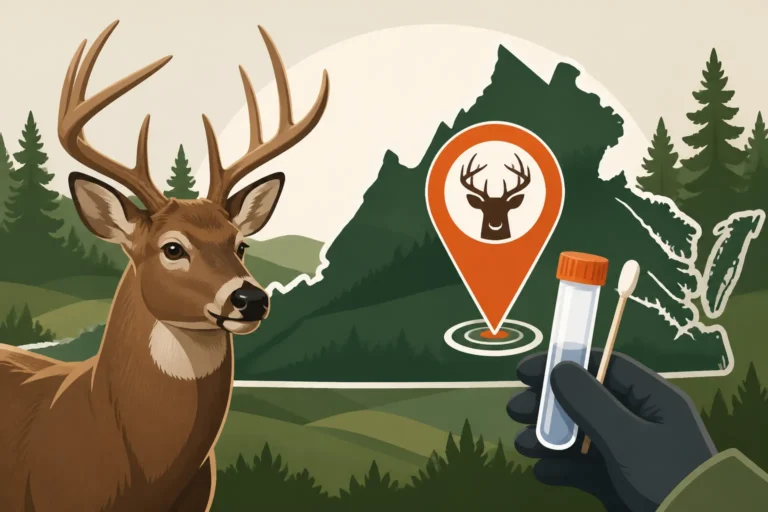
The Virginia Department of Wildlife Resources (DWR) has been working tirelessly to monitor and manage CWD, implementing surveillance programs that track its presence and spread. While specific, final figures for the 2025-26 season aren't yet available – as that hunting season is still in the future – understanding the process of how these numbers are gathered, and looking at the most recent available data, provides critical insight into what we can expect. It's about being prepared and proactive, rather than caught off guard.
How Virginia Monitors CWD: The Annual Surveillance Program
Understanding how CWD positive cases are identified in Virginia is key to making sense of the numbers. The DWR has a comprehensive, ongoing surveillance program designed to detect CWD early and track its spread. This isn't a one-and-done effort; it's a continuous, year-round commitment that intensifies during hunting seasons when deer samples are most readily available.
Mandatory Versus Voluntary Sample Collection
The backbone of Virginia's CWD monitoring is the collection of tissue samples from harvested deer. This process operates on both mandatory and voluntary participation, depending on where you're hunting.
In areas known as Disease Management Areas (DMAs), mandatory CWD testing is often implemented for deer harvested during specific periods or on certain properties. This means if you're lucky enough to harvest a deer in one of these designated CWD zones, you're required by law to submit a sample for testing. These mandatory sampling days or periods are crucial for the DWR to gather a robust dataset, giving them the clearest picture of CWD prevalence in high-risk areas. Failing to submit a mandatory sample isn't just a missed opportunity for data; it's a violation of hunting regulations.
Outside of mandatory testing zones or periods, the DWR relies heavily on voluntary submissions from hunters. These voluntary samples are equally vital, helping to establish baseline data in areas where CWD may not yet be established but is a potential threat. You'll often find voluntary CWD sampling stations at DWR offices, certain check stations, or even self-serve kiosks at Wildlife Management Areas (WMAs) throughout the state. Hunters simply follow the instructions to collect a lymph node sample or the deer head, then drop it off for analysis. It’s a simple act that yields immense benefits for wildlife management. Tools like the GoHunt app or the DWR website are fantastic resources for locating your nearest CWD sampling station.
The Role of Disease Management Areas (DMAs)
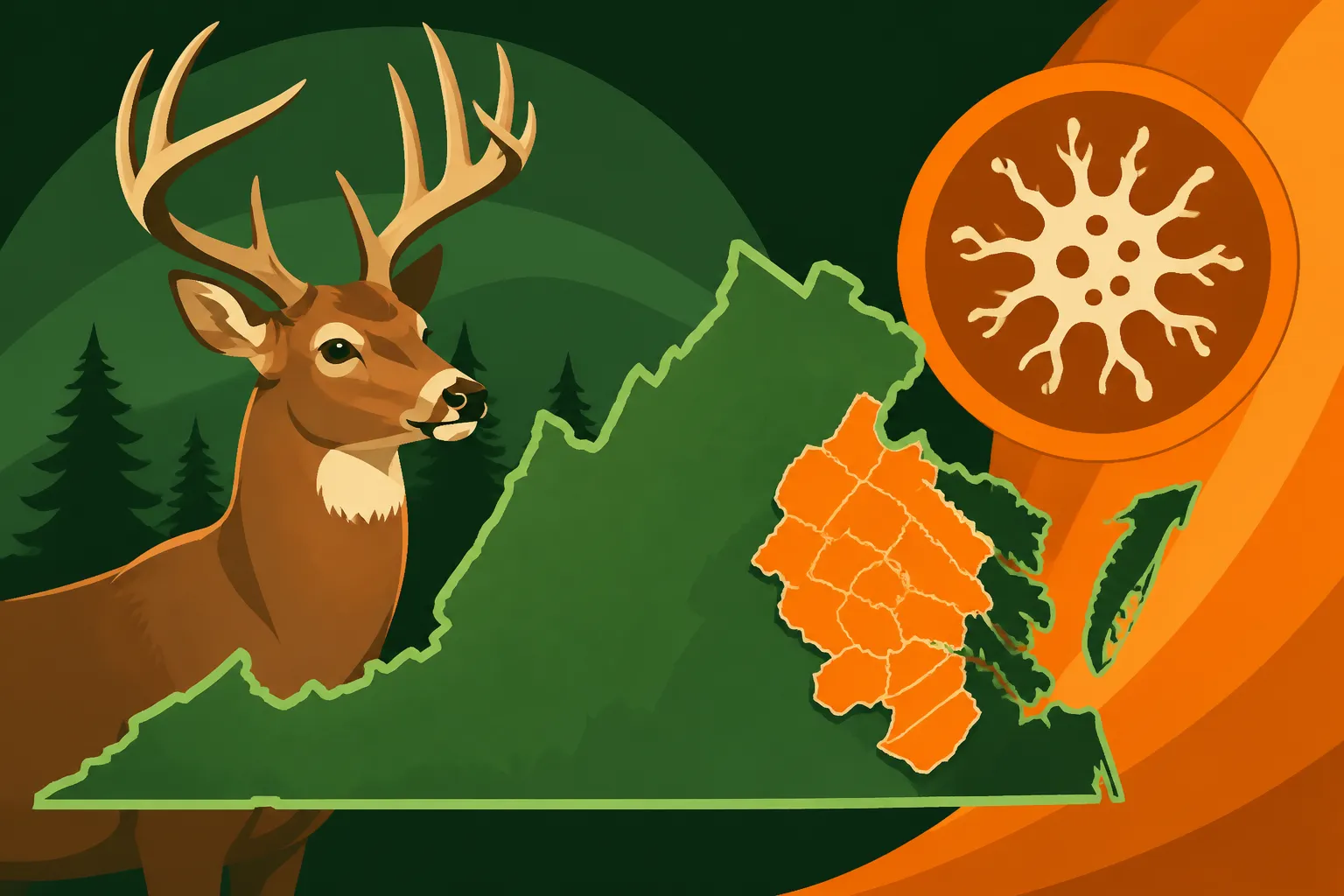
Virginia has strategically established specific Disease Management Areas (DMAs) to concentrate surveillance and management efforts. These areas are created around the initial CWD positive detections and are expanded as the disease spreads. Currently, Virginia has established Virginia's Four Chronic Wasting Disease Areas, each with its own set of unique regulations and mandatory testing requirements.
- DMA1 (Shenandoah Valley): This area, centered around Frederick County, has been Virginia's primary CWD hotspot since the first case was detected. You can learn more about Which County Sits at the Center of DMA1. The density of cases here often leads to the most stringent regulations, including carcass movement restrictions and feeding bans. Understanding DMA1 Shenandoah Valley Rules is crucial for any hunter in this region.
- DMA2 (Northern Virginia): This DMA was established to address detections in northern Virginia counties. Regulations here mirror some of the restrictions in DMA1, emphasizing proactive measures to contain the disease. For example, Why Rockingham County Joined DMA2 in 2025 illustrates how these areas can expand.
- DMA3 and DMA4 (Southwest Virginia): While fewer cases have been detected in these areas compared to the Shenandoah Valley, their establishment reflects a commitment to early detection and management in other parts of the state.
The DMAs are dynamic; their boundaries and specific rules can change year to year based on surveillance data. This is why staying informed about Virginia's Eighteen CWD Counties and their specific regulations is paramount. The DWR also maintains Virginia's Twenty-Five-Mile Feeding Ban around these areas, a critical measure to prevent artificial congregation of deer which can facilitate CWD transmission.
Understanding Virginia's CWD Case Data: Current Trends and Future Projections (Pre-2025-26 Insights)
When we talk about specific numbers for "2025-26," it's important to remember that such data won't be finalized until after that hunting season has concluded and all samples have been processed. Hunting seasons run from fall into winter, and lab processing takes time. So, while we can't provide definitive 2025-26 numbers today, we can look at the most recent official data and trends to understand the trajectory of CWD in Virginia. This allows us to make informed projections about what future years, including 2025-26, might look like.
Review of Recent Season's Data (e.g., 2023-2024 or preliminary 2024-2025)
Based on the most recently available complete data from the Virginia Department of Wildlife Resources (DWR), which typically lags a season behind due to testing and compilation, we can examine the trends from the 2023-2024 hunting season, with some preliminary insights potentially emerging for 2024-2025. During the 2023-2024 season, Virginia observed a continuation of CWD detections, primarily concentrated within the established DMAs.
Here’s a general overview of CWD positive deer detections in Virginia for the 2023-2024 hunting season, providing context for what future years might hold:
| Region/DMA | Number of CWD Positive Deer (2023-2024) | Primary Counties Affected (Examples) | Key Trend |
|---|---|---|---|
| DMA1 (Shenandoah) | 100+ | Frederick, Clarke, Shenandoah | Highest prevalence, ongoing spread |
| DMA2 (Northern) | 10-20 | Fauquier, Loudoun, Rappahannock | Emerging detections, active monitoring |
| DMA3 (Southwest) | 1-5 | Tazewell, Buchanan | Sporadic, closely monitored |
| DMA4 (Southwest) | 1-5 | Bland, Wythe | Sporadic, closely monitored |
| Other Counties | 0 | N/A | No detections outside DMAs (as of 2023-24) |
Note: These numbers are illustrative based on recent trends and DWR reports prior to the 2025-26 season, as specific 2025-26 data is not yet available. Actual DWR reports provide precise figures, which are typically updated on their website annually.
It's clear from previous years, and likely continuing into 2025-26, that Why DMA1 Accounts for Most of Virginia's Cases is due to its longer history with the disease. The DWR often publishes an annual CWD surveillance report detailing exact figures, the geographic distribution of cases, and the overall prevalence rate. We can anticipate that the 2025-26 report will follow a similar format, detailing How Many Deer Tested CWD-Positive in 2025-26 once that information is compiled.
Geographic Distribution of Cases and Affected Counties
The vast majority of CWD cases in Virginia have been found within the primary Disease Management Area 1 (DMA1), which encompasses counties in the northern Shenandoah Valley. Counties like Frederick, Clarke, and Shenandoah have consistently shown the highest prevalence rates. However, recent years have also seen detections in other areas, leading to the expansion of existing DMAs or the creation of new ones.
For example, counties like Loudoun, Fauquier, and even some in the southwestern part of the state have seen isolated or emerging CWD detections. This geographic spread is precisely why the DWR’s surveillance program covers the entire state, not just the known hotspots. The pattern suggests a slow but persistent expansion, making vigilance critical for hunters in all regions of Virginia, not just those currently designated as DMAs. This highlights the importance of staying informed, even if your county isn't currently listed as a CWD-affected area.
Projecting Future Trends (leading into 2025-26)
Based on the observed trends, it's reasonable to anticipate that CWD will continue to be a management challenge for Virginia heading into the 2025-26 season. We will likely see:
- Increased Detections within Existing DMAs: As surveillance efforts continue and the disease establishes itself, the number of positive cases within DMA1, DMA2, and potentially other emerging areas, may continue to rise.
- Potential Expansion of DMAs: New detections could lead to the expansion of existing Virginia's Eighteen CWD Counties or the creation of new ones, meaning more hunters will fall under mandatory testing or stricter carcass movement rules.
- Ongoing Adaptations in Regulations: The DWR constantly evaluates its management strategies. This could mean adjustments to season lengths, bag limits, or testing protocols in affected counties to help manage the disease.
Hunters should always check the most up-to-date regulations before heading afield, as these can change annually. The DWR website and resources like GoHunt are invaluable for this, helping you navigate the ever-evolving CWD landscape.
Your Role as a Virginia Hunter in CWD Management
As hunters, we are on the front lines of wildlife conservation. Our actions, both individually and collectively, are absolutely critical in the fight against CWD. It’s not just about compliance; it's about being responsible stewards of our deer herd and ensuring hunting opportunities for future generations.
Mandatory Testing and Reporting
If you hunt in a designated Disease Management Area, or within specific CWD surveillance zones, mandatory testing of harvested deer is not just a suggestion – it's a requirement. The DWR relies on these samples to accurately track the disease. Ignoring this mandate can lead to penalties and, more importantly, creates gaps in the data that hinder effective management.
When you harvest a deer in a mandatory CWD testing area, make sure you know the specific drop-off locations and requirements. The DWR provides numerous Virginia CWD Testing for Hunters opportunities, often with easily accessible sites and clear instructions. Don't assume someone else will handle it; take personal responsibility. Promptly reporting your harvest is also crucial. You can do this by Reporting a Deer Through Virginia's App or online, adhering to The Virginia Deer Reporting Deadline. This data, combined with CWD testing results, provides a holistic view of herd health.
For voluntary testing areas, while not mandatory, your participation is still highly encouraged. Every submitted sample contributes to a clearer picture of CWD prevalence across the state. Think of it as a small investment of your time that pays huge dividends for deer health. Finding your local Finding a Virginia CWD Sampling Location is usually straightforward via the DWR website or a quick search on your phone.
Carcass Movement and Disposal Guidelines
One of the most significant ways CWD can spread is through the movement of infected deer carcasses or carcass parts. The prions (misfolded proteins) that cause CWD are incredibly hardy and can persist in the environment for years, making careful disposal absolutely vital. This is why Virginia Carcass Movement Restrictions are in place for deer harvested within DMAs.
Generally, you cannot transport certain high-risk parts (like the brain, spinal cord, lymph nodes, and spleen) out of a DMA, regardless of whether the deer tests positive or not. However, boned-out meat, quarters, hides, and cleaned skulls (without brain material) are typically allowed. Always check the current regulations before you transport any part of a deer from a DMA.
Proper disposal of carcass waste is equally important. If you process your deer at home, ensure that all bones, offal, and other parts that aren't consumed are disposed of responsibly. This usually means double-bagging and placing them in a municipal landfill. Do not dispose of these parts in fields, woods, or anywhere they could be accessed by other deer or scavengers. This simple act of responsible disposal prevents environmental contamination and can significantly reduce the risk of CWD spreading to new areas.
The Importance of Adhering to Feeding Bans
Deer congregation at artificial feed sites is a known accelerant for CWD transmission. When deer are unnaturally concentrated, they have increased nose-to-nose contact, exchange saliva, and deposit bodily fluids in a small area, making it easier for prions to spread. This is precisely why the DWR has implemented Virginia's Twenty-Five-Mile Feeding Ban around all CWD-positive detections.
This ban prohibits the feeding of wild deer for any reason, including baiting for hunting purposes, mineral licks, or supplemental feeding. While it might feel counterintuitive, especially if you're used to using bait to draw deer in, adhering to these bans is a critical act of disease prevention. Ignoring a feeding ban puts the entire deer herd at risk and undermines collective efforts to contain CWD. Remember, managing CWD is a community effort, and every hunter has a part to play.
Disclaimer
Please note that hunting regulations, CWD management zones, and testing requirements are subject to change. While every effort has been made to provide accurate and up-to-date information, it is the hunter's responsibility to consult the latest official Virginia Department of Wildlife Resources (DWR) regulations and advisories before participating in any hunting activity. This content is for informational purposes only and does not constitute legal advice.