Which County Sits at the Center of DMA1
Trying to keep up with Virginia's ever-evolving hunting regulations, especially when it comes to disease management areas, can feel like navigating a dense thicket blindfolded. One minute you think you've got it, the next there's a new update or an expansion that throws a wrench in your hunting plans. This guide aims to clear up some of that confusion, specifically focusing on Chronic Wasting Disease Management Area 1 (DMA1) in Virginia, pinpointing its central county, and detailing what hunters need to know to hunt responsibly within its boundaries.
Unpacking Chronic Wasting Disease Management Area 1
Chronic Wasting Disease (CWD) is a serious neurological disease affecting deer and other cervids. It's always fatal, and unfortunately, it has been detected in Virginia's deer herd. To manage its spread, the Virginia Department of Wildlife Resources (DWR) has established specific Disease Management Areas. DMA1 is currently the most significant of these, and understanding its geography and the rules that come with it is absolutely crucial for any hunter operating in that region.
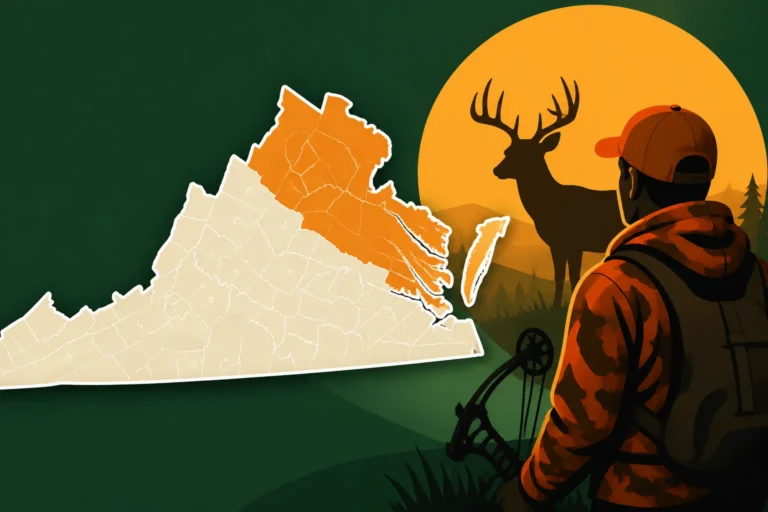
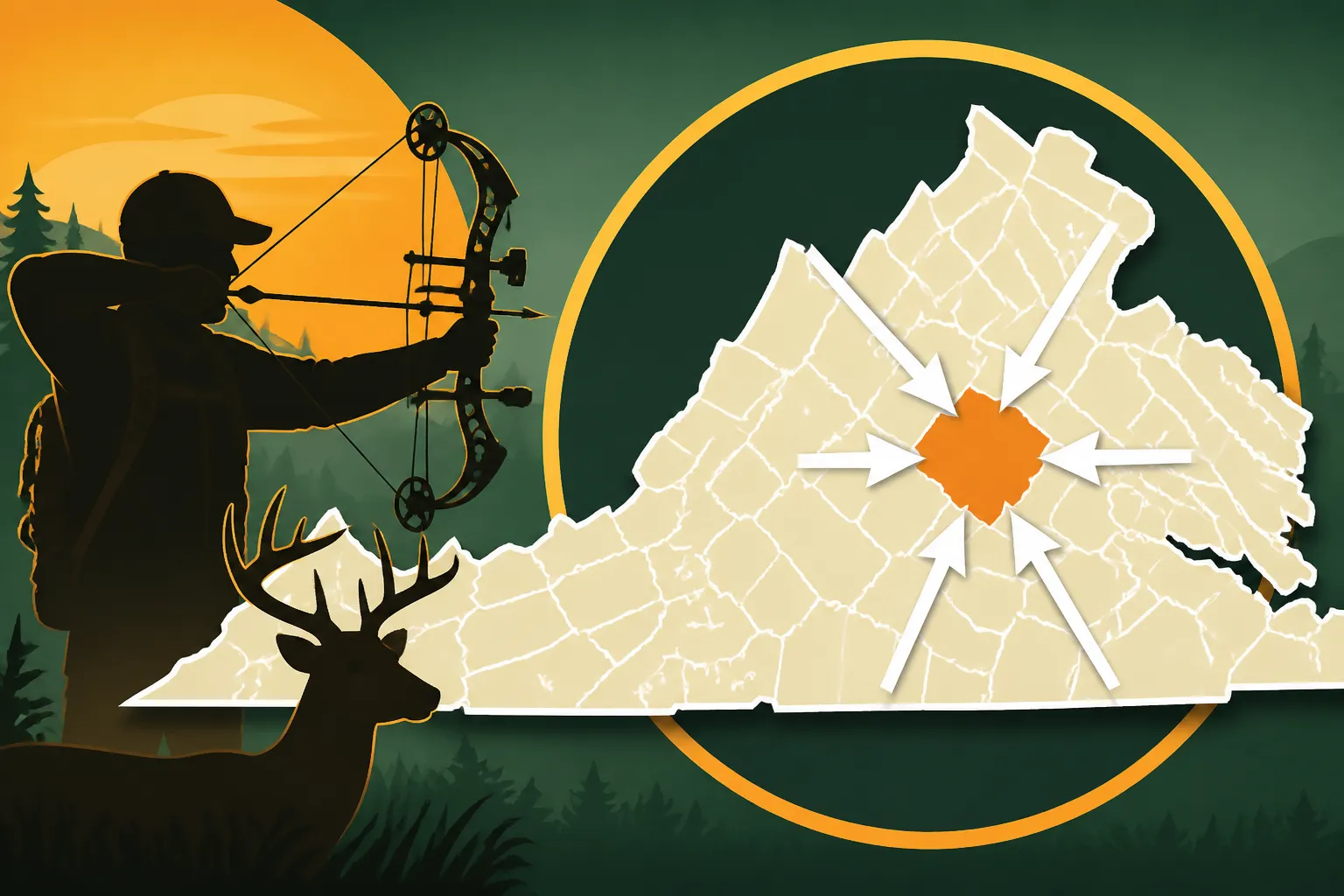
DMA1 isn't just a vague concept; it encompasses a defined set of counties where CWD has been confirmed. At the heart of this critical zone, serving as its historical epicenter and a central point for understanding its reach, is Shenandoah County. This county was among the first in Virginia to detect CWD, making it a pivotal location in the DWR's ongoing efforts to monitor and manage the disease. Over time, as CWD has unfortunately continued to be detected, DMA1 has expanded to include adjacent counties, but Shenandoah County remains the core around which these efforts revolve.
When we talk about DMA1, we're not just discussing a single county. It’s a collective region that has grown as more CWD-positive deer have been identified. As of the latest updates, DMA1 typically includes Shenandoah, Frederick, Clarke, Warren, and parts of Augusta and Rockingham counties. These boundaries are always subject to change based on disease surveillance data, so it’s imperative to check the most current DWR regulations before heading out. A lot of hunters find it helpful to consult online resources like GoHunt, which often compile this kind of crucial information, or the official DWR website directly. Understanding "Which County Sits at the Center of DMA1" helps hunters grasp the historical context and the ongoing challenges in these areas.
The Impact of CWD on Hunting Regulations in DMA1
Hunting in DMA1 comes with a distinct set of rules designed to minimize the human-assisted spread of CWD. These aren't just suggestions; they're mandatory regulations that hunters must adhere to. The frustration of learning new rules or having old traditions curtailed is real, but these measures are in place for the long-term health of Virginia's deer herd and the future of hunting itself.
Mandatory Deer Testing and Sampling
One of the most significant changes for hunters in DMA1 is the requirement for mandatory CWD testing. For deer harvested within DMA1, hunters are often required to bring their deer (or specific parts of it) to designated DWR sampling stations. This isn't just for curiosity; it's a critical part of the DWR's surveillance program to track the disease's prevalence and geographic spread. Knowing "Mandatory Testing Inside a Virginia DMA" is not just about compliance, but contributing to wildlife management.
- How it works: Typically, during specific periods of the general firearms season, DWR sets up check stations or collection barrels at various locations throughout DMA1 counties, including places like Shenandoah, Frederick, and Warren. You'll take the head (with at least two inches of neck attached) of any harvested deer to these stations. DWR staff or volunteers will take a tissue sample, usually from the lymph nodes, for testing. The rest of your deer is yours to process as usual. While this adds an extra step to your post-harvest routine, it's a vital contribution. Many hunters use apps or websites like GoHunt to quickly locate the nearest sampling station, especially after a long, successful day in the field.
- The hunter's role: Participation in mandatory testing is not just about avoiding a penalty; it's about being a responsible steward of the resource. Without robust sampling, the DWR cannot accurately assess the CWD situation, nor can they make informed decisions about future management strategies. It's a collective effort, and every hunter's contribution matters.
Carcass Movement Restrictions
Perhaps one of the most challenging regulations to navigate for many hunters, especially those traveling from outside DMA1, is the carcass movement restriction. This rule aims to prevent the physical transportation of CWD-infected materials (prions) to new, uninfected areas.
- What it means: You cannot take whole deer carcasses out of DMA1. This is a big one, as many hunters traditionally transport their deer home for processing. Instead, only specific parts of the deer are allowed to leave the zone. These typically include deboned meat, clean skull plates (antlers attached, no brain tissue), hides, and teeth. Essentially, any part that could harbor the CWD prion – like the brain, spinal cord, and lymph nodes – must remain within the DMA. Understanding "Moving a Deer Carcass Out of a DMA" is paramount to avoid violations and further spread.
- Practical implications: This often means hunters need to be prepared to field dress and debone their deer in the field or at a designated processing facility within DMA1. For those used to taking their deer straight to a local butcher outside the zone, this requires a significant change in routine and planning. It's a real shift in how we handle our harvests, and it takes some getting used to. Packing extra game bags and a good deboning knife becomes even more important. Some hunters even coordinate with local processors within DMA1 ahead of time to ensure they have a place to take their deer.
Feeding Bans and Attractants
To reduce the congregation of deer, which can facilitate the spread of CWD (as the prions can be shed in saliva, urine, and feces), feeding bans are typically in effect within DMA1. This means you generally cannot use bait, mineral licks, or other attractants to draw deer.
- Details of the ban: The DWR has a "Virginia's Twenty-Five-Mile Feeding Ban" rule in place, which means if your property falls within a certain radius of a CWD detection, feeding is prohibited. Within DMA1, this is usually a blanket rule. This regulation covers everything from corn piles to food plots designed to concentrate deer. It's about preventing unnatural densities of deer in specific locations, which could increase nose-to-nose contact and environmental contamination.
- Hunting strategy adjustments: For hunters who rely on baiting, this requires a complete overhaul of their hunting strategy. Instead, focus shifts to scouting natural food sources, bedding areas, and travel corridors. This can actually lead to a more challenging but ultimately more rewarding hunting experience, forcing you to sharpen your woodsmanship skills. It encourages a focus on habitat and deer behavior rather than artificial attractants.
Here's a quick overview of key regulations within DMA1:
| Regulation Aspect | General Virginia Rule (Outside DMA) | DMA1 Specific Rule | Hunter Action Required |
|---|---|---|---|
| CWD Testing | Voluntary/Random | Mandatory for certain deer/seasons | Bring head (or specific parts) to DWR check stations. |
| Carcass Movement | Generally unrestricted | Deboned meat, skull plates, hides, teeth ONLY may leave DMA. | Field dress, debone in-field, or use a local processor within DMA. |
| Feeding/Attractants | Permitted in most areas (with local limits) | Prohibited | Scout natural food sources, bedding areas, and travel corridors. |
| Reporting Sick Deer | Encouraged | Highly encouraged and critical | Contact DWR immediately with location details. |
| Deer Season Structure | Standard county/region seasons | May have modified antlerless or bonus tag opportunities for disease management. | Double-check current DWR regulations for specific county within DMA1 for any changes. |
Your Role as a Hunter in CWD Management
As hunters, we are often the first line of defense and observation when it comes to wildlife health. Our actions in the field and our adherence to regulations play a massive role in the DWR's ability to manage diseases like CWD. It's about more than just checking a box; it's about being an active participant in conservation.
Understanding the Disease and Its Implications
CWD isn't a bacterial or viral infection; it's caused by misfolded proteins called prions. These prions are incredibly resilient and can persist in the environment for years, making CWD a particularly difficult disease to eradicate. It can spread through direct contact between deer or indirectly through environmental contamination (soil, plants, water contaminated by infected bodily fluids).
- For the deer: An infected deer will slowly waste away, exhibiting symptoms like drastic weight loss, stumbling, drooling, and abnormal behavior. The disease is always fatal, and there is no known cure or vaccine. This is why limiting its spread is so critical for the long-term health of the wild deer population.
- For human health: While there have been no documented cases of CWD transmission to humans, the Centers for Disease Control (CDC) and other health organizations recommend not eating meat from CWD-positive animals. This is why testing is so important, and why understanding "Handling Venison From a Disease Management Area" is a key part of responsible hunting.
Practical Steps You Can Take
Beyond complying with the mandatory regulations, there are several proactive steps hunters can take to help in the fight against CWD.
- Report Sick Deer Immediately: If you observe a deer exhibiting any signs consistent with CWD – lethargy, emaciation, excessive salivation, walking in circles, or a generally disoriented appearance – do not harvest it. Instead, immediately contact the Virginia DWR. Provide specific details about the location and observed symptoms. This information is incredibly valuable for surveillance. The DWR has programs for "Reporting a Sick Animal in Virginia" that are crucial for tracking outbreaks.
- Clean Your Equipment Thoroughly: While prions are resilient, proper cleaning can help. After hunting in DMA1, thoroughly clean any equipment that came into contact with deer fluids or tissues, especially knives, saws, and processing tools. Use a bleach solution (e.g., a 1:10 bleach-to-water ratio) for disinfection. Even though the risk of spreading CWD via equipment is lower than carcass movement, it's a good habit to prevent any potential spread.
- Stay Informed: Regulations can change. Keep an eye on DWR announcements, particularly those concerning CWD and DMA boundaries. Websites like GoHunt and the official DWR site are excellent resources. Ignorance of the law is never an excuse, and staying proactive keeps you legal and helps the overall management effort.
- Consider Your Harvest Choices: In some DMA1 areas, DWR might encourage increased harvest of antlerless deer to help reduce overall deer density, which can slow CWD transmission. While filling your tags is always the goal, consider how your harvest choices align with the DWR's management objectives for the area. Remember, Virginia allows different limits in various regions, and understanding "Eastern Region Antlered Buck Limits" or "Western Region Antlered Buck Limits" can influence your decisions.
- Support DWR Initiatives: Your hunting license fees directly support the DWR's efforts, including CWD surveillance and research. Additionally, consider supporting organizations that advocate for sound wildlife management and provide education on CWD.
By understanding that Shenandoah County is at the heart of DMA1 and by actively participating in the DWR's CWD management efforts, hunters become indispensable partners in protecting Virginia's deer herd for generations to come. It’s a challenge, no doubt, but one that we can face together with knowledge, responsibility, and a shared commitment to conservation.
Disclaimer
The information provided in this guide is for general informational purposes only and is subject to change. Hunting regulations, including those related to Chronic Wasting Disease Management Areas, are frequently updated by the Virginia Department of Wildlife Resources (DWR). Always consult the most current DWR regulations and local ordinances before engaging in any hunting activities. Failure to do so could result in fines or penalties.