DMA1 Shenandoah Valley Rules
Hunting in Virginia can be an incredibly rewarding experience, but let's be honest, trying to keep up with all the regulations, especially when it comes to something as serious as Chronic Wasting Disease (CWD), can feel like navigating a maze blindfolded. For those of us who hunt in the beautiful Shenandoah Valley, understanding the specific rules that govern Disease Management Area 1 (DMA1) isn't just a recommendation, it's absolutely crucial. This guide is here to break down those complexities, explain what DMA1 means for your hunt, and help you continue enjoying our beloved tradition safely and responsibly.
Understanding Virginia's Disease Management Area 1 DMA1
The first step to hunting responsibly in the Shenandoah Valley is truly grasping what DMA1 is all about. It’s not just an arbitrary boundary on a map; it's a critical management zone established to monitor and, hopefully, contain the spread of Chronic Wasting Disease (CWD) within Virginia’s deer herd. For many of us, the news of CWD arriving in our state was a gut punch, threatening the very future of deer hunting we cherish. DMA1 is the Department of Wildlife Resources' (DWR) proactive response, and understanding its nuances is key to being an effective conservationist and hunter.
Defining the Boundaries and Purpose
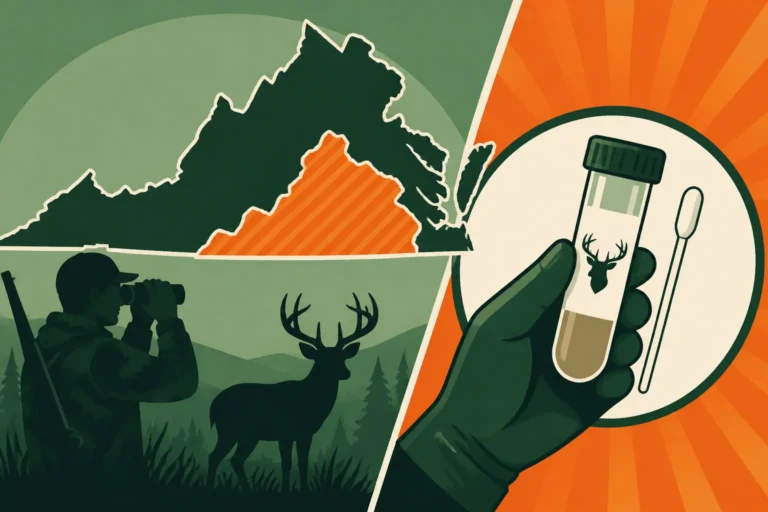
DMA1 encompasses a significant portion of the Shenandoah Valley, primarily focused around the initial detection sites of CWD in Virginia. Imagine a patchwork of counties stretching from Frederick County down through parts of Augusta and Rockingham. These aren't just counties with CWD detections, but also adjacent areas where there's a heightened risk of the disease spreading. The DWR regularly updates these boundaries, so it's vital to check the latest maps each season. Their purpose in establishing DMA1 is multi-faceted: it allows for intensive CWD surveillance, helps enforce specific hunting regulations designed to slow the disease's progression, and informs research into how CWD is transmitted and how it impacts deer populations. This level of focused management is a stark reminder of the serious challenge CWD poses to our deer and our hunting heritage. If you're new to the overall deer season rules, it might be helpful to read up on the broader Virginia Deer Season Structure Explained to put DMA1 into perspective.
The Role of Chronic Wasting Disease CWD
Chronic Wasting Disease is a nasty neurological disease that affects deer, elk, and moose. It's always fatal, and there's currently no cure or vaccine. What makes CWD particularly insidious is that it's caused by abnormal proteins called prions, which can persist in the environment for years, making eradication incredibly difficult once it's established. Think of it like a zombie disease for deer – the affected animals slowly waste away, losing coordination and exhibiting unusual behavior before eventually dying. The DWR's comprehensive approach in DMA1, which you can learn more about in Virginia's Four Chronic Wasting Disease Areas, is crucial because it’s trying to contain a disease that can literally decimate local deer populations and potentially impact the long-term health of our wild places. It's a sobering thought, but one we must confront as hunters.
Why DMA1 Exists in the Shenandoah Valley
The Shenandoah Valley was unfortunately the epicenter for CWD detection in Virginia. The very first cases were identified here, which immediately put the region on high alert. This is why DMA1 was established – it's an acknowledgement of where the disease is most prevalent and where the DWR needs to concentrate its efforts. The specific geography of the valley, with its mix of agricultural lands, dense forests, and suburban edges, creates a complex landscape for managing wildlife diseases. Deer movement patterns, agricultural practices, and even human activities can all play a role in how CWD spreads. Understanding Which County Sits at the Center of DMA1 can give you a clearer picture of the disease's historical footprint and why these specific areas are under such tight scrutiny. It’s a challenging situation, but DMA1 is our best tool for fighting back.
Key Regulations Impacting Hunters in DMA1
Alright, let's get down to the nitty-gritty of what you, as a hunter, absolutely need to know when you step into DMA1. These aren’t suggestions; they're mandatory rules designed to protect the deer herd and public health. It’s natural to feel frustrated by additional restrictions, especially when you’re just trying to enjoy a peaceful hunt. However, these regulations are born from necessity and a deep scientific understanding of CWD. Ignorance isn't bliss here; it's a violation with real consequences for you and the wildlife.
Mandatory CWD Testing Requirements
One of the most significant differences when hunting in DMA1 is the mandatory CWD testing. If you harvest a deer within DMA1 on certain days, typically opening weekends of firearms seasons or designated sampling days, you are required to submit the deer's head for CWD testing. This isn't just about collecting data; it's a vital surveillance tool. By testing a high volume of deer, the DWR can track the prevalence and spread of the disease.
- How it Works: You'll typically find CWD sampling stations set up at various locations within DMA1, often at check stations, DWR offices, or even self-service drop-off freezers. These are usually clearly marked and staffed by DWR personnel or volunteers on mandatory sampling days. You bring your deer (or just the head with specific identifying information) to the station, and they'll take a tissue sample, usually from the lymph nodes and brainstem. They'll also record your harvest information.
- What to Expect: The process is usually quick and efficient. Be prepared with your license and harvest tag information. You’ll be given a unique CWD sample number, which you can use to check the test results later. It can take several weeks to get results back, so patience is key. The DWR website or apps like GoHunt can be invaluable for finding current sampling station locations and hours. You can find more details about this crucial process in Virginia CWD Testing for Hunters.
Navigating the Twenty-Five-Mile Feeding Ban
This one can be a real game-changer for many hunters. To reduce the potential for CWD transmission, Virginia has implemented a statewide 25-mile feeding ban around confirmed CWD detections, and DMA1 is naturally at the heart of this. What does that mean for you? It means you absolutely cannot feed deer or place attractants for deer within this zone. This includes corn, salt licks, mineral blocks, protein pellets, and even some food plot additives that are primarily designed to attract, rather than solely nourish, wildlife.
- Why the Ban: The rationale is simple: CWD prions are shed through saliva, urine, and feces. When deer congregate at a feeder or mineral site, they exchange these bodily fluids more readily, increasing the chances of spreading the disease. The ban is an attempt to disrupt these congregation points and limit nose-to-nose contact.
- Practical Implications: This ban means you need to rethink your approach if you've traditionally used feeders or attractants. It forces a return to more natural scouting and hunting methods, focusing on natural food sources and travel corridors. Always double-check if your specific hunting property falls within Virginia's Twenty-Five-Mile Feeding Ban before putting anything out. Apps like GoHunt often have layers that show these exclusion zones, making it easier to stay compliant. Even though it feels restrictive, it's a necessary step to protect the health of our deer herd.
Carcass Movement and Disposal Restrictions
This regulation is critical for preventing the geographic spread of CWD. Once you harvest a deer in DMA1, you cannot simply take the entire carcass out of the area and process it elsewhere. This is because certain parts of the deer, particularly the brain and spinal cord, contain the highest concentrations of CWD prions. Moving these parts to new areas could inadvertently introduce the disease to healthy populations.
- What You Can Move: Generally, you can move deboned meat, cleaned skull plates (antlers attached), capes (hide), and teeth out of DMA1. Essentially, any part that doesn't contain nerve or lymphatic tissue is usually permissible.
- What You Cannot Move: The brain, spinal cord, eyes, spleen, and lymph nodes are the primary restricted items. This means field dressing and processing your deer within DMA1 is often the easiest and most compliant option.
- Disposal: Any prohibited carcass parts must be disposed of properly within DMA1, typically in a DWR-provided dumpster or a lined landfill that accepts animal waste. Never dispose of these parts in ordinary trash, ditches, or by leaving them exposed in the woods, as this risks environmental contamination. Understanding these rules fully, by perhaps checking Virginia Carcass Movement Restrictions, is paramount to avoiding citations and, more importantly, preventing disease spread. It’s an extra step, but it’s a vital one for the health of our wildlife.
| Regulation Category | Key Requirement in DMA1 | Rationale | Hunter Action |
|---|---|---|---|
| Mandatory CWD Testing | Submit deer head for testing on specific days/locations. | Monitor CWD prevalence and spread. | Locate sampling stations, provide harvest info, await results. |
| 25-Mile Feeding Ban | No feeding or attractants for deer within the zone. | Reduce deer congregation, limit nose-to-nose contact, slow prion transmission. | Focus on natural food sources, avoid supplemental feeding. |
| Carcass Movement Restrictions | Prohibited parts (brain, spine, etc.) cannot leave DMA1. | Prevent geographic spread of CWD prions to new areas. | Debone deer in DMA1, dispose of prohibited parts in designated facilities. |
| Blaze Orange/Pink | Minimum of 500 sq inches during firearms season. | Enhance hunter safety, especially in high-traffic public lands. | Wear proper visible attire during all applicable seasons. |
| Deer Reporting | All harvested deer must be reported. | Collect harvest data for population management and CWD monitoring. | Report promptly via DWR app, website, or phone. |
Hunting Strategies and Considerations within DMA1
The presence of CWD and the resulting DMA1 regulations inevitably change how many of us approach our hunts. It can be a mental shift, moving from just filling tags to also thinking about herd health and disease management. While it might feel like an added burden, it also presents an opportunity to become a more informed and adaptive hunter. You're not just a participant; you're a steward of the land and its wildlife.
Adapting Deer Harvest Approaches
In a CWD zone like DMA1, selective harvest takes on new meaning. While the overall goal is still to enjoy the hunt and put venison in the freezer, there's an additional emphasis on responsible herd management. The DWR often encourages hunters to harvest more antlerless deer within DMA1. This isn't just about population control; it's about reducing overall deer density, which can help slow the spread of CWD by decreasing deer-to-deer contact.
- Focus on Antlerless Harvest: Consider prioritizing doe tags. This helps reduce the total number of animals on the landscape, and since CWD prevalence can sometimes be higher in bucks due to their wider ranging behavior and social interactions, taking more does is a generally sound management strategy in affected areas. You might be interested in Filling a Six-Deer Eastern Limit or Filling a Five-Deer Western Limit for general strategies, though specific DMA1 rules might influence your exact numbers.
- Early Season Opportunities: Using methods like Bowhunting Virginia's Statewide Archery Season or Muzzleloader Deer Hunting in Virginia during their respective early periods can be effective ways to contribute to antlerless harvest before the more intense general firearms season. The pressure is often lower, and deer patterns might be more predictable.
- Targeting Healthier Animals: While it's not always easy, try to observe the deer you encounter. CWD-infected animals often appear emaciated, disoriented, or exhibit unusual behavior. While it's illegal to shoot an obviously sick animal and you should report such sightings to the DWR, if you have a choice, prioritizing healthy-looking deer is a good practice.
Monitoring Deer Health and Behavior
One of the most valuable things you can do as a hunter in DMA1 is to become an extra set of eyes and ears for the DWR. You're out there in the woods, seeing what most people don't. Your observations can provide crucial intelligence on the health of the local deer herd.
- Look for Symptoms: Keep an eye out for deer that appear abnormally thin, stumbling, drooling excessively, or showing a lack of fear of humans. These can be signs of CWD or other illnesses. While CWD is largely asymptomatic in its early stages, later-stage symptoms are unmistakable.
- Report Sick Deer: If you observe a deer exhibiting these symptoms, do not attempt to harvest it. Instead, immediately contact the Virginia DWR. Provide them with specific details about the location, time, and observed behavior. This information is critical for their monitoring efforts and helps prevent a potentially infected animal from entering the food chain. You can often find reporting hotlines or online forms on the DWR website or through apps like GoHunt.
- Understand EHD and Other Diseases: It's important to differentiate CWD from other common deer diseases like Epizootic Hemorrhagic Disease (EHD), which can cause similar-looking symptoms (e.g., deer found dead near water sources). EHD is not transmissible to humans, but both diseases warrant reporting to the DWR.
Public vs. Private Land Implications
Hunting public land in DMA1 brings its own set of considerations, largely due to increased hunter pressure and variable habitat. On the other hand, private land offers different opportunities and challenges.
- Public Land: Places like the George Washington National Forest, which overlaps with parts of DMA1, see a lot of hunters, especially during the general firearms season. Deer drives on Virginia Public Land are common, and scouting is even more critical. You'll need to be extra vigilant about the CWD regulations as many of these areas are frequently sampled. Access to resources like DWR-provided dumpsters for carcass disposal might be more limited, requiring you to plan ahead. Using apps like GoHunt can help you identify public land boundaries and potential CWD sampling stations. You might also want to look into Hunting the Shenandoah Valley for more specific public land tips in the region.
- Private Land: If you hunt on private land in DMA1, you still must adhere to all CWD regulations, including the feeding ban and carcass movement restrictions. The advantage here is that you often have more control over the property and can work with the landowner to implement CWD-friendly management practices, such as increasing antlerless harvest. Getting landowner access in an urban archery zone, or any zone, often involves explaining your commitment to responsible hunting, including CWD prevention. Building good relationships with landowners is always a plus, but it's even more crucial when dealing with complex regulations.
Resources and Best Practices for DMA1 Hunters
Let's face it, keeping up with constantly evolving regulations can be daunting. But the DWR provides a wealth of information and tools to help you stay compliant and contribute to the health of Virginia's deer herd. Think of these as your essential gear for navigating DMA1.
Utilizing DWR Information and Tools
The Virginia Department of Wildlife Resources (DWR) is your primary source for all things CWD and DMA1. They pour countless hours into research, monitoring, and public education.
- The DWR Website: This is your first stop. The DWR website has dedicated sections for CWD, including detailed maps of DMA1 and other CWD management areas, up-to-date regulations, and FAQs. They also publish annual CWD surveillance reports, which can give you insights into How Many Deer Tested CWD-Positive in 2025-26 (using the provided reference title as a guide), showing the progression of the disease.
- Go Outdoors Virginia Platform: This online portal is not just for buying licenses; it's also where you'll find official DWR news, regulation updates, and often links to CWD resources. Keeping an eye on their announcements is vital.
- Virginia DWR App: If you're not using it already, download the official Virginia DWR app. It's incredibly useful for checking licenses, reporting harvests, and often includes interactive maps that show public land boundaries, CWD zones, and even sampling station locations. This is an indispensable tool for staying informed on the go. When you're Scouting With the Virginia DWR App, you can easily cross-reference CWD boundaries with your planned hunting spots.
- Email Newsletters and Social Media: Sign up for DWR email newsletters or follow their social media channels. This is often the quickest way to get alerts about changes to CWD regulations or sampling dates.
Engaging with Local Wildlife Biologists
Don't underestimate the value of direct communication. The DWR wildlife biologists are the experts on the ground, living and breathing wildlife management in your region. They are a fantastic, often underutilized, resource.
- Ask Questions: If you have specific questions about a particular area, a nuance in the regulations, or even just want to report an observation, reach out to your local DWR biologist. Their contact information is usually available on the DWR website, often broken down by county or region.
- Attend Public Meetings: The DWR frequently holds public meetings, especially in CWD-affected areas, to discuss management strategies, solicit public input, and answer questions. Attending these is an excellent way to stay informed and have your voice heard. It also allows you to connect with other hunters who share your concerns and commitment.
- Report Observations: As mentioned earlier, reporting sick deer or unusual deer behavior to a biologist directly can be more effective than just a general hotline, especially if you have detailed information. They can guide you on the best course of action.
Ethical Hunting and Disease Prevention
Ultimately, dealing with CWD in DMA1 comes down to personal responsibility and a commitment to ethical hunting practices. We all have a role to play in protecting Virginia's deer herd.
- Cleanliness is Key: After processing a deer, thoroughly clean all your tools, knives, and equipment. CWD prions are resistant to many disinfectants, but a strong bleach solution and thorough scrubbing can help. Don't use tools that have been used on a CWD-positive deer for other game.
- Minimize Environmental Contamination: Adhere strictly to carcass disposal rules. Never dump parts outside the designated areas. This prevents prions from contaminating soil and water, where they can persist for years and infect other deer.
- Educate Others: Share your knowledge with fellow hunters, friends, and family. The more informed the hunting community is, the better equipped we all are to manage this disease. Many hunters still don't fully understand CWD or the DMA1 rules, so your leadership in sharing accurate information is invaluable. This also ties into being an ambassador for hunting, showing that hunters are at the forefront of conservation efforts.
The Long-Term Outlook for Hunting in DMA1
The fight against CWD is a long game, not a sprint. While the regulations and restrictions in DMA1 might feel like temporary inconveniences, they are part of a sustained effort to safeguard Virginia’s deer herd for future generations. Understanding the potential future of these rules and our collective role in shaping that future is essential for any committed hunter.
Potential Changes and Evolving Regulations
CWD is a dynamic threat, and as scientists learn more about its spread and impact, the regulations will likely evolve. What might seem like a permanent rule today could change next season based on new research or shifting disease prevalence.
- Adaptive Management: The DWR employs an adaptive management approach. This means they are constantly monitoring the situation, analyzing data (like harvest numbers, CWD test results, and deer population estimates), and adjusting their strategies accordingly. For example, if CWD prevalence increases in certain areas, we might see new counties added to DMA1, or specific harvest quotas changed. Conversely, if control measures prove effective, some restrictions might eventually be eased.
- Research and Innovation: Significant research is being conducted globally on CWD. Breakthroughs in detection, understanding prion behavior, or even potential treatments (though far off) could drastically alter how we manage the disease. Staying informed about these scientific developments is important, as they will directly influence DWR policy. Programs like those focused on Virginia Deer Population Estimate and Virginia bear population estimate continuously feed data into these models.
- Hunter Input: The DWR values hunter input. Your observations from the field, your participation in surveys, and your attendance at public meetings all contribute to the decision-making process. Don't underestimate the power of informed hunter voices in shaping future regulations.
Community Responsibility and Participation
The success of DMA1, and the broader fight against CWD, hinges on the active participation and responsibility of the entire hunting community, and indeed, all citizens in affected areas. This isn't just a DWR problem; it's a shared challenge.
- Collective Action: Every hunter who adheres to the feeding ban, submits their deer for testing, and disposes of carcasses properly is contributing to a collective effort. One person's negligence could undermine the hard work of many. This sense of shared responsibility is a cornerstone of true conservation.
- Beyond Hunters: It’s also crucial to remember that non-hunters, such as landowners who feed deer for viewing, also play a significant role. Educating the wider community about the risks of CWD and the importance of regulations like the feeding ban is an ongoing task. Organizations and apps like GoHunt can help spread this information, making it more accessible to a broader audience.
- Long-Term Vision: We're not just hunting for ourselves today; we're hunting for future generations. Protecting the health of Virginia’s deer herd ensures that our children and grandchildren will have the same opportunities we do. This long-term vision makes every regulation, every extra step, worthwhile.
Protecting Virginia's Deer Herd
Ultimately, all of these regulations, frustrations, and adaptations boil down to one core mission: protecting Virginia’s white-tailed deer herd. Our deer are a vital natural resource, culturally significant, and an economic engine for many rural communities. CWD poses an existential threat to all of that.
- Herd Health: A healthy deer herd is a resilient deer herd. By minimizing CWD spread, we maintain the overall vitality and genetic diversity of the population. This helps ensure that the deer can withstand other challenges, whether that’s harsh winters, habitat changes, or other diseases.
- Hunting Opportunities: The regulations in DMA1 are not designed to stop hunting; they are designed to preserve hunting. Without these measures, CWD could spread unchecked, leading to widespread deer mortality and potentially severe restrictions on future hunting seasons. By working together, we can ensure that Virginia remains a premier hunting destination for deer, year after year, perhaps even seeing a healthy resurgence for practices like Urban Archery Hunting in Virginia Cities if CWD is contained.
- Ecological Balance: Deer play a crucial role in Virginia’s ecosystems. Their grazing habits, their role as prey, and their presence on the landscape are all interconnected. Maintaining a healthy deer population is integral to the overall ecological balance of our forests and fields. By understanding and adhering to the DMA1 rules, we’re not just being good hunters; we’re being good conservationists, ensuring the health of Virginia's wild places for everyone.
Disclaimer
The information provided in this guide is for informational purposes only and is not a substitute for official regulations. Hunters are responsible for consulting the most current Virginia Department of Wildlife Resources (DWR) regulations and local ordinances before engaging in any hunting activities. Regulations, seasons, and CWD management zones can change, so always verify the latest information directly from the DWR.