Virginia Daily Turkey Bag Limit
That feeling when the spring woods finally wake up, and you hear that first booming gobble – it’s pure magic. But amidst that excitement, many of us hunters sometimes get a little fuzzy on the exact rules, especially when it comes to how many turkeys we can actually take in a single day. Virginia’s turkey hunting regulations are designed to keep the population healthy, but understanding the nuances of the daily bag limit can sometimes feel like deciphering an ancient scroll. This guide aims to clear up all that confusion, giving you the precise details you need to confidently and lawfully enjoy your spring turkey season.
Understanding Virginia's Spring Turkey Daily Bag Limit
The spring turkey season in Virginia is a much-anticipated event, but it comes with clear rules, particularly concerning how many birds you can harvest. Knowing these limits is crucial not just for staying legal, but for contributing to the responsible management of our wild turkey populations.
The Statewide Rule: One Bearded Turkey Per Day
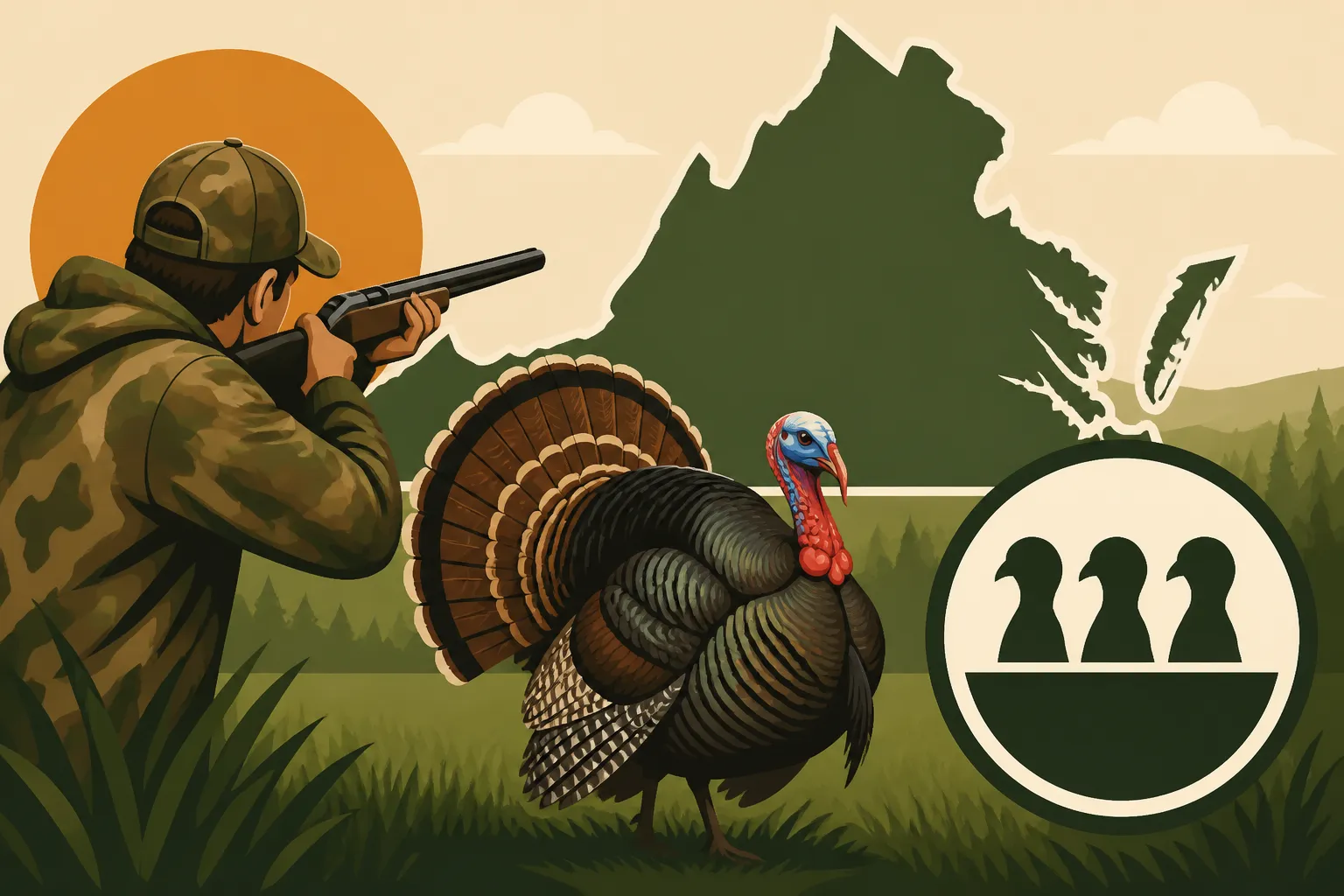
For most of Virginia's spring turkey season, the daily bag limit is straightforward: one bearded turkey per day. This means that regardless of how many tags you might have or how many gobblers are strutting in front of you, you can only legally harvest and possess one per calendar day. A "bearded turkey" typically refers to any male turkey (gobbler) or a hen that possesses a beard, which is a rare but natural occurrence. The Virginia Department of Wildlife Resources (DWR) emphasizes this rule to manage the breeding population effectively.
Imagine you're out on a crisp April morning, the woods are alive, and after hours of patient calling, a longbeard steps into view. You make a clean shot, and you've got your bird. That's your daily limit. Even if, an hour later, another equally impressive gobbler comes strutting in, tempting you, the law is clear: your daily limit has been met. This isn't about how many birds you could take, but how many you should take to maintain the health of the flock. It's a key part of the conservation strategy that allows us to enjoy turkey hunting year after year.
This one-per-day rule simplifies things, ensuring that hunters don't put excessive pressure on local turkey populations in a short timeframe. It encourages thoughtful hunting, strategic scouting, and choosing the right bird when the opportunity arises. It’s a foundational element of ethical hunting in the Commonwealth, focusing on quality over quantity for each individual outing.
Why Just One Gobbler Per Day? The Conservation Angle
The rationale behind limiting hunters to one bearded turkey per day is deeply rooted in wild turkey biology and sound wildlife management principles. Wild turkeys are polygynous, meaning one dominant gobbler will breed with multiple hens during the spring breeding season. Therefore, protecting the breeding capacity of the flock, especially the hens, is paramount to sustained population health. By limiting the daily take to a single bearded bird, the DWR ensures that there are enough gobblers in the woods to successfully breed with the hen population.
Harvesting multiple gobblers in a single day could put undue pressure on local breeding populations, potentially reducing the number of successful nests and poults (young turkeys) later in the season. The DWR monitors Virginia Turkey Population Trends carefully, using harvest data, brood surveys, and other metrics to make informed decisions about bag limits. The "one gobbler per day" rule is a direct reflection of this ongoing commitment to maintaining healthy and robust turkey numbers across the state. It allows for a sustainable harvest while safeguarding the future of the species.
This approach balances hunting opportunity with biological necessity. It acknowledges that while hunters are eager to pursue these magnificent birds, the long-term health of the resource must come first. By spreading out the harvest over the season and limiting daily take, it helps distribute hunting pressure and ensures that male turkeys have ample opportunity to contribute to the next generation before potentially being harvested.
Dispelling Common Misconceptions About the Daily Limit
Despite the clear wording in the DWR regulations, some common misconceptions about the daily turkey bag limit tend to surface. One of the most frequent questions is about jakes. A jake, being a juvenile male turkey, does indeed possess a beard. Therefore, if you harvest a jake, it counts as your one bearded turkey for that day. There’s no separate category or exemption for jakes; a beard is a beard, and it fulfills your daily limit.
Another common point of confusion arises from the seasonal bag limit. Many hunters know that Virginia allows for a total of three bearded turkeys during the spring season. However, this does not mean you can harvest three birds in a single day simply because you have three tags. The daily limit of one bearded turkey stands firm, even if you still have two tags remaining. Your three-bird seasonal limit is designed to be filled over multiple days, emphasizing fair chase and spreading out your hunting effort throughout the season.
It’s also important to remember that while Virginia Early and Late Turkey Period Rules might adjust hunting hours, the daily bag limit itself generally remains consistent. So, whether you're hunting during the early morning-only period or the later all-day period, that one-bearded-turkey-per-day rule is your constant. Always consult the official DWR regulations guide annually, or use a reliable app like GoHunt to double-check any specific rules for the current season, as local ordinances or emergency regulations can occasionally introduce minor variations.
Navigating the Overall Seasonal Limit for Turkeys
While the daily limit keeps things in check day-to-day, it's just one piece of the puzzle. The overarching seasonal limit provides the framework for your entire spring turkey hunting experience in Virginia. Understanding how these two limits work together is essential for a legal and successful season.
The Total Spring Season Harvest for General Hunters
Beyond the one-bearded-turkey-per-day rule, Virginia sets a total seasonal bag limit for spring gobblers. For most of the Commonwealth, this limit is three bearded turkeys per spring season. This means that, cumulatively, you cannot harvest more than three gobblers from the opening day until the season officially closes. Each time you harvest a bird, it counts towards both your daily limit for that day and your total seasonal limit.
This seasonal cap is a crucial component of wildlife management, designed to ensure the overall health and sustainability of the turkey population statewide. It provides ample opportunity for hunters to enjoy the spring season while preventing overharvest on a broader scale. Keeping track of your harvests is paramount. Many hunters use a simple tally in their hunting vest or rely on digital tools. For instance, using a robust hunting app like GoHunt can help you log your birds as you go, making it easy to see how many you've taken and how many you have left for the season. For a deeper dive into maximizing your seasonal take, you might find valuable insights in our guide on Making the Most of a Three-Bird Season Limit.
Remember, even if you only hunt a few days in the season, you still abide by both the daily and seasonal limits. If you reach your three-bird limit early in the season, your spring turkey hunting opportunities are over, regardless of how many days are left in the season.
Special Provisions for Youth and Apprentice Hunters
Virginia is committed to fostering the next generation of hunters, and as such, special provisions are often made for youth and apprentice hunters during the spring turkey season. These special periods are designed to provide a dedicated, less pressured opportunity for younger or new hunters to learn the ropes and experience success. Typically, Virginia holds a Hunting the Youth and Apprentice Weekend in April prior to the general statewide opening day.
During this special weekend, eligible youth and apprentice hunters may have specific daily and seasonal limits that apply to them. Often, the daily limit for this weekend is also one bearded turkey, and that bird usually counts towards the overall seasonal limit for the hunter. The key distinction is the timing – they get a head start. It's crucial for supervising adults to be fully aware of these specific rules, including age requirements, supervision mandates, and any unique bag limits that might apply to these special hunting days. These weekends are fantastic opportunities for mentors to teach not just hunting skills, but also responsibility, ethics, and the importance of understanding and following all regulations.
Always check the current DWR regulations for the exact dates and rules pertaining to the Youth and Apprentice Hunting Weekend, as these can be updated annually. These programs are a cornerstone of hunter recruitment and retention, providing a structured and supportive environment for new hunters.
Fall Turkey Season and Its Different Rules
While the focus of the "daily turkey bag limit" query is primarily on the spring season's bearded-only regulations, it's worth briefly noting that fall turkey seasons, where they are open in Virginia, operate under a different set of rules. The primary distinction is that fall seasons often allow for the harvest of "either-sex" turkeys, meaning both gobblers and hens can typically be harvested, though some counties may have specific restrictions or only allow bearded birds.
The daily and seasonal bag limits for fall turkey hunting are usually different from spring. For instance, a fall daily limit might be one turkey of either sex, with a seasonal limit that also varies by county or specific hunting period. It's critical not to conflate the rules for the spring bearded-only season with those for the fall. The specific "one bearded turkey per day" rule is almost exclusively a spring season characteristic, designed around the breeding cycle. Our comprehensive guide on Virginia Spring Turkey Season Rules provides a deeper dive into these seasonal variations, but suffice it to say, if you plan to hunt turkeys in the fall, you'll need to consult that specific section of the DWR regulations very carefully, as they can differ significantly from spring.
Essential Practices for Legal and Ethical Turkey Hunting
Understanding the daily and seasonal bag limits is a critical first step, but being a responsible turkey hunter goes beyond just knowing the numbers. It involves adhering to mandatory reporting, positive identification, and staying ever-vigilant about regulation changes.
Mandatory Harvest Reporting and Why It Matters
Once you’ve successfully harvested a spring gobbler, your duties as a responsible hunter aren't over. In Virginia, it is mandatory to report your turkey harvest to the DWR. This isn't just a formality; it's a vital part of wildlife management. The data collected from hunter reports provides the DWR with crucial information on harvest rates, population distribution, and overall turkey health. This data directly influences future season dates, bag limits, and management strategies, ensuring that we continue to have healthy turkey populations for years to come.
Reporting is made easy through the Go Outdoors Virginia platform. You can use their official app on your smartphone, log in to their website, or call a designated reporting number. The key is to report your bird before transporting it from the kill site, or as soon as possible if you’re in an area without cell service, reporting immediately upon reaching a service area. Make sure you have all the necessary information readily available, such as the county of harvest, the date, and the type of bird. Many hunters, including myself, find it incredibly helpful to use a dedicated hunting app like GoHunt that allows you to easily log your kill details, which can then be quickly transferred to the official DWR reporting system. This streamlined process makes fulfilling your obligation straightforward and efficient. For detailed instructions on the process, check out our guide on Virginia Turkey Checking Requirements.
Positive Identification and Responsible Shot Placement
Beyond just the numbers, ethical turkey hunting demands careful attention to target identification and shot placement. The "one bearded turkey per day" rule hinges on correctly identifying a bearded bird. This means taking the time to ensure your target is indeed a gobbler or a bearded hen, and not an unbearded hen. In the heat of the moment, with a big bird strutting, it can be easy to get caught up, but misidentifying your target can lead to accidentally harvesting an illegal bird, which carries serious penalties and goes against every principle of ethical hunting.
Before taking the shot, confirm you see a beard, and if possible, look for other male characteristics like a prominent red, white, and blue head, larger size, and spurs. Once identified, responsible shot placement is paramount for a quick and humane kill. Aiming for the head and neck area ensures maximum effectiveness with minimal suffering. Always know your effective range with your shotgun and chosen load, and only take shots within that ethical distance. Whether you're trying Calling a Virginia Gobbler Off the Roost or engaging in Run-and-Gun on Virginia Public Land tactics, being deliberate and patient for the right shot is a hallmark of an experienced and responsible hunter.
Staying Current with Virginia DWR Regulations
Hunting regulations are not static; they can and do change from year to year. Factors such as population fluctuations, disease outbreaks, habitat changes, and public input can all lead to adjustments in season dates, bag limits, and specific rules. It is every hunter's responsibility to stay informed about the most current regulations for the season they are hunting. Relying on last year's regulations or hearsay from a friend is a recipe for potential legal trouble and, more importantly, can undermine conservation efforts.
The Virginia Department of Wildlife Resources (DWR) annually publishes its Hunting & Trapping Regulations booklet, which is available both online on their website and in print at DWR offices and many license vendors. This is your definitive source for all current rules. I always make it a point to download the digital version to my phone and briefly review it each year before heading out. Using a hunting app like GoHunt can also be beneficial, as many provide quick access to state regulations or direct links to the official DWR pages, helping you stay abreast of any changes, including specific rules for the Virginia Turkey Season Closing Date. Additionally, if you're a new hunter, remember that Virginia Hunter Education Requirements mandate a course that covers these foundational rules, ensuring you start with a strong understanding of your responsibilities.
| Season Type | Daily Bag Limit | Seasonal Bag Limit | Notes |
|---|---|---|---|
| Spring Gobbler (General) | 1 Bearded Turkey | 3 Bearded Turkeys | Statewide rule, applies to all general hunters. |
| Youth/Apprentice Weekend | 1 Bearded Turkey | Counts towards seasonal limit | Specific pre-season dates, adult supervision required. |
| Fall Turkey | Varies (Often 1 either-sex) | Varies (e.g., 2 per season) | Check county-specific regulations carefully; may be bearded-only. |
Disclaimer
Please remember that hunting regulations can change. While every effort has been made to provide accurate and up-to-date information, this guide is for informational purposes only. Always consult the most current Virginia Department of Wildlife Resources (DWR) official regulations before heading afield to ensure full compliance with all state laws.