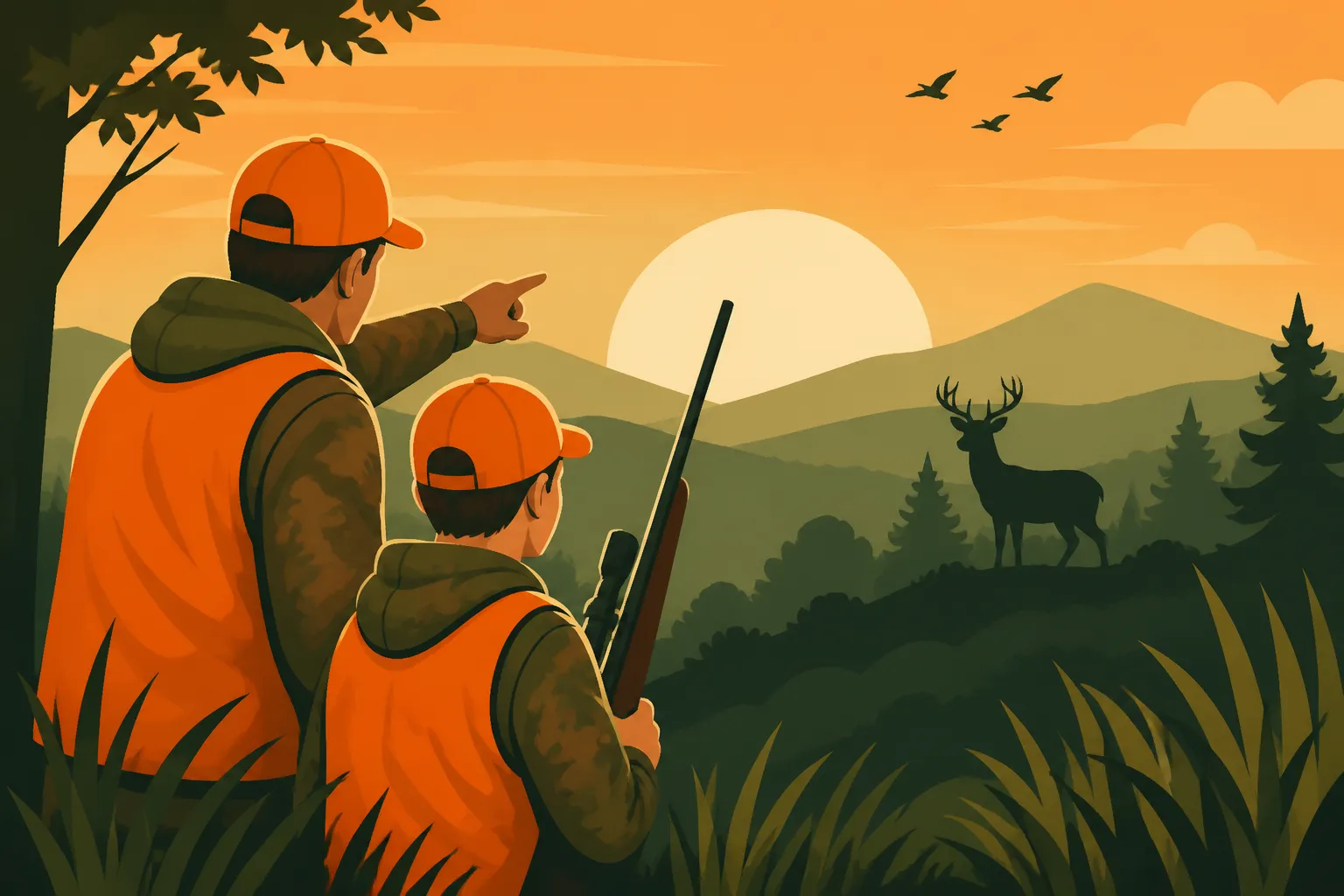
Hunting the Youth and Apprentice Weekend in April
The excitement of getting a young hunter or a new apprentice out into the Virginia woods is truly special, but let's be honest, figuring out all the rules and regulations for specific youth and apprentice weekends can feel like trying to untangle a fishing line after a big snag. It's frustrating when you just want to share the passion for hunting, but the paperwork and legalities seem to get in the way. This guide will help you understand everything you need to know about participating in and making the most of Virginia's Youth and Apprentice Weekend in April, focusing primarily on spring turkey hunting opportunities.
Understanding Virginia's Youth and Apprentice Weekend
Virginia offers special hunting opportunities designed to introduce new hunters, both young and adult apprentices, to the traditions and skills of hunting in a mentored and often less pressured environment. The Youth and Apprentice Weekend in April is a prime example, specifically targeting spring gobblers. It's a fantastic initiative by the Virginia Department of Wildlife Resources (DWR) to foster the next generation of conservationists and ethical hunters.
Who Qualifies for the Weekend Hunt
When we talk about "youth" for these special weekends, the DWR generally refers to hunters aged 15 and under. These youngsters must be accompanied by a licensed, adult mentor who is at least 18 years old and adheres to specific supervision requirements. The mentor is there to guide, teach, and ensure safety, but they are not allowed to hunt themselves during these specific youth-only periods. It's all about focusing on the young hunter's experience.
The "apprentice" part of the weekend is often a bit less understood but equally important. An apprentice hunter, regardless of age, is someone who has purchased an apprentice hunting license. This license allows an individual to hunt for a set period, typically one license year, without first completing a hunter education course. This is a crucial pathway for adults who are new to hunting and might not have the immediate time or access to complete hunter education but want to get out in the field under the guidance of an experienced hunter. Like youth hunters, apprentice hunters must be accompanied by a licensed adult mentor, who is at least 18 years old, has a valid Virginia hunting license, and, if required, has completed hunter education. This mentor must stay within eyesight and normal voice contact.
When the Weekend Takes Place
The Youth and Apprentice Weekend for spring turkey typically falls in early April, usually the first full weekend of the month, right before the statewide spring turkey season opens to everyone. It's a highly anticipated time because it offers a unique, early crack at gobblers. While exact dates can shift slightly year to year, always double-check the current Virginia DWR regulations. For instance, in a recent season, it might have been set for April 6-7, allowing those youth and apprentice hunters to chase longbeards while the woods are still relatively quiet before the full season rush. This early access provides a valuable learning opportunity without the added pressure of more hunters in the field.
These weekends are a fantastic way to immerse new hunters in the full spring turkey experience—from the pre-dawn setup to the thrilling gobbler calls. They get to hear the woods wake up, listen to birds on the roost, and experience the nuanced calling that brings a tom in close. This focused window often yields higher success rates for new hunters simply due to reduced competition and the fresh enthusiasm of unpressured birds.
Why These Weekends Exist
The creation of youth and apprentice hunting weekends by the Virginia DWR stems from several vital goals. First and foremost, it's about hunter recruitment and retention. Hunting participation has seen declines in various areas, and these programs are designed to lower barriers to entry and make the initial experience positive and memorable. By providing a dedicated, low-pressure environment, new hunters are more likely to enjoy themselves, learn effectively, and stick with the sport.
Secondly, it's a safety initiative. By mandating a mentor and often operating outside of the general season, it ensures new hunters are learning under direct supervision, focusing on firearm safety, ethical shot placement, and responsible hunting practices. It’s a controlled educational setting, far removed from the more complex scenarios a solo hunter might face. You can think of it as a guided first step into a lifelong pursuit. These mentored hunts are particularly effective at instilling the core values of conservation and respect for wildlife from an early age, which is crucial for the future of Virginia's hunting heritage.
Navigating Regulations and Requirements
Understanding the rules is paramount for a safe and legal hunt, especially when you're introducing someone new to the sport. Virginia's DWR puts a lot of effort into making these seasons accessible, but it's still on the hunter and mentor to know and follow the specific guidelines. Don't just assume; always check the current DWR Hunting & Trapping Regulations Digest.
Licensing and Hunter Education Essentials
For the youth hunter (under 16), they generally do not need a hunting license to participate in these special youth weekends, as long as they are accompanied by a properly licensed adult mentor. However, once they turn 16, they will need to purchase a Virginia hunting license. The mentor, on the other hand, absolutely must possess a valid Virginia hunting license for the current season, along with a Virginia Turkey License. If they are an apprentice mentor, they would also need their own apprentice license if they haven't completed hunter education.
For hunters aged 12 to 15, while they don't need a license for these youth-specific hunts, they are generally required to complete a hunter education course before they can hunt unsupervised or hunt during regular seasons. The youth and apprentice weekend is a fantastic way to get field experience before or during the hunter education process. If you're looking to get your child or apprentice certified, you can explore the options for Virginia Hunter Education Requirements through the DWR. The adult mentor accompanying the youth or apprentice must also meet Virginia's hunter education requirements unless they are hunting under an apprentice license themselves. This ensures that the person providing guidance has a solid understanding of safety and regulations.
Specific Bag Limits and Restrictions
During the Youth and Apprentice Weekend in April, the general spring turkey bag limit for an individual is usually one bearded turkey per day, with a season limit of two bearded turkeys in most areas. However, for youth and apprentice hunters during this specific weekend, their harvest counts towards their overall season limit, just like any other hunter. It's not a "bonus" bird; it's an early opportunity. So, if a youth hunter takes a gobbler on this weekend, they still only have one more bird they can harvest during the rest of the general spring turkey season.
It's also important to remember that during spring turkey season in Virginia, only bearded turkeys can be harvested. No hens, no exceptions. This is a critical conservation measure to protect the breeding population. Always verify the most up-to-date bag limits and season dates directly from the DWR website or their annual regulations digest before heading out. Don't forget that if you're hunting in a Chronic Wasting Disease (CWD) management area, there might be additional carcass movement restrictions or mandatory testing requirements, though these usually apply more to deer.
Mentor Responsibilities and Safety
The mentor's role during the Youth and Apprentice Weekend is arguably the most critical component. Their primary responsibility is the safety and education of the new hunter. This isn't a weekend for the mentor to try and fill their own tag; it's a chance to share knowledge, instill values, and create lasting memories. The mentor must stay within close proximity, typically within eyesight and normal voice contact, to provide immediate instruction and supervision.
Safety is paramount. This includes proper firearm handling, understanding zone of fire, and ensuring positive target identification. Before the hunt, review firearm safety rules thoroughly. During the hunt, position yourselves so the mentor can constantly monitor the hunter's actions and surroundings. Here’s a quick overview of key mentor responsibilities:
| Responsibility Area | Specific Actions |
|---|---|
| Supervision | Remain within eyesight and normal voice contact at all times. Actively monitor the hunter's actions and surroundings. |
| Safety Training | Review firearm safety rules, safe zones of fire, muzzle control, and proper handling of the chosen weapon before and during the hunt. |
| Ethical Hunting | Teach about fair chase, identifying legal game (bearded turkey only), and the importance of a clean, ethical shot. |
| Regulations | Ensure all licensing, bag limits, and reporting requirements are met. Carry proof of mentor's valid license and hunter education card. |
| Field Skills | Instruct on scouting, tracking, calling, reading terrain, and environmental awareness. |
| Post-Harvest | Guide the hunter through proper field dressing, transportation, and checking of the animal. |
Beyond safety, mentors should focus on making the experience enjoyable and educational. Share stories, teach about turkey biology, explain why you're calling a certain way, or how to Reading a Ridge for Blue Ridge Deer. The goal is to spark a lifelong interest, not just to punch a tag.
Practical Strategies for a Successful Hunt
Success on a Youth and Apprentice Weekend isn't just about bagging a bird; it's about the experience, the learning, and the memories created. But let's be real, harvesting a turkey definitely adds to the excitement! Planning and preparation are key, especially when you have a new hunter in tow.
Choosing the Right Location
Finding the right spot is crucial for a positive experience. You want an area with a good turkey population but also one that isn't overly difficult to navigate, especially for younger hunters.
- Private Land: If you have access to private land, this is often the ideal choice. Less pressure, familiar territory, and the ability to control the environment can make a huge difference. You can scout thoroughly beforehand, set up comfortably, and not worry about other hunters interfering.
- Public Land: Virginia offers a wealth of public hunting opportunities, including numerous Wildlife Management Areas (WMAs) and national forests. When considering public land, look for WMAs known for good turkey numbers, such as Amelia Wildlife Management Area or James River Wildlife Management Area. Early scouting is absolutely critical. Use resources like the DWR website or apps like GoHunt to study aerial photos, identify potential roosting areas, food sources, and travel corridors. Look for easily accessible areas that aren't too steep or dense, as navigating challenging terrain with a young hunter can quickly turn a fun outing into a frustrating one. You might find some excellent insights by checking out guides on Scouting Virginia Public Land Before Season. Remember that during this youth weekend, pressure will be significantly lower than during the general season, giving you an advantage.
Consider locations that minimize walking distance from the vehicle, offer natural blinds or good cover for setting up, and provide relatively open woods for better visibility and shot opportunities. A gentle slope near a creek bottom or a field edge where turkeys might feed are often good starting points.
Essential Gear for Young Hunters
Equipping a young or apprentice hunter properly contributes immensely to their comfort, safety, and success. You don't need the latest, most expensive gear, but functional and appropriate equipment is a must.
- Firearm: For spring turkey, a 20-gauge shotgun is often ideal for younger hunters due to its lighter weight and reduced recoil compared to a 12-gauge. Ensure the gun fits them properly; a stock that is too long or too short will affect their ability to shoot accurately and comfortably. Practice shooting beforehand to ensure they are familiar and confident with the firearm. Using appropriate turkey loads, like a good quality buffered or tungsten shot, will increase effective range and pattern density, giving them the best chance for a clean harvest.
- Optics: While not strictly necessary for turkey hunting, a good pair of binoculars can enhance the experience. They allow the hunter to spot distant birds, observe their behavior, and learn to identify features like beards. An 8×42 binocular is usually a good all-around choice.
- Clothing: Layers are key for April mornings in Virginia, which can start cold and warm up quickly. Lightweight, quiet camouflage clothing is essential for blending in. Be sure to check Virginia's specific requirements for Virginia Blaze Orange Requirements if you transition into a general season hunt, although it's often not strictly required for turkey hunting in the same way it is for deer. However, carrying some blaze orange for walking in and out of the woods is always a good safety practice. Waterproof boots are also vital, as spring woods can be damp.
- Other Essentials: A comfortable, supportive vest with a built-in seat cushion is invaluable for long sits. Bring calls (mouth, slate, box) to engage the hunter in the calling process. Decoys can be incredibly effective for bringing a gobbler into range and distracting him from your position. Don't forget bug spray, snacks, water, and a small first-aid kit. A fully charged phone (with a GoHunt app pre-loaded for maps) or a GPS unit is also crucial for navigation, especially on public land.
Engaging Young Hunters in the Process
The biggest part of the weekend isn't just the hunt itself, but the entire journey. Make it an immersive and educational experience from start to finish.
- Pre-Hunt Scouting: Involve them in scouting trips. Teach them how to look for turkey sign, interpret tracks, and identify roosting areas. Show them how to use mapping tools like GoHunt to mark potential spots. This builds anticipation and teaches them valuable woodcraft.
- Calling and Decoy Setup: Explain why you're making certain calls and what response you're hoping for. Let them try simple calls themselves. Discuss decoy placement and how it can affect a gobbler's approach. This involvement gives them ownership of the hunt.
- Patience and Observation: Turkey hunting often involves a lot of waiting. Use this time to teach patience and observation. Point out other wildlife, explain the sounds of the woods, or discuss tree identification. Make it a nature lesson, not just a hunt.
- Celebrating Small Victories: Even if you don't bag a bird, celebrate the experience. Hearing a distant gobble, seeing a hen, or successfully calling in a jake are all wins. Positive reinforcement is crucial. Talk about strategies like Run-and-Gun Turkey Tactics on Public Land and how different approaches can yield different results.
- Post-Hunt Activities: If successful, involve them in the entire process, from field dressing to preparing the meat. This teaches respect for the animal and the full cycle of the hunt.
Post-Hunt Procedures and What's Next
So, you’ve had an incredible experience, and maybe even a successful harvest on the Youth and Apprentice Weekend in April. The journey isn't quite over yet. There are still a few important steps to follow, and then, of course, the excitement of planning future adventures!
Reporting Your Harvest
Virginia has mandatory harvest reporting for all big game, and spring turkeys are no exception. This is a critical step for DWR to manage populations effectively. Every bird harvested by a youth or apprentice hunter during this weekend, or any other season, must be reported.
The easiest and most common way to report your harvest is through the Virginia DWR's Go Outdoors Virginia mobile app or their website. You'll need specific information about the kill, including the date, county, type of weapon used, and the sex of the bird. Make sure to have this information readily available. The process is usually straightforward, but don't delay – there's a specific deadline for reporting, often by midnight on the day of harvest. This ensures that the DWR gets accurate, timely data on Virginia Turkey Harvest Numbers which helps them make informed management decisions for years to come.
It’s a great opportunity to teach the young hunter about the importance of ethical responsibility and contributing to wildlife management. Show them how to complete the report, explain why it's necessary, and let them participate in filling out the details.
Preparing for Future Hunts
The Youth and Apprentice Weekend in April is often just the beginning of a lifelong passion. The lessons learned, the skills acquired, and the memories made during this special time are invaluable.
- Review and Reflect: After the hunt, take some time to debrief. What went well? What could have been done differently? Did the calling strategy work? How did the weather affect turkey behavior? This reflection helps solidify learning and improves future hunting strategies.
- Practice Skills: Encourage continued practice of shooting skills, calling techniques, and scouting. Keep an eye on local ranges for opportunities to hone marksmanship. Practice turkey calls in the off-season so they're ready for the next spring.
- Explore Other Opportunities: If the spring turkey weekend was a hit, consider other youth-friendly hunting opportunities. Virginia offers a Virginia Youth Deer Weekend Rules in the fall, which is another excellent chance to get young hunters afield. There are also small game seasons, like squirrel or rabbit hunting, that can be fantastic for building foundational hunting skills. Don't forget to keep an eye on when Virginia Turkey Season Closing Date arrives, and plan for other hunts throughout the year!
- Stay Informed: Encourage checking the DWR regulations regularly for updates on seasons, bag limits, and new opportunities. Tools like GoHunt can also provide up-to-date information and help locate prime hunting spots throughout the state. Continuous learning is a hallmark of a responsible hunter.
By making these weekends a holistic learning experience, from preparation to harvest reporting and beyond, you're not just taking a child or apprentice hunting; you're nurturing a future conservationist and ensuring the enduring legacy of hunting in Virginia.
Disclaimer
Please note that hunting regulations, dates, and requirements are subject to change by the Virginia Department of Wildlife Resources (DWR). This guide provides general information based on typical season structures. Always consult the most current official DWR Hunting & Trapping Regulations Digest or the DWR website (dwr.virginia.gov) before planning or participating in any hunting activity. Failure to comply with regulations can result in fines, penalties, and loss of hunting privileges. Safety should always be your top priority in the field.