Virginia Deer Damage Permits for Farmers
For Virginia farmers, seeing deer systematically decimate crops or damage property can be utterly heartbreaking and financially devastating. It’s a frustrating reality when the beautiful wildlife we cherish becomes a threat to our livelihood. This guide is here to walk you through the Virginia Department of Wildlife Resources (DWR) Deer Damage Permit program, offering a practical pathway to manage these destructive deer populations on your land.
Understanding Virginia's Deer Damage Permit Program
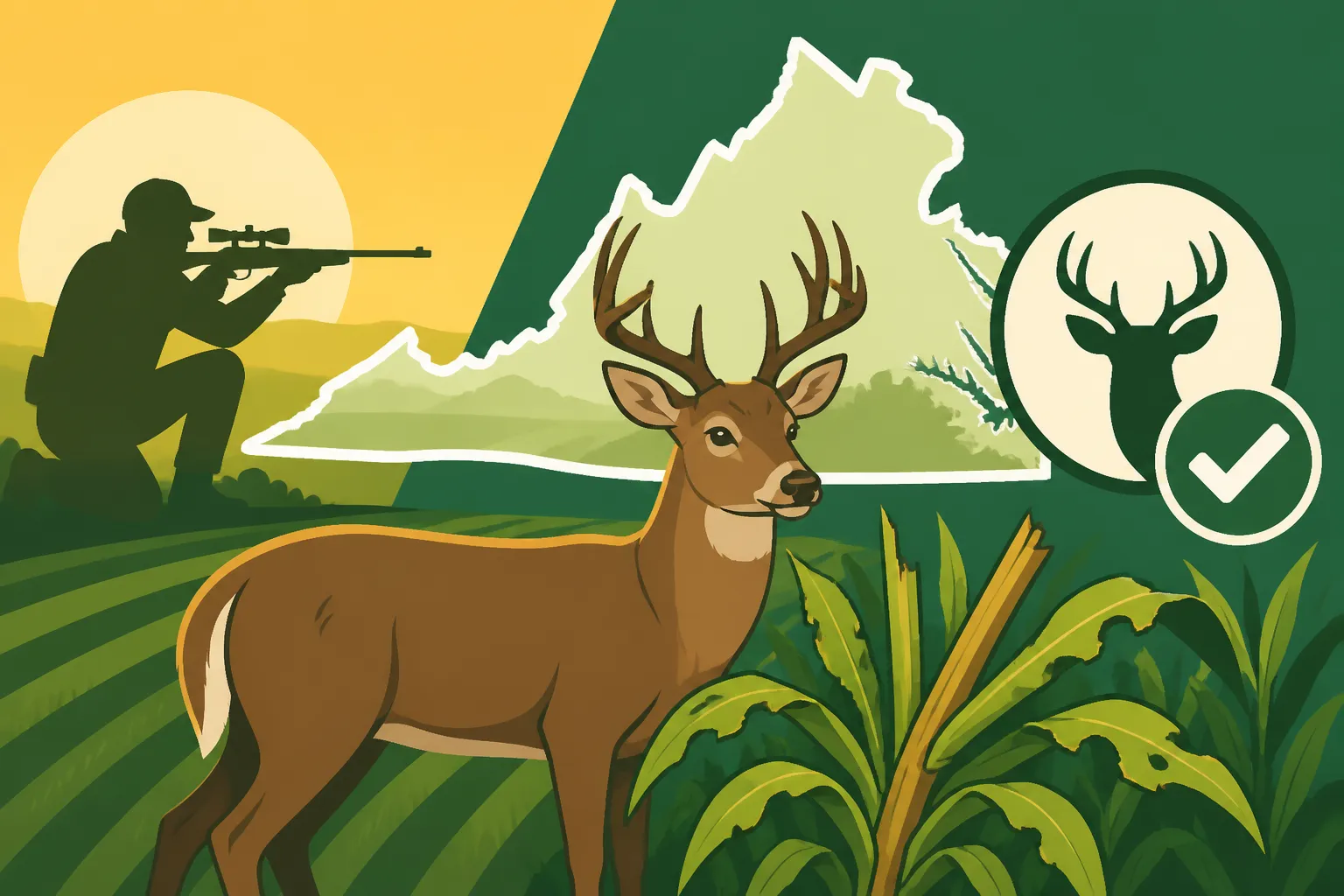
Let's face it, deer are a cherished part of Virginia's natural landscape, and many of us love seeing them. But when a healthy deer population explodes or shifts its feeding patterns, your fields, orchards, and even your carefully tended landscaping can become an all-you-can-eat buffet. For a farmer who's poured their sweat and capital into a harvest, watching deer ruin a cornfield overnight or browse valuable nursery stock down to stumps isn't just an inconvenience; it's a direct hit to their bottom line and a major source of stress. The DWR recognizes this genuine struggle.
The Problem: Why Deer Damage is Such a Headache for Farmers
The sheer volume of deer in some areas of Virginia, coupled with their opportunistic feeding habits, means that what might seem like a minor nuisance to a suburban homeowner can be a catastrophic loss for a farmer. We're talking about acres of soybeans flattened, young fruit trees stripped of their bark, or vegetable gardens picked clean before they even mature. These losses aren't just aesthetic; they impact market yield, feed costs for livestock, and overall farm viability. It's a constant battle, and traditional hunting seasons, while important, often aren't enough to mitigate the intense, localized damage a specific herd can inflict.
Beyond crop loss, deer can also damage fences, spread diseases like Lyme, and even contribute to vehicle collisions on rural roads, creating additional headaches and liabilities for landowners. Farmers often feel caught between wanting to coexist with wildlife and needing to protect their investments and livelihood. It’s a delicate balance, and sometimes, more aggressive management is the only solution to prevent total devastation. Understanding the actual Virginia Deer Population Estimate can shed light on why these issues are becoming more prevalent.
What is a Deer Damage Permit?
Simply put, a Deer Damage Permit is a specific authorization issued by the Virginia DWR that allows landowners or their designated agents to take deer outside of regular hunting seasons, or with methods not typically permitted, for the sole purpose of mitigating agricultural or property damage. Think of it as a targeted intervention. It's not a free pass to hunt whenever you want; it's a tool designed to address a verifiable problem. The DWR understands that sometimes, conventional hunting pressure isn't enough to deter persistent deer from specific fields or orchards, especially when significant economic loss is occurring.
The permit aims to provide a solution when other methods, like fencing or repellents, have proven impractical or ineffective due to the scale of the damage or the sheer number of deer involved. It's about providing relief and protection to those whose livelihoods are directly threatened. This program is distinct from general hunting licenses or even the standard Virginia Landowner Deer Permit Rules, which typically adhere to established seasons and bag limits.
Who Qualifies and What it Allows
To qualify for a Deer Damage Permit in Virginia, you generally need to be a landowner or leaseholder actively engaged in agricultural production or experiencing significant property damage due to deer. This isn't for your backyard tomato patch, but rather for substantial commercial operations or large-scale damage to valuable property. The DWR will investigate your claim to verify the extent and nature of the damage. They want to ensure the permits are used responsibly and only when truly necessary.
Once approved, a permit typically authorizes the taking of antlerless deer, or sometimes antlered bucks if they are specifically identified as problem animals, outside of regular seasons. The specific number of deer, the methods allowed (e.g., firearms during archery season, shooting at night with artificial lights), and the duration of the permit will be outlined by the DWR. It’s a highly individualized plan based on the assessment of your particular situation. This allows for focused removal of problem deer, reducing their numbers in the specific areas where they are causing the most harm.
The Application Process: Getting a Permit in Virginia
Navigating the application process for a Deer Damage Permit can feel a bit daunting, like adding another chore to an already overflowing list. But the DWR has a structured approach designed to ensure that these permits are issued fairly and effectively. It's not a quick phone call, but a necessary step to secure the legal means to protect your farm.
Initial Steps and Documentation
The first thing you’ll need to do is contact your local Virginia DWR office or a wildlife biologist. They are the experts on the ground who can guide you through the specifics for your county. You'll need to clearly articulate the problem, describing the type of damage, the crops or property affected, and the estimated financial loss. It’s helpful to have documentation ready: photos, videos, and detailed records of crop losses or property destruction are invaluable. The more evidence you can provide, the stronger your case.
This initial contact will often lead to a site visit from a DWR representative. They want to see the damage firsthand and understand the scope of the problem. This isn't just a formality; it's a crucial part of their assessment. During this visit, they might also discuss previous attempts you've made to deter deer, such as fencing, repellents, or increased hunting pressure during regular seasons. Think of it as a collaborative problem-solving session, where you present your case and they assess the situation to determine the best course of action. This thoroughness is part of the broader Virginia Depredation Permit Process.
The Virginia DWR Assessment and Approval
Following the initial contact and site visit, the DWR biologist will conduct a comprehensive assessment. They'll evaluate the severity of the damage, consider the local deer population density, and review your previous management efforts. They might ask about your farm's layout, nearby cover, and the deer's travel patterns. Tools like GoHunt's mapping features can be incredibly useful here, allowing you to show aerial views of your fields, game camera locations, and where damage is concentrated, providing a clear visual aid for the biologist. This helps them understand the context of the damage and formulate an appropriate management strategy.
If the DWR determines that a permit is warranted, they will then issue one, detailing the specific conditions under which deer can be taken. This includes the number of deer, the period of validity, permitted methods, and any special instructions regarding carcass disposal or reporting. It's a formal agreement, so read it carefully and ensure you understand all the terms. The goal is not just to issue a permit, but to provide an effective, targeted solution that minimizes conflict and supports agricultural interests.
Specific Permit Conditions and Restrictions
Each Deer Damage Permit comes with its own set of conditions and restrictions, tailored to your specific situation and the DWR’s assessment. For instance, a permit might specify that only antlerless deer can be taken, or it might allow the use of firearms during an archery-only season. In some cases, depending on the severity and localized nature of the problem, permits might even allow for night shooting with artificial lights, which is otherwise strictly prohibited during regular hunting seasons. It's critical to understand and adhere to these rules precisely.
One common requirement is that all deer taken under the permit must be reported to the DWR. This is essential for their population management data and to ensure accountability. Carcasses often must be utilized, meaning they can’t just be left to waste; many farmers donate the meat to local food banks, which is a wonderful way to give back while solving a problem. Furthermore, it's crucial to be aware of safety considerations, particularly Virginia Firearms Discharge Setback Rules, especially if you're operating near property lines or residential areas. Violating any of these conditions can lead to serious penalties, so meticulous adherence is paramount.
| Permit Condition Area | Typical Requirements | Important Considerations |
|---|---|---|
| Species & Sex | Primarily antlerless deer; sometimes specific bucks. | Target problem animals only. |
| Methods Allowed | May specify firearms, archery, or even night shooting. | Adhere strictly to authorized methods. |
| Season & Hours | Outside regular hunting season; specific hours for night shooting. | Operating outside legal hunting hours. |
| Location | Restricted to specific damaged fields or property. | Do not stray from authorized boundaries. |
| Number of Deer | Stated quota based on DWR assessment. | Do not exceed the authorized number. |
| Reporting | All deer taken must be reported to DWR. | Use the DWR app or online system promptly. |
| Carcass Disposal | Must be utilized (e.g., consumed, donated). | No waste allowed; proper handling is key. |
| Permit Duration | Specific start and end dates. | Ensure permit is valid for all actions. |
| Safety | Adherence to all firearms safety and setback rules. | Critical for community relations and legality. |
Managing Deer Damage Beyond the Permit
While a Deer Damage Permit can offer immediate relief, it’s often just one piece of a larger, ongoing management strategy. Truly effective deer damage control involves a multi-faceted approach, integrating various techniques to reduce current losses and prevent future issues. It's about thinking long-term and being proactive.
Integrated Pest Management for Deer
An integrated pest management (IPM) approach means combining several strategies to tackle deer damage. This isn’t just about shooting deer; it’s about making your farm less appealing to them in the first place. High-tensile fences can be incredibly effective for smaller, high-value plots, but they can be costly and impractical for large-acreage row crops. Other options include scare tactics, like propane cannons or effigies, which can work temporarily but deer often habituate to them. Chemical repellents, especially those with putrescent egg solids, can be effective on certain crops or ornamentals, though they require reapplication after rain.
Habitat modification is another powerful tool. If deer are using specific wooded areas as bedding cover right next to your crops, managing that cover through thinning or creating buffer zones can help. Similarly, planting trap crops or less desirable plants around the edges of fields can sometimes divert deer from your primary harvest. Understanding how deer move through the landscape can also inform your hunting strategy; for instance, knowing that deer love to follow old logging roads or creek bottoms, which GoHunt maps can highlight, can help you place stands more effectively during legal hunting seasons. Think of it as making your property less of a magnet for hungry deer.
Reporting and Record-Keeping Post-Harvest
Even after you've taken deer under a damage permit, the work isn't over. Accurate and timely reporting to the DWR is not just a requirement; it's vital for their data collection and helps them understand the effectiveness of their programs and the health of local deer populations. The Virginia DWR offers various ways to report your harvest, including through their Go Outdoors Virginia app, which can be super convenient right there in the field. This process is similar to general Virginia Deer Reporting Requirements.
Beyond simply reporting, keeping your own detailed records is also incredibly useful. Documenting dates, times, locations, and the number of deer taken, along with continued photos of damage, creates a comprehensive history. This information is invaluable if you need to apply for another permit in the future, providing concrete evidence of ongoing issues. It also helps you track what management strategies are working best on your particular property. You might notice, for example, that certain fields always get hit harder, allowing you to focus your efforts more precisely. When you're constantly evaluating deer patterns, Reading Aerial Photos for Piedmont Deer can also be a game-changer.
Community and Cooperative Approaches
Finally, addressing deer damage effectively often requires a community-wide effort, especially in areas with extensive agricultural lands. Deer don't recognize property lines, and what one farmer does to deter them might just push the problem onto a neighbor's land. Working with nearby landowners to implement coordinated management strategies, such as synchronized hunting efforts or shared fencing projects, can yield far better results than individual efforts alone. This cooperative spirit is a hallmark of rural Virginia.
Consider forming a local cooperative or connecting with existing hunting clubs. Allowing ethical hunters access to your property during regular seasons can be a cost-effective way to manage populations and can build good relationships within the community. When Hunting Small Private Tracts in Virginia, combining efforts with neighbors can create a larger, more impactful hunting area. Furthermore, educating non-farming neighbors about the challenges deer present to agriculture can foster understanding and support for these necessary management practices. Sometimes, a simple conversation about the problem can open doors to new solutions, perhaps even leading to more hunters Asking a Virginia Farmer for Permission to hunt your land.
Disclaimer
The information provided in this guide is for general informational purposes only and does not constitute legal advice. Hunting regulations and permit requirements can change. Always consult the most current Virginia Department of Wildlife Resources (DWR) regulations and directly contact the DWR for specific guidance regarding deer damage permits and associated laws before taking any action.