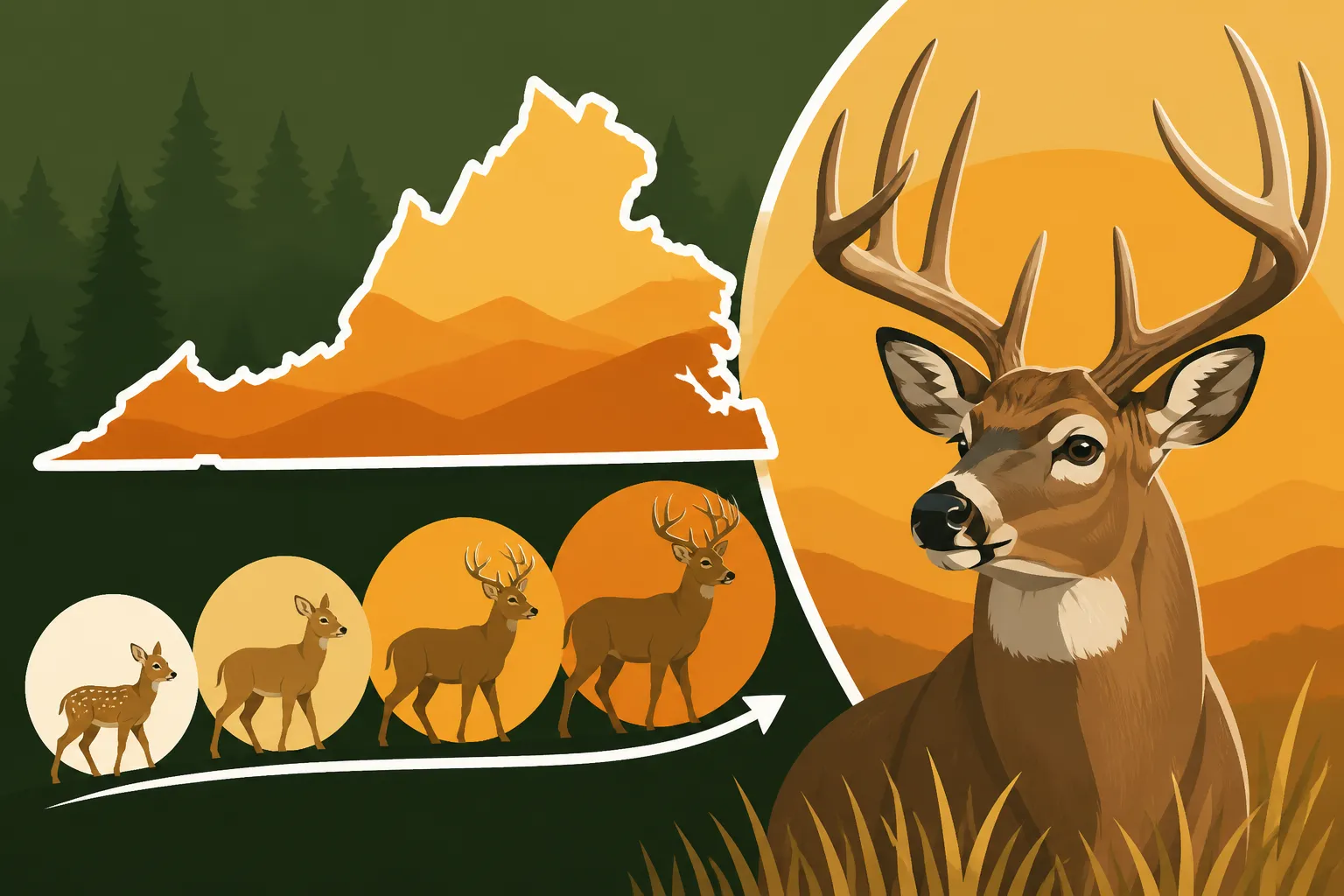
Virginia Buck Age Structure
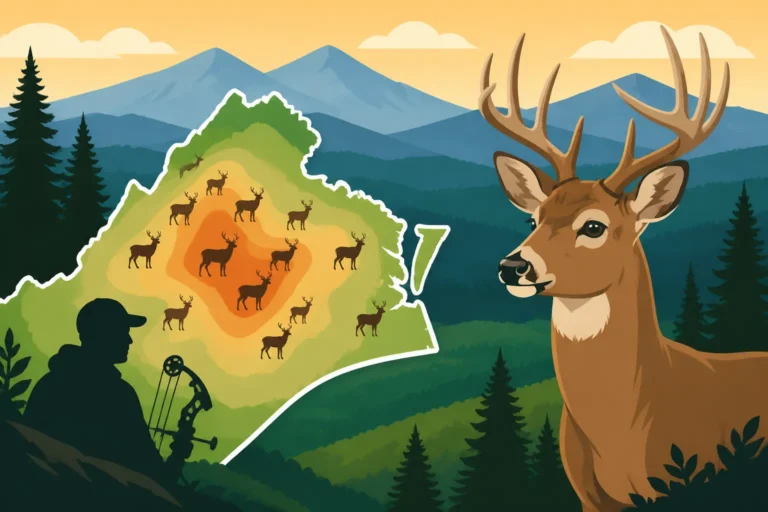
It’s a tale as old as time for Virginia deer hunters: you spend countless hours scouting, hanging stands, and sitting quietly in the timber, only to see endless parade of young bucks, spiking their way through the woods. You might wonder, "Are there any older deer left?" or "Is it just me, or does every buck I see look like a teenager?" It’s a completely valid frustration, and it speaks to a fundamental aspect of deer management and hunting success: buck age structure. This guide is here to unravel the mysteries of Virginia's buck age structure, exploring what it is, what influences it, and how understanding it can dramatically shape your hunting strategy and expectations in the Old Dominion.
What Exactly is Buck Age Structure and Why Does it Matter to Hunters?
When we talk about "buck age structure," we're really just talking about the distribution of different age classes within the male deer population. Think of it like a demographic chart for bucks: how many yearlings are there, how many two-and-a-half-year-olds, how many mature bucks aged three-and-a-half and older? It's not just about antler size, though that's often the most visible indicator. It's about how many bucks are actually making it past their first year or two of life.
For hunters, this matters immensely, and frankly, it can be a source of constant wonder and occasional disappointment. We all dream of that truly mature buck, the one with the heavy antlers and the cautious, intelligent demeanor that makes the hunt a true chess match. If the age structure in your hunting area is skewed heavily towards younger deer, meaning most bucks are 1.5 or 2.5 years old, then your chances of encountering one of those older, more challenging bucks are naturally lower. It can feel like you're playing a game where all the kings have been removed from the board, leaving only pawns and knights.
But it’s more than just antlers. A healthy buck age structure is a sign of a balanced and robust deer herd. Mature bucks play a crucial role in breeding, ensuring a strong gene pool. For hunters, understanding the age structure helps manage expectations and can even inform your personal hunting goals. Are you content harvesting any legal buck, or are you specifically targeting older animals? Your approach might shift dramatically depending on what the local buck age structure suggests is possible. You can get a general sense of how deer are distributed by checking reports like the Virginia Deer Population Estimate to see how herd numbers are trending, which often correlates with age classes. Hunting apps like GoHunt can also offer insights, sometimes displaying community harvest data or showing areas known for certain age class sightings, giving you a virtual peek into what might be out there before you even set foot in the woods.
Understanding the Factors Shaping Virginia's Buck Age Structure
Virginia’s buck age structure isn't just some random roll of the dice; it's the result of a complex interplay of environmental factors, human activity, and the very regulations designed to manage our deer herd. If you’ve ever wondered why one county seems to consistently produce bigger, older bucks than another, these factors are almost certainly at play.
Hunting Pressure and Harvest Strategies
This is arguably the most significant factor affecting buck age structure in Virginia, just as it is everywhere else. Simply put, if too many young bucks are harvested before they have a chance to mature, the age structure will inevitably be skewed towards younger animals. This is especially true in areas with high hunting pressure, particularly on public lands or properties that see a lot of hunters during the general firearms season. The opening weekend of Virginia's General Firearms Deer Season often sees a high harvest of younger, less cautious bucks, simply because they are more likely to move and be seen.
Virginia's regulations, while designed for overall herd health, also play a role. The state offers diverse seasons, from Bowhunting Virginia's Statewide Archery Season to Virginia's General Firearms Deer Season, each with its own pressures. The total number of antlered bucks a hunter can take in a season directly impacts how many bucks survive to the next year. If you're consistently seeing a lot of 1.5-year-old bucks, it's likely that a high percentage of bucks are being harvested as soon as they become legal targets. This isn't inherently bad for herd health if doe harvests are also managed, but it does mean fewer bucks reach older age classes.
Habitat Quality and Nutrition
You can't grow a big, old buck without good food and plenty of cover. Habitat quality is a huge, often underestimated, driver of buck age structure. Areas with abundant, high-quality forage, like agricultural fields, diverse timber stands, and well-managed private lands, provide the nutrition bucks need to develop strong bodies and, consequently, impressive antlers. More importantly, good habitat provides the cover and refuge bucks need to survive hunting seasons, evade predators, and simply live long enough to get old.
Consider a mature buck in a rich Piedmont farm country compared to one in the rugged Appalachian Mountains. The Piedmont buck likely has access to corn, soybeans, clover plots, and thick fencerow cover – a veritable buffet and a safe haven. This superior nutrition allows bucks to recover quickly from the rut, grow larger bodies, and funnel energy into antler development year after year, given they survive the hunting pressure. In contrast, a mountain buck might rely on harder-to-find mast crops and browse, and while the mountains offer vast tracts of cover, the food resources might be less consistent or nutritious. This difference in resources directly impacts their ability to grow and, crucially, to survive long enough to become mature.
Virginia's Deer Season Structure and Bag Limits
The rules and regulations set by the Virginia Department of Wildlife Resources (DWR) are the framework within which age structure develops. Virginia Deer Season Structure Explained is critical to understanding these factors. The bag limits, specific seasons, and regional distinctions are all tools used to manage the deer herd, including the age structure of bucks.
For instance, the differing buck bag limits East Versus West of the Blue Ridge Bag Limits directly influence the potential for bucks to reach older ages. The eastern region, generally having higher deer densities and often more accessible agricultural lands, has a different buck limit than the mountainous western region. These regulations are in place for a reason, aiming to balance hunter opportunity with herd health. However, they can unintentionally create areas where older bucks are simply harder to find because the harvest pressure on younger bucks is consistently high. If hunters in a particular area are consistently filling their buck tags with the first legal deer they see, it will inherently keep the overall buck age younger.
Regional Variations in Virginia's Buck Age Structure
Virginia is a state of incredible topographical and ecological diversity, from the tidal marshes of the Eastern Shore to the peaks of the Blue Ridge Mountains. This diversity means that what you experience in terms of buck age structure in one part of the state can be vastly different from another, and understanding these nuances is key to realistic expectations and effective hunting.
The Piedmont's Potential for Older Bucks
If you're looking for areas with a higher likelihood of encountering older, more mature bucks, the Virginia Piedmont often stands out. Why? It's a combination of factors. The fertile soils and extensive agricultural lands provide a consistent, high-quality food source that fuels impressive antler growth and allows bucks to pack on critical body weight. This nutritional abundance translates directly into healthier, faster-growing deer that can better withstand the rigors of the rut and harsh winters. This is precisely Why the Piedmont Grows Big Bucks.
Beyond food, much of the Piedmont is characterized by a mosaic of private lands. While hunting pressure can still be significant, particularly on smaller parcels, larger tracts often implement some form of quality deer management (QDM) or simply have less overall pressure than, say, a heavily hunted public land in the mountains. Landowners, or hunting clubs managing these larger private holdings, might voluntarily pass on younger bucks, allowing them to age and contribute to a more balanced age structure. This intentional restraint, combined with superior habitat, means bucks simply have a better chance of living to 3.5, 4.5, or even 5.5 years old, leading to more impressive deer appearing in the Virginia Deer Harvest Records for this region.
Mountain Challenges and Unique Opportunities
Hunting in Virginia's mountains, particularly in the vast expanses of the George Washington and Jefferson National Forests, presents a different scenario for buck age structure. Deer densities are generally lower here compared to the Piedmont, and the rugged terrain makes food sources more scattered and often less nutritious. Acorn crops can be boom or bust, and browse can be limited. This can mean slower growth rates for bucks and a greater challenge for them to reach older age classes.
Compounding this is the widespread hunting pressure on public lands. While the sheer size of the national forests offers places to escape, many hunters converge on accessible areas, leading to a consistent harvest of younger bucks. The challenge of Hunting West of the Blue Ridge often involves covering more ground for fewer, though potentially harder-earned, encounters.
However, the mountains also offer unique opportunities. The same challenging terrain that makes hunting tough also creates natural refuges where bucks can evade pressure. Remote hollows, steep ridges, and thick laurel thickets might hold older bucks that have learned to survive by being reclusive. These are often the biggest-bodied, craftiest deer that have outsmarted many seasons. While the overall proportion of older bucks might be lower than in the Piedmont, the satisfaction of harvesting one from the deep mountains is unparalleled.
Eastern vs. Western Region Buck Limits
Virginia officially divides the state into an Eastern and Western Deer Management Region, primarily defined by the Blue Ridge Mountains, and this distinction has a direct impact on buck age structure. The different buck bag limits – How Many Bucks the Eastern Region Allows versus How Many Bucks the Western Region Allows – are a reflection of deer densities and management goals in these areas.
In the Eastern Region, where deer densities are generally higher and habitat often richer, hunters are typically allowed a higher annual buck harvest. This higher harvest potential, especially if not coupled with selective hunting practices, can contribute to a younger average buck age structure if many hunters are quick to fill their buck tags.
Conversely, the Western Region often has more conservative buck limits, reflecting lower deer densities and different habitat challenges. While these regulations are designed to sustain the herd, they can also, over time, allow more bucks to survive to older age classes if other factors like intense hunting pressure don't counteract it. For any hunter, understanding these regional regulations is paramount, and it provides insight into why the deer you see might be different depending on which side of the Blue Ridge you're hunting.
Here's a simplified look at how some regional characteristics can influence buck age structure:
| Feature | Virginia Piedmont | Virginia Mountains |
|---|---|---|
| Habitat Quality | High; abundant agricultural crops, diverse timber. | Moderate to Variable; scattered mast, extensive browse. |
| Deer Density | High to Very High | Moderate to Low |
| Hunting Pressure | Variable; often lower on larger private lands. | High on accessible public lands; lower in remote areas. |
| Buck Survival to Older Ages | Higher potential due to nutrition and less pressure. | Lower overall potential, but remote refugia exist. |
| Antler Potential | Generally higher due to nutrition. | Variable, can be impressive from mature, healthy deer. |
| Dominant Age Class Seen | Often a broader mix, with good numbers of 2.5-3.5+ year olds. | Often skewed younger (1.5-2.5 year olds) in many areas. |
How Hunters Can Influence and Adapt to Buck Age Structure
Understanding buck age structure isn't just an academic exercise; it's a practical tool that can empower you as a hunter to make more informed decisions and even contribute to the quality of deer in your area. You can't change statewide policy overnight, but your actions, and how you approach the hunt, can certainly make a difference.
Selective Harvest and Quality Deer Management (QDM)
While often associated with large private landholdings or formalized clubs, the principles of Quality Deer Management (QDM) can be applied by any individual hunter, anywhere. At its heart, QDM is about improving the overall health and quality of the deer herd, which includes promoting a balanced buck age structure. For the individual hunter, this often translates to selective harvest: choosing to pass on younger bucks to allow them to mature, while still being diligent in harvesting antlerless deer to help balance the herd's sex ratio and keep numbers within carrying capacity.
This isn't about antler restrictions (which Virginia only has in a few specific counties, and often on public ground) but about personal choice. If you consistently pass on 1.5-year-old spike or forkhorn bucks, those deer have another year or two to grow. Think of it as investing in the future of your hunting. This approach requires patience and discipline, but the reward of eventually harvesting a truly mature buck you've allowed to grow is incredibly satisfying. It's a mindset shift from "if it's brown, it's down" to "is this the deer I want to take, or should I let him walk?"
Scouting for Older Bucks and Adapting Your Strategy
Knowing that older bucks exist, even if they're fewer in number, should fuel your scouting and hunting efforts. Mature bucks are masters of survival; they didn't get old by being easy to fool. This means your scouting tactics need to be top-notch. Focus on finding areas of dense cover adjacent to food sources, identifying subtle travel corridors, and learning how to interpret rub lines and scrapes. Rather than just hunting where deer are, try to hunt where older deer are likely to be.
Utilize tools like GoHunt to study aerial imagery, identify potential bedding areas, secure travel routes, and pinch points that older bucks might favor. Look for thicker, harder-to-reach pockets, especially on public land. During periods like Hunting the Virginia Rut in November, older bucks become more vulnerable as they move extensively, but they're still cautious. Your strategy should shift from ambushing feeding deer to intercepting cruising bucks in transitional cover.
Furthermore, adapt your hunting style. Perhaps instead of sitting a wide-open field edge, you focus on deep woods setups, targeting bottlenecks, saddles, or areas where deer must cross a terrain feature. Patience is paramount, as is minimizing your intrusion. Learning to Scouting Virginia Public Land Before Season is crucial for identifying these subtle, often overlooked, spots that might harbor a reclusive old monarch.
Using Data and Resources to Your Advantage
The Virginia DWR provides a wealth of information that can help you understand the buck age structure in your specific hunting area. Reviewing Virginia Deer Harvest Records can offer insights into the number of bucks harvested in different counties, though it doesn't always break down by age. However, DWR biologists often have a good pulse on local herd dynamics and may share general trends about age structure if you attend public meetings or engage with them directly.
Another increasingly valuable resource for understanding deer movement and potential age structure comes from technology. Mapping apps and hunting platforms like GoHunt can offer layers showing public/private land boundaries, topographical features, and even user-generated data points that might hint at areas holding more mature deer. While you won't get precise age data, combining these tools with your boots-on-the-ground scouting can help you pinpoint those overlooked spots where a smart old buck might be living. Additionally, consider how your own trail cameras can help you understand the age classes on your property. By running cameras year-round, you can track individual bucks over multiple seasons, watching them grow and mature – or, sadly, seeing them disappear from the roster. This personal data collection is an excellent way for an individual hunter to gain an intimate understanding of the buck age structure right in their backyard.
Understanding Virginia's buck age structure isn't just about big antlers; it's about connecting with the health of the herd and becoming a more informed, effective, and ethical hunter. While the prevalence of younger bucks can sometimes be disheartening, knowing the factors at play and how you can influence them empowers you to make smarter decisions, cultivate patience, and ultimately, find deeper satisfaction in your time afield.
Disclaimer
This article is for general informational purposes only and does not constitute professional advice. Laws, prices and regulations vary by location and change over time. Consult a qualified professional for guidance on your specific situation.