How Many Deer Have Tested CWD-Positive in Virginia
It’s tough when you hear about diseases like Chronic Wasting Disease (CWD), especially when you love hunting Virginia deer. You want to know the real picture, not just soundbites, and understand how it impacts our cherished whitetail population and our hunting traditions. This guide aims to provide a comprehensive look at how many deer have tested positive for CWD in Virginia, where those cases are concentrated, and what it means for hunters like us.
Understanding Chronic Wasting Disease in Virginia's Deer
It’s easy to feel a knot in your stomach when you hear about diseases affecting our wild deer. CWD can sound scary, and the science behind it is complex, but understanding the basics is the first step in addressing concerns and staying informed. This section breaks down what CWD actually is and how it initially became a concern for Virginia hunters, painting a clear picture of this persistent challenge.
What CWD Is and How It Spreads
Chronic Wasting Disease isn't your typical bacteria or virus; it's a neurological disease affecting deer, elk, and moose, caused by abnormal proteins called prions. These prions essentially corrupt normal proteins in the animal's brain and nervous system, leading to a slow, progressive degeneration that is ultimately fatal. Imagine a tiny, invisible saboteur slowly eroding the very core functions of an animal's body over time. The symptoms, which might not show up for a year or more after infection, include drastic weight loss (hence "wasting"), stumbling, listlessness, behavioral changes like reduced interaction with other deer, and excessive salivation. It's a truly heartbreaking sight, often leading hunters to describe infected deer as "zombie deer," though the term is sensationalized, it conveys the severe decline in health.
The way CWD spreads is what makes it particularly challenging to manage. Infected animals shed prions through saliva, urine, and feces. These prions can then contaminate the environment, persisting in the soil and plants for years, even decades. So, a healthy deer doesn't even need direct contact with an infected animal; it can pick up the prions just by grazing in contaminated areas where an infected deer once stood. Think of it like a lingering, invisible threat in the environment that doesn't just disappear with the seasons. This persistence is why CWD isn't just a short-term problem that can be quickly eradicated; it requires long-term vigilance and sustained management strategies to try and contain its spread, which can feel like an uphill battle.
Another major vector for CWD spread is through the movement of infected animals, or even infected animal carcasses or parts, by humans. While natural deer movement plays a role in local spread, human activities can inadvertently accelerate the problem across greater distances, sometimes hundreds of miles. This is why Virginia, like many other states, has stringent rules about moving deer carcasses from specific areas. Hunters need to be acutely aware of these regulations because they are a critical line of defense in preventing CWD from jumping to new regions and affecting more of our deer populations, potentially unraveling years of conservation efforts.
The First Appearance of CWD in Virginia
The arrival of CWD in Virginia was a significant moment for our hunting community, marking a new chapter in wildlife management challenges and prompting a serious re-evaluation of strategies. The disease was first detected in a deer harvested in Frederick County, a discovery that immediately put wildlife officials and hunters on high alert. This wasn't just a distant problem anymore, something heard about in other states; it was right here in our backyard, impacting the very deer we cherish and pursue season after season. You can read more about Which County Found Virginia's First CWD Case to understand the specifics of that initial detection and the immediate response it triggered.
Following this initial discovery, extensive surveillance and testing efforts were ramped up, particularly in Frederick County and the surrounding areas of the northern Shenandoah Valley. The Virginia Department of Wildlife Resources (DWR) worked tirelessly to identify the extent of the disease's presence, mobilizing staff and resources to collect samples. This period was filled with uncertainty, as everyone waited to see if this was an isolated incident or the tip of a much larger iceberg already established within the herd. The collective hope was, of course, for the former, but the insidious nature of CWD often means that by the time it's detected, it's already established a silent foothold, slowly spreading below the radar.
The confirmation of CWD spurred the establishment of what are known as Disease Management Areas (DMAs), which are crucial for focused monitoring and control efforts. These zones are defined by the presence of CWD and come with specific regulations designed to slow its spread, such as mandatory testing and carcass transport restrictions. Hunters within these areas quickly learned that their practices might need to adapt to help protect the wider deer population. The initial detection was a wake-up call, underscoring the vital importance of hunter cooperation in disease management and the need for ongoing vigilance.
Documenting CWD-Positive Deer in Virginia
One of the most pressing questions for hunters and wildlife enthusiasts is how widespread CWD has become in Virginia. It’s not just a matter of curiosity; it directly informs hunting regulations, carcass transport rules, and the overall health outlook for our deer population. Understanding the trends in positive cases gives us a clearer picture of the challenge ahead and helps us adapt our hunting plans accordingly.
Trends in Confirmed CWD Cases
Since the initial detection in Frederick County, Virginia has seen a consistent, albeit gradual, increase in the number of confirmed CWD-positive deer. It's not a sudden explosion of cases that would immediately decimate herds, which is a testament to early detection and management efforts, but rather a slow, steady climb in the cumulative total. This growth often occurs as surveillance efforts intensify and the disease, unfortunately, continues its silent spread within the affected populations. Each year, when the testing results come in after hunting season, hunters and wildlife managers alike hold their breath, hoping for a flattening of the curve, but the reality of prion diseases means sustained vigilance is always required.
The number of CWD-positive deer in Virginia has steadily accumulated over the years, growing into the hundreds. It's not a static number that you can put a single figure on and expect it to remain accurate for long; it's a dynamic count that reflects ongoing surveillance and the slow progression of the disease. The cumulative total expands with each new positive detection during hunting seasons and targeted sampling efforts by the DWR. While we can't give an exact, up-to-the-minute figure here due to the dynamic nature of ongoing testing, it's important to recognize that the confirmed cases represent a significant and growing challenge that needs our attention. The DWR regularly updates its official reports with the latest cumulative numbers, so it's worth checking their resources for the very freshest data.
The continuous monitoring of hunter-harvested deer and roadkill samples plays a pivotal role in documenting this trend. Without these robust surveillance efforts, the true scope of CWD would remain largely unknown, making effective management nearly impossible. It’s a testament to the dedication of DWR staff and the consistent cooperation of Virginia's hunting community that we have a detailed, albeit concerning, understanding of the disease's footprint. Every sample submitted, every deer tested, contributes to this larger picture, helping us track the subtle shifts in prevalence and geographic reach, which is critical for future strategies.
Geographic Distribution and Disease Management Areas (DMAs)
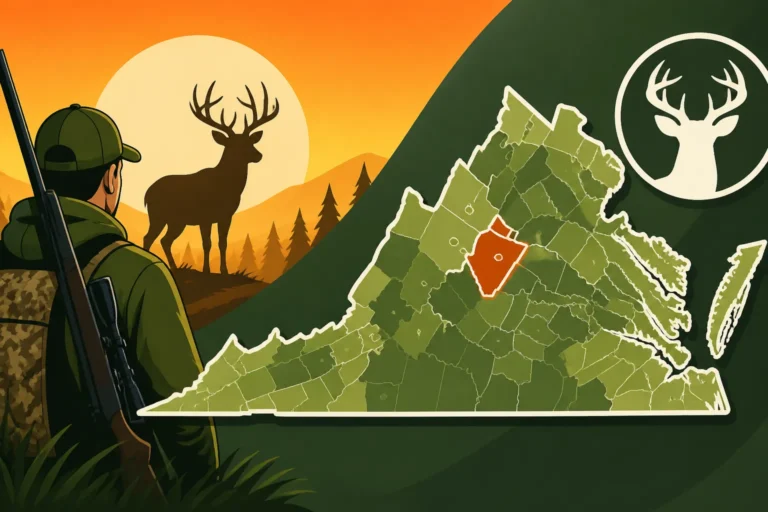
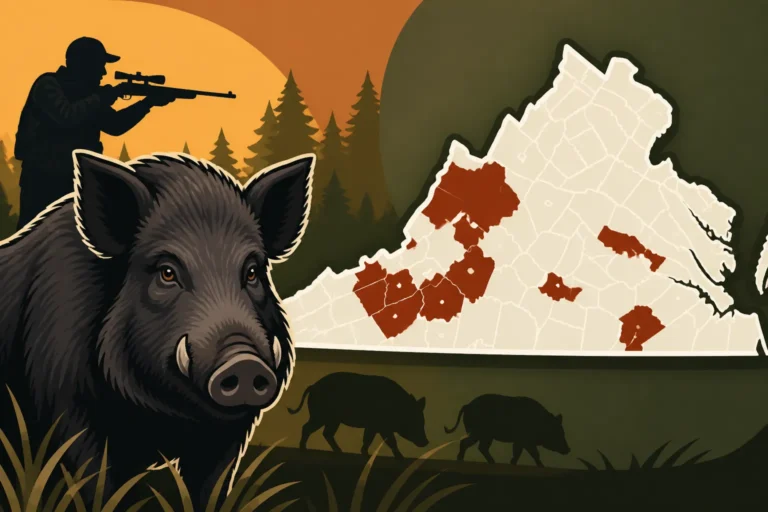
The confirmed CWD cases are not evenly distributed across Virginia; they are heavily concentrated within specific areas, primarily the northern Shenandoah Valley. These regions, once CWD is detected, are promptly designated as Disease Management Areas (DMAs) by the DWR. Currently, Virginia has established several DMAs to contain and manage the disease. For instance, DMA1, centered around Frederick, Clarke, and Shenandoah counties, has historically accounted for the highest number of confirmed cases, making it the epicenter of the disease in Virginia. This concentration makes it clear that the disease has a stronger foothold in some areas than others, which directly impacts local hunting regulations and hunter responsibilities. You can learn more about Why DMA1 Holds the Most Confirmed Cases by reviewing DWR reports and maps.
Over time, the boundaries of these DMAs have occasionally shifted or expanded as new positive cases are detected in adjacent areas, demonstrating the fluid nature of disease management. This dynamic reflects the DWR's proactive approach to adjust management strategies to the evolving spread of the disease. For example, if a positive case appears just outside a current DMA boundary, that boundary might be extended to include the new detection site and its surrounding landscape, thereby expanding the area subject to specialized regulations. Understanding these zones is crucial for any hunter in Virginia, and failure to do so could lead to non-compliance. Tools like those found on GoHunt, which often integrate DWR data and boundary lines, can be incredibly helpful for visualizing these zones and their specific rules when planning your hunt and navigating unfamiliar territory. For a broader overview, check out Virginia's Four Chronic Wasting Disease Areas.
The table below provides a general overview of Virginia's primary DMAs, highlighting their general location and known CWD prevalence. Remember, this is a simplified view, and the official DWR resources are always the most accurate for current boundaries and regulations.
| DMA Name | General Location | Primary Counties Affected | General Prevalence |
|---|---|---|---|
| DMA1 | Northern Shenandoah Valley | Frederick, Clarke, Shenandoah, Warren | Highest number of confirmed cases, earliest detection; active monitoring |
| DMA2 | Northern Virginia | Loudoun, Fauquier, Culpeper, Madison, Page | Expanding cases, often linked to natural deer movement from DMA1 |
| DMA3 | Southwest Virginia | Montgomery, Floyd, Pulaski, Carroll | More recent detections, localized initial cases, intensive monitoring |
| DMA4 | Southwest Virginia | Wythe, Smyth, Bland, Tazewell, Russell | Latest detections, very localized initial cases, new surveillance efforts |
This table provides a helpful snapshot, but always refer to the official DWR resources, such as their interactive maps on the Go Outdoors Virginia site, for the most up-to-date boundaries and regulations before heading into the field. These areas are continually monitored, and their status can change based on new discoveries and ongoing research. Staying informed is your best defense against inadvertently contributing to the spread of CWD.
Implications for Virginia Hunters and Deer Management
Knowing the numbers and locations of CWD-positive deer isn't just academic; it directly influences how we hunt, manage our deer herds, and ensure the future of hunting in Virginia. Hunters play an incredibly important role in both monitoring and mitigating the spread of this disease, acting as the front line in the state's surveillance efforts.
Mandatory Testing and Carcass Restrictions
One of the most direct impacts of CWD on hunters is the introduction of mandatory testing requirements in certain areas. If you hunt within a designated DMA, you'll likely encounter requirements to have your harvested deer tested for CWD. This isn't an inconvenience for the sake of it; it's a critical tool for the DWR to understand the disease's spread and prevalence, allowing them to make informed management decisions. Imagine trying to fight a fire without knowing where all the hotspots are – mandatory testing helps create that essential map. You'll find testing stations or drop-off points, often staffed by dedicated volunteers or DWR personnel, in these areas during the season. It’s part of our shared responsibility to the herd, even if it adds a step to your post-harvest routine. For specifics on how to submit a sample, look into Mandatory Testing Inside a Virginia DMA.
Alongside testing, strict carcass movement restrictions are in place for deer harvested within DMAs. The goal here is simple and vital: prevent hunters from inadvertently moving infected prions to new, unaffected areas of the state. This means you generally cannot transport certain high-risk parts of a deer carcass—like the brain, spinal cord, eyes, or lymph nodes—out of a DMA. For most hunters, this translates to either processing your deer completely within the DMA, or only transporting deboned meat, clean skull plates, antlers, and capes (without skull tissue) out of the zone. These rules are in place to safeguard the health of deer across the entire state, and ignoring them could have serious, long-term consequences for future hunting opportunities. Understanding Virginia Carcass Movement Restrictions is absolutely essential before you head out into any CWD zone.
These regulations can sometimes feel like an added hurdle, especially after a successful hunt when you’re tired, excited, and eager to get home. But it’s crucial to remember that these measures are for the greater good of the entire deer population and the health of our hunting heritage. Every hunter who complies with these rules is contributing to the health of Virginia's entire deer herd and helping to slow the spread of CWD. It’s a collective effort, and our participation is vital. The DWR provides detailed maps and lists of sampling locations, often online and through the Go Outdoors Virginia app, making it as straightforward as possible for hunters to comply. You can find information on Finding a Virginia CWD Sampling Location through DWR resources.
The Bigger Picture: Herd Health and Future Management
Beyond the immediate regulations, the presence of CWD has broader implications for Virginia's deer herd health and the long-term future of deer management across the state. While CWD is a serious concern, it's important to note that the vast majority of deer in Virginia are not affected. However, where CWD is prevalent, it can lead to declines in local deer populations over many years. This isn't a sudden die-off like some acute diseases, but a gradual drain on the herd, often impacting older bucks first, which is a particular concern for many hunters pursuing mature deer and those interested in trophy management.
The DWR employs a multi-faceted approach to CWD management, including ongoing surveillance, targeted research, and comprehensive public education. Their efforts aim to slow the spread, identify emerging hotspots, and adapt hunting regulations to help control the disease. This might include increased antlerless harvest opportunities in DMAs to reduce deer density, which can help slow transmission rates by reducing deer-to-deer contact. The overall goal is to maintain a healthy, huntable deer population statewide, despite the ongoing challenge of CWD, ensuring that future generations can enjoy Virginia's incredible hunting opportunities. Our collective actions as hunters—from ethical harvesting to proper carcass disposal and adherence to all regulations—are integral to this larger strategy. For broader context on how seasons are structured to manage populations, consider reviewing Virginia Deer Season Structure Explained.
As hunters, our commitment to ethical practices and compliance with DWR guidelines is more important than ever. This isn't just about following rules; it's about being responsible stewards of our wildlife resources, protecting the very game we cherish. By staying informed about Chronic Wasting Disease Risk in Virginia, supporting DWR initiatives, and making smart decisions in the field regarding where and how we hunt and process our game, we can all play a part in mitigating the impact of CWD and ensuring that future generations can enjoy the rich hunting traditions of Virginia. The landscape of deer management is constantly evolving due to challenges like CWD, and our adaptability and cooperation are key to navigating these changes successfully.
Disclaimer
This article is for general informational purposes only and does not constitute professional advice. Laws, prices and regulations vary by location and change over time. Consult a qualified professional for guidance on your specific situation.