EHD Die-Offs in Virginia Deer
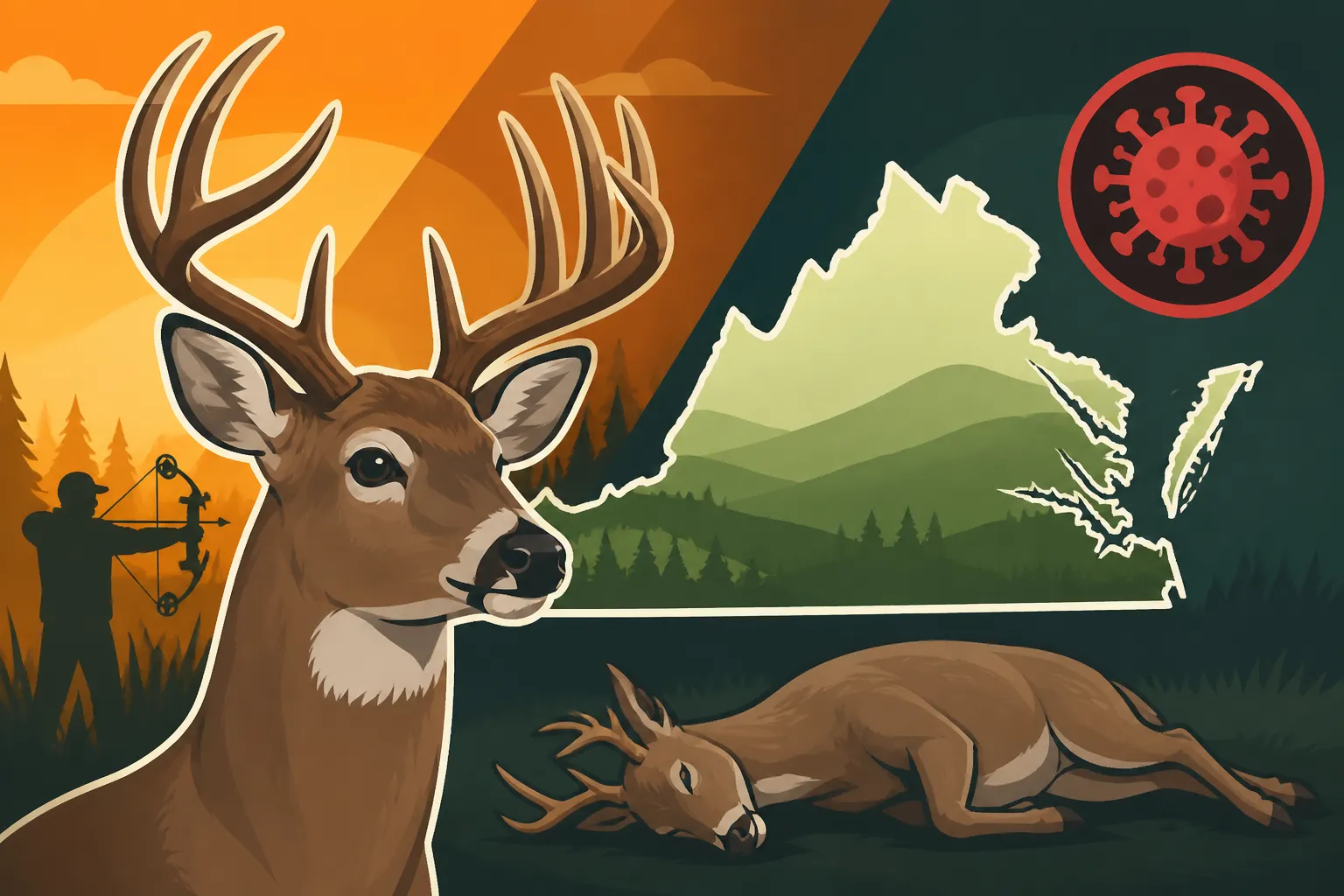
It's a disheartening sight for any hunter or landowner: stumbling upon a deer that's acting strangely, looking emaciated, or worse, finding a sudden cluster of dead deer in a creek bed or wood line. This isn't just a sad event; it's a deeply concerning one that leaves us asking what went wrong and what it means for the health and future of our local deer population. Often, these mysterious die-offs in Virginia can be attributed to Epizootic Hemorrhagic Disease, or EHD, a recurring, though often localized, challenge for our beloved whitetails. This guide aims to pull back the curtain on EHD, helping you understand its nature, its impact, and what actions you can take as a responsible member of Virginia's hunting community.
What Exactly is Epizootic Hemorrhagic Disease (EHD)?
Epizootic Hemorrhagic Disease, mercifully known as EHD, is a viral disease that primarily affects white-tailed deer and, to a lesser extent, other ruminants like elk and pronghorn. It's a natural phenomenon, not something new, and it's certainly not caused by human activity, though environmental changes can influence its spread. When you encounter a deer suffering from EHD or discover a recent die-off, it can be quite alarming, but understanding the basics of the disease can help temper the fear with factual knowledge.
The Viral Culprit and Its Vector
At its heart, EHD is caused by a virus. Specifically, it's an orbivirus, closely related to the Blue Tongue virus, which affects livestock. But here's the crucial point: deer don't just "catch" EHD from each other directly like a cold. The virus relies on a tiny, often overlooked, insect for transmission: biting midges. These are often called "no-see-ums" due to their minuscule size, but their impact can be anything but small. When a midge bites an infected deer, it picks up the virus, and then transmits it to the next deer it bites. This reliance on an insect vector explains a lot about when and where EHD outbreaks occur.
The lifecycle of these midges thrives in specific conditions. They breed in muddy areas, typically along the edges of ponds, streams, and other wet spots that dry up slowly, leaving behind the perfect damp substrate for their larvae to develop. This is why you'll often see outbreaks intensify during periods of drought followed by rain, or when water levels fluctuate, concentrating deer near shrinking water sources where midges are abundant. It's a frustrating cycle for both deer and those who care about them, as the very conditions that make water scarce for deer also create prime breeding grounds for the insects that carry disease.
Symptoms and Progression in Deer
The symptoms of EHD can appear quite suddenly, and they are typically severe. Deer that contract EHD usually go downhill rapidly, which is why widespread die-offs often seem to happen overnight. Early signs might be subtle, but as the disease progresses, you'll see a deer become lethargic and disoriented. They often develop a high fever, which drives them to seek out water, leading to many EHD victims being found near creek beds, ponds, or even in shallow water.
Other more obvious symptoms include swelling of the head, neck, tongue, and eyelids. Their tongues might turn blue. You might also notice ulcers or lesions in their mouths, on their tongues, or even on their hooves. In severe cases, the hooves can actually slough off or show abnormal growth, making walking extremely difficult. Internally, the virus causes hemorrhaging, meaning bleeding, in various organs and tissues – hence the "hemorrhagic" in the name. This internal bleeding can lead to shock and rapid death. Unfortunately, for most deer infected with EHD, the outcome is fatal. However, some deer, especially those with previous exposure who have developed some immunity, may recover, though they might show lingering effects like hoof abnormalities.
Why EHD Hits Virginia Deer
Virginia's diverse landscape, from the coastal plains to the Blue Ridge Mountains, creates a variety of habitats for white-tailed deer. This rich environment also, unfortunately, provides ideal conditions for the EHD virus and its midge vectors under the right circumstances. It's not a matter of if EHD will appear, but when and where it will flare up each year. Understanding these factors can help you contextualize any EHD findings in your area.
Environmental Triggers and Geographic Distribution
EHD outbreaks in Virginia are heavily tied to environmental conditions, particularly rainfall patterns and temperature. The biting midges that transmit the virus thrive in warm, humid conditions and need wet, muddy soil to reproduce. Therefore, late summer and early fall are the prime times for EHD activity. If Virginia experiences a hot, dry spell that causes water levels to drop and deer to congregate around fewer, shrinking water sources, the conditions become ripe for an outbreak. These shrinking water holes also concentrate midge breeding sites, creating a perfect storm for disease transmission. Then, if a bit of rain comes through, it can really kick off midge populations, further exacerbating the issue.
While EHD can occur anywhere in Virginia where deer and midges coexist, localized outbreaks are more common. You might see a severe die-off in one specific watershed or county, while neighboring areas remain largely unaffected. This patchiness is due to the localized nature of midge breeding habitats and deer movement patterns. Areas with more persistent wetlands or fluctuating water bodies in combination with high deer density tend to be more susceptible. Hunters using mapping tools like GoHunt can often identify these potential hot spots by looking for areas where water sources might dry up or concentrate deer during late summer.
Deer Density and Herd Immunity
Another significant factor in why EHD can hit Virginia deer hard is deer density. When deer populations are high, especially in specific areas, the likelihood of disease transmission increases. More deer in close proximity means more opportunities for midges to bite infected deer and then quickly move on to uninfected ones. It's simply a numbers game: more hosts, more vectors, faster spread. This is particularly true in areas where deer are concentrated due to limited food or water, or during times when they naturally gather, such as during the early stages of the rut or around specific food sources.
Furthermore, herd immunity plays a role. In areas that experience EHD outbreaks regularly, a certain percentage of the deer population may have been exposed to the virus in previous years, developed antibodies, and survived. These deer might have some level of immunity, which can help limit the spread or severity of future outbreaks. However, fawns and young deer, who haven't been exposed before, are highly susceptible, often bearing the brunt of new outbreaks. A severe EHD event can significantly impact the fawn crop and overall Virginia Deer Population Estimate in a localized area, potentially affecting hunting success in the short term. Repeated, significant die-offs in the same areas are less common because the surviving deer develop immunity, but new strains of the virus can occasionally emerge, leading to fresh outbreaks even in previously affected regions.
What Hunters Need to Know When EHD Strikes
Encountering EHD on your hunting grounds or even just hearing about it in nearby counties can be unsettling. As a hunter, your actions and awareness are crucial, not just for the health of the deer herd but also for your own peace of mind and the safety of the meat you harvest. It's about being prepared and knowing how to respond responsibly.
Identifying and Reporting Sick or Dead Deer
If you're out scouting, hunting, or simply enjoying the outdoors in late summer or early fall and you come across a deer that exhibits the symptoms of EHD – lethargy, disorientation, excessive drooling, severe swelling of the head or tongue, or lameness – it's vital to report it. Do not approach or handle the animal unnecessarily. The Virginia Department of Wildlife Resources (DWR) relies on reports from observant citizens like you to track outbreaks and understand the scope of the disease. Knowing the geographic spread and intensity of EHD helps wildlife managers make informed decisions.
Similarly, if you discover multiple dead deer in a concentrated area, especially near water, this is a strong indicator of an EHD die-off. While the DWR may not collect every single carcass, your report helps them build a picture of the overall situation. You can find information on how to officially report sick or dead animals on the Virginia DWR website or through their Go Outdoors Virginia platform. Prompt reporting is essential because EHD symptoms can sometimes be confused with other diseases, like Virginia's Four Chronic Wasting Disease Areas, which has very different implications and management protocols. Accurate reporting allows the DWR to investigate and confirm the cause.
Safety Concerns and Meat Consumption
One of the most common questions and concerns among hunters when EHD is present is about human health and the safety of venison. The good news is that EHD is not known to infect humans. There is no scientific evidence to suggest that the EHD virus can be transmitted to people, either through contact with infected deer or by consuming venison from an animal that had EHD. This is a critical distinction from other wildlife diseases and provides considerable reassurance.
However, just because it's not a human health risk doesn't mean you should ignore signs of illness when evaluating a harvested animal. A deer that is actively sick with EHD will likely have a fever, and its meat might not be in prime condition. While the meat itself is safe, it may be unappetizing due to the fever or potential bacterial infections that can set in when an animal is severely ill. It’s always best practice to thoroughly inspect any animal you harvest. If a deer appears visibly sick or diseased, or if you find any significant lesions or abnormalities that raise concerns about the quality of the meat, it's generally advisable to pass on harvesting that animal or, if already harvested, to discard the affected parts. Your safety and the quality of your venison are paramount, so err on the side of caution.
Here’s a quick overview of what to look for and what to do:
| Observation/Situation | Recommended Action | Safety Note |
|---|---|---|
| Deer acting lethargic/disoriented | Do not approach. Report to Virginia DWR. | EHD is not a human health risk, but sick animals may be unpredictable. |
| Multiple dead deer near water | Report location and number to Virginia DWR. | Avoid direct contact with carcasses if possible. |
| Harvested deer has EHD symptoms (swelling, lesions) | If the animal looks emaciated or severely ill, consider leaving it or discarding the meat. Report it to DWR. | EHD is not transmissible to humans; however, meat quality may be compromised. |
| Harvested deer appears healthy, no symptoms | Proceed with normal processing. | Venison from asymptomatic deer is safe to consume. Cook meat thoroughly. |
| Just heard about EHD in your county | Stay informed via DWR updates. Intensify scouting efforts. | No need to panic, but awareness is key for Scouting Virginia Public Land Before Season. |
Dealing with the Aftermath and Moving Forward
An EHD outbreak can feel devastating, especially when you've invested so much time and effort into understanding and managing your local deer herd. However, it's important to remember that deer populations are resilient, and nature has ways of recovering. Your role as a responsible land steward or hunter doesn't end when the outbreak subsides; it simply shifts to managing the aftermath and preparing for the future.
Carcass Disposal and Environmental Impact
Finding dead deer is never pleasant, and proper disposal is important for both sanitation and disease management. If you find a single carcass on private land, burying it deeply or leaving it for scavengers in an out-of-the-way spot are common practices. For multiple carcasses or those found in sensitive areas, it's best to consult with the Virginia DWR for specific guidance. They might recommend specific disposal methods or even dispatch crews in areas with very high mortality to mitigate environmental impacts or address public health concerns, though this is usually for very widespread events.
From an environmental standpoint, EHD die-offs are generally a natural event, and the ecosystem is designed to handle deceased animals. Scavengers like coyotes, buzzards, and other wildlife quickly clean up carcasses, returning nutrients to the soil. While it can be visually jarring to see, this is part of the natural cycle. The primary concern is localized pollution if many carcasses are concentrated in or near a water source, which is why reporting to DWR is so important. They can assess the situation and advise on the best course of action for your specific location.
Long-Term Impact on Deer Populations and Hunting
In the immediate aftermath of a significant EHD outbreak, local deer numbers will undoubtedly take a hit. You might notice fewer deer on your property, a reduced number of bucks, or a disproportionate loss of fawns. This can certainly affect hunting opportunities in the season immediately following the die-off. Hunters might need to adjust their expectations, focus more on doe harvest to help remaining bucks grow, or simply spend more time scouting. Tools like GoHunt can be invaluable for post-EHD scouting, helping hunters identify areas where deer concentrations might have shifted or where recovery is more evident. Looking at historical harvest data in Reading a Virginia Harvest Report can also provide some context.
However, the resilience of white-tailed deer is remarkable. Given favorable conditions in subsequent years—good forage, mild winters, and no new major outbreaks—populations can rebound surprisingly quickly. Deer have a high reproductive rate, and with reduced competition for resources following a die-off, the surviving deer often benefit from better nutrition, leading to healthier fawns and potentially larger body and antler development in the remaining bucks. While the loss of deer to EHD is always regrettable, it serves as a stark reminder of the wild nature of our game species and the dynamic balance of the ecosystem. Understanding these Virginia Deer Herd Size fluctuations and adapting your hunting strategy accordingly is part of being a knowledgeable and effective hunter in Virginia.
Disclaimer
This article is for general informational purposes only and does not constitute professional advice. Laws, prices and regulations vary by location and change over time. Consult a qualified professional for guidance on your specific situation.