Virginia Deer Vehicle Collisions
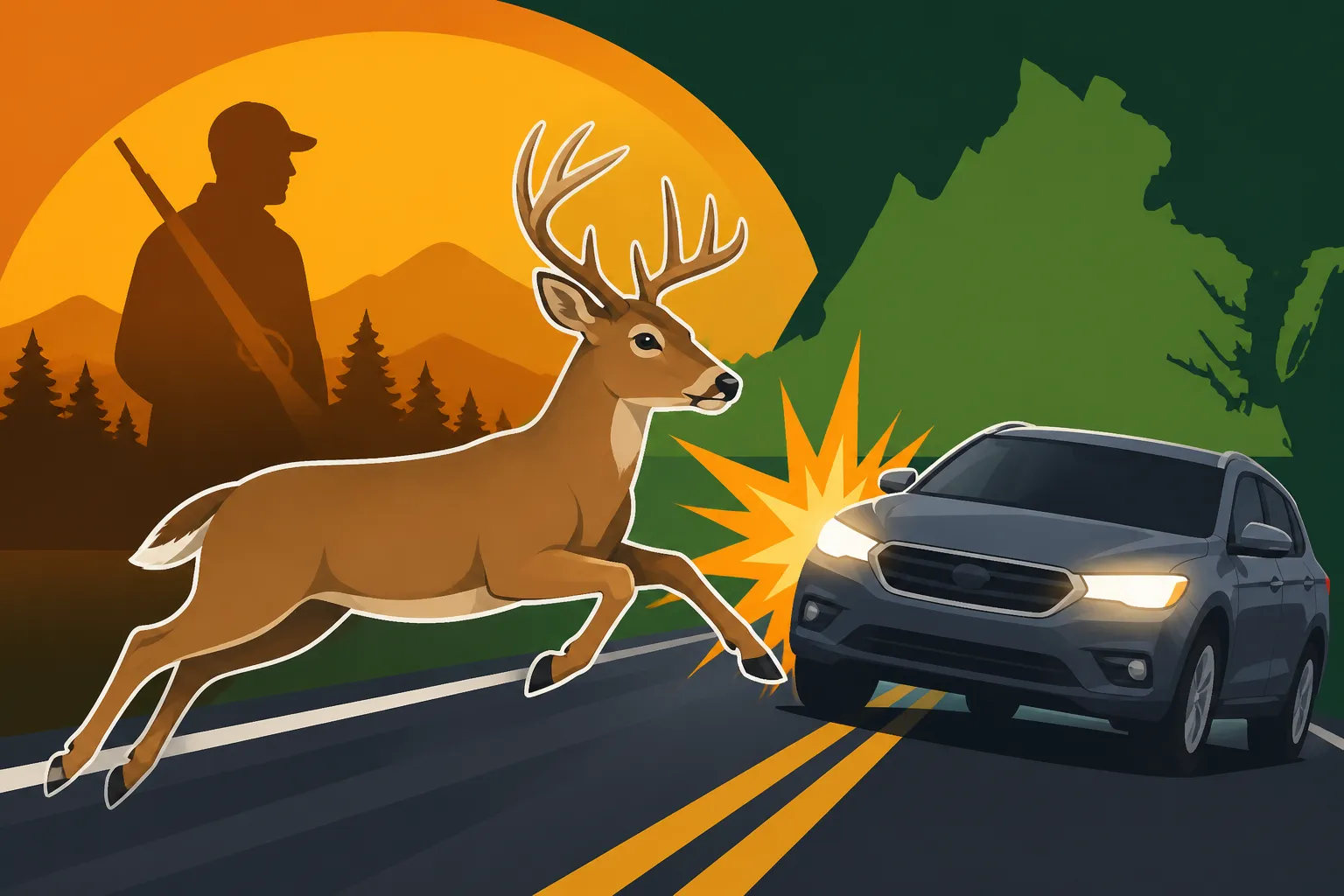
The open roads of Virginia offer breathtaking scenery, from the majestic Blue Ridge Mountains to the tranquil Eastern Shore. But for many drivers, these picturesque routes also bring a hidden danger: deer vehicle collisions. These encounters aren't just a minor inconvenience; they can be incredibly traumatic, leading to significant vehicle damage, serious injuries, or even fatalities for human occupants, and are almost always fatal for the deer involved. This guide aims to shed light on why these collisions happen, when and where they're most likely, and most importantly, how you can minimize your risk and what steps to take if the worst occurs.
Understanding the Landscape of Deer-Vehicle Collisions in Virginia
It's a frustrating reality that as Virginia's deer population thrives and suburban development pushes further into once-wild areas, the chances of deer and vehicles meeting on our roads increases dramatically. Every year, thousands of these crashes are reported across the Commonwealth, and countless more go unreported. It's not just a rural problem either; even communities close to major cities like Richmond, Roanoke, or Charlottesville see their fair share of incidents, especially where green spaces and suburban woodlots intersect with busy roadways.
Why Deer End Up on Our Roads
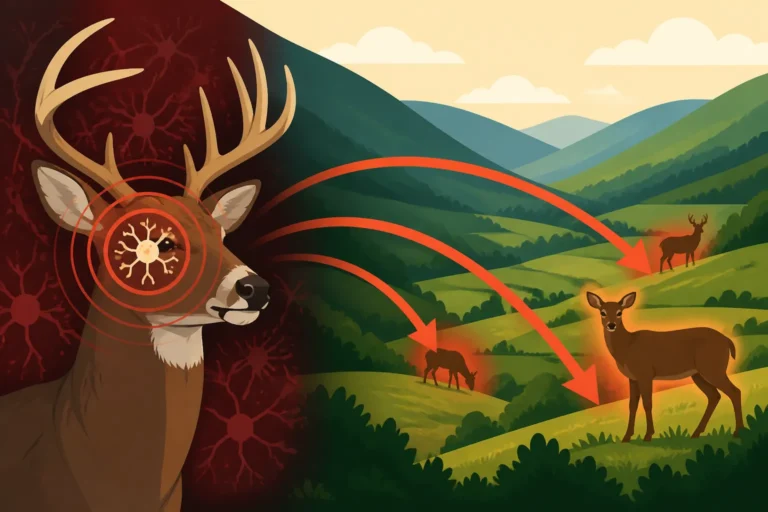
Deer are creatures of habit and opportunity. They're constantly on the move, primarily driven by their search for food, water, and shelter. But their movements are also dictated by seasonal changes, breeding cycles, and even pressure from predators, though less so from natural predators in Virginia these days. Think about it: a seemingly quiet woodlot next to a four-lane highway might be a perfectly suitable bedding area, and the lush agricultural fields on the other side of that same highway are prime feeding grounds. The deer have to cross.
During the spring and early summer, young deer, particularly yearlings, are often dispersed by their mothers. These inexperienced deer are venturing out on their own for the first time, often less cautious and more prone to wandering into unfamiliar territory, including roads. As fall approaches, their activity ramps up significantly. This is when the annual rut, or breeding season, kicks into high gear. Bucks are actively pursuing does, often with their guard down, covering vast distances, day and night, in their quest to find a mate. Does, likewise, are moving more to avoid persistent bucks. You can learn more about When the Virginia Rut Peaks by Region to better anticipate these high-activity periods. This heightened movement, coupled with shorter daylight hours and often poor visibility, creates a perfect storm for collisions.
Peak Times and Locations for Deer Crashes
Deer are most active during dawn and dusk. These crepuscular hours offer them the cover of low light, making them harder for drivers to spot. Unfortunately, these are also peak commuting times for many Virginians, creating a direct conflict. The period from October through December consistently sees the highest number of deer-vehicle collisions in Virginia, largely due to the rut. However, incidents can spike again in late spring when fawns are born and yearling deer are pushed out by their mothers.
As for locations, while rural roads might seem like the obvious hotspot, any area where deer habitat borders busy roads is a risk. This includes suburban corridors, highways cutting through forests like the George Washington and Jefferson National Forests, and even major interstates. Areas with dense vegetation right up to the road edge can also be particularly dangerous, as deer can seemingly appear out of nowhere without much warning. Understanding general deer movement patterns, perhaps by utilizing scouting tools like GoHunt that help visualize terrain and potential bedding/feeding areas, can give you an edge in identifying higher-risk zones even before you encounter them.
Proactive Strategies for Avoiding Deer Collisions
Nobody wants to hit a deer. The damage to your vehicle, the potential for injury, and the tragic outcome for the animal are all strong motivators to drive defensively. Fortunately, there are many things you can do to significantly reduce your risk of becoming another statistic in Virginia's deer collision reports.
Defensive Driving Techniques
The most effective tool you have is your driving behavior. Always be vigilant, especially during peak deer activity hours and in known deer crossing areas. Reduce your speed, particularly on roads with heavy tree cover, agricultural fields, or "deer crossing" signs. Slower speeds give you more time to react if a deer suddenly appears.
- Scan the Road Ahead and Shoulders: Don't just look at the vehicle in front of you. Actively scan both sides of the road and far ahead. Deer often travel in groups, so if you see one, assume there are more nearby. It's a common scenario to narrowly miss one deer only to strike another that follows right behind it.
- Use High Beams Wisely: When there's no oncoming traffic, use your high beams. This significantly increases your visibility and can help you spot deer in the distance or on the side of the road earlier. However, dim them immediately for oncoming vehicles to avoid blinding other drivers.
- Be Aware of "Deer Crossing" Signs: These aren't just suggestions; they're based on historical data of deer activity in those specific areas. Treat them as a serious warning to be extra cautious and reduce your speed.
- Avoid Distractions: Put away your phone. Turn down the radio. Focus 100% on the road and your surroundings. A split second of inattention can be the difference between avoiding a collision and becoming involved in one.
Understanding Deer Behavior and Habitat
Knowledge is power when it comes to avoiding deer. Deer tend to follow established paths, often moving along fencerows, creek bottoms, and through dense patches of woods that offer cover. They are creatures of habit. If you regularly travel a route, pay attention to where you consistently see deer or signs of their presence. For instance, if you're driving through areas described in guides like Reading Virginia Mud for Fresh Deer Movement, you know deer are active there.
- Seasonal Awareness: Remember that the fall rut (October-December) and spring dispersal (May-July) are particularly high-risk times. Adjust your driving habits accordingly during these months.
- Habitat Hotspots: Understand that deer thrive in areas with a mix of woodlands and open fields. Roads that bisect these types of landscapes are inherently more dangerous. Even urban fringe areas with large parks or greenways can have surprisingly dense deer populations.
- Recognizing Deer Stance: A deer that is standing stiff, staring into your headlights, might be momentarily frozen. A deer that is running parallel to the road might suddenly cut in front of you. Try to anticipate their erratic movements. A good resource for understanding local deer populations and their habits is the Virginia DWR app, which can offer insights into Scouting With the Virginia DWR App.
Here's a quick look at common factors influencing deer-vehicle collision risk:
| Factor | High-Risk Scenario | Lower-Risk Scenario |
|---|---|---|
| Time of Day | Dawn, Dusk, Nighttime | Mid-day (10 AM – 4 PM) |
| Season | Fall (October-December), Late Spring (May-July) | Winter (January-March), Mid-Summer (August-Sept) |
| Weather | Fog, Rain, Snow, Overcast | Clear, Sunny |
| Road Type | Rural roads, two-lane highways, roads through woods | Well-lit interstates with fencing, urban cores |
| Deer Activity | Rutting season, fawn dispersal, feeding periods | Resting periods, low general movement |
What to Do If You Strike a Deer
Despite your best efforts, sometimes a deer collision is unavoidable. When it happens, it can be a jarring and frightening experience. Knowing what steps to take immediately afterward can ensure your safety, meet legal requirements, and facilitate the insurance process.
Prioritizing Safety and Assessment
Your immediate safety and the safety of any passengers are paramount. Resist the urge to swerve violently to avoid the deer, especially if you're on a busy highway or traveling at high speeds. Swerving can lead to more severe accidents involving other vehicles, trees, or overturning your own car. It's usually safer to brake firmly and maintain control of your steering wheel.
- Pull Over Safely: If possible, move your vehicle to the side of the road or a safe shoulder. Turn on your hazard lights to alert other drivers.
- Stay in Your Vehicle: Especially at night, do not immediately exit your vehicle. The deer, if injured, might be disoriented and dangerous, or there could be other deer nearby. Furthermore, you are vulnerable to oncoming traffic. Assess the situation from inside your car.
- Check for Injuries: First, check yourself and any passengers for injuries. If anyone is injured, call 911 immediately.
- Assess Vehicle Damage: Carefully observe the damage to your vehicle. Is it safe to drive? Are there fluids leaking? Is the hood latched securely? If you need to get out, do so with extreme caution, paying attention to traffic and your surroundings.
Reporting and Next Steps
Virginia law requires you to report any deer strike that results in damage to your vehicle. While specific costs for repairs vary wildly, deer damage can easily run into the thousands. This reporting is crucial for insurance claims.
- Contact Law Enforcement: Call the local police, county sheriff, or Virginia State Police, depending on your location. Even if no one is injured, a police report will be invaluable for your insurance claim. They can also assist with traffic control, removal of the animal, and documenting the scene. You might also want to consult resources on Virginia Wildlife Violation Penalties to ensure you understand any related rules.
- Document the Scene: Take photos of the deer, the vehicle damage, and the surrounding area. Note the exact location, time, and any contributing factors (e.g., weather conditions, poor visibility).
- Do Not Move the Deer: Unless specifically instructed by law enforcement, do not attempt to move an injured or deceased deer from the roadway yourself. It can be dangerous and is best left to professionals.
- Reporting to DWR: In addition to law enforcement, it's often helpful for the Virginia Department of Wildlife Resources (DWR) to be aware of deer vehicle collision hotspots. While you might not report every single one, aggregated data helps them manage deer populations and identify areas where public safety measures (like signage or reduced speed limits) might be needed. The DWR monitors overall deer health, including information from sources like Virginia Deer Population Estimate and Virginia Wildlife Disease Monitoring, which can influence deer behavior and presence.
- Contact Your Insurance Company: As soon as possible, contact your insurance provider. Comprehensive coverage typically covers deer strikes. Provide them with all the details, including the police report number and any photos you took.
Long-Term Perspectives and Mitigation Efforts
Deer-vehicle collisions are a complex issue, intertwined with deer management, habitat fragmentation, and human population growth. Addressing them requires a multi-faceted approach, and state agencies, alongside local communities, are continually looking for solutions.
State and Local Initiatives
The Virginia Department of Wildlife Resources (DWR) plays a crucial role in managing the state's deer herd, which directly impacts collision rates. Strategies include adjusting hunting seasons and bag limits to control local deer densities. For instance, information regarding White-Tailed Deer Across Virginia and the Virginia Annual Deer Harvest helps inform these decisions. In areas with high deer populations and significant collision risks, DWR may promote increased antlerless deer harvests to reduce overall herd size.
Local governments and Virginia Department of Transportation (VDOT) also contribute by:
- Installing Deer Crossing Signs: While common, these signs serve as important warnings.
- Roadside Clearing: Trimming vegetation along roadsides can improve visibility for drivers, allowing more time to react to deer.
- Wildlife Fencing and Crossings: In specific high-risk highway corridors, VDOT might consider wildlife fencing to direct deer toward designated underpasses or overpasses, though these are typically costly and limited to major infrastructure projects.
- Public Awareness Campaigns: Educating drivers about peak collision times and defensive driving techniques is an ongoing effort.
The Hunter's Role in Population Management
Hunters are often seen as a critical component of deer management, particularly in states like Virginia where hunting is an established tradition. By participating in regulated hunting seasons, hunters help to control deer populations, especially antlerless deer, which can mitigate herd density in specific areas. A well-managed deer herd, with a healthy buck-to-doe ratio and age structure, is generally a healthier herd overall and can potentially lead to fewer deer venturing into high-risk road areas out of desperation for food or territory. Organizations like GoHunt, which provide resources for hunters to understand local regulations and hunting pressure, indirectly contribute to this by enabling more effective and targeted harvesting. Responsible hunting helps keep the deer population in balance with available habitat and reduces negative human-wildlife interactions, including vehicle collisions.
Disclaimer
This article is for general informational purposes only and does not constitute professional advice. Laws, prices and regulations vary by location and change over time. Consult a qualified professional for guidance on your specific situation.