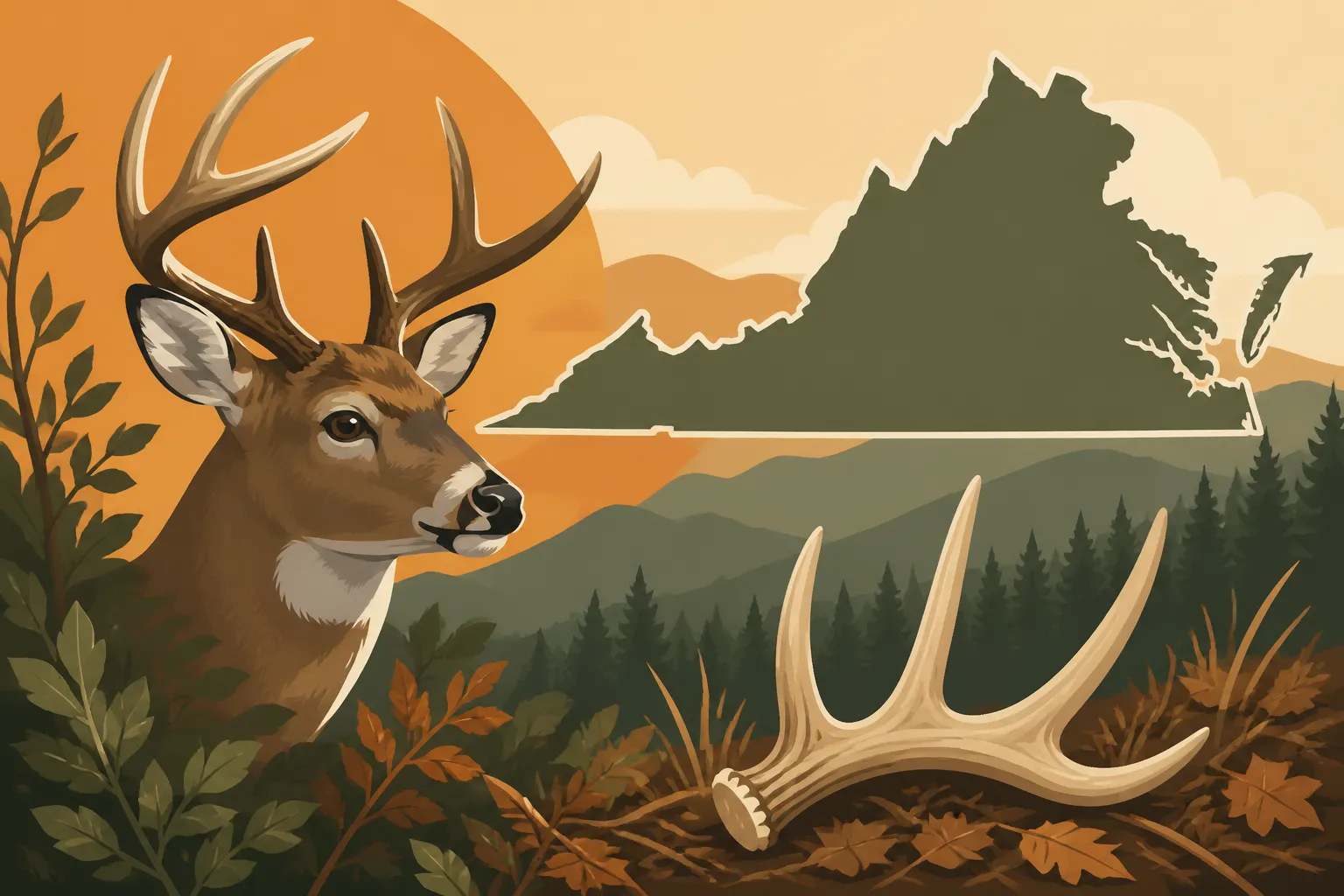
When Virginia Bucks Shed Antlers
It's that bittersweet time of year when deer hunters start noticing something a little different about the bucks they’ve been watching all season – their antlers are gone! It can be a real head-scratcher, wondering exactly when these magnificent animals decide to shed their headgear, and why some drop them earlier or later than others. This guide is here to unravel the mystery of when Virginia bucks shed antlers, offering insights into the biological processes and environmental factors at play, so you know what to expect and maybe even find a shed or two.
Understanding Antler Shedding: The Biological Cycle
Antler shedding isn't just a random event; it's a fascinating biological process that plays a crucial role in a buck's life cycle. Unlike horns, which are permanent, antlers are grown and shed annually. It's a testament to the incredible regenerative power of these animals and signals the start of a new cycle for the upcoming year.
What Makes Antlers Drop?
The shedding process is primarily driven by changes in hormone levels, specifically testosterone. Throughout the fall and during the intense breeding season, or rut, testosterone levels in bucks are at their peak. This hormone is vital for maintaining the antlers' connection to the pedicles, which are bony structures on the buck's skull. Once the rut winds down, typically in late fall and early winter, a buck's testosterone levels begin to plummet. This hormonal shift triggers a process where an abscission layer forms between the antler and the pedicle. Essentially, it's a weakening of the bone tissue at that junction, allowing the antlers to eventually detach.
Think of it like a tree shedding its leaves in the fall. The tree doesn't just randomly lose them; there's a biological signal that tells the leaf stem to detach. For a buck, that signal is the dramatic drop in testosterone. It's an energy-intensive process to grow and maintain those impressive racks, and once their primary purpose—attracting does and fighting off rivals during the rut—is fulfilled, the body reallocates that energy for recovery and survival through the lean winter months.
The Purpose of Shedding and Regrowth
From an evolutionary standpoint, shedding antlers annually makes a lot of sense. Imagine a buck trying to navigate dense Virginia forests with a massive, unwieldy rack that's been through a full season of rubbing, sparring, and fighting. Antlers can get damaged, cracked, or even broken. By shedding them, bucks get a fresh start each year, growing a new, often larger and more impressive, set of antlers for the next breeding season. This annual regrowth allows for natural selection to favor bucks that can consistently grow robust racks, signaling their health and genetic fitness to potential mates.
The regrowth process begins almost immediately after shedding. Within weeks, velvet-covered nubs start to emerge from the pedicles. This velvet is a highly vascularized tissue that supplies blood, nutrients, and minerals to the rapidly growing bone. It's truly amazing to witness how quickly a buck can go from bare pedicles to a substantial rack in just a few months. This cycle is a fundamental aspect of deer biology and understanding it helps us appreciate the resilience and adaptability of Virginia's white-tailed deer population.
The Typical Timeline: When Virginia Bucks Drop Their Antlers
While the biological mechanism is consistent, the exact timing of when Virginia bucks shed antlers can vary quite a bit. It’s not a one-size-fits-all date, and several factors contribute to the individual shedding schedule. Generally, most bucks in Virginia will drop their antlers between late December and early March, with a significant peak in January and February.
Regional Variations Across Virginia
Virginia is a diverse state, spanning from the Appalachian Mountains in the west to the flat plains of the Eastern Shore. These different regions can experience slight variations in the antler shedding timeline. For instance, bucks in the colder, more rugged mountain regions, like those found when Hunting West of the Blue Ridge, might shed a bit earlier due to harsher winter conditions and potentially earlier rut activity compared to their counterparts in the warmer, more agriculturally rich Piedmont. The availability of late-season food sources can also play a role; areas with abundant winter forage might see bucks holding their antlers a little longer as they recover from the rut's demands.
In the eastern part of the state, where the winters are often milder and food sources like standing crops might be more prevalent, some bucks might cling to their antlers slightly later into February or even early March. However, these are general trends, and individual circumstances often override broad regional averages. It's always best to keep an eye on your local deer herd to get the most accurate feel for when the antlers start hitting the ground in your specific hunting area.
Impact of Age and Health on Shedding Dates
A buck's age and overall health are two of the most significant determinants of when he'll shed his antlers. Older, more mature bucks, especially those that participated heavily in the rut, tend to shed their antlers earlier than younger bucks. The reason is simple: the rut is incredibly taxing. Breeding activity, fighting rivals, and constant chasing of does burn immense amounts of energy, depleting a buck's fat reserves and stressing his body. This increased stress leads to a quicker decline in testosterone levels post-rut, prompting an earlier shed.
Conversely, yearling bucks or those that are less dominant and didn't expend as much energy during the breeding season often hold onto their antlers longer. Their bodies haven't been pushed to the same extremes, so their hormonal shift is less dramatic and more prolonged. Similarly, a buck in poor health due to injury, disease, or inadequate nutrition might shed his antlers much earlier than expected, sometimes even in late fall. His body prioritizes survival, and growing and carrying antlers becomes an unnecessary drain on his limited resources. Observing a buck's antler retention can sometimes give you clues about his overall condition and how intensely he participated in the preceding rut.
Factors Influencing Shedding Dates
Beyond age and health, a multitude of environmental and population-level factors can influence when those antlers finally hit the forest floor. It's a complex interplay, and understanding these elements helps you predict shedding patterns more accurately.
Nutrition and Post-Rut Recovery
The quality and availability of food sources after the rut have a profound impact on a buck's recovery and, consequently, his shedding date. A buck that has access to plentiful, high-quality forage throughout the late fall and early winter can replenish his body's reserves more effectively. This better nutritional state can allow him to retain his antlers for a longer period, as his body isn't under as much immediate stress to conserve energy. Conversely, if deer are facing a particularly harsh winter with scarce food, or if the rut was exceptionally long and demanding, bucks will shed earlier to reallocate nutrients for survival.
Consider a year with a poor acorn crop, followed by a sudden cold snap. Deer in those areas will be scrambling for calories. Their bodies will naturally prioritize maintaining core functions over supporting antler growth, leading to an accelerated shedding process. Hunters who pay attention to Late-Season Food Sources for Virginia Whitetails and the general condition of the habitat can often get a good read on when bucks in their area might be dropping. This is where tools like GoHunt, with its mapping features and habitat overlays, can be really helpful for understanding the food landscape.
Rut Intensity and Weather Conditions
The intensity of the rut itself plays a significant role. A prolonged and aggressive rut will leave bucks more depleted, leading to earlier shedding. If the rut was short and mild, some bucks might hold their antlers longer. You can often connect this to When the Virginia Rut Peaks by Region and how long that peak period of activity lasted. Early, severe cold fronts or sustained periods of freezing weather following the rut can also hasten shedding. A buck's body uses a lot of energy to simply stay warm, and the added burden of carrying antlers becomes less sustainable.
However, a very mild winter with ample food and less physiological stress can sometimes extend the antler-holding period. It's a delicate balance between the internal biological clock and external environmental pressures. Hunters often observe a "wave" of shedding, where the most dominant, hardest-rutting bucks go first, followed by the rest of the herd as winter progresses.
Population Density and Stress Levels
High deer population densities can also influence shedding times. In areas where the deer population is pushing the carrying capacity of the land, competition for food and resources increases. This leads to higher stress levels among bucks, which can, in turn, contribute to earlier antler shedding. While Virginia's deer herd is generally healthy, understanding Virginia Deer Herd Size in your specific area is helpful. When resources are stretched thin, bucks are more likely to shed sooner to conserve energy for survival.
This is less about individual health and more about the collective stress on the herd from limited resources. If you're hunting in an area with a lot of deer and feel like there's significant Hunting Pressure on Virginia Public Land, it's possible that bucks might be under more general stress, which could affect their shedding timeline. It's another piece of the puzzle that makes predicting shed dates both challenging and fascinating.
Here's a quick overview of factors influencing antler shedding:
| Factor | Effect on Shedding Timeline | Explanation |
|---|---|---|
| Age | Older bucks shed earlier | Higher rut exertion leads to faster testosterone drop and earlier recovery needs. |
| Health/Condition | Poor health = earlier shedding | Body prioritizes survival; inadequate nutrition or injury accelerates shedding. |
| Rut Intensity | Intense rut = earlier shedding | More energy expended during breeding season means faster recovery and less testosterone. |
| Nutrition | Poor food = earlier shedding | Lack of quality forage stresses the body, forcing early antler drop to conserve energy. |
| Weather | Harsh winter = earlier shedding | Extreme cold and snow increase energy expenditure, prompting earlier shedding for survival. |
| Population Density | High density = potentially earlier shedding | Increased competition for food and higher overall stress within the herd can lead to earlier antler drop. |
Finding Shed Antlers: Tips for Post-Season Scouting
The end of hunting season doesn't mean the end of your time in the woods! For many, it marks the beginning of shed hunting season – a fantastic way to stay connected with the outdoors, learn more about your local deer population, and maybe find a cool souvenir. If you're hoping to find some shed antlers, timing and strategy are key.
When to Hit the Woods for Sheds
Once the majority of bucks in your area have shed, it’s time to start hitting the woods. Based on the information above, this often means late January through March in Virginia. If you start too early, you might be walking over areas where antlers haven't dropped yet. Start too late, and squirrels, mice, and other rodents might have already chewed them up for their calcium and mineral content. A good strategy is to wait until you've seen a few bucks on trail camera photos or observed them in the field with bare pedicles. This confirms that shedding has begun in earnest.
Patience is a virtue in shed hunting. You might need to make multiple trips to the same areas. The weather can also play a role; a fresh blanket of snow can sometimes make sheds easier to spot against the white backdrop, but deep snow can also bury them. A light rain can sometimes make them gleam just enough to catch your eye. Always be mindful of ethical practices: don't disturb wintering deer, and ensure you have permission if you're shed hunting on private land.
Where to Focus Your Search
Successful shed hunting is often about understanding deer patterns and predicting where antlers are most likely to fall. Think about where deer spend their time after the rut, especially when trying to recover energy.
- Bedding Areas: These are prime spots. Bucks will often bed down in thick cover, south-facing slopes (to catch sun), or dense pines for warmth. As they stand up, lay down, or simply move their heads, antlers can be jarred loose.
- Food Sources: Deer need to eat, especially after the rigors of the rut. Focus on fields, clear-cuts, creek bottoms with browse, or areas with persistent food sources like standing corn or oak flats with remaining acorns. They'll spend a lot of time here, increasing the chances of a shed falling.
- Travel Corridors: The paths deer use to travel between bedding and feeding areas are excellent places to check. Look for trails that lead through dense cover, along fencerows, or over saddles. As deer navigate obstacles, an antler can pop off.
- Water Sources: While perhaps less critical in winter, deer still need water. Checking around ponds, streams, or wet areas can be productive, especially if they are surrounded by bedding or feeding zones.
- Fences and Obstacles: Any place a deer has to jump over, duck under, or squeeze through is a high-probability spot for a shed to get knocked off. Think about old wire fences, downed trees, creek crossings, or tight gaps in brush.
This is where your Scouting Virginia Public Land Before Season knowledge really pays off. All that time spent observing sign and understanding deer movement will guide your shed hunting efforts. Using a mapping app like GoHunt can help you mark historical deer sightings, bedding areas, and food plots, creating a "shed hunting map" to focus your search. When you're Reading Aerial Photos for Piedmont Deer, pay close attention to transitions, edges, and dense cover that deer might use in winter.
What to Do with Your Finds
Finding a shed antler is incredibly rewarding! It's a tangible piece of the deer's life cycle and a cool trophy in its own right. Many hunters keep them as mementos, use them for dog chew toys, or even craft them into decorative items. You don't need to report shed antlers to the Virginia DWR, as they are naturally occurring parts of wildlife.
Some dedicated shed hunters meticulously document their finds, noting the date, location, and even trying to match sheds from the same buck year after year. This can provide valuable insights into a specific buck's age structure and growth patterns over time, helping you build a deeper understanding of the individual deer in your area. Regardless of what you do with your finds, shed hunting is a fantastic way to extend your time in the deer woods and continue to learn about these amazing animals long after the hunting seasons have closed.
Disclaimer
This article is for general informational purposes only and does not constitute professional advice. Laws, prices and regulations vary by location and change over time. Consult a qualified professional for guidance on your specific situation.