Ammunition Availability Before Opening Day
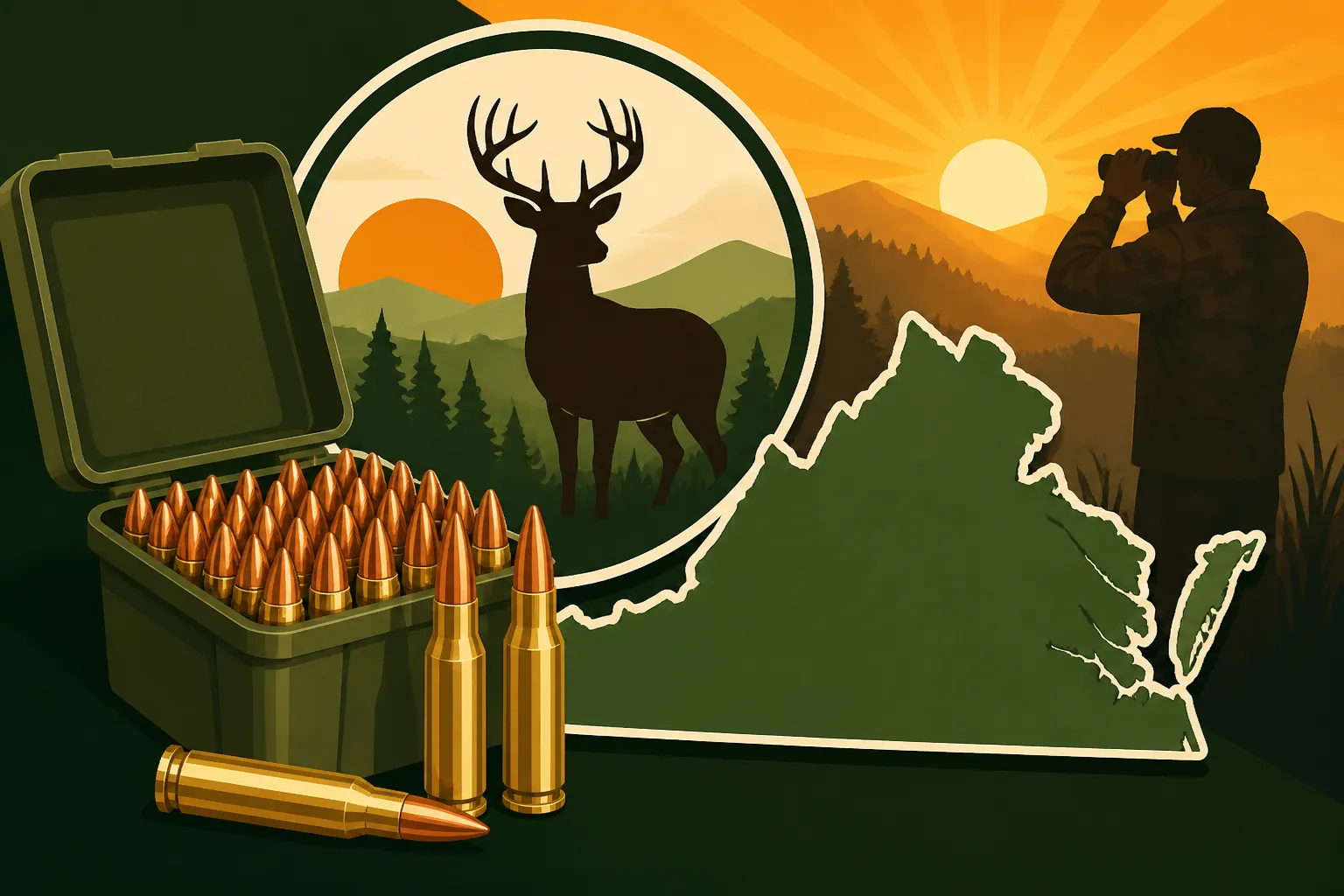
That annual scramble for hunting ammunition, just weeks before opening day, is a frustration most Virginia hunters know all too well. You’ve got your stand locations picked out, your gear laid out, and then you hit the store only to find the shelves bare of your preferred load. This guide is all about helping you understand why that happens and, more importantly, how to secure the ammunition you need long before the pressure of the season sets in, ensuring you're fully prepared when those crisp fall mornings arrive.
The Pre-Season Scramble: Why Ammunition Disappears
It’s a tale as old as time, or at least as old as modern hunting seasons: you wait until late summer or early fall to pick up a box of shells for your deer rifle, only to be met with empty spots on the ammo rack. This isn't just bad luck; there are several factors that contribute to this predictable shortage every year, turning what should be a simple purchase into a desperate hunt of its own.
Supply Chain Realities and Manufacturing Cycles
First off, the ammunition industry, like many others, operates on cycles. Manufacturers forecast demand and produce batches, but they can't instantly ramp up production to meet sudden surges. There are lead times for raw materials, components, and the actual manufacturing process. When there's high demand nationally or specific calibers become popular, it can take months for that increased production to trickle down to your local Virginia retailer. Think about the surge in interest in certain rifle calibers, like the 6.5 Creedmoor, over the past few years – everyone wants them, and the supply can struggle to keep up.
Beyond that, specific components can become scarce. Primers, powder, or even specific bullet types can see their own demand spikes. If a manufacturer can’t get enough primers, for instance, they can’t make ammunition, regardless of how much brass or lead they have. This interconnectedness means a hiccup anywhere in the chain can affect the availability of the finished product on your store shelf.
Seasonal Demand and Hoarding Behaviors
The biggest driver of pre-season ammunition shortages is, naturally, seasonal demand. As soon as the DWR announces the upcoming season dates, especially for popular periods like Virginia's General Firearms Deer Season, hunters start thinking about getting ready. They check their inventory, realize they're low, and head to the store. Multiply that by thousands of hunters across Virginia, and even a well-stocked store can be emptied quickly.
Then there's the "hoarding" aspect, though it's often more about smart preparation than true hoarding. Many experienced hunters learned lessons from past shortages and now buy several boxes of their preferred ammunition when they see it, even if they only need one for the current year. This is a perfectly rational response to perceived scarcity, but it does mean fewer boxes are left for the last-minute shopper. If you're a newer hunter, it might feel frustrating, but it's a learned behavior from years of seeing empty shelves.
The Impact of Current Events and Trends
It's not just hunting seasons that influence ammo availability. Broader national and global events can have a massive, unpredictable impact. Political climates, social unrest, and even economic fluctuations can drive spikes in ammunition sales, with people buying for self-defense or investment rather than hunting. These events don't respect hunting seasons; they create demand year-round that can deplete stock before hunting season even begins.
Consider the rise in new gun ownership, for example. More people owning firearms means more people buying ammunition for practice, hunting, and defense. This expanding customer base continuously puts pressure on manufacturers to produce more, and while they try, it's not always an immediate fix. These external factors can often be the most disruptive to what would otherwise be a fairly predictable supply for hunting needs.
Strategies for Securing Your Hunting Ammunition
Dealing with ammunition shortages means getting proactive. You can’t just hope your favorite caliber will be waiting for you the week before the opener. It requires planning, communication, and a bit of legwork.
Early Bird Gets the Bullet: Shopping Months in Advance
This is, by far, the most critical piece of advice: buy your hunting ammunition early. And when I say early, I mean early. Think late spring or early summer for fall deer season, or even the winter after the season closes when stores might be trying to clear inventory. This not only increases your chances of finding what you need but often allows you to take advantage of sales or special offers before demand peaks.
Imagine you're planning for Bowhunting Virginia's Statewide Archery Season and Virginia's General Firearms Deer Season. By April or May, you should already be thinking about checking your ammo supply. Don't just check if you have a box; check if you have enough for sighting in, practice, and a few spares for the field. If you find your local sporting goods store has your preferred load in stock, grab a box or two. It's much better to have a small surplus than to be desperately searching when the deer woods are calling your name.
Building Relationships with Local Retailers
In today's market, those big-box stores might have a wider selection when things are plentiful, but your local, independent gun shops are often your best allies when supply is tight. They frequently get smaller, more consistent shipments and can sometimes even place special orders for specific loads. Building a relationship with the staff at these shops can be invaluable. Let them know what you're looking for, and they might give you a heads-up when a shipment comes in or even hold a box for you if they know you're a regular, dependable customer.
These smaller shops also tend to cater more directly to the local hunting community, which means they understand the regional demand for specific calibers used in Virginia. They might know, for example, that the .30-06 Springfield and the .308 Winchester are perennial favorites, and try to stock accordingly. Some even offer online inventory checks, which can be useful, but a friendly chat often yields the best results.
Online Availability and Shipping Considerations
The internet is a powerful tool, but it comes with its own set of rules and challenges for ammunition. Many major online retailers stock a huge variety of ammunition, and sometimes you can find exactly what you need there, even when local shelves are bare. The trick is to watch for in-stock alerts and act quickly, as popular loads can sell out within minutes. Tools like GoHunt might not directly track ammo sales, but they often provide state-specific regulations that influence purchasing, reminding you of the need for preparedness.
However, remember the shipping costs and lead times. Ammunition is heavy, and shipping can add a significant cost to your order. Also, ensure you understand Virginia's laws regarding online ammunition purchases and direct shipping, and be prepared for potential delays. A package that gets stuck in transit a week before opening day won't do you any good. Plan for at least a couple of weeks, if not more, for online orders to arrive safely at your door.
Participating in Hunting Forums and Groups
Sometimes, the best information comes from fellow hunters. Local Virginia hunting forums, social media groups, and even in-person hunting club meetings can be great resources. People often share tips on where they've seen specific ammunition in stock, or even offer to sell a box or two from their personal stash if they have a surplus. This community aspect is a cornerstone of hunting, and it extends to sharing information about hard-to-find gear.
Just remember to exercise caution and good judgment when dealing with private sales, always prioritizing safety and legality. This collective knowledge can also help you stay informed about broader trends, like if a particular caliber is becoming exceptionally scarce or if a new retailer has started stocking hunting supplies.
Alternative Ammunition and Caliber Considerations
What happens if, despite your best efforts, you just can't find your go-to ammunition? Don't despair. Virginia hunters have options, and sometimes being flexible is key to staying in the field.
Exploring Different Bullet Types Within Your Caliber
Even if you can't find your exact brand and bullet weight, you might be able to find a different bullet type in your caliber. For instance, if you usually shoot a 150-grain soft point .30-06, but only 180-grain pointed soft points are available, that might be a viable alternative. While different loads will certainly change your point of impact, they will still be safe to shoot in your rifle.
The critical step here is to re-zero your rifle with the new ammunition. Never assume a different load will shoot to the same point of aim. Head to the range well in advance of the season, take your time, and get familiar with how the new bullets perform. A slightly different bullet might perform just as well on a Virginia whitetail, provided you've confirmed its accuracy from your firearm. This flexibility can be a game-changer when shelves are sparse.
Considering a Secondary Hunting Firearm
Many seasoned hunters own more than one deer rifle, often in different calibers. This isn't just about collecting; it's a practical hedge against ammunition shortages. If your .270 Winchester ammo is nowhere to be found, but you also own a .30-06 Springfield, and that ammo is available, you're still in business.
This strategy requires you to keep both firearms sighted in and be proficient with both. It's a bigger investment, but it offers a level of resilience that a single-firearm hunter might lack. It also opens up opportunities to hunt different game or in different scenarios. For example, some hunters might have a powerful magnum for open country and a lever-action .30-30 for thick timber where shorter shots are the norm. Having options like these can make a huge difference, especially during a tough ammo year. You might consult resources like Rifle Setups for Virginia Deer Hunting for ideas on diverse firearm choices.
The Muzzleloader or Shotgun as a Backup Plan
If centerfire rifle ammunition completely vanishes, remember Virginia has other legal hunting methods. A modern in-line muzzleloader, like those commonly used during Muzzleloader Deer Hunting in Virginia, can be an incredibly effective tool for deer. Muzzleloader components—powder, primers, and projectiles—are often more readily available than specific centerfire cartridges, and they aren't subject to the same kind of demand spikes from non-hunting buyers.
Similarly, a shotgun loaded with slugs can be a potent deer hunting tool, especially in areas where rifle use is restricted, or if you're participating in a Virginia Urban Archery Season Rules hunt that allows shotguns. You might already own a shotgun for turkey or waterfowl. Again, the key is practice and proper sighting in. Don't grab a box of slugs a day before the season and expect perfect accuracy without putting in the range time. Familiarity and confidence with any alternative firearm are paramount.
Preparing for Future Seasons: Long-Term Ammunition Strategy
The best way to combat future ammunition availability issues is to develop a long-term strategy that minimizes stress and maximizes your readiness.
Maintaining a Smart Ammunition Inventory
The concept of a "working inventory" is crucial for hunters. This isn't about hoarding for the apocalypse, but rather ensuring you always have enough ammunition for the upcoming season, plus enough for practice and a reserve. For most hunters, this means having at least 2-3 boxes of their preferred hunting ammunition on hand for each primary firearm. This allows for sighting in, some practice shots, and a spare box for the field, or in case you have an exceptionally good season!
A good rule of thumb: when you open your last box for the season, that's your cue to start looking for replacements for next year. Don't wait until August to realize your supply is low. By planning ahead, you can often buy at better prices, avoid the rush, and ensure you're always ready. You can even use tools like the GoHunt app to record your inventory (or at least note when you last purchased a particular type) to stay organized.
Reloading: The Ultimate Self-Sufficiency
For those truly committed to self-sufficiency and precision, reloading your own ammunition is the ultimate solution to availability issues. While it requires an initial investment in equipment—a press, dies, scales, etc.—and a commitment to learning the craft, it gives you complete control over your ammunition supply. You can customize loads for optimal accuracy in your specific rifle and bypass the dependency on factory ammunition availability.
Reloading components, like primers, powder, bullets, and brass, can still see their own shortages, but often not at the same time or to the same degree as finished ammunition. Plus, with handloading, you can tailor your rounds precisely for Rifle Scopes for Low-Light Mountain Hollows or for long-range shots across a Piedmont field. It's a rewarding hobby in itself and provides unparalleled peace of mind when commercial ammo is scarce.
Staying Informed on Market Trends
The ammunition market is dynamic, influenced by everything from raw material costs to new firearms releases. Staying informed can help you anticipate potential shortages or identify opportunities to stock up. Follow industry news, subscribe to newsletters from major retailers, and pay attention to what fellow hunters are saying. If a particular component, like a specific type of primer, is suddenly hard to find, it might signal future availability issues for certain cartridges.
Understanding these trends also allows you to be more strategic in your purchases. For example, if you see that a specific ammunition type is being discontinued or replaced by a new line, that might be a good time to stock up on your current favorite if you don't want to switch. By paying attention, you can often stay one step ahead of the curve, rather than reacting to empty shelves. Virginia Hunting Licenses and What They Cost is something you track every year, and ammo should be on the same cycle of awareness.
Disclaimer
This article is for general informational purposes only and does not constitute professional advice. Laws, prices and regulations vary by location and change over time. Consult a qualified professional for guidance on your specific situation.