Saddle Hunting in Virginia Hardwoods
Dragging a heavy, bulky treestand deep into the Virginia hardwoods, especially on public land or a large private tract, can feel like an Olympic sport before the hunt even begins. The frustration of trying to find the "perfect" straight tree for a climber, or the sheer effort of hanging multiple stands and sticks, often limits how far you'll go and how adaptable you can be. This guide will delve into saddle hunting, exploring how this highly mobile and minimalist approach can transform your experience in Virginia's diverse timber, offering unparalleled flexibility and stealth to get you closer to the game.
Why Saddle Hunting is a Game Changer in Virginia's Diverse Woods
Virginia's hunting landscape is incredibly varied, from the steep, rugged mountains of the Blue Ridge to the sprawling, often dense hardwoods of the Piedmont, and even the scattered woodlots in urban archery zones. Traditional treestands, while effective, can sometimes feel like a heavy anchor, limiting your ability to adapt to changing conditions, unexpected deer movement, or simply the desire to scout a mile further than you planned. Saddle hunting, with its emphasis on lightweight gear and unparalleled versatility, is perfectly suited for these dynamic environments.
Unmatched Mobility for Discerning Hunters
One of the biggest struggles hunters face in Virginia is finding good, unpressured ground, especially on public lands. By the time opening day rolls around, many easily accessible spots have seen their fair share of boot prints. This is where the sheer mobility of a saddle setup shines. Instead of committing to a heavy hang-on stand and multiple climbing sticks that might weigh twenty-five pounds or more for a single setup, a saddle kit can be half that weight, allowing you to venture deeper, faster, and with less fatigue. Imagine easily navigating dense mountain laurel thickets in the George Washington National Forest Hunting areas, or slipping through a creek bottom, knowing you can set up quickly and quietly on almost any tree that offers decent cover. This ability to go further, and to change locations quickly without leaving behind expensive gear, is invaluable when deer patterns shift or hunting pressure increases.
Enhanced Stealth and Concealment
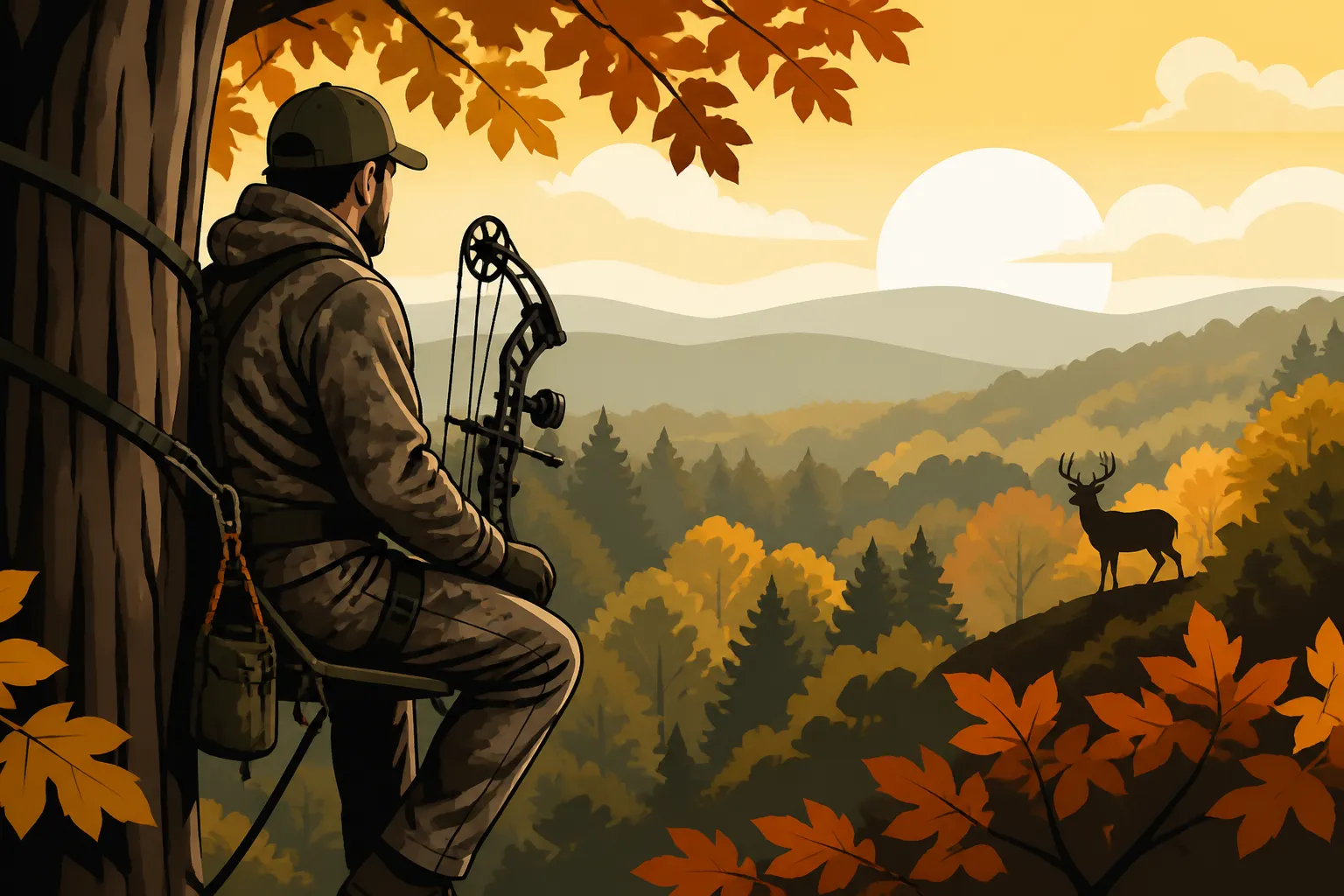
Virginia's deer, especially mature bucks, are incredibly wary. Any unnatural movement or silhouette can quickly send them bounding away. Traditional treestands, even when brushed in, present a distinct profile against the backdrop of the woods. A saddle, however, allows you to become one with the tree. You literally hug the trunk, using it as natural cover to break up your outline. Your movements are more fluid and less noticeable, as you pivot around the tree to adjust your shot angle. This intimate connection with the tree significantly reduces your visibility, making you a less detectable threat. In the often open hardwoods once the leaves fall, this minimalist profile can be the difference between getting busted and getting a shot. Plus, since your platform is typically smaller and closer to the tree, it minimizes any metallic sounds that might occur when shifting your weight, adding another layer of quiet to your approach.
Comfort for Extended Sits
For those new to saddle hunting, the idea of sitting in what looks like a rock climbing harness might seem uncomfortable. However, modern saddle designs are incredibly ergonomic, distributing your weight across your hips and rear, often making long sits more comfortable than in many traditional stands. Instead of being rigidly perched, you can subtly shift your weight, lean against the tree, or even rotate your body to stretch out cramped muscles. This increased range of motion helps prevent stiffness and fatigue, which is crucial for those all-day hunts, particularly during the peak of Hunting the Virginia Rut in November. When you’re comfortable, you're more patient, more focused, and ultimately, a more effective hunter. Many saddle hunters find they can sit longer and more quietly, enhancing their chances of success, especially when waiting for that elusive mature buck to make a mistake.
Assembling Your Virginia Hardwoods Saddle Setup
Getting into saddle hunting means rethinking some of your gear, but the payoff in mobility and versatility is well worth it. You'll want to select components that are robust enough for Virginia's varied terrain but still lightweight and quiet. The goal is to be as efficient as possible, minimizing bulk without sacrificing safety or functionality.
The Core: Your Hunting Saddle
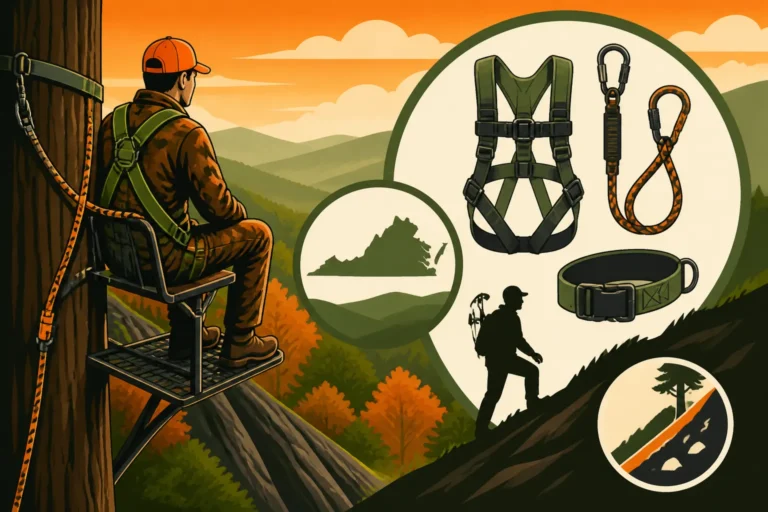
The saddle itself is the foundation of your system. It's a specialized harness designed to distribute your weight and keep you safely connected to the tree. When choosing one, comfort and fit are paramount. They come in various styles, from minimalist designs that prioritize light weight to more padded options that lean towards comfort for longer sits. Consider the seasons you'll be hunting in Virginia; a thicker saddle might be welcome during Cold-Weather Sitting Strategy in the Mountains, but a lighter, more breathable one could be better for early season Bowhunting Virginia's Statewide Archery Season. It's crucial to try different models if possible, to see how they fit your body and allow for natural movement. Look for durable construction and easy adjustability, as you'll be layering up or down depending on the weather. Many popular models are available from trusted outdoor retailers, and a quick search on a platform like GoHunt can often reveal user reviews and comparisons that help narrow down your choice based on specific features like belt systems or attachment points.
Scaling the Tree: Climbing Methods
Your climbing method is just as important as your saddle. The beauty of saddle hunting is that you're not limited to trees that can accommodate a specific stand type. You'll need a way to get up the tree safely and efficiently.
Climbing Sticks and Aiders
Climbing sticks are the most popular choice for saddle hunters. They're typically lightweight, attach securely to the tree, and can be stacked for easy transport. When selecting sticks for Virginia's hardwoods, consider the potential for rough bark on mature oak or hickory trees – you want sticks that bite well and don't slip. Lightweight aluminum or carbon fiber options exist, and systems that nest together silently are a huge plus for stealth. Many hunters will pair their sticks with "aiders" – small ropes or webbing loops that attach to the sticks, allowing you to gain more height per stick and reduce the number of sticks you need to carry. This is particularly useful when you need to ascend a tall, limbless trunk in search of better concealment. Remember to practice setting them up quietly, especially after reviewing tips on Climbing Sticks for Rough Bark.
Rope Climbing Methods
For the ultimate minimalist, rope-based climbing systems are an option, but they come with a steeper learning curve and require a high level of confidence in knot tying and rope management. Methods like SRT (Single Rope Technique) or DRT (Doubled Rope Technique) can be incredibly fast and quiet once mastered, but they are not for beginners. These systems often involve a specialized ascender and descender, providing a friction-based way to climb and rappel. While highly efficient, the safety margin for error is smaller, and they are generally recommended for experienced climbers only.
Safety First: Lineman's Belt and Tree Tether
These two pieces of gear are non-negotiable for saddle hunting safety. Your lineman's belt keeps you securely attached to the tree while you're ascending or descending with your climbing method. It wraps around the tree and clips into loops on either side of your saddle, allowing you to lean back and use both hands for your sticks or ropes. Once you reach your desired hunting height, you attach your tree tether. This short rope or strap goes around the tree, connects to the front of your saddle, and allows you to lean out from the tree, giving you 360-degree shooting lanes while keeping you safely suspended. Always ensure both are properly adjusted and securely fastened. There is no such thing as being too careful when you are twenty feet up a tree.
Mastering the Hunt: Setup and Strategy in Virginia's Woods
Saddle hunting isn't just about the gear; it's a whole different approach to the hunt. To truly leverage its advantages in Virginia's diverse landscapes, you need to think about scouting, tree selection, and in-the-moment adjustments differently than you might with a traditional fixed-position stand.
Strategic Scouting for Saddle Hunting Success
Before you even step foot in the woods with your saddle, you should have a solid game plan. Traditional scouting methods are still king, but with a saddle, you're looking for different nuances. Instead of just finding deer sign, you're looking for deer sign and suitable trees for a quick, stealthy setup. This means paying close attention to travel corridors, food sources, and bedding areas. Digital mapping tools, like those you might find integrated with a GoHunt membership or similar platforms, become incredibly powerful here. You can identify potential pinch points, ridge-top saddles, or creek crossings on aerial photos, and then use the topo lines to predict Wind and Thermals on a Blue Ridge Slope. When you're on the ground, confirm these areas, but also scan for clusters of good-sized trees that offer cover and clear shooting lanes. Remember, your setup is more adaptable, so you don't need one perfect tree; a cluster of smaller trees offering excellent concealment can be just as effective. For more general advice, check out Scouting Virginia Public Land Before Season.
Optimal Tree Selection and Setup
Choosing the right tree is critical for both safety and stealth. While a saddle offers more flexibility than a climber stand, not just any tree will do.
Ideal Tree Characteristics
In Virginia's hardwoods, you're often looking for trees that are roughly 12-20 inches in diameter at chest height, relatively straight, and free of dead limbs or "widowmakers" that could fall on you. Hardwoods like oak, maple, and poplar are common and usually offer good bark for climbing sticks. Avoid trees with very slick bark or those that are clearly unhealthy. Trees that fork high up can provide excellent cover, allowing you to tuck into the "V" for maximum concealment. Also, consider the prevailing wind direction and how the tree positions you relative to the deer's approach. A tree that offers good cover from one direction might leave you exposed from another.
The Silent Ascent
One of the biggest advantages of saddle hunting is the ability to achieve a silent ascent. Before you start climbing, clear any leaves or debris from the base of your chosen tree. Attach your lineman's belt and begin your ascent, placing climbing sticks deliberately and quietly. Avoid banging them against the tree. If using aiders, ensure they are deployed smoothly. Your goal is to reach your desired height with minimal disturbance. Once you’re up, secure your tree tether, unclip your lineman’s belt, and settle into your hunting position. Take your time, and make sure all your gear is organized and within easy reach, perhaps hung on silent gear hangers or a small pack that's pulled up with you. Consider wearing a pack that integrates well with your saddle setup, like those designed for mobile hunters, as detailed in Packs for a Day on Public Land.
Maximizing Shot Angles and Mobility
Unlike a traditional stand where you're largely fixed in one direction, a saddle allows you to rotate 360 degrees around the tree. This is a huge benefit, especially when a deer approaches from an unexpected angle. Practice drawing your bow or raising your rifle from various positions around the tree. You can lean out, pivot, or even shift your weight slightly to get a better shooting lane. This dynamic mobility means you can often get a shot off that would be impossible or incredibly awkward from a fixed stand. Always be mindful of your tether and lineman's belt, ensuring they don't impede your movement or get in the way of your shot. Your small platform is also key here, providing a stable footing as you adjust your body.
Safety, Regulations, and the Virginia Hunter
Safety should always be your top priority in the deer woods, and saddle hunting is no exception. While the gear is inherently safe when used correctly, understanding the rules and practicing consistently are crucial for a successful and accident-free experience.
Always Tethere: The Golden Rule
This cannot be stressed enough: from the moment your feet leave the ground until they return, you must be connected to the tree by either your lineman's belt or your tree tether. Period. There's no exception to this rule. A fall from even ten feet can lead to serious injury, and from twenty feet or more, it can be fatal. Treat every ascent and descent with the utmost respect for gravity. Before you leave home, inspect your ropes, carabiners, and webbing for any signs of wear or damage. This diligence is a habit every responsible Virginia hunter should cultivate, whether you're climbing into a saddle or using a traditional stand, as highlighted in guidelines around Treestand Rules on Virginia Public Land.
Public Land Regulations and Considerations
While saddle hunting itself isn't typically singled out in regulations, it generally falls under the umbrella of treestand use. Always check the specific regulations for the Virginia Department of Wildlife Resources (DWR) property, National Forest, or other public lands you plan to hunt. Some areas might have rules regarding how long a stand (or saddle setup components) can be left in a tree, or restrictions on damaging trees with screws or nails. Since saddle hunting is designed for mobility, you're usually packing your gear in and out with you, which often sidesteps many of these "leaving stands overnight" rules. However, always verify. For private land, ensure you have explicit permission to access and set up your gear. Platforms like GoHunt often offer valuable community forums where local hunters share insights into specific area regulations, which can be incredibly helpful.
Practice Makes Perfect (and Safe)
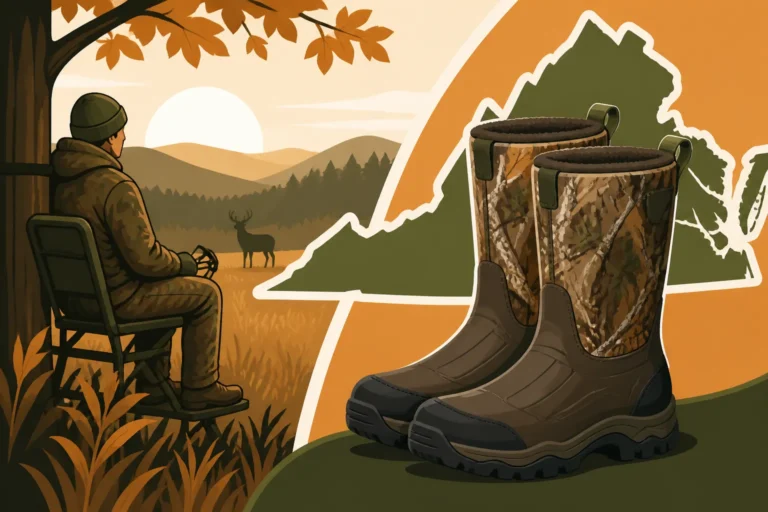
Don't wait until opening day to try out your new saddle setup. Practice in your backyard or a low-pressure area where you can safely learn the ropes. Practice climbing, setting your platform, and positioning yourself for a shot. Do this in full hunting gear, including your Insulated Boots for All-Day Sits and pack, to get a realistic feel. Experiment with different tree sizes and conditions. The more comfortable and proficient you are with your system, the quieter and more confident you'll be in the actual hunting situation. This practice isn't just about efficiency; it's about building muscle memory for safety, ensuring that attaching your lineman's belt and tether becomes second nature, no matter how cold or dark it might be.
Table: Saddle Hunting vs. Traditional Hang-on Stand in Virginia Hardwoods
| Feature | Saddle Hunting | Traditional Hang-on Stand |
|---|---|---|
| Mobility | Extremely high; lightweight, quick setup/takedown | Moderate; heavier, more involved setup/takedown |
| Weight | Typically 5-15 lbs (saddle + sticks/ropes) | Typically 15-30 lbs (stand + sticks) |
| Stealth/Concealment | Excellent; body against tree, natural outline break-up | Good; can be bulky, requires brushing in |
| Comfort for Long Sits | High (with proper technique), dynamic weight shift | Variable, depends on seat/backrest quality, fixed position |
| Tree Versatility | Very high; works on a wide range of tree sizes/shapes | Moderate; requires a relatively straight, appropriately sized tree |
| Shot Angles | 360-degree range of motion around the tree | Limited to forward/side angles, less versatile |
| Learning Curve | Moderate to high; requires practice for safety/efficiency | Low to moderate; basic setup is straightforward |
| Cost (Initial) | Moderate to High (saddle, sticks, platform, ropes) | Moderate to High (stand, sticks/ladder, safety harness) |
| Virginia Suitability | Excellent for diverse terrain, public land, mobile hunts | Good for established spots, less mobile, heavier setup |
Disclaimer
This article is for general informational purposes only and does not constitute professional advice. Laws, prices and regulations vary by location and change over time. Consult a qualified professional for guidance on your specific situation.