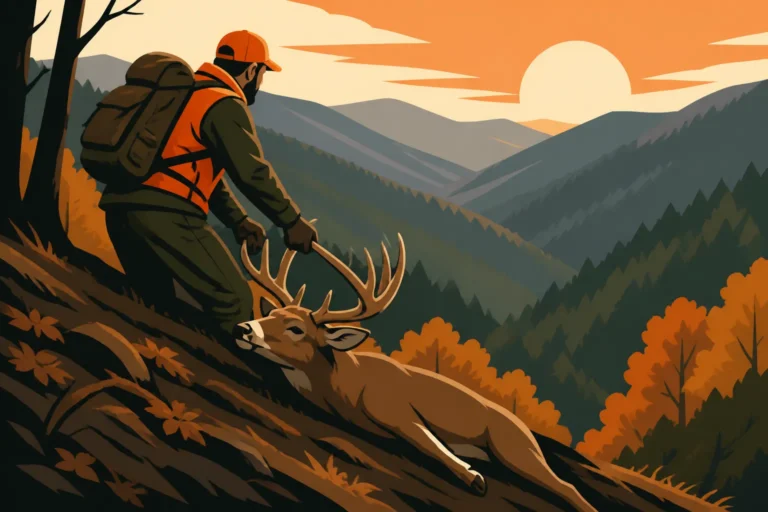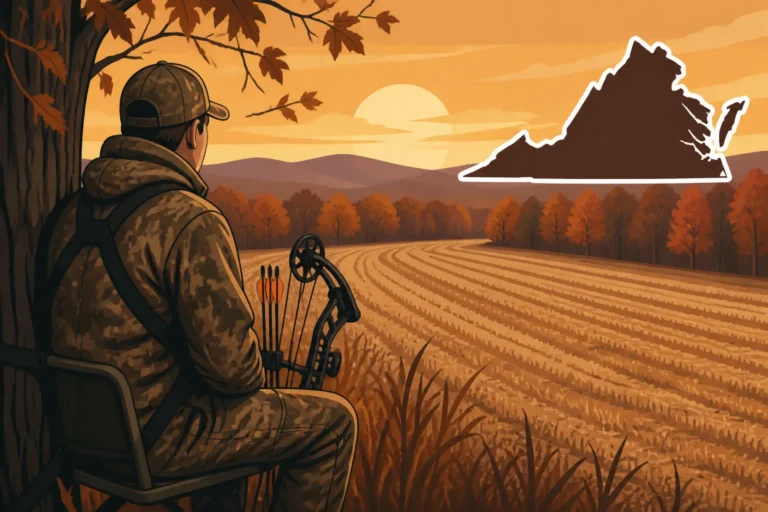
Muzzleloader Deer Hunting in Virginia
That unique window of opportunity between the peak of archery season and the full-blown general firearms opener can feel like a fleeting moment for many Virginia deer hunters. It’s a time when you want to be out in the woods, extending your time afield, but maybe the bow feels too restrictive, or you're just looking for a different kind of challenge before the gun season frenzy begins. This comprehensive guide is here to walk you through everything you need to know about muzzleloader deer hunting in Virginia, transforming that "in-between" period into one of your most rewarding hunts.
Virginia's Muzzleloader Season: A Bridge Between Archery and Firearms
The muzzleloader season in Virginia is a true gem, often overlooked by hunters who either stick to archery or wait for the general firearms opener. It offers a fantastic opportunity to hunt deer during a period when bucks might still be active but haven't been as heavily pressured by modern firearms. This season acts as a crucial bridge, allowing you to get back in the woods with a powerful, single-shot firearm that brings its own distinct set of challenges and rewards. It’s a chance to slow down, embrace a more traditional hunting method, and really connect with the natural world around you.
Understanding the Dates and Zones
Virginia's Department of Wildlife Resources (DWR) carefully crafts the hunting seasons to balance hunter opportunity with wildlife management goals, and the muzzleloader season is no exception. Generally, the early muzzleloader season kicks off after the statewide archery season and before the general firearms season, usually in November. This timing is prime, often coinciding with the pre-rut or early rut activity when bucks are starting to move more in search of does. However, it's absolutely critical to remember that specific dates, durations, and even daily hunting hours can vary by county and management zone.
For instance, the western counties, particularly those within the mountainous regions, might have slightly different dates or antlerless regulations compared to the flatter, more agricultural Piedmont or the coastal Tidewater regions. Some urban archery zones might also have extended muzzleloader opportunities or unique weapon restrictions. Always, and I mean always, double-check the current Virginia DWR regulations for the specific county or public land you plan to hunt. A quick check on the DWR website or a reliable hunting app like GoHunt can save you a lot of headaches and potential fines. Understanding these nuances is the first step to a successful and legal muzzleloader hunt. For a deeper dive into the timing, check out the information on Virginia Early Muzzleloader Season Dates.
Why Muzzleloader Season is Unique
What makes muzzleloader season truly stand out from other deer hunting methods? It boils down to the blend of challenge, tradition, and timing. Unlike modern firearms that offer rapid follow-up shots, a muzzleloader demands precision and patience. You get one shot, which forces you to be incredibly deliberate in your shot placement, target identification, and overall hunting strategy. This single-shot limitation harks back to a more traditional form of hunting, fostering a deeper appreciation for the skill involved.
Furthermore, the timing of the early muzzleloader season often places you in the woods during a sweet spot. The woods are typically quieter than during the general firearms opener, meaning less hunter pressure on the deer. Bucks are often on the move, chasing does or establishing their dominance, but they haven't yet become as nocturnal or skittish as they might later in the season. The cooler November weather is also a major advantage, making it more comfortable for all-day sits and much easier for game recovery. It's a fantastic opportunity to tag a mature buck that might be laying low during the more crowded gun season.
Specific Regulations and Restrictions
Muzzleloader hunting in Virginia isn't just about showing up with a black powder gun; there are specific rules governing the equipment you can use and how you can use it. These regulations are designed to maintain the traditional aspect of muzzleloader hunting while ensuring hunter safety and fair chase. For instance, only muzzleloading firearms, defined by the DWR, are permitted. This typically means firearms loaded from the muzzle with black powder or an approved substitute, and a single projectile.
It's important to differentiate between true muzzleloaders and some of the more modern "in-line" muzzleloaders that can sometimes push the boundaries towards modern firearm performance. While many in-lines are perfectly legal, always check the specific criteria regarding ignition types (percussion cap, 209 primer), propellant (black powder or Pyrodex/Triple Seven substitutes), and projectile types (conical bullets, sabot rounds). Scopes are generally permitted during muzzleloader season, offering a significant advantage over open sights, but confirm magnification limits if any. Additionally, pay close attention to antlerless deer opportunities; some counties might have specific days or requirements for harvesting does during muzzleloader season, often tied to herd management goals. For a general overview of all deer seasons, refer to Virginia Deer Season Structure Explained.
Muzzleloader Gear Essentials: What You Need to Carry Afield
Stepping into the world of muzzleloader hunting can feel a bit like learning a new language when it comes to gear. It’s not as simple as grabbing a box of cartridges for your rifle. Muzzleloaders require a specific array of components – powder, primers, projectiles, cleaning supplies, and more – all of which need to be carefully selected and managed to ensure a safe and successful hunt. The initial investment in understanding these components will pay dividends in the field, leading to consistent accuracy and reliable performance when that trophy buck steps into view.
Choosing the Right Muzzleloader and Caliber
The choice of your muzzleloader itself is a foundational decision. There's a wide spectrum available, from traditional flintlocks and percussion cap rifles to modern in-line models. For most Virginia deer hunters, an in-line muzzleloader firing a 209 primer is the most practical and popular choice. Brands like CVA, Traditions, Thompson/Center, and Savage offer reliable and accurate options. These modern muzzleloaders are generally easier to load, more weather-resistant, and significantly more accurate at longer ranges than their traditional counterparts.
When it comes to caliber, the .50 caliber is overwhelmingly the most popular and effective for deer hunting in Virginia. It provides excellent knockdown power and there's a vast array of bullet options available. While .45 caliber can also be effective, especially with modern sabot rounds, the .50 caliber simply offers a larger frontal area and typically heavier projectiles for better energy transfer on game. Consider the overall weight and balance of the rifle, especially if you plan on covering significant ground in the mountains or still-hunting through thick cover. A lighter, more maneuverable rifle can make a big difference when you’re carrying it all day. Choosing the right one can make all the difference, as detailed in Choosing a Muzzleloader for November Cold.
Powder, Primers, and Projectiles
This is where muzzleloader hunting truly distinguishes itself. You're assembling your own "ammunition" in the field, so understanding each component is paramount.
- Powder: Black powder is the traditional choice, but modern synthetic substitutes like Hodgdon Pyrodex, Triple Seven, or Alliant Black MZ are far more common and convenient. These substitutes offer cleaner burning, less corrosive residue, and more consistent performance than true black powder. Always use the granular powder (FFg or FFFg) specifically designed for muzzleloaders, never smokeless powder, which can cause catastrophic failures in a muzzleloader. Powder pellets are also an excellent option, offering consistent charges and ease of loading in the field, especially from brands like IMR or Hodgdon. Always start with the manufacturer's recommended charge and work your way up to find the most accurate load for your rifle, staying within safe limits.
- Primers: For most modern in-line muzzleloaders, 209 shotshell primers are the standard. They provide hot, reliable ignition even in damp conditions. Ensure your rifle is designed for 209 primers if you plan to use them. Some older or more traditional models might use percussion caps, which require careful handling and protection from moisture.
- Projectiles: This is where you have a lot of flexibility.
- Conical Bullets: These are solid lead or lead alloy bullets, often Minnie balls or PowerBelt bullets, that fit snugly down the bore. They are traditional and effective but may offer less accuracy at extended ranges compared to sabot rounds. They are also excellent for big game due to their weight and energy transfer.
- Sabot Rounds: These consist of a smaller diameter bullet (like a .45 or .40 caliber bullet) encased in a plastic sleeve (sabot) that fits a .50 caliber bore. Once fired, the sabot separates, and the bullet continues to the target. Sabots typically offer superior accuracy and flatter trajectories, making them a popular choice for deer hunters aiming for precision. Popular brands include Hornady SST-ML, Barnes Spit-Fire, and Federal Trophy Copper B.O.R. Lock MZ. It's a good idea to experiment with different powder/projectile combinations to find what shoots best out of your specific rifle. For a deeper look into bullet choices, check out Sabot Versus Conical for Deer.
Optics and Accessories for Muzzleloader Hunting
Even with a single-shot firearm, effective optics and a few key accessories can dramatically increase your chances of success. A good quality scope is almost a necessity for hunting deer, especially in the varied terrain of Virginia where shots can range from tight timber to longer field edges.
- Scopes: A variable power scope, typically in the 3-9×40 or 2-7×32 range, is ideal. You want something with good light gathering capabilities for those crucial dawn and dusk hours, and a clear, simple reticle. Brands like Leupold, Vortex, Bushnell, or Nikon offer excellent options. Make sure your scope is mounted securely and zeroed accurately at a distance you expect to shoot most frequently, usually 50 or 100 yards. Given the single-shot nature, you want to be supremely confident in your aiming point.
- Essential Accessories:
- Capper/Decapper: A tool for easily placing and removing percussion caps or 209 primers, especially with cold fingers.
- Speed Loaders: These pre-packaged tubes hold a powder charge and projectile, allowing for quick and efficient reloading in the field. Absolutely essential if you need a follow-up shot.
- Cleaning Patches and Solvent: Muzzleloaders get dirty, fast. Carrying a few dry patches and a small amount of solvent can help clean the bore between shots at the range or for a quick field cleaning.
- Rangefinder: Critical for accurately judging distances, especially with the more rainbow trajectory of a muzzleloader projectile compared to modern rifles.
- Small Pouch/Kit: Keep all your primers, powder, projectiles, and loading tools organized and protected from moisture. A good, waterproof pouch is non-negotiable.
- Bore Light: Handy for inspecting the bore after cleaning or to ensure no obstructions are present before loading.
Remember, the goal is to be prepared for every eventuality. Having your gear organized and easily accessible means you can focus on the hunt itself, rather than fumbling for components when a deer finally appears.
Tactics for Muzzleloader Success in Virginia
Muzzleloader hunting isn't just a different weapon; it's a different mindset. The limitations of a single shot, combined with the unique timing of the season, require a more deliberate and often more patient approach than you might employ during general firearms season. Success often hinges on maximizing your chances for that one perfect shot and understanding deer behavior during this specific period.
Scouting and Stand Placement During the Mid-Season Lull
The early muzzleloader season often falls during a period that some refer to as the "mid-season lull," between the early archery pressure and the heavy general firearms traffic. This doesn't mean deer aren't moving; it just means their patterns might be slightly different. This is a critical time for scouting. You'll want to focus on late-season food sources like standing corn, brassicas, or acorn flats if they're still available. In the mountains, look for areas with white oaks or chestnut oaks that might still be dropping acorns. In the Piedmont, agricultural fields and mature timber edges are key.
Stand placement becomes even more crucial with a muzzleloader. Given the single-shot limitation and often shorter effective range compared to high-powered rifles, you want to get as close as safely and ethically possible to known deer travel corridors, feeding areas, or bedding sanctuaries. Focus on pinch points, funnels, and transition lines where deer are forced into predictable movement patterns. Consider thermals and wind direction, especially in hilly or mountainous terrain, to ensure your scent isn't blowing directly into a deer's nose. A tool like GoHunt, with its robust mapping features, can be invaluable for e-scouting and identifying these key topographical features before you ever set foot in the woods. Analyzing aerial photos for potential bedding areas and understanding entry/exit routes can put you right in the deer's path. Finding good spots on public land before the season can be a huge advantage; read up on Scouting Virginia Public Land Before Season.
Still-Hunting and Stalking with a Muzzleloader
While treestand hunting from a well-scouted location is highly effective, the single-shot nature of a muzzleloader also lends itself beautifully to still-hunting or stalking, especially in areas with good cover or during periods of increased deer activity like the rut. This method requires extreme patience, stealth, and a keen eye for reading the landscape. Move slowly, taking only a few steps every minute, and then pause, scanning with your binoculars. Look for horizontal lines, flicking ears, or the subtle glint of an antler against the vertical backdrop of trees.
Focus on areas with fresh sign: tracks, rubs, and scrapes. In the mountains, still-hunting along benches, ridge lines, or creek bottoms can be productive. In the Piedmont, working slow through dense woodlots or along field edges where cover is abundant can yield opportunities. The key is to move with the wind, or at least crosswind, to avoid blowing your scent ahead of you. A successful stalk will put you within the effective range of your muzzleloader, allowing you to settle in for a clean, ethical shot. This method is particularly rewarding as it truly tests your woodsman skills.
Adapting to Weather and Deer Behavior
Virginia's November weather can be fickle, swinging from crisp, clear days to damp, drizzly, or even snowy conditions. Adapting your tactics to the prevailing weather and understanding how it influences deer behavior is vital for muzzleloader success.
- Cold Fronts: A sudden drop in temperature after a warm spell often kick-starts deer movement. Bucks might be up and moving earlier and later, trying to feed up before the cold really sets in or searching for does. These are prime times for all-day sits in a well-placed stand.
- Damp and Rainy Weather: This can be a double-edged sword for muzzleloaders. On one hand, light rain or damp conditions can quiet the woods, making it easier to move silently and muffling human scent. On the other hand, moisture is the enemy of black powder. Ensure your muzzleloader's lock and breech are well-protected from rain, and consider using a waterproof cover for your primer area. Deer often move during light rain, but might bed down during heavy downpours.
- Wind: High winds can make deer nervous, but they can also make them move to more sheltered areas. Use strong winds to your advantage by hunting on the downwind side of ridges or in thick bottoms where deer might seek refuge. Always be mindful of Wind and Thermals on a Blue Ridge Slope and how they carry your scent.
- Rut Activity: If your muzzleloader season overlaps with the rut, focus on areas where does congregate, as bucks will be checking these spots regularly. Scrape lines along logging roads or field edges can be hotbeds of activity. Rattling and grunting can also be effective during this period to draw in curious or territorial bucks.
By paying close attention to the forecast and observing deer behavior, you can fine-tune your approach, choose the right stand, or plan the perfect still-hunt to intersect with a Virginia whitetail. Remember, muzzleloader season is a fantastic time to be in the woods, and thoughtful adaptation is your best friend.
Loading and Shooting Your Muzzleloader Safely and Accurately
The beauty and challenge of muzzleloader hunting truly come alive when it's time to load and shoot. Unlike modern cartridge firearms, the process is hands-on, requiring attention to detail and a precise sequence of steps. Mastering this process, both at the range and especially in the field, is fundamental not just for accuracy but for safety and reliability when that critical moment arrives.
Mastering the Loading Process in the Field
Loading a muzzleloader in the field, particularly when adrenaline is pumping, requires practice and a methodical approach. It’s not just about getting the components down the barrel, but doing it correctly and consistently every time.
- Safety First: Always keep the muzzle pointed in a safe direction. This is non-negotiable. Before you even think about loading, ensure your breach plug is clear and the barrel is free of obstructions.
- Powder Charge: Carefully measure your powder, or use pre-measured pellets. Gently pour the powder down the barrel. It’s a good practice to use a short "charge tube" to funnel the powder directly, preventing it from sticking to the barrel walls, especially if they're damp.
- Wad/Sabot and Projectile: Place your projectile (with its sabot, if applicable) firmly into the muzzle.
- Seating the Projectile: Use your ramrod to seat the projectile firmly against the powder charge. This is a crucial step. There should be no air gap between the projectile and the powder. A loose projectile can lead to dangerous pressure spikes or poor accuracy. You'll feel distinct resistance as it seats. Mark your ramrod at the fully seated position so you can verify it's properly loaded.
- Priming: Only prime the muzzleloader (insert the percussion cap or 209 primer) when you are ready to shoot, or when actively hunting and expecting an immediate shot opportunity. Keep primers protected from moisture until this moment.
Practicing this sequence until it becomes second nature will prevent fumbling in the field and ensure consistent performance. Remember that a muzzleloader cannot be easily unloaded without firing it, or by removing the breech plug, so load it only when you intend to hunt. For tips on preventing misfires, consult Keeping Powder Dry in Wet Weather.
Developing Shooting Proficiency
Accuracy with a muzzleloader comes from consistent practice and understanding your rifle's unique characteristics. It’s not just about aiming; it's about the entire shooting cycle.
- Range Time is Crucial: Spend ample time at the shooting range before the season opens. Experiment with different powder charges and projectile combinations to find what your particular rifle "likes" best. Even subtle differences in powder amount or bullet type can significantly impact accuracy.
- Zeroing: Zero your muzzleloader at a practical hunting distance. For most Virginia deer hunting scenarios, 50 or 100 yards is a good starting point. Understand your bullet's trajectory at various ranges – how much it drops at 150 or 200 yards. This is where a rangefinder becomes invaluable.
- Shooting Positions: Practice shooting from various field positions: off a rest, kneeling, sitting, and even standing. While you'll ideally take a shot from a rested position, deer rarely cooperate perfectly. Being proficient from different stances will prepare you for real-world hunting situations.
- Follow-Through: Because you only get one shot, follow-through is paramount. Maintain your sight picture and continue to hold the rifle steady after the shot. Don’t flinch or immediately look away. This helps ensure the projectile leaves the barrel on its intended path.
- Cold Barrel vs. Fouled Barrel: Muzzleloaders often shoot differently from a cold, clean barrel than they do from a fouled barrel (after a few shots). Practice your initial shot, as this will likely be your hunting shot. Understand how much your point of impact might shift after several shots without cleaning. Many hunters will fire a "fouling shot" at the range and then load a clean shot for the zeroing process.
Developing confidence in your muzzleloader's accuracy and your own shooting ability will translate directly into ethical, clean kills in the field.
Maintenance and Cleaning for Reliability
Muzzleloaders, particularly those using black powder or its substitutes, are notorious for producing corrosive fouling. Proper and timely cleaning is not just about keeping your rifle looking good; it's essential for its reliability, accuracy, and longevity.
- Immediate Field Cleaning: After each shooting session or hunt, even if you didn't fire a shot, perform a basic field clean. Wipe down the barrel, breach plug, and action to remove any moisture or residue. Swabbing the bore with a few wet patches (using a specialized black powder solvent) followed by dry patches can prevent immediate corrosion.
- Deep Cleaning: A thorough deep clean should be performed after every hunting trip or extensive range session. This involves removing the breech plug and soaking it in a good black powder solvent. Clean the barrel meticulously with a bore brush and patches until they come out clean. Pay close attention to the ignition area (firing pin, primer pocket) where corrosive residue can build up.
- Protection from Moisture: Moisture is the arch-enemy of muzzleloaders. Black powder and its substitutes are hygroscopic, meaning they readily absorb water. This can lead to misfires, hangfires, or completely degraded performance. During hunting, keep your powder, primers, and loaded muzzleloader as dry as possible. Use waterproof containers for your components and consider a muzzleloader cover. When packing your muzzleloader in for the night, ensure it's completely dry before storage.
- Breech Plug Care: The breech plug is a critical component that often collects a lot of fouling. Always remove and clean it thoroughly. A small amount of anti-seize compound on the threads will make future removal much easier and prevent it from seizing up.
Neglecting cleaning will inevitably lead to misfires, reduced accuracy, and premature wear on your firearm. A well-maintained muzzleloader is a reliable hunting partner that will serve you well for many seasons to come.
Hunting Different Virginia Regions with a Muzzleloader
Virginia is a state of diverse landscapes, from the rugged peaks of the Blue Ridge to the sprawling farmlands of the Piedmont and the marshy expanses of the Eastern Shore. Each region presents its own unique challenges and opportunities for the muzzleloader hunter. Understanding these regional differences and adapting your approach accordingly can significantly improve your chances of success.
Mountain Muzzleloader Strategies
Hunting the mountains of Virginia, particularly within the vast George Washington and Jefferson National Forests, with a muzzleloader is a physically demanding but incredibly rewarding experience. Deer densities might be lower than in agricultural areas, but the bucks tend to be older, wiser, and offer a true test of a hunter's skill.
- Covering Ground: Expect to cover significant ground. Mountain bucks often travel large areas, and finding them requires diligent footwork. Focus on identifying natural funnels, saddles, and benches that connect bedding areas on higher elevations to feeding areas in hollows or on lower slopes. Reading the terrain using contour maps (like those found on GoHunt or other mapping apps) is essential before and during the hunt.
- Food Sources: Natural mast crops, primarily acorns from various oak species, are the lifeblood of mountain deer. Scout for active acorn drops. If it's been a poor acorn year, focus on secondary food sources like greenbrier thickets, honeysuckle, or any regenerating clear-cuts that offer browse.
- Thermals and Wind: In mountainous terrain, thermals dictate air movement, especially during morning and evening. Air generally flows downhill in the morning and rises uphill in the evening. Understanding this, combined with prevailing wind patterns, is crucial for stand placement and still-hunting to keep your scent from giving you away. A good strategy is to hunt midway up a ridge, letting your scent rise above the deer in the morning or fall below them in the evening. For detailed insights, check out Reading a Ridge for Blue Ridge Deer.
- Thick Cover and Shots: Mountain hunting often means thick timber and brush. Your shots will likely be closer, often under 100 yards. Practice shooting your muzzleloader in conditions that mimic this – aiming through small lanes, quickly acquiring targets. The single-shot nature means you need a clear shot lane and confidence in your aiming point. Patience is key; wait for the deer to present the best possible ethical shot.
Piedmont Field and Woodlot Approaches
The Piedmont region, with its mix of agricultural fields, mature hardwoods, and smaller woodlots, offers a different kind of muzzleloader challenge. Deer populations are generally higher here, but the deer are also often more pressured, especially near suburban areas.
- Field Edges and Funnels: In the Piedmont, deer frequently utilize field edges, fencerows, and creek bottoms as travel corridors between bedding areas and feeding grounds. Setting up a ground blind or treestand along a well-used field edge, especially one with standing corn or soybeans, can be highly productive. Look for pinch points where a woodlot narrows or a ditch forces deer into a specific path.
- Woodlot Hunting: Don't overlook the smaller woodlots that might seem insignificant. These often serve as critical bedding cover or daytime refuges, especially if they are close to food sources. Still-hunting these smaller blocks of timber can yield unexpected encounters, particularly if you move slowly and deliberately with the wind in your face.
- Scrapes and Rub Lines: During the early muzzleloader season, rutting activity can be picking up. Focus on monitoring fresh scrape lines and rub lines, especially those along trails or the edges of thicker cover. Bucks will be checking these often. Using a mapping app like GoHunt to mark and revisit these signs can help you pattern deer movement.
- Pressure Management: Deer in the Piedmont often experience more human pressure than their mountain counterparts. Consider hunting during the week or focusing on less accessible parts of public lands. On private land, be mindful of how your presence might push deer to neighboring properties. Subtle tactics and minimal disturbance are often most effective.
Tidewater and Eastern Shore Considerations
The Tidewater and Eastern Shore regions of Virginia offer unique wetland and agricultural environments. Hunting here with a muzzleloader requires a distinct set of tactics tailored to the landscape.
- Swamps and Marsh Edges: Deer in these regions heavily utilize swamp edges, dense marshlands, and river bottoms for cover and food. Focus your efforts on the slightly higher ground, natural ridges, and transition zones between swamps and agricultural fields. Creek crossings and beaver dam crossings can be excellent ambush points.
- Island and Peninsula Hunting: On the Eastern Shore, small woodlots, barrier islands, and the edges of vast agricultural fields interspersed with marsh can hold surprisingly good numbers of deer. Access can sometimes be challenging, requiring boats or careful planning.
- Food and Cover: Besides agricultural crops, deer here feed on a variety of wetland vegetation, shrubs, and acorns from water oaks or pin oaks. Focus on areas that offer a combination of dense escape cover and readily available food.
- Thermals and Humidity: While not as pronounced as in the mountains, understanding thermals in low-lying areas, particularly how cool air settles into depressions, is still important. Humidity can also be a factor, making scent control even more vital. Pay close attention to how your scent travels in these often stagnant or slow-moving air conditions.
- Public Access: Many of Virginia's Wildlife Management Areas (WMAs) in the Tidewater region offer excellent muzzleloader hunting opportunities, but they can also see significant pressure. Research specific WMA rules and regulations, as some may have unique access requirements or lottery systems. For example, some WMAs might be better suited for Hunting Tidewater Swamp Edges.
No matter the region, the core principles of patience, stealth, ethical shot placement, and thorough scouting remain paramount for a successful muzzleloader deer hunt in Virginia.
Virginia DWR Regulations and Best Practices
Navigating the rules and regulations set forth by the Virginia Department of Wildlife Resources (DWR) is as important as knowing how to shoot your muzzleloader. These regulations are in place to ensure fair chase, promote hunter safety, and manage Virginia's deer population sustainably. A responsible hunter is an informed hunter, and staying current on DWR guidelines is a year-round commitment.
Tagging and Reporting Requirements
Once you've harvested a deer with your muzzleloader, the work isn't over. Virginia has specific, mandatory tagging and reporting requirements that every hunter must follow diligently.
- Immediate Tagging: The very first thing you must do upon harvesting a deer is to immediately attach your kill tag to the animal. This tag must be completed with the date, time, and county of harvest. This serves as immediate proof that the animal was legally harvested and helps DWR track harvest data. Most hunters attach the tag to an antler (for bucks) or through the hock (for does) so it's visible.
- Mandatory Reporting: Within 24 hours of harvest, or before the deer is processed or leaves Virginia, you are legally required to report your deer to the DWR. This can be done through several convenient methods:
- Go Outdoors Virginia Website: The most common method, allowing you to log in and report your harvest online.
- Go Outdoors Virginia Mobile App: A fantastic tool for reporting right from the field, even if you have spotty cell service, as it can often cache your entry and upload later.
- Phone Reporting: A dedicated hotline is available for reporting via phone.
Reporting accurately is crucial for DWR's wildlife management efforts, helping them monitor herd health, population trends, and hunter success rates. Failing to report a deer is a violation and can result in penalties. Always double-check your entry for accuracy. Learn more about Reporting a Deer Through Virginia's App.
Safety Guidelines and Hunter Ethics
Muzzleloader hunting, like all hunting, carries inherent risks. Adhering to strict safety guidelines and maintaining a strong ethical compass is paramount for both your well-being and the reputation of the hunting community.
- Basic Firearm Safety: All the fundamental firearm safety rules apply to muzzleloaders: treat every firearm as if it's loaded, keep the muzzle pointed in a safe direction, keep your finger off the trigger until ready to shoot, and be sure of your target and what's beyond it. Given the single-shot nature, you might be tempted to rush a shot, but patience and positive identification are even more critical.
- Blaze Orange/Pink: During the muzzleloader season, Virginia generally requires hunters to wear specific amounts of blaze orange or blaze pink for visibility. This usually means a solid cap or hat and an outer garment (like a vest or jacket) that displays at least 100 square inches of blaze orange/pink visible from 360 degrees. Always check the current regulations for exact requirements, as these can sometimes change. This is especially important when sharing public land with other hunters.
- Tree Stand Safety: If hunting from a treestand, always use a full-body harness and a safety line. Inspect your stand and straps before each use. Falls from treestands are a leading cause of hunting injuries.
- Ethical Shot Placement: The goal is always a clean, humane kill. With a muzzleloader's single-shot limitation, this means being even more selective about your shots. Wait for the deer to present a broadside or slightly quartering-away shot, aiming for the vital lung/heart area. Avoid risky shots that could wound an animal.
- Game Recovery: If you make a shot, give the animal sufficient time before tracking, especially if it was not an obvious pass-through. Depending on the shot, waiting 30 minutes to an hour, or even longer (4-6 hours) for a gut shot, can make the difference between recovery and a lost animal. Track carefully, looking for blood, broken limbs, or disturbed leaves. If you lose the trail, back out and return later, or enlist the help of a blood-tracking dog. Never leave a wounded animal if it can be recovered.
Staying Informed with DWR Resources
The Virginia DWR is constantly updating regulations, season dates, and information crucial to hunters. Staying informed is your responsibility.
- Annual Regulations Digest: The DWR publishes a comprehensive digest of hunting and trapping regulations each year. This is your bible. Read it thoroughly, paying special attention to any changes from previous seasons. These are available online or at license vendors.
- DWR Website and Social Media: The DWR website (dwr.virginia.gov) is an invaluable resource for up-to-the-minute news, season changes, CWD information, and public land maps. Following their social media channels can also provide timely updates.
- Go Outdoors Virginia App: Beyond reporting, the Go Outdoors Virginia app offers access to regulations, license purchasing, and often interactive maps of public lands and WMAs, making it easier to plan and execute your hunt while staying compliant.
- Hunter Education: If you're a new hunter or need a refresher, consider Virginia's hunter education courses. They cover not only safety and regulations but also wildlife identification, conservation ethics, and basic hunting skills.
By proactively engaging with DWR resources, you'll not only stay on the right side of the law but also become a more knowledgeable, safe, and effective muzzleloader hunter in Virginia.
Overcoming Muzzleloader Challenges and Maximizing Opportunities
Muzzleloader hunting is a journey of continuous learning. While it presents its own unique set of challenges, embracing these aspects is part of what makes it so rewarding. From dealing with the ever-present threat of moisture to maximizing the potential of that single shot, understanding how to overcome these hurdles will elevate your hunting experience and increase your chances of success.
Dealing with Misfires and Moisture
The dreaded misfire is a rite of passage for many muzzleloader hunters, but with proper preparation and technique, it can be largely avoided. Moisture is almost always the culprit, and Virginia's late fall and early winter weather can be notoriously damp.
- Moisture Protection: The single most important step is to keep your powder and primer dry. Use waterproof containers for your powder pellets or loose powder. Keep your primers in a sealed, waterproof tin or dispenser. On the rifle itself, a piece of electrical tape over the muzzle and another over the breach plug/primer area can provide excellent temporary moisture protection in the field. Some hunters use small rubber condoms over the muzzle. Ensure your primer is completely sealed from the elements.
- Cleanliness is Key: A dirty breach plug or a fouled firing pin channel can prevent reliable ignition. Regular, thorough cleaning, especially of the breach plug and primer pocket, is crucial. If you're using pellets, sometimes a small piece of unburnt powder can block the flash hole.
- Hangfires: A hangfire is when the primer ignites, but there's a delay before the main powder charge ignites. This can be caused by moisture or inconsistent powder. If you experience a "click" but no "bang," do not immediately open the breech or lower the rifle. Keep the muzzle pointed in a safe direction for at least 30-60 seconds, as a delayed ignition could still occur.
- Clearing a Misfire: If a misfire occurs, carefully remove the primer (if applicable), keep the muzzle pointed safely, and then follow your rifle's manufacturer instructions for safely unloading. This often involves removing the breach plug and pushing the projectile and powder out from the breech end. Never try to force an obstruction out from the muzzle. Prevention is always the best cure for misfires. For more specialized tips on preventing misfires, remember to check out Keeping Powder Dry in Wet Weather.
The Art of the Single Shot
The single-shot aspect of a muzzleloader is both its biggest challenge and its greatest teacher. It forces a level of discipline and focus that modern repeating firearms sometimes allow us to forget.
- Patience and Selectivity: With only one shot, you become incredibly selective. You learn to be patient, waiting for the absolute best, most ethical shot opportunity. This means passing on marginal shots, waiting for a deer to turn broadside, or letting it take a few more steps into a clearer shooting lane. This patience often leads to higher-quality deer and more confident kills.
- Shot Placement Imperative: Every ounce of your focus goes into that single shot. You must be supremely confident in your range estimation, aim, and ability to execute a clean trigger squeeze. Practice aiming at small targets at the range to hone your precision.
- Enhanced Hunting Experience: This limitation paradoxically enhances the hunting experience. It forces you to slow down, to stalk more carefully, to scout more thoroughly, and to become a better woodsman overall. Every aspect of the hunt becomes more deliberate and meaningful, from the stalk to the shot. When that single shot connects and the animal drops, the sense of accomplishment is profound.
- Focus on the Vitals: Understand deer anatomy intimately. Know precisely where the heart and lungs are located for various shot angles. Visualize the bullet's path through the animal. This focus on ethical shot placement is a hallmark of responsible muzzleloader hunting.
Extending Your Season into the Late Muzzleloader Period
While the early muzzleloader season is fantastic, Virginia sometimes offers extended muzzleloader opportunities, especially in specific zones or for antlerless deer. This can be a strategic advantage, allowing you to fill tags when other seasons have closed or when deer patterns have shifted dramatically due to late-season food sources or increased pressure.
- Late Season Food Sources: In the late season, natural forage can be scarce. Deer will gravitate heavily towards any available food, such as standing agricultural crops (soybeans, corn), green winter food plots (clover, brassicas), or honeysuckle thickets. Focus your scouting on these areas. Understanding Late-Season Food Sources for Virginia Whitetails is crucial.
- Cover is Key: As leaves drop, cover becomes sparser. Deer will seek out the thickest available cover for bedding and security – dense clear-cuts, pine thickets, river bottom tangles, or swamp edges. Hunting the fringes of these areas, or strategically still-hunting through them, can be effective.
- Cold Weather Strategies: Late-season muzzleloader hunting often means colder temperatures. Dress in layers, use insulated boots, and plan for all-day sits if necessary. Movement will be dictated by the cold, with deer often moving to feed during warmer parts of the day. A well-placed ground blind or insulated treestand can be essential for comfort and stealth. For effective cold-weather hunting, explore Cold-Weather Sitting Strategy in the Mountains.
- Reduced Pressure Areas: By late season, many hunters have hung up their gear. This can mean less pressure on public lands, creating opportunities for persistent muzzleloader hunters willing to brave the elements and put in the effort. Use mapping apps like GoHunt to identify hard-to-reach spots that might hold deer seeking refuge.
Muzzleloader hunting in Virginia is a fantastic way to immerse yourself in a challenging and traditional pursuit. By understanding the regulations, mastering your gear, and adapting your tactics, you'll find it to be one of the most rewarding ways to chase whitetails in the Old Dominion.
Disclaimer
Please note that hunting regulations, season dates, and license requirements can change frequently. Always consult the official Virginia Department of Wildlife Resources (DWR) website or their most current annual regulations digest before planning any hunt. This guide is for informational purposes only and should not be considered a substitute for official DWR publications. Ensure you comply with all local, state, and federal laws.