Blaze Pink Gear and Where to Find It
Many hunters in Virginia have traditionally relied on blaze orange for safety, but with new regulations and evolving gear, there's often confusion about what's legal, what's effective, and where to even find these options. If you've been wondering if blaze pink is truly an accepted safety color here in the Old Dominion, or if it really makes a difference in the woods, you've come to the right place. This guide will walk you through Virginia's rules, the science behind blaze pink, and how to source the right gear for your next hunt.
Virginia's Stance on Blaze Pink: The Law and the Logic
For decades, the standard for hunter visibility has been blaze orange. It’s ingrained in our hunting culture, and for good reason – it saves lives. However, over the last several years, states like Virginia have begun to acknowledge the scientific validity and practical benefits of blaze pink, offering hunters another option for staying safe in the field. This shift can be a bit surprising for seasoned hunters, but it's all rooted in enhancing safety for everyone.
Deciphering Virginia's Hunter Visibility Regulations
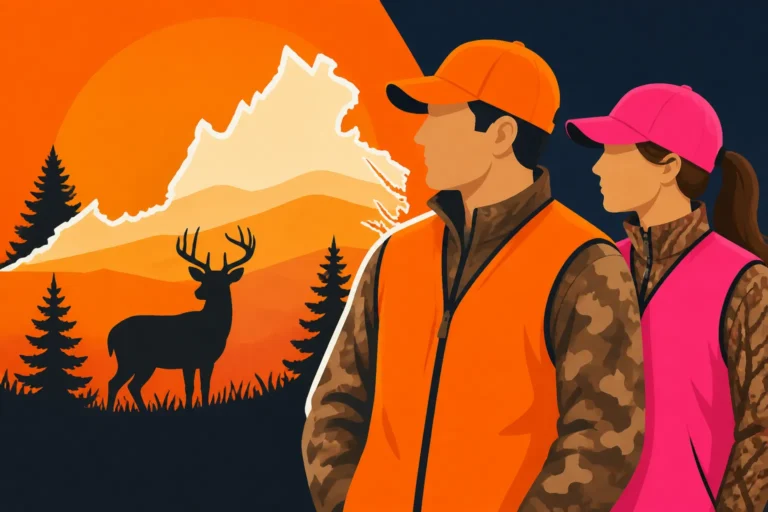
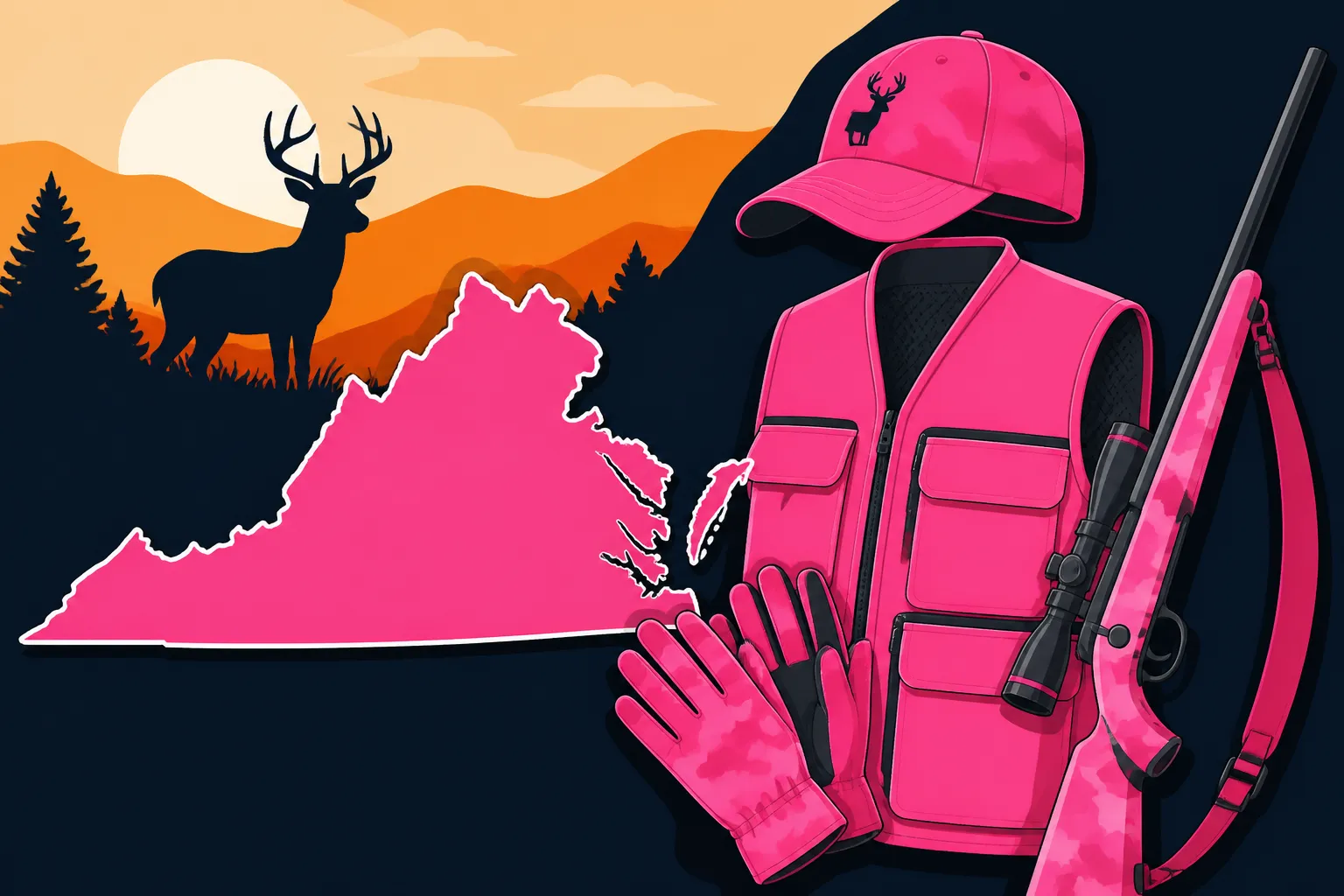
Virginia's hunting regulations are quite clear on the requirements for hunter visibility, especially during certain seasons and on public lands. Historically, this meant a solid blaze orange garment, visible from 360 degrees, during the general firearms deer season and other specific times. The inclusion of blaze pink, while a relatively new addition compared to the long-standing orange mandate, follows the same fundamental principles of safety. It's not about replacing blaze orange entirely, but rather providing an alternative that meets the same high standards of visibility to other human hunters. So, when you're gearing up for a hunt where a visibility color is required, you can confidently choose either blaze orange or blaze pink, knowing you're in compliance. Always make sure you're meeting the minimum surface area requirements, which usually involve wearing a solid cap or hat and an outer garment, like a vest or jacket, that's visible from all sides. Check out Virginia Blaze Orange Requirements for the specifics of what's mandated in different scenarios.
The primary goal of these regulations is to prevent hunting accidents. By requiring hunters to wear highly visible colors, the Virginia Department of Wildlife Resources (DWR) aims to reduce misidentification of hunters as game animals. This is especially crucial in heavily wooded areas or during busy periods like the opening day of firearms season, where multiple hunters might be in close proximity. The DWR regularly reviews and updates these regulations based on safety data and scientific research, which is exactly how blaze pink came into play. It’s not just a fashion choice; it’s a deliberate, researched decision to expand safety options for hunters.
The Science-Backed Safety of Fluorescent Pink
The acceptance of blaze pink isn't based on a whim; it's grounded in science. Research has shown that while deer perceive colors differently than humans, blaze pink is just as effective, if not more so, at standing out to the human eye. This is because deer are dichromats, meaning they have only two types of color-sensing cones in their eyes, similar to a human with red-green color blindness. To a deer, both blaze orange and blaze pink appear as shades of grey or yellowish-grey, effectively blending into the natural background. They don't see these colors as vibrant or alarming hues.
However, for humans, the story is quite different. Blaze pink, like blaze orange, is a fluorescent color. This means it absorbs invisible ultraviolet (UV) light and re-emits it as visible light, making it appear brighter and more vivid, especially in low-light conditions like dawn or dusk. Some studies even suggest that blaze pink, due to its unique wavelength properties, can be perceived as slightly brighter or more "attention-grabbing" by the human eye compared to traditional blaze orange, particularly for those with certain types of color vision deficiencies. This means that while your quarry won't bat an eye, your fellow hunters will easily spot you, which is the whole point of wearing safety colors in the first place.
Practical Considerations for Choosing Blaze Pink Gear
Deciding to incorporate blaze pink into your hunting wardrobe is one thing; actually finding and selecting the right pieces is another. While it's becoming more common, it's not always as ubiquitous as blaze orange, so a little intentional searching might be necessary. But don't let that deter you! The options are growing, and the safety benefits are worth it.
Finding Quality Blaze Pink Apparel
When you're ready to add blaze pink to your hunting gear, you'll find that options are becoming more readily available. Many major outdoor retailers, both brick-and-mortar stores and online shops, have started carrying blaze pink items. You might not find a dedicated "blaze pink" section in every smaller local shop, but don't hesitate to ask! Often, gear is integrated into the general hunting apparel lines. Brands that cater to a broader outdoor audience or specifically market to women hunters often have a more robust selection. When shopping, look for vests, jackets, and hats made from durable materials that can stand up to Virginia's diverse hunting environments, from dense mountain laurel thickets to open Piedmont fields.
Consider the fit and functionality of the garment. You want something that allows for a full range of motion, whether you're climbing into a treestand or still-hunting through timber. Make sure the fabric is appropriate for the season you'll be hunting in – a lightweight vest for early archery season, or an insulated jacket for Clothing for a Virginia Late Season. Remember that GoHunt is a fantastic resource for planning your hunt, providing maps and information about specific areas, which can help you decide what type of gear, including your chosen safety color, will be most appropriate for the terrain and conditions you'll face. While GoHunt doesn't sell gear directly, using their platform to scout can inform your gear purchases.
Integrating Pink into Your Hunting Wardrobe
Once you've got your blaze pink pieces, think about how they fit into your overall hunting system. The beauty of these safety colors is that they are generally worn as an outer layer, or at least highly visible from the exterior. This means you can continue to wear your favorite camo patterns or earth-toned base layers underneath. A blaze pink vest or hat can be easily thrown over your existing hunting jacket, providing that critical visibility without requiring a complete overhaul of your gear. Layering is key in Virginia's often unpredictable weather, so ensure your pink outer layer is sized to accommodate warmer layers underneath if needed.
Material choice matters, too. For warmer early season hunts, a lightweight, breathable mesh vest might be perfect. As temperatures drop, a heavier, water-resistant jacket or vest will be more suitable. Some hunters opt for an entire blaze pink coat, while others prefer a simple vest and hat combination. The most important thing is that the required amount of color is clearly visible from all angles. Don't forget accessories like blaze pink gaiters or backpack covers if you want to maximize your visibility or if regulations in a specific area require additional coverage. Always confirm the current Virginia Blaze Orange Requirements or blaze pink equivalents before heading afield.
Common Questions and Misconceptions About Blaze Pink
It's natural to have questions or even some skepticism about a new concept, especially one that touches on a tradition as deeply rooted as hunter orange. Hunters are often creatures of habit, and change can sometimes feel unnecessary. Let's tackle some of the most common concerns and clear up any lingering misconceptions about blaze pink.
Addressing the "Does it Spook Deer?" Concern
This is, hands down, the most frequent question when discussing blaze pink (or blaze orange, for that matter). The fear is that wearing a bright color will immediately alert deer to your presence, sending them bolting through the woods. Let's put this one to rest: no, blaze pink does not spook deer. As discussed earlier, deer's vision is very different from ours. They lack the red-green cones in their eyes that allow humans to see a full spectrum of colors. To a deer, both blaze orange and blaze pink appear as muted shades, essentially a dull grey or yellowish-grey. They simply don't perceive these colors as bright or alarming.
What does spook deer? Movement, scent, and sound. A deer is far more likely to detect your presence by a sudden shift in your position, a gust of wind carrying your scent, or a twig snapping underfoot, than by the color of your outer layer. So, focus on your scent control, minimizing movement, and being mindful of wind and thermals, and you'll be just as effective in blaze pink as you would be in any other legal hunting attire. Many veteran hunters who've adopted blaze pink can attest to this, having successfully harvested deer while wearing it.
Beyond Deer: The Broader Safety Spectrum
While deer hunting is often the primary focus when discussing hunter visibility, the benefits of blaze pink extend to all types of hunting and outdoor activities. Think about turkey hunting in the spring, where hunters are often camouflaged head-to-toe. In areas where spring turkey hunting overlaps with other recreational users or even other hunters, having a bright piece of gear to wear while walking to and from your setup can be a lifesaver. This applies even if you're only wearing it during transit and then stowing it once you're in position.
The principle of being seen by other people is universal. Whether you're hunting small game like squirrels and rabbits, predator hunting, or simply hiking or birdwatching in areas where hunting is permitted, wearing a highly visible color like blaze pink ensures you're easily identifiable as a human. This is especially important on crowded public lands, such as Virginia's Wildlife Management Areas, or the expansive George Washington and Jefferson National Forests. It's a proactive step in accident prevention, demonstrating responsibility and consideration for everyone sharing the outdoors. Learning about Virginia Hunter Education Requirements can further emphasize the importance of safety practices like wearing blaze colors.
| Feature | Blaze Orange | Blaze Pink | Benefit to Hunter |
|---|---|---|---|
| Visibility to Humans | Highly visible, fluorescent | Highly visible, fluorescent | High safety, easily seen |
| Visibility to Deer | Appears as dull gray/yellow-gray | Appears as dull gray/yellow-gray | Deer not alerted by color |
| UV Brightness | High | High (often perceived as slightly brighter) | Enhanced visibility in low light |
| Material Types | Mesh, woven fabric, insulated, waterproof | Mesh, woven fabric, insulated, waterproof | Diverse options for conditions |
| Legal Status (VA) | Mandated in certain seasons/areas | Legal alternative in certain seasons/areas | Compliance with regulations |
When planning your hunts, especially on public lands, using mapping tools and being aware of other users is always a good idea. Resources like GoHunt provide invaluable information on public access points and potential pressure areas, helping you make informed decisions about your safety gear and strategy. Remember, being seen is the first step in avoiding an accident, and blaze pink offers a fantastic, scientifically-backed way to achieve that.
Disclaimer
This article is for general informational purposes only and does not constitute professional advice. Laws, prices and regulations vary by location and change over time. Consult a qualified professional for guidance on your specific situation.