Virginia’s Blaze Orange and Pink Options
One of the most crucial, yet often misunderstood, aspects of hunting in Virginia is the requirement for blaze orange or pink. It's not just a fashion statement; it's a critical safety measure designed to protect you in the field, especially when sharing public land with other hunters. This comprehensive guide will walk you through Virginia's specific regulations, delve into the nuances of choosing the right gear, and help you understand how to integrate this vital safety color into your hunting strategy effectively.
Understanding Virginia's Hunter Orange Laws
It's easy to feel like you're drowning in regulations sometimes, and figuring out exactly when and where you need to wear blaze orange can be one of those headaches. Virginia has clear guidelines, but the devil is always in the details. Knowing these rules isn't just about avoiding a citation; it's about ensuring everyone comes home safely.
The Rationale Behind Blaze Orange Requirements
Let's be honest, stepping into the woods, especially during firearms season, can feel a bit like a game of hide-and-seek where you'd really rather not be "found" by an errant bullet. That's precisely why blaze orange, and now blaze pink, exists. Its primary purpose is to make hunters visible to other hunters, reducing the tragic potential for accidental shootings. Deer, bears, and turkeys, bless their hearts, are largely colorblind to the orange spectrum, meaning it doesn't stand out to them in the same way it does to us.
Think about it this way: when you're still-hunting through thick timber, focused on finding that subtle flick of an ear or the horizontal line of a deer's back, it's incredibly easy for another hunter, even a careful one, to mistake movement or color for game. Blaze orange creates a stark, unnatural contrast against the browns, greens, and grays of the natural environment, screaming "HUMAN!" to anyone with a scope or binoculars. This contrast is especially vital during those low-light periods at dawn and dusk, or on overcast, rainy days when visibility is already compromised. It's a layer of protection that we all owe each other in the hunting community.
Specific Requirements for Different Seasons and Species
Virginia's Department of Wildlife Resources (DWR) outlines specific scenarios where blaze orange (or pink) is mandatory, and it's not a one-size-fits-all rule. Generally, during the general firearms deer season, any hunter, or person accompanying a hunter, on the ground must wear blaze orange or pink. This applies to public and private lands alike, with some exceptions for waterfowl or dove hunters who have different rules. It's not just about wearing some color, either; there are specific surface area requirements to meet.
For example, when Virginia's General Firearms Deer Season is open, you'll need to display at least 100 square inches of solid blaze orange or pink above the waist, visible from 360 degrees. This usually means a vest or jacket. If you're hunting in a ground blind, you need to have a minimum of 100 square inches of blaze orange or pink material visible from 360 degrees attached to the blind itself. This detail is often overlooked, leading to risky situations. Conversely, during much of the archery season, blaze orange isn't typically required, though many choose to wear it for safety when walking in and out. Always check the current DWR regulations for the specific county and season you plan to hunt, because they can change, and special quota hunts or WMAs might have unique rules. The GoHunt app can be a great resource for quickly checking these specifics on the fly.
Deciphering the Blaze Orange Options
Once you know when to wear it, the next question becomes what to wear. The market is flooded with options, from lightweight vests to heavy insulated jackets, and it can be tough to decide what's truly effective and comfortable, especially when you're trying to Scouting Virginia Public Land Before Season and covering a lot of ground.
Vests, Jackets, and Headwear: What Counts?
The key is meeting that 100 square inches, 360-degree visibility requirement. A simple vest often does the trick, especially if it's designed to go over your existing hunting jacket. These are fantastic for layering, allowing you to adapt to changing temperatures throughout the day. You can shed a layer or add one, and your blaze orange remains visible. Some hunters prefer full blaze orange jackets, which offer warmth and protection from the elements while integrating the safety color. Just be mindful of pockets or gear that might obscure the orange.
Headwear is another crucial component. A blaze orange or pink hat is almost universally recommended, even if not explicitly mandated for certain seasons or situations. It adds significantly to your visibility, especially when you're moving through dense brush or sitting in a treestand where a vest might be partially obscured. It's a small addition that makes a huge difference. You'll find options from simple beanies to structured ball caps, many designed to wick moisture or offer insulation. When selecting your gear, prioritize durability and comfort. You're going to be wearing this stuff in the woods, through briars and bad weather, so it needs to hold up.
Considerations for Public Versus Private Land
While the DWR regulations apply statewide, the practical application of blaze orange can feel different on public versus private land. On public land, especially during peak firearms season in areas like George Washington National Forest, you can expect a higher concentration of hunters. Here, wearing more blaze orange than the minimum isn't a bad idea. Think about adding an extra patch to your pack or making sure your vest isn't riding up and getting covered by your backpack. The more visible you are, the safer everyone is. When you're Hunting Pressure on Virginia Public Land, maximizing visibility is paramount.
On private land, particularly if you're hunting alone or with a small, known group, you might feel the urge to wear less. However, the law still applies. Even if you "know" who's out there, misunderstandings happen, and the unexpected can occur. Plus, sometimes landowners allow multiple groups, or neighbors might be out. The safest practice is to always adhere to the regulations, regardless of land ownership. In a blind on private land, for instance, you still need that 100 square inches attached to the blind. Don't let a sense of familiarity lull you into a false sense of security; safety is non-negotiable.
The Introduction of Blaze Pink: What You Need to Know
For years, blaze orange was the only color recognized for hunter safety. But times change, and so do regulations, often driven by hunter feedback and a desire to make hunting more inclusive. The introduction of blaze pink is a perfect example of this evolution in Virginia.
Virginia's Stance on Blaze Pink
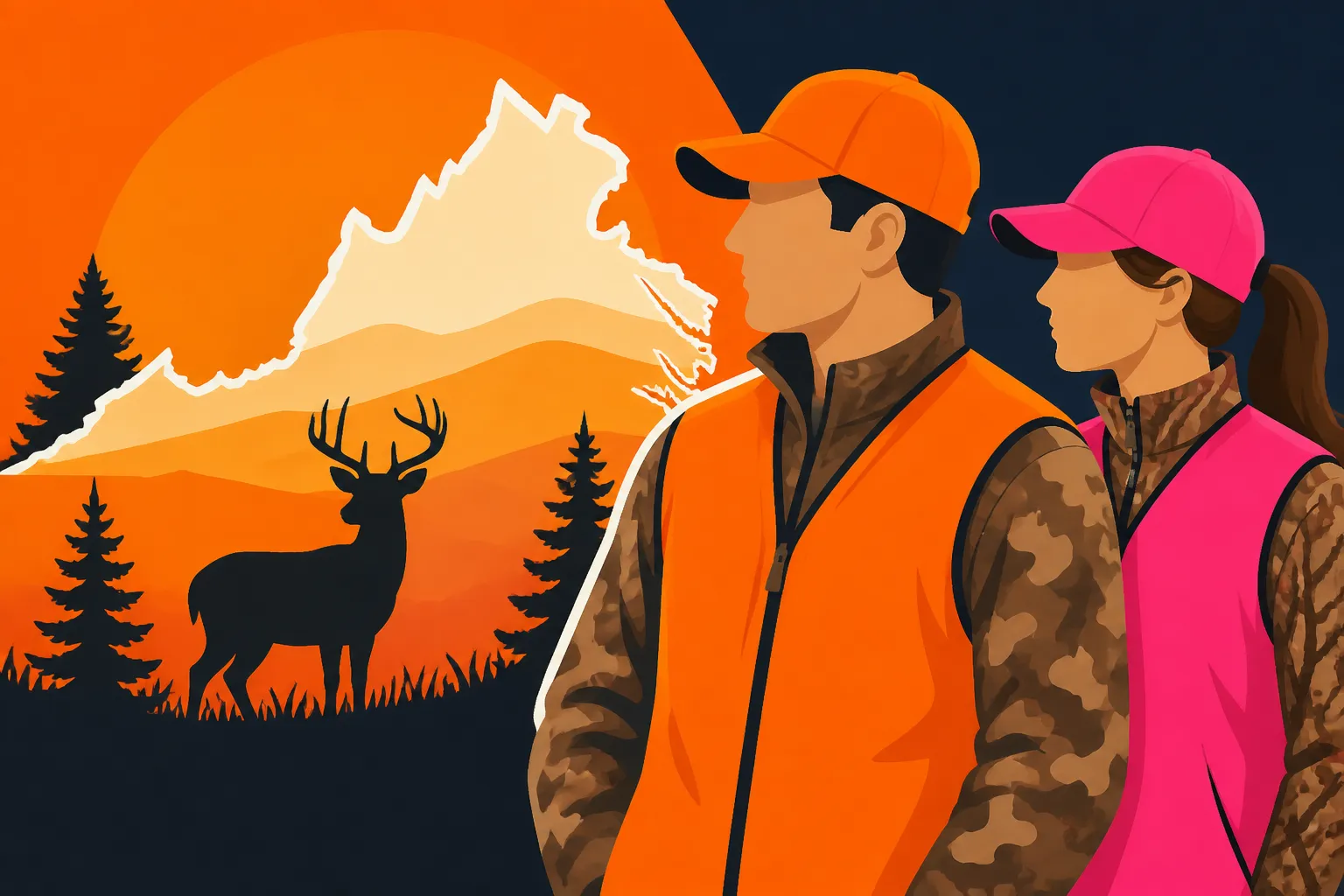
Virginia officially joined a growing number of states recognizing blaze pink as an acceptable alternative to blaze orange. This change came about from a recognition that offering more choices could encourage participation, particularly among women and youth, while maintaining the same high safety standards. The DWR specifies that blaze pink must meet the same visibility and square inch requirements as blaze orange. So, if the rule is 100 square inches visible from 360 degrees, it applies equally to pink.
This isn't about one color being "better" than the other for safety; it's about offering an alternative that some hunters might prefer. Scientifically, studies suggest that blaze pink is equally, if not more, visible than blaze orange to the human eye, especially in certain lighting conditions. To deer, it looks just as dull and gray as orange does. So, rest assured, choosing pink doesn't compromise your safety. It simply gives you another option for complying with the law and expressing your personal preference in the field.
Practical Benefits and Considerations of Blaze Pink
One of the most obvious benefits of blaze pink is simply personal preference. Some hunters genuinely prefer the color, and having that option can make the gear feel more personalized and appealing. It might sound minor, but feeling good about your gear can subtly boost your confidence and enjoyment in the field. Beyond aesthetics, blaze pink offers the exact same life-saving visibility as blaze orange, cutting through foliage and low light conditions to clearly identify you as a human.
When considering blaze pink, the practical aspects are largely the same as for orange. Look for durable materials, good fit for layering, and effective coverage. The main consideration might be availability; while blaze orange gear is ubiquitous, blaze pink, though growing in popularity, might still have slightly fewer options from certain brands or in specific sizes. However, more and more manufacturers are embracing it, so your choices are expanding. If you're looking for Blaze Pink Options Under Virginia Law, you'll find that it's just as valid as orange, and often just as effective at keeping you safe.
Strategizing Your Blaze Wear for Safety and Success
It's tempting to think of blaze orange or pink as a simple checkbox item: put it on, and you're good. But there's a real strategy to wearing it effectively, especially when you're trying to stay hidden from game while remaining visible to humans. It's a delicate balance, particularly when pursuing wary Virginia whitetails.
Balancing Visibility with Concealment
This is the age-old paradox of hunter safety colors: you want to be seen by other hunters, but not by the deer. Thankfully, as mentioned, deer don't perceive these colors as brightly as we do. However, any unnatural movement, sound, or outline can spook them. So, the trick isn't just wearing the color, but how you integrate it. If you're Treestand Setups in George Washington National Forest, for example, ensure your vest or jacket is visible, but avoid flapping material or overly baggy clothing that creates distracting movement.
When still-hunting or stalking, you might opt for a vest that's easily put on or taken off, keeping it handy for when you need to move or cross open areas. Some hunters will wear a full blaze orange jacket while walking to and from their stand, then switch to a vest over their camouflage once settled. For ground blind hunters, attaching the required blaze material to the outside of the blind fulfills the safety requirement without exposing you. Remember, the goal is to break up your human outline from other hunters' perspectives, while minimizing anything that screams "danger" to wildlife.
Here's a quick comparison of popular blaze wear options:
| Gear Type | Pros | Cons | Best Use Case |
|---|---|---|---|
| Blaze Vest | Lightweight, affordable, easy to layer | Can ride up, less warmth/weather protection | Over existing camo, walking in/out, mild weather |
| Blaze Jacket | Integrated warmth/weather, full coverage | Can be bulky, less versatile for layering | Cold weather, wet conditions, all-day sits |
| Blaze Hat | Essential for head visibility, small | Not enough on its own for minimum square inches | Always wear, especially in dense cover or treestands |
| Ground Blind Panel | Meets blind requirement, keeps hunter hidden | Requires separate attachment, can blow in wind | Hunting from a permanent or pop-up ground blind |
Maintaining Your Blaze Gear for Longevity
Your blaze orange or pink gear is a safety tool, and like any tool, it needs proper care to function effectively. Faded, torn, or mud-caked gear loses its vibrant visibility and, consequently, its safety value. Always wash your blaze wear according to the manufacturer's instructions, typically in cold water with scent-free detergent, and air dry to prevent fading and damage to the material. Avoid harsh chemicals or excessive sun exposure, which can degrade the dyes and make the color dull.
Storing your gear properly is also important. Keep it clean and dry, away from direct sunlight, which can bleach the color over time. Before each season, inspect your blaze orange or pink for rips, tears, or excessive fading. If it looks dull, or if the material is compromised, it’s time for a replacement. A small investment in new blaze gear is a small price to pay for your safety and the safety of others in the woods. GoHunt can be a helpful place to check for new gear options and compare brands before the season.
Common Misconceptions and FAQs About Hunter Orange and Pink
The topic of hunter safety colors often sparks a lot of discussion, and with it, a fair share of myths and misunderstandings. Let's clear up some of the common questions and assumptions, especially as they relate to Virginia's unique hunting seasons.
Archery Season Myths and Facts
A common myth is that blaze orange or pink is never required during archery season. This isn't entirely true. While the statewide archery-only periods, such as Bowhunting Virginia's Statewide Archery Season, generally do not mandate blaze orange/pink, things change when other seasons overlap. For instance, once the general firearms season opens, even if you are archery hunting, you are generally required to wear the appropriate blaze color if you are on the ground.
Another misconception is that wearing blaze orange will scare away deer during archery season. Again, this isn't supported by science. Deer are dichromatic, meaning they see a limited color spectrum, primarily blues and yellows. To a deer, blaze orange or pink appears as a shade of gray or brown, blending into the background much like other natural colors. Their primary detection methods are scent, sound, and movement. So, don't let the fear of spooking a deer deter you from wearing blaze orange or pink during archery if you feel it enhances your safety, especially when walking to or from your stand in areas where other hunters might be present. In fact, many experienced archers choose to wear a blaze orange hat or vest during their walk in and out, removing it only when they settle into their stand.
When Less is More, and When More is Mandatory
Understanding "less is more" means knowing when minimal compliance is sufficient, and when you should absolutely exceed the minimum. During seasons where blaze orange isn't mandated, like the early archery season or during spring turkey hunting, "less is more" might mean just wearing a hat for walking in, or simply not wearing any for concealment if you're on private land with no other hunters around. However, even during these periods, it's wise to consider increased visibility if you're on public land or in high-traffic areas. When you're Spring Turkey Hunting in Virginia, for example, while turkey hunters traditionally focus on full camo, many will still wear a blaze orange cap for the walk to their set-up, removing it once they're stationary.
Conversely, "more is mandatory" situations are those where the regulations are strict, and for good reason. During the general firearms deer season, especially when you're deer drives with three or four hunters, the minimum 100 square inches visible from 360 degrees is non-negotiable. In particularly dense cover, or on days with poor visibility (fog, rain, heavy overcast), adding extra blaze patches to your backpack or even wearing a full blaze orange jacket in addition to a hat can provide an invaluable layer of safety. The safety implications far outweigh any minor inconvenience. Always check the DWR website or your GoHunt app for the precise Virginia Blaze Orange Requirements specific to your chosen season and location. It's truly a matter of life and death, so never compromise on this vital safety measure.
Disclaimer
This article is for general informational purposes only and does not constitute professional advice. Laws, prices and regulations vary by location and change over time. Consult a qualified professional for guidance on your specific situation.