Finding Access Near Virginia Beach
Living in or near Virginia Beach, you know the frustration well: you’re surrounded by the hustle and bustle, beautiful coastline, and endless development, and finding a decent, accessible patch of woods, field, or marsh to hunt can feel like an impossible task. The concrete jungle might seem to stretch forever, but don't despair! While it certainly requires more effort and strategic thinking than dropping a pin on a vast national forest map, there are absolutely opportunities to pursue your passion for hunting in the Tidewater region. This guide is here to unravel the complexities and point you toward those often-overlooked spots, helping you navigate the unique challenges of hunting near Virginia Beach.
Understanding the Landscape Around Virginia Beach
The immediate vicinity of Virginia Beach is a unique blend of urban, suburban, and coastal environments. It's not the sprawling mountain wilderness many hunters in Virginia are accustomed to, and that often leads to the misconception that hunting is simply not an option. However, once you understand the distinct characteristics of this landscape, you'll start to see where the opportunities lie. It's about shifting your mindset from expansive forests to fragmented woodlots, dense marshlands, and overlooked agricultural corners.
The Tidewater Region's Unique Habitat Mix
The Tidewater region, with Virginia Beach at its heart, is defined by its proximity to the Chesapeake Bay and the Atlantic Ocean. This means a significant portion of the habitat is coastal plain, characterized by flat terrain, tidal marshes, cypress swamps, pine forests, and scattered agricultural fields. This isn't your typical big-woods deer hunting, nor is it the open farm country of the Shenandoah Valley. Instead, you're looking at a patchwork of smaller, often isolated natural areas nestled amongst development. Think about the intricate creek systems, the extensive marsh grasses, and the pockets of dense cover that can hold surprising amounts of game.
These habitats naturally favor certain species. Waterfowl, for instance, are abundant, drawn to the rich estuaries and agricultural fields. Smaller game like rabbits and squirrels thrive in the brushy fencerows and woodlots. Even deer, especially in certain areas, have adapted to living in closer proximity to humans, utilizing dense cover and moving primarily at night. Understanding this habitat mosaic is the first step to identifying where your efforts will be best spent. It might mean swapping your elk bugle for a duck call, or focusing on short, intense sits rather than all-day watches.
Population Density and Hunter Pressure
There's no getting around it: Virginia Beach is a densely populated area. This factor profoundly impacts hunting opportunities. More people generally mean less available land, more restrictions, and often, increased competition for the land that is accessible. Public lands, especially those within a reasonable drive, can experience significant hunter pressure, particularly on opening days or during peak seasons. This is a reality we all face, and it requires a different approach. You can't just roll up to a well-known spot and expect to have it to yourself.
The high population also brings with it the challenge of public perception. Hunting in areas closer to residential zones means being acutely aware of noise, safety zones, and maintaining a positive image for our sport. This isn't a deterrent, but rather a call to be an even more responsible and ethical hunter. It means carefully planning your stands, understanding local ordinances, and often, getting permission for specific properties where you might not have expected to hunt. It requires patience, good manners, and a willingness to explore less obvious avenues.
Agricultural Lands and Their Appeal
Despite the urban sprawl, pockets of active agricultural land still dot the landscape around Virginia Beach. These fields, whether growing corn, soybeans, or other crops, are absolute magnets for game. Deer, turkeys, and especially waterfowl will key in on these food sources, particularly as seasons progress and natural forage dwindles. Finding access to these private agricultural properties is often the golden ticket for hunting in this region, though it’s also one of the hardest nuts to crack.
Farmers often deal with wildlife damage to their crops, and sometimes, a respectful hunter offering to help manage populations can be a welcome sight. These areas often provide excellent opportunities for both morning and evening hunts, with game moving between bedding cover in nearby woodlots or swamps and the abundant food in the fields. Identifying these agricultural hubs on a map, then researching land ownership, is a crucial step for anyone serious about hunting in the Tidewater. The key is to approach landowners with respect and a clear plan, understanding their needs as well as your own. Entry Routes Through Standing Soybeans can offer valuable insights here.
Public Land Opportunities in the Tidewater Region
While vast tracts of public land might be scarce right on the doorstep of Virginia Beach, several excellent opportunities lie within a reasonable driving distance. These public areas, managed by the Virginia Department of Wildlife Resources (DWR) and other agencies, offer diverse hunting experiences, from waterfowl blinds to deer stands. It's not always easy, and often requires planning, but it's absolutely worth the effort.
Wildlife Management Areas A Short Drive Away
Virginia boasts an impressive network of Wildlife Management Areas (WMAs), and several are within reach of Virginia Beach, though you'll need to prepare for a drive. These properties are specifically managed for wildlife and public recreation, including hunting. Examples like the Pocahontas WMA, Cavalier WMA, and even some of the more distant ones like Hog Island WMA (known primarily for waterfowl) offer distinct possibilities.
Each WMA has its own unique character, habitat, and regulations. Some might be more heavily timbered, offering good deer and turkey habitat, while others are dominated by wetlands, providing superb waterfowl opportunities. It’s critical to study the specific maps and regulations for each WMA you’re considering. Many WMAs require a special access permit in addition to your regular Virginia Resident Hunting License Options or non-resident license. These permits are typically inexpensive and help fund the management of these vital lands. Be prepared for company, especially during peak seasons. Scouting beforehand, using tools like the DWR website and topographical maps, is paramount to finding less pressured spots. You can also explore Virginia Wildlife Management Areas for more general information.
National Wildlife Refuges and Quota Hunts
The Tidewater area is also home to several National Wildlife Refuges (NWRs), which can offer fantastic, albeit often limited, hunting opportunities. Places like the Great Dismal Swamp National Wildlife Refuge or Mackay Island National Wildlife Refuge are prime examples. However, hunting on NWRs is almost exclusively managed through quota hunts or special permits. This means you typically apply for a limited number of spots, often through a lottery system, and if drawn, you gain access for a specific period or species.
These hunts can be incredibly rewarding, as refuges are managed to provide optimal habitat, often leading to higher quality and quantity of game. The challenge, of course, is getting drawn. Persistence is key, and it’s advisable to apply for multiple opportunities if available. Regulations on NWRs are typically very strict, covering everything from allowed weapons to designated hunting zones and even entry/exit times. Always review the refuge-specific rules well in advance of applying or hunting. Don't overlook Great Dismal Swamp Bear Hunting Access if you're looking for unique challenges.
State Forests and Their Limited Access
Virginia also has a system of State Forests, which can sometimes provide hunting access. While perhaps not as numerous or large directly adjacent to Virginia Beach as WMAs or NWRs, places like Dragon Run State Forest or Chippokes State Park (which sometimes offers special quota hunts) could be options. State Forests are primarily managed for timber production, so the hunting experience might differ from a WMA. You might find a mix of mature timber, recent clear-cuts, and regenerating areas, all of which influence game movement.
Access on State Forests can vary, with some being open to hunting during statewide seasons and others requiring specific permits or participation in managed hunts. It’s less common to find vast, untouched wilderness, but the varied forest management practices can create diverse habitats that attract deer, turkeys, and small game. Again, diligent research into the specific regulations for each State Forest is essential, as rules can change. Many also fall under general state hunting laws, meaning your Virginia General Firearms Season Dates or Virginia Statewide Archery Season Dates would apply.
Navigating Private Land Access Near Virginia Beach
For many hunters near Virginia Beach, private land permission is the holy grail. With public land often pressured or distant, gaining access to private property can unlock incredible opportunities. It's a skill, an art form really, that relies on good communication, respect, and building trust. This isn't a quick fix, but for those willing to put in the effort, it can pay huge dividends.
The Art of Knocking on Doors in Southeastern Virginia
Approaching landowners in southeastern Virginia requires a specific mindset. You’re not just asking for a place to hunt; you’re asking for permission to be on someone’s private property, often their home or livelihood. Start by scouting potential areas using mapping tools like onX Hunt or GoHunt to identify parcels with good habitat that aren't posted. Look for woodlots adjacent to agricultural fields, creek bottoms, or dense cover. Once you’ve identified a potential spot, find the landowner’s information.
When you make contact, present yourself professionally and respectfully. Choose a time when they’re likely to be home but not busy, avoiding meal times or late evenings. Introduce yourself, state your purpose clearly, and emphasize your commitment to safety, ethics, and respecting their property. Offer to help with wildlife management, especially if they’re experiencing crop damage from deer or hogs. A table illustrating a respectful approach can be helpful:
| Do | Don't |
|---|---|
| Dress neatly, presentable | Show up in full camo, with a weapon |
| Introduce yourself and your intentions | Be vague about what you want to hunt |
| Offer to help with deer/hog management | Demand access or act entitled |
| Ask about their property boundaries | Assume you know where the lines are |
| Leave your number, offer references | Harass them if they say no |
| Offer to share game or help out | Ask for prime spots only |
Remember, a "no" today isn't necessarily a "no" forever. Be polite, thank them for their time, and move on. Sometimes, a friendly chat can open the door later, or they might know someone else who would say yes. This process is fully detailed in our guide on Getting Private Land Permission in Virginia.
Hunting Leases and Clubs in the Region
Another avenue for private land access around Virginia Beach is through hunting leases or clubs. This is a common practice in many parts of Virginia, where landowners lease hunting rights for a fee. While it’s an investment, it guarantees exclusive access to a defined parcel of land for a season or longer, significantly reducing pressure and increasing your chances of success.
Hunting clubs are often groups of individuals who collectively lease a larger tract of land, sharing the costs and responsibilities. This can be a great way to gain consistent access and build camaraderie with fellow hunters. The key is to find a club that aligns with your hunting style and values. Be prepared for dues, workdays, and shared rules. For both leases and clubs, thoroughly review the agreements, understand the boundaries, and ensure all members are on the same page regarding safety and ethics. Lease prices can vary widely based on acreage, game populations, and location, so do your homework.
Leveraging Relationships and Local Knowledge
Sometimes, the best access comes not from direct cold calls, but through existing relationships and local networks. Talk to people in rural communities near Virginia Beach – feed store owners, farmers market vendors, local diners. Let them know you’re a respectful hunter looking for opportunities. Word of mouth can be incredibly powerful, and a trusted local endorsement can open doors that direct approaches might not.
Consider joining local conservation organizations, hunting advocacy groups, or even local churches. These communities often have deep roots, and once you establish yourself as a trustworthy individual, opportunities can arise. A simple conversation at a local coffee shop might lead to an introduction to a landowner who’s looking for help managing a deer population. It takes time to build these connections, but the rewards—consistent, low-pressure hunting—are often well worth the investment. Always be ready to offer a helping hand, whether it's stacking firewood or helping with a chore; good karma goes a long way.
Specialized Hunting Opportunities
Given the unique geographical and demographic characteristics of the Virginia Beach area, certain types of hunting truly shine. While you might not find vast big game wilderness, the region excels in specific niches, offering rewarding experiences for those willing to specialize.
Waterfowl Hunting the Back Bays and Marshes
Without a doubt, waterfowl hunting is a premier pursuit in the Virginia Beach area. The Chesapeake Bay, its numerous tributaries, and the extensive coastal marshes and back bays serve as critical wintering grounds and migration corridors for a vast array of ducks and geese. From robust Canada geese to swift divers like bluebills and canvasbacks, the opportunities can be fantastic. Waterfowl Hunting the Chesapeake Bay is a big draw.
Access can be had through public blinds on WMAs, guided hunts, or by securing permission on private marshlands. Many public blinds on WMAs operate on a first-come, first-served basis or via a lottery system, so plan accordingly. Investing in good decoys, a reliable shotgun (with the right choke and Waterfowl Loads for Chesapeake Bay Divers), and warm, waterproof gear like Waders for Bay Marsh Hunting is essential. Understanding tide charts, wind direction, and bird behavior will be key to success. Scouting these areas means looking for flight paths, feeding areas, and roosting spots, often from a distance with good optics.
Small Game and Upland Birds in Farm Edges
While deer hunting often dominates conversations, don't overlook the excellent small game opportunities near Virginia Beach, particularly in the fragmented farm country just beyond the immediate urban fringe. Rabbits, squirrels, and even a few pockets of quail or grouse (though the latter are rare this far east) can offer exciting hunts, often requiring less extensive planning than big game.
Look for brushy fencerows, overgrown field edges, cutovers, and small woodlots surrounded by fields. These areas provide the perfect blend of cover and food for rabbits and squirrels. A good beagle can be invaluable for pushing cottontails out of thickets, while still-hunting or sitting quietly in an oak grove can yield squirrels. These hunts are often less regulated by specific quotas or draw systems, adhering more to general Virginia Squirrel and Rabbit Season Rules. This is also where you might gain easier private land access, as some landowners are less hesitant to grant permission for small game than for deer.
Urban Archery Zones for Deer
One of the most unique and increasingly popular hunting opportunities directly within and around Virginia Beach is the Virginia Urban Archery Season. This special season allows archery hunters to pursue antlerless deer (and often antlered bucks with specific tag requirements) within designated urban and suburban zones, typically outside the regular statewide archery season dates. The purpose is primarily deer population management in areas where traditional firearms hunting is impractical or prohibited due to safety concerns.
Hunting within an Hunting a Virginia Urban Archery Zone requires incredibly diligent scouting and often very precise, low-impact tactics. Stand placement needs to be exceptionally well-thought-out to ensure a safe shot and an ethical recovery, with backstops and safety zones being paramount. Scent Control Gear for Urban Archery Hunts becomes even more critical due to the close proximity to residential areas. Securing permission from landowners in these zones is often easier than in rural farm country, as many residents are eager to have deer numbers reduced due to garden damage or vehicle collisions. Always check the specific DWR regulations for the exact boundaries and rules of the Virginia Beach Urban Archery Zone, as they can vary annually.
Tools and Resources for Locating Hunting Land
Finding huntable land around Virginia Beach can feel like detective work, but thankfully, modern tools and good old-fashioned local intelligence can significantly streamline the process. Don't go into this blind; leverage every resource at your disposal.
Digital Mapping and Land Ownership Apps
In today's hunting world, digital mapping applications are indispensable, especially when searching for fragmented parcels of land near populated areas. Platforms like onX Hunt and GoHunt are game-changers. These apps allow you to:
- View property lines and landowner information: This is crucial for identifying who owns a particular parcel and how to contact them. You can literally see where one property ends and another begins, avoiding accidental trespass.
- Overlay public land boundaries: Instantly see where WMAs, National Forests, or other public lands are located, even the smaller, less obvious tracts.
- Scout from your couch: Analyze topography, vegetation types, access roads, and potential pinch points from the comfort of your home. This saves countless hours of aimless wandering.
- Mark waypoints and tracks: Record potential stand sites, game sign, access points, and even recovery routes.
- Use offline maps: Essential for areas with no cell service, which can still happen even near urban centers in certain swampy or dense areas.
These tools are not just convenient; they are essential for safely and effectively navigating the complex land ownership patterns around Virginia Beach. Regularly checking for updates on these apps ensures you have the most current information.
DWR Resources and Local Intelligence
The Virginia Department of Wildlife Resources (DWR) is your primary official resource for hunting information. Their website is a treasure trove of maps, regulations, season dates, and public land information. Their online mapping tool, accessible through the "Go Outdoors Virginia" portal, can help you visualize WMAs and other public hunting opportunities.
Beyond official channels, local intelligence is gold. Visit bait and tackle shops, feed stores, and even local diners in the rural areas surrounding Virginia Beach. Strike up conversations with locals. They often know who owns what land, who allows hunting, and where the game tends to be. Just remember to be respectful and don't expect them to give up their secret spots. However, they might offer general advice or point you in the right direction. Attending local DWR public meetings or hunter education courses can also put you in touch with knowledgeable individuals. Utilizing Scouting With the Virginia DWR App can be very beneficial.
Joining Local Conservation Groups
Becoming a member of local or statewide conservation organizations, such as the National Wild Turkey Federation (NWTF), Ducks Unlimited (DU), or the Quality Deer Management Association (QDMA), can open unexpected doors. These groups often own or manage properties, host habitat workdays, and have strong networks of members who share common interests. Participating in workdays might lead to hunting opportunities on the managed lands, or you might meet fellow hunters willing to share information or even invite you on a hunt.
These groups are dedicated to habitat preservation and promoting ethical hunting, making them excellent resources for finding camaraderie and potential access. They also advocate for hunters' rights and help shape wildlife management policies in Virginia. Active participation demonstrates your commitment to the sport and the landscape, building the kind of trust that can lead to private land access or connections to exclusive hunting clubs.
Hunting Safely and Ethically in Populated Areas
Hunting near Virginia Beach, or any developed area, brings a heightened responsibility to hunt safely and ethically. Our actions reflect on the entire hunting community, and adhering to strict safety protocols and exhibiting exemplary behavior is not just a good idea – it's crucial for maintaining public support and ensuring continued access.
Understanding Setback Rules and Safety Zones
Virginia, like most states, has specific setback regulations regarding discharging a firearm or archery equipment near occupied dwellings, public roads, or other structures. These rules are designed to ensure public safety and must be rigorously followed. For instance, there are often minimum distances you must be from a dwelling, school, or church to legally discharge a weapon. When hunting with a firearm, these distances are typically larger than for archery equipment.
Before hunting any specific piece of property, especially private land, you must thoroughly understand these setback rules and identify all potential safety zones. Use your mapping apps to measure distances from property lines to homes, roads, and trails. Always have a clear understanding of your target and what lies beyond it. In urban archery zones, this means knowing your property boundaries, having a safe backstop for your arrow, and ensuring your shot will not travel beyond the property you have permission to hunt. Virginia Firearms Discharge Setback Rules is a critical reference here.
Respecting Landowners and Non-Hunters
Hunting in areas with higher population density means you're more likely to encounter non-hunters, both on adjacent properties and possibly even on public land you're accessing. Respect is paramount. This includes:
- Property Boundaries: Absolutely avoid trespassing. Even if game crosses a property line, do not pursue it without explicit permission from the adjacent landowner. Virginia Trespass and Permission Law is clear on this. Always know your boundaries.
- Noise and Disturbances: Be mindful of noise, especially during early morning or late evening hours. Avoid excessive vehicle noise, loud conversations, or anything that could disturb nearby residents.
- Appearance: When accessing properties, particularly private ones, consider your appearance. While full camo is appropriate in the woods, arriving at a farmer's door or parking near a residential area in full "assault mode" can be intimidating to non-hunters. A more subdued appearance for entry and exit can often be helpful.
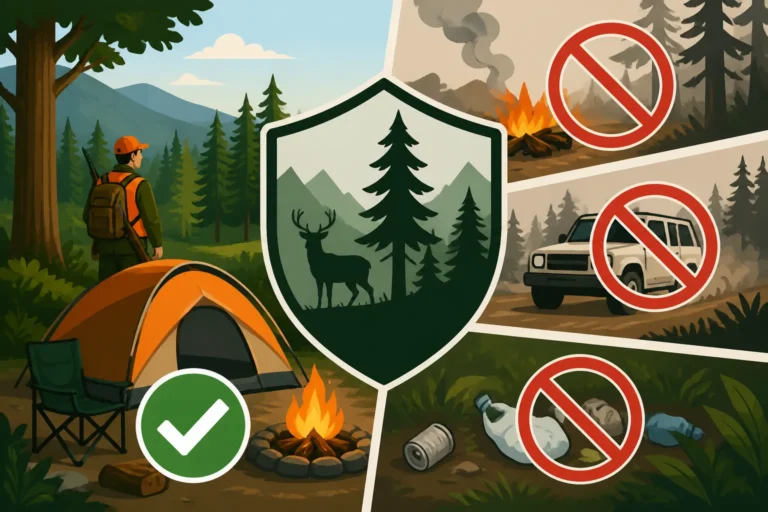
- Garbage: Pack out everything you pack in. Leave no trace. This applies universally but is even more critical when trying to maintain positive relationships with landowners or the public.
By being a good neighbor and ambassador for hunting, you help secure future opportunities for yourself and others.
Low-Impact Hunting Methods
In the context of hunting near Virginia Beach, low-impact hunting methods often become essential. This means minimizing your footprint, being as discreet as possible, and focusing on techniques that don't draw undue attention or cause disturbance.
For archery hunting, especially in urban zones, treestands or ground blinds that offer a contained shot and a safe backdrop are ideal. Still-hunting or spot-and-stalk can be effective in dense cover, but always with extreme caution regarding safety zones. For waterfowl, carefully setting decoys and using a well-brushed blind helps you blend into the environment without being an eyesore or disturbance to boaters or other recreational users. Avoiding large, noisy deer drives and focusing on solo or small-group tactics can also reduce your impact. Ultimately, the goal is to conduct your hunt in a manner that is respectful to wildlife, the land, and the people around you, ensuring everyone can enjoy the beautiful Virginia landscape.
Disclaimer
This article is for general informational purposes only and does not constitute professional advice. Laws, prices and regulations vary by location and change over time. Consult a qualified professional for guidance on your specific situation.