Handgun Hunting Rules in Virginia
It can feel like navigating a legal labyrinth when you're trying to figure out the ins and outs of using a handgun for hunting in Virginia. Many of us are passionate about the versatility and challenge handguns offer, but the regulations can seem murky, leaving you wondering if your chosen sidearm is even allowed for deer, bear, or small game. This guide will clarify Virginia's handgun hunting rules, helping you understand the legalities, necessary permits, and best practices so you can pursue your passion confidently and within the law.
Deciphering Virginia's General Handgun Hunting Regulations
Virginia's hunting regulations are designed to ensure safety, promote fair chase, and manage wildlife populations effectively. When it comes to handguns, these regulations cover everything from minimum caliber requirements to magazine capacity, ensuring that hunters are using appropriate firearms for the game they pursue. It's not just about what you can use, but also how you can use it. The Virginia Department of Wildlife Resources (DWR) sets these guidelines, and they are crucial to understand before you ever step foot in the woods with a handgun.
Minimum Caliber and Ammunition Requirements
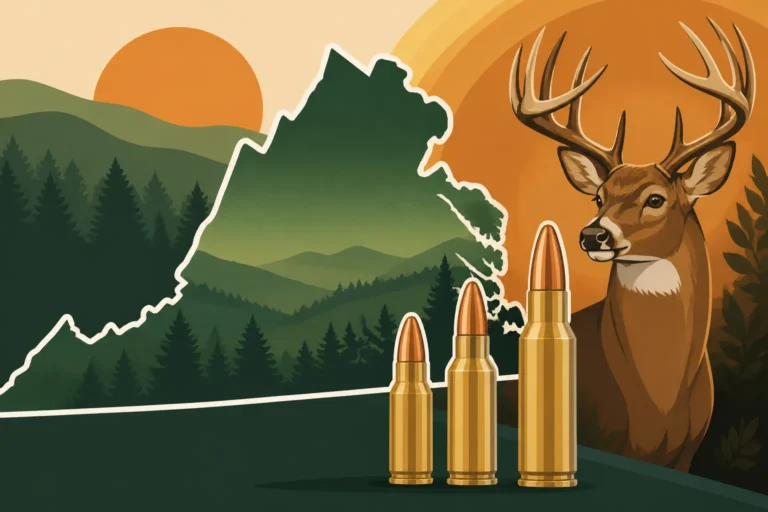
One of the most common questions revolves around caliber restrictions. Virginia has specific minimums, particularly for big game. You can't just head into the woods with any pistol and expect it to be legal for deer or bear. The intent behind these rules is to ensure a humane kill, minimizing suffering for the animal. Generally, for deer and bear, you'll need a centerfire handgun that meets a certain energy threshold or caliber size. Rimfire handguns, while excellent for small game, typically do not meet the criteria for larger species.
When considering ammunition, it's also important to note that certain types might be restricted. For instance, some state lands might have restrictions on lead ammunition, or there might be general rules against using full metal jacket (FMJ) rounds for big game, favoring soft point or hollow point expanding bullets that are designed for quick, humane dispatch. Always double-check the current DWR regulations for any specific ammunition restrictions that might apply to your target species or hunting location. This isn't a "one size fits all" situation, and being informed is your first line of defense against an accidental violation.
Magazine Capacity and General Restrictions
Another area that often causes confusion is magazine capacity. Unlike some states with very strict limits on magazine size for hunting, Virginia's rules for handguns are generally more permissive for hunting, often mirroring the general legal limits for firearms. However, it’s always prudent to review the latest DWR hunting digest, as regulations can be updated. While a large capacity magazine might be legal to possess, the ethical consideration of fair chase and the practicalities of hunting often mean that hunters aren't carrying high-capacity magazines for handgun hunting. The focus is usually on precision and shot placement, rather than volume of fire.
Beyond caliber and capacity, there are general restrictions on the use of handguns that mirror those for other firearms. This includes prohibitions on hunting from a vehicle, across property lines without permission, or within certain distances of occupied dwellings. Carrying your handgun in a safe and secure manner, whether openly or concealed (if you have the appropriate permit), is also paramount. Understanding Virginia Legal Firearms for Deer Hunting will give you a broader context for all firearm types.
Handgun Eligibility for Virginia's Game Species
Virginia offers a diverse range of hunting opportunities, and handguns can be a legal and effective tool for many species, provided you adhere to the specific rules for each. From the challenge of pursuing a whitetail with a magnum revolver to targeting small game with a .22, the versatility is there if you know the limits.
Handguns for Big Game: Deer and Bear
Hunting deer with a handgun is a rewarding challenge that many Virginia hunters embrace. For whitetails, a common choice is a powerful centerfire revolver or pistol, typically in calibers like .357 Magnum, .44 Magnum, .45 Colt, or larger. The key is meeting the DWR's minimum energy and bullet diameter requirements, which are in place to ensure a clean kill. It's not enough to simply hit the animal; the projectile must deliver sufficient energy to achieve humane dispatch. Always ensure your chosen caliber and ammunition type meet these criteria before heading into the field. Many hunters find that practice at various distances is crucial, as accurate shot placement is even more critical with handguns compared to rifles. For more detail on season structures, check out Virginia Deer Season Structure Explained.
Black bear hunting with a handgun is also permitted under specific conditions and usually requires even more potent calibers than deer, such as .44 Magnum, .454 Casull, or larger, again ensuring compliance with DWR regulations regarding minimum energy. Bears are tough animals, and a powerful, well-placed shot is absolutely essential. Many bear hunters who use handguns will opt for heavier, hard-cast bullets designed for deep penetration. Before you plan a handgun bear hunt, make sure to thoroughly review Virginia Bear Season Rules for any specific handgun-related nuances that might apply to bear season. The challenge is immense, but so is the satisfaction of ethically harvesting big game with a handgun.
Handguns for Small Game and Predatory Species
Moving down the size scale, handguns, particularly rimfire varieties like .22 LR, are incredibly effective and enjoyable for small game hunting in Virginia. Species like squirrels and rabbits offer fantastic opportunities for handgun hunters. The low recoil and affordability of .22LR ammunition make it an ideal choice for honing your shooting skills and putting meat on the table. While no specific minimum caliber for small game exists, ethical hunting dictates using a round that can humanely dispatch the animal. A .22 LR is generally considered more than adequate for most small game species found in Virginia. You can find more information about these seasons in Virginia Small Game Season Rules.
For predatory species such as coyotes and foxes, handguns can also be used. These hunts often involve calling, and a handgun can provide a quick, maneuverable option for close-range encounters. Calibers typically range from potent rimfires like .22 Magnum to centerfire cartridges such as 9mm, .40 S&W, .45 ACP, or even rifle cartridges adapted for handgun use. Again, ensuring humane dispatch is key, and selecting a caliber appropriate for the size and resilience of the predator is important. There are often year-round seasons for coyotes on private land, offering ample opportunity for handgun enthusiasts.
Practical Considerations for Handgun Hunters in Virginia
Beyond the bare-bones legalities, there are many practical aspects that handgun hunters in Virginia need to consider for a safe, successful, and enjoyable experience. From proper licensing to scouting and equipment choices, these details make all the difference.
Licensing, Hunter Education, and Permits
Just like with any other firearm, you need the proper licenses to hunt with a handgun in Virginia. This includes a valid Virginia hunting license, and if you're pursuing big game, a big game license add-on. For those new to hunting, or those born after a certain date, completing a state-approved hunter education course is a mandatory requirement. This course covers firearm safety, wildlife identification, ethics, and regulations, providing a solid foundation for any hunter. The DWR website and resources like GoHunt can help you easily find hunter education classes near you. Understanding Virginia Hunter Education Requirements is your first step.
While a general hunting license covers handgun use for legal species, there aren't typically separate permits specifically for handgun hunting. However, specific wildlife management areas (WMAs) or federal lands might have their own access permits or restrictions, so always check local regulations for your intended hunting spot. The Go Outdoors Virginia website is an excellent resource for purchasing licenses and checking specific WMA rules. For residents, you'll want to review Virginia Resident Hunting License Options to ensure you have all the necessary credentials.
Scouting and Shot Placement with a Handgun
Effective scouting is paramount for any hunter, but it takes on an even greater importance for handgun hunters. Handguns generally have a shorter effective range than rifles, meaning you need to get closer to your quarry. This requires a deeper understanding of animal behavior, terrain, and prevailing wind conditions. Scouting for fresh sign, travel corridors, and bedding areas becomes critical. Using tools like the GoHunt app for aerial imagery and property boundaries can give you a significant advantage in planning your approach and understanding the landscape before you ever step foot on it. Scouting Virginia Public Land Before Season delves into general scouting tips that are highly applicable to handgun hunting.
When it comes to the shot itself, handgun hunting demands precision. Practicing at the range to become proficient with your chosen handgun and ammunition is non-negotiable. Ethical hunting means taking high-percentage shots, aiming for the vital zone to ensure a swift, humane kill. This often means passing on marginal shots you might otherwise take with a rifle at longer distances. Knowing your limitations and the capabilities of your handgun is a sign of a responsible hunter.
Choosing the Right Handgun and Gear
Selecting the right handgun involves balancing power, accuracy, and handling. For big game, a heavy-framed revolver like a Ruger Super Blackhawk or a Smith & Wesson Performance Center model in .44 Magnum or similar is a popular choice, known for its reliability and knock-down power. Semi-automatic pistols, while less common for big game due to caliber limitations in some models, are also used, especially if chambered in potent cartridges like 10mm or specific hunting-oriented wildcats. For small game, a simple .22 LR revolver or semi-auto pistol will get the job done efficiently and economically.
Beyond the handgun itself, consider your holster choice. A sturdy, comfortable holster that keeps your firearm secure but readily accessible is crucial, especially when moving through dense cover. Proper ear and eye protection are also non-negotiable, particularly given the decibel levels of powerful magnum handguns.
Here's a quick comparison of common handgun calibers for various Virginia game:
| Game Type | Common Calibers (Examples) | Minimum Caliber Notes | Best Practice Range (Yards) |
|---|---|---|---|
| Deer | .357 Magnum, .44 Magnum, .45 Colt, 10mm | Centerfire, typically .35 caliber or larger, and sufficient energy | 25-75 |
| Black Bear | .44 Magnum, .454 Casull, .480 Ruger, .50 AE | More powerful than deer calibers, significant energy needed | 25-50 |
| Coyote/Fox | .22 Magnum, 9mm, .40 S&W, 10mm, .223 (pistol) | Centerfire recommended for consistent humane dispatch | 15-100 |
| Squirrel/Rabbit | .22 LR, .22 Magnum, .17 HMR | Rimfire is highly effective and common for these species | 10-50 |
Note: Always verify current Virginia DWR regulations for specific minimums and legal requirements, as these can change.
Staying Legal and Ethical While Handgun Hunting
The responsibility of a hunter extends far beyond simply pulling a trigger. It involves a commitment to ethical conduct, adherence to all laws, and a deep respect for the wildlife and the land. Handgun hunting, with its unique challenges, demands an even greater focus on these principles.
Reporting Your Harvest and Following Regulations
Once you've successfully harvested an animal with your handgun, the process isn't over. Virginia requires all big game harvests (deer and bear) to be reported to the DWR. This can typically be done online, through the Go Outdoors Virginia app, or by phone. This data is vital for wildlife management, helping biologists monitor populations and adjust seasons and bag limits as needed. Missing this step is a violation, so make sure you understand Virginia Deer Reporting Requirements and the specific deadlines.
Beyond reporting, always be aware of the exact season dates and bag limits for your target species and specific county. These can vary significantly across the state, and what's legal in one region might not be in another. The DWR publishes an annual hunting digest, which is your go-to resource for current regulations. Platforms like GoHunt can also often provide localized information, but the official DWR guide should always be your final reference.
Safety Protocols and Carrying Your Handgun
Safety is paramount in all hunting, and handgun hunting is no exception. Treat every handgun as if it's loaded, always keep the muzzle pointed in a safe direction, keep your finger off the trigger until you're ready to shoot, and be absolutely sure of your target and what's beyond it. These fundamental rules of firearm safety are even more critical when operating a handgun, which can be less stable than a rifle for some shooters.
If you are carrying your handgun for personal protection in addition to hunting, ensure you are familiar with Virginia's laws regarding concealed carry versus open carry. While a concealed carry permit allows you to carry a loaded, concealed handgun, general hunting regulations often dictate how firearms are transported to and from the field, and whether they need to be unloaded in a vehicle. Always err on the side of caution and safety. Taking a refresher on basic firearm safety, perhaps even through a local club or range, is never a bad idea. And always remember, hunting during the general firearms season, especially on public land, means you'll likely encounter other hunters. Understanding Why Virginia's Gun Opener Draws the Biggest Crowds highlights the importance of extra vigilance during peak times.
Ethical Considerations and Avoiding Violations
Handgun hunting provides a unique challenge, but it also means taking on extra responsibility. Only take shots within your proven effective range, and always prioritize a quick, clean kill. Wounding an animal and losing it is a heartbreaking and unethical outcome that every hunter strives to avoid. This means putting in the practice, knowing your limits, and making sound judgments in the field.
Ignorance of the law is never an excuse. Violating hunting regulations, even unintentionally, can lead to significant penalties, including fines, loss of hunting privileges, and even confiscation of firearms. Before you ever hit the woods, make sure you've done your homework. If you're ever unsure about a specific rule, contact the Virginia DWR directly. Understanding potential consequences, as outlined in Virginia Wildlife Violation Penalties, reinforces the importance of diligence. By following all regulations and embracing ethical hunting practices, handgun hunters contribute positively to the rich tradition of hunting in Virginia.
Disclaimer
This article is for general informational purposes only and does not constitute professional advice. Laws, prices and regulations vary by location and change over time. Consult a qualified professional for guidance on your specific situation.