Hunting the Rut West of the Blue Ridge
Oh, the rut out west of the Blue Ridge. If you've hunted Virginia's mountains and valleys during November, you know it's a completely different ballgame than the more open, agricultural landscapes to the east. Bucks aren't always parading across fields, and finding that intense, undeniable rut action can feel like searching for a needle in a haystack of endless timber and steep ridges. This guide is all about demystifying the whitetail rut in Western Virginia, offering seasoned insights and actionable strategies to help you connect with a cruising buck when it matters most.
The Nuances of the Western Virginia Rut
For many, the "rut" conjures images of frantic chasing and wide-open scrapes, but west of the Blue Ridge, the story unfolds with more subtlety and often, more difficulty. The terrain itself dictates much of the deer behavior, and understanding these unique dynamics is crucial for success.
Understanding Peak Rut Timing in the Mountains
While the Virginia Department of Wildlife Resources (DWR) generally points to mid-November as the statewide peak for deer breeding activity, the western mountains can sometimes feel like they're on their own schedule. What happens in the Shenandoah Valley might be slightly different from what's happening deep in the Jefferson National Forest. Often, the peak seems to be a bit more drawn out, or perhaps just less obvious due to the dense cover.
You might experience intense activity earlier in November in some high-elevation pockets, while the valleys see their most intense chasing a week or two later. It's less about a singular "switch" flipping and more about a gradual build-up and then a sustained period of activity. Bucks are always on the move, but during the real peak, those mature guys start covering ground with a purpose, looking for does. Keep an eye on the Hunting the Rut West of the Blue Ridge for more regional specifics, but generally, plan your hunts from the first week of November through Thanksgiving, with the middle two weeks being your prime window.
How Mountain Habitat Shapes Rutting Behavior
Unlike the East, where bucks might be seen chasing does across cut cornfields or along hedgerows, mountain deer are masters of stealth. Their movements are often confined to dense timber, thick laurel slicks, and steep hollows. This means you might not see the dramatic visual spectacle of the rut, but the signs are certainly there if you know where to look.
Rub lines become less about a single large tree and more about a series of smaller saplings thrashed along a travel corridor. Scrapes, while present, might be smaller and more spread out, often found along old logging roads or on the edges of benches where deer feel secure. Bucks will often cruise these thicker areas, scent-checking for does, rather than openly pursuing them. This "sneaking" behavior makes hunting a challenge, but also incredibly rewarding when you finally intercept a wise old mountain buck. The density of cover also means that sound travels differently, which impacts how you use calling strategies, as we'll discuss later.
Strategic Approaches for Hunting the Mountain Rut
Hunting the rut in Western Virginia requires a refined set of tactics. You can't just sit on a field edge and expect a show. It's about proactive scouting, understanding deer movement patterns in complex terrain, and being ready to adapt.
Identifying Key Funnels and Travel Corridors
This is the bread and butter of mountain rut hunting. Deer, especially bucks, are efficient travelers. They will always seek the path of least resistance or the path of most concealment. Your job is to find these natural highways.
- Saddles: These dips in a ridge line are notorious travel routes. Deer moving from one drainage to another, or from bedding on one side to feeding on the other, will often use these lower points. A saddle acts like a funnel, concentrating movement. Setting up a stand or ground blind here, especially on a downwind side, can be deadly. Learn more about Hunting a Ridge-Top Saddle for Rutting Bucks for specific tactics.
- Benches: These are flat or gently sloping areas on the side of a steep mountain. They're like natural terraces that deer use for travel or even bedding. Bucks will cruise benches, scent-checking the slopes above and below.
- Creek Bottoms and Drainages: These offer easy travel, especially if they have thick cover. Bucks will often move up and down these drainages, particularly if there are does feeding or bedding nearby.
- Old Logging Roads and Trails: While they might not be heavily used during daylight hours in high-pressure areas, they can still serve as connective tissue for deer moving through thick woods. Pay attention to rubs and scrapes along their edges.
- Thick Cover Edges: Think about clear-cuts (even old ones with dense regrowth), laurel slicks, or areas of downed timber. The edges of these thickets provide security and often conceal travel. Bucks will skirt these edges, scent-checking for does holding tight within the cover.
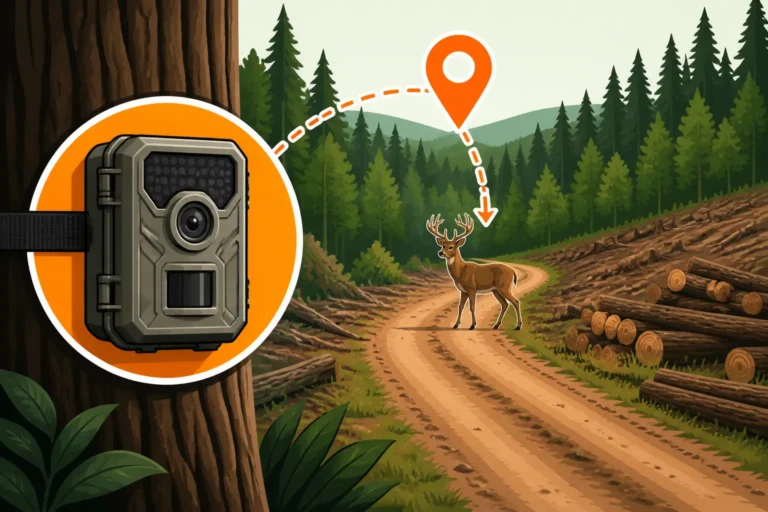
When you're Scouting Virginia Public Land Before Season, these are the features you should be looking for. Tools like onX Hunt or even the GoHunt platform's detailed topographic maps can be invaluable for identifying these pinch points before you ever step foot in the woods.
Aggressive Calling and Scent Strategies
Unlike the East, where you might get away with softer calling, the vastness and terrain of the western mountains often require a more aggressive approach. Sound gets absorbed by the trees and contours, so don't be afraid to put some volume behind your calls.
- Rattling: During the pre-rut and early peak, rattling antlers can draw in a curious buck looking for a fight. In thick mountain cover, you often need to be quite loud for the sound to carry. Start with softer clashing, but don't hesitate to escalate if nothing responds. Remember, sound carries differently in the mountains; it can bounce off slopes and get muffled by timber. Understanding Rattling Volume in Thick Mountain Cover is key.
- Grunting and Bleats: A series of tending grunts can mimic a buck pushing a receptive doe, while doe bleats can draw in a cruising buck searching for companionship. Combine these. Sometimes, a series of aggressive grunts, followed by a few soft doe bleats, can be just enough to peak a buck's interest. Again, don't be shy; let that sound carry. Grunt Calls in Mature Virginia Timber can be highly effective.
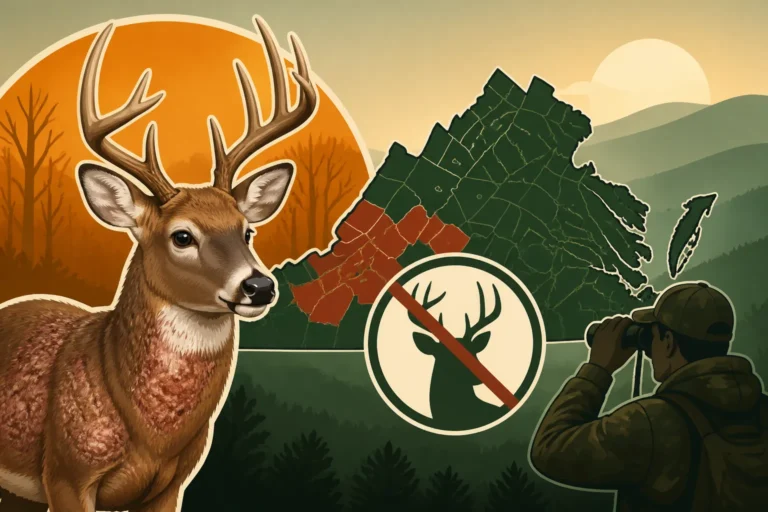
- Scent Lures: Estrous doe urine, tarsal gland lures, and dominant buck urine can be effective when used correctly. Create mock scrapes on travel routes, hang scent wicks in trees, or even apply scent to your boots as you walk in. The goal is to draw a buck's nose to your location. Just be mindful of local regulations regarding attractants, especially within Chronic Wasting Disease (CWD) Management Areas.
Remember, patience is a virtue, but during the rut, being assertive with your calling can sometimes make the difference between an empty stand and a shot opportunity.
Mastering Stand and Ground Blind Placement
Flexibility is crucial in the mountains. You might need to adjust your setup daily based on wind, thermals, and observed deer activity.
- Treestands: Ideal for gaining elevation and visibility on ridge lines, benches, and saddles. You need good shooting lanes, but also concealment. Pay attention to your entry and exit routes; spooking deer on the way in or out can ruin a spot for days. Secure your stand well, especially on steep terrain.
- Ground Blinds: Perfect for thick cover, tight funnels, or areas where large trees for a treestand are scarce. They offer excellent concealment and can be quickly set up. Brush them in well to break up their outline. A compact, lightweight ground blind can be a real asset, especially if you're frequently moving.
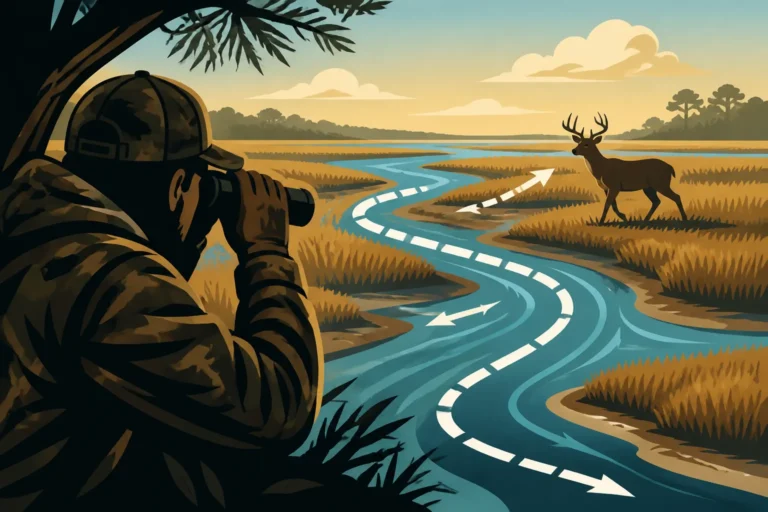
- Still-Hunting: In the dense timber of the Jefferson National Forest Ridges, still-hunting can be incredibly effective during the rut. Moving slowly, stopping frequently to glass and listen, allows you to cover ground and capitalize on encounters with cruising bucks. This requires extreme patience and a keen eye for deer sign and movement.
Regardless of your choice, always play the wind and thermals. This is non-negotiable in the mountains.
Navigating Western Terrain and Hunting Pressure
Hunting west of the Blue Ridge presents unique challenges that go beyond just reading deer sign. The sheer size of the public lands, combined with elevation changes and hunting pressure, means you need to be prepared for anything.
The Impact of Topography and Thermals
If you're hunting in the mountains, you must understand thermals. Ignoring them is a surefire way to educate every deer in the county to your presence.
- Morning Thermals: As the sun rises and warms the earth, air begins to rise up the mountain slopes. This means your scent will be carried uphill. If you're setting up on a ridge or a bench, you want to be below where you expect deer to approach, with your scent blowing up and away from their travel path.
- Evening Thermals: As the sun sets and the air cools, gravity takes over, and air sinks down the mountain. Your scent will be carried downhill. In the evening, you'll want to be above where you expect deer to travel, with your scent blowing down and away.
This constantly shifting wind pattern means that a stand location perfect for the morning might be terrible for the evening. Many mountain hunters will set up two stands – one for morning, one for evening – to capitalize on these thermal shifts. Alternatively, you might focus on hunting specific features where the wind is more consistent or less critical, like very steep hollows where deer tend to move more predictably or on the very tops of ridges. When Reading a Ridge for Blue Ridge Deer, always factor in thermals.
Hunting Public Land and Pressure Tactics
Virginia's western region boasts massive tracts of public land, including the George Washington and Jefferson National Forests. While this offers incredible opportunities, it also means dealing with other hunters.
- Walk Further, Hunt Harder: The easiest spots to access typically get the most pressure. Don't be afraid to put in the miles. Bucks, especially mature ones, will retreat to the steepest, nastiest, most remote parts of the mountain to escape human disturbance. Use mapping tools like GoHunt to identify areas far from roads or trails.
- Seek Out Overlooked Pockets: Sometimes, it's not about going miles deep, but finding a small, unappealing pocket of cover that other hunters walk past. Maybe it's a super-steep point or a dense, thorny thicket that looks too difficult to penetrate. These can be prime spots where deer feel secure.
- Hunt Mid-Week: If possible, save your vacation days for mid-week hunts. The woods are almost always quieter Monday through Thursday, increasing your chances of encountering less-pressured deer.
- Focus on Bedding Areas: During the rut, bucks will often check bedding areas for does. In pressured environments, these might be in very dense, steep cover. Approaching these areas cautiously from downwind during the middle of the day, when bucks are more likely to be cruising, can be effective. Knowing Where George Washington Forest Bucks Bed can give you a significant edge.
Adapting to Weather and Food Sources
The mountains can throw all sorts of weather at you in November, and this, combined with available food, significantly impacts deer movement.
- Cold Fronts: A strong cold front often ignites deer activity, especially during the rut. The sudden drop in temperature seems to energize bucks. Be in the woods right after a front moves through.
- Rain and Snow: Light rain can actually be good for hunting, as it quiets the woods and can get deer moving. Heavy rain or snow, however, might keep deer bedded down. If snow falls, deer movements become much easier to track, and certain food sources (like exposed browse or mast) become more critical.
- Mast Crops: Acorns are king in the mountains. If there's a good acorn crop, deer will be concentrated around oak ridges and bottoms. If it's a poor acorn year, they might spread out more, feeding on various browses, making them harder to pattern. Always scout for current food sources.
Understanding the Virginia Deer Season Structure Explained will help you plan your hunts around these various factors, ensuring you're in the right place at the right time.
Conclusion
Hunting the rut west of the Blue Ridge is a challenging but incredibly rewarding experience. It demands patience, persistence, and a deep understanding of how deer interact with the unique mountainous landscape. By focusing on key funnels, employing aggressive calling tactics, mastering your stand placement with thermals in mind, and adapting to pressure and weather, you can significantly increase your odds of tagging a magnificent Virginia mountain buck during this most exciting time of year. Don't get discouraged if the action isn't as "visual" as in other parts of the state; trust your instincts, read the sign, and know that somewhere in that vast timber, a rutting buck is cruising.
Disclaimer
The information provided in this guide is for informational purposes only and is not a substitute for checking the current Virginia Department of Wildlife Resources (DWR) regulations. Hunting laws and seasons can change, so always consult the most recent DWR digest before heading afield. Safety should always be your top priority.