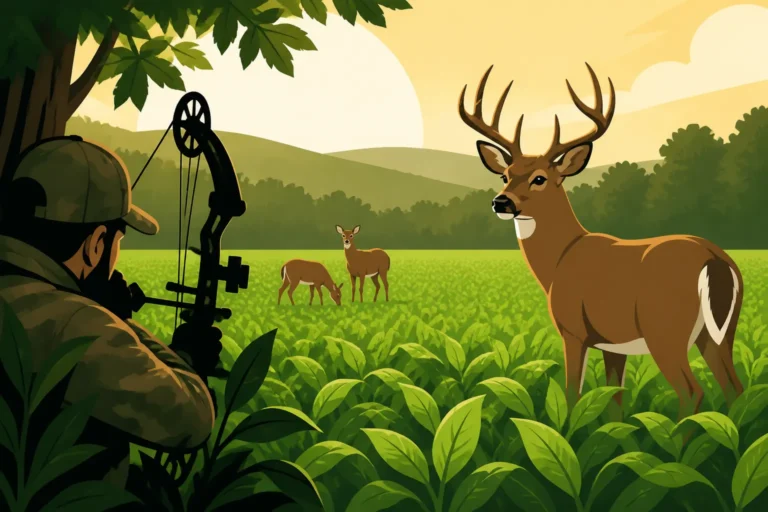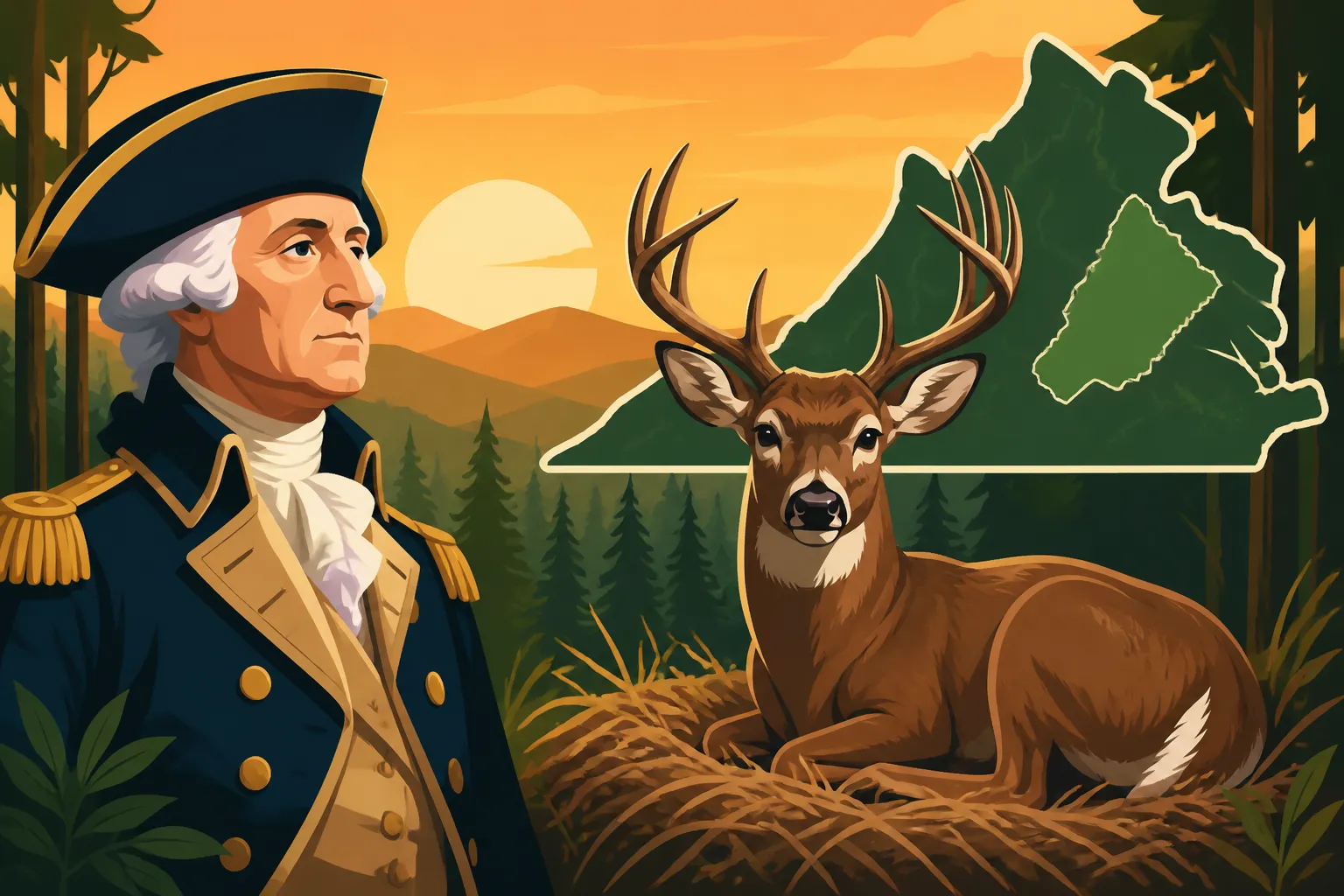
Where George Washington Forest Bucks Bed
Finding mature whitetail bucks in the vast, rugged landscape of the George Washington National Forest can feel like an impossible puzzle. These deer are masters of evasion, especially on heavily pressured public land. This guide is dedicated to helping you decipher the subtle clues and predictable patterns that reveal where George Washington Forest bucks choose to bed down, giving you a real advantage in a challenging environment.
Understanding Mountain Buck Bedding Behavior
The George Washington National Forest, with its sprawling mountains, deep hollows, and dense cover, is a stark contrast to the agricultural fields and woodlots found in many other parts of Virginia. This challenging terrain heavily influences how and where bucks choose to bed. It’s not about finding a nice, flat patch of grass; it’s about strategic positioning for survival. Bucks here prioritize security, thermal regulation, and a clear escape route above almost everything else.
The Critical Role of Security and Topography
In these mountains, security is king. A buck’s bedding area isn't just a place to rest; it's a fortress. They're looking for spots where they can feel safe from predators, including human hunters. This means they often choose locations that offer excellent visibility downwind, while thick cover or a steep drop-off protects their backside. Think about areas with tangled mountain laurel, dense rhododendron thickets, or even areas of recent clear-cuts where regrowth creates impenetrable cover. These spots might be a nightmare to walk through, but for a buck, they're perfect for hunkering down.
Topography plays an enormous role here. Bucks will use changes in elevation, rock formations, and even subtle benches on steep hillsides to their advantage. A mature buck won't just plop down anywhere. He's calculating wind direction, thermals, and potential threats. He wants to see, hear, or smell danger long before it gets close. This is why you'll often find them on points or benches that allow them to survey a large area below them, with the wind carrying scents from behind. Understanding how these deer use the terrain for their safety is the first step in unlocking their bedding secrets.
Seasonal Influences on Bedding Choices
A buck's bedding preferences aren't static; they shift throughout the hunting season, influenced by factors like food availability, rut activity, and weather.
In the early archery season, when temperatures can still be warm, bucks might bed closer to reliable food sources, especially if there's enough shade and security cover nearby. Acorns, soft mast like persimmons, or even small patches of forage can draw them to specific areas. They're still focused on building energy, and while security is always important, convenience to food might be a slightly higher priority than later in the season. You might find them on shaded benches just above a good oak flat, or in a dense creek bottom where cool air settles.
As the rut approaches and progresses, bedding behavior becomes more about doe proximity and strategic vantage points for checking does. Bucks might bed on high points or ridges that allow them to scent-check multiple drainages for receptive does. They're still prioritizing security, but their need to move and seek out does will influence their choices. A small, thicket-covered knob overlooking a busy travel corridor could be a prime rut-time bedding spot. During the later firearms seasons, when hunting pressure is highest and temperatures drop, bucks retreat to the thickest, most inaccessible cover they can find. They'll often push deep into wilderness areas, favoring steep, north-facing slopes with dense evergreens like hemlock or mountain laurel, offering both thermal cover and security. These are the spots where hunters often hesitate to go, and that's precisely why bucks go there.
Key Bedding Features in George Washington National Forest
When you're slogging through the "GW," as many of us call it, certain terrain features consistently attract bedding bucks. These aren't always obvious to the casual hiker, but to a seasoned hunter, they scream "buck bedding."
Ridgelines, Benches, and Thermal Hubs
The mountain ridgelines in the George Washington National Forest are highways and homes for deer. Bucks often bed just off the crest of a ridge, on a subtle bench or slight break in the topography. This gives them the advantage of seeing downhill and smelling anything that might approach from below, especially during morning thermals when cool air sinks. Conversely, as evening approaches and thermals rise, they might shift slightly to use the rising air currents to detect danger from above. Understanding Wind and Thermals on a Blue Ridge Slope is absolutely essential for consistently finding and hunting these spots effectively.
Look for "points" extending off main ridgelines. These natural fingers of land offer excellent views and multiple escape routes. A buck can watch his backtrail, scent-check the downwind side, and easily slip off the point in various directions if threatened. Similarly, "saddles" – dips in a ridge connecting two higher points – can be major travel corridors, but bucks will often bed on the sides of these saddles, in dense cover, where they can observe the activity without being directly in the main thoroughfare. These strategic spots often become Hunting a Ridge-Top Saddle for Rutting Bucks hotspots because they allow bucks to monitor movement and scent for estrous does.
Thick Cover and Remote Areas
Forget the open, park-like woods; George Washington Forest bucks love the jungle. Dense, impenetrable cover is their sanctuary. This could be vast expanses of mountain laurel and rhododendron, which create a canopy of evergreen leaves that offers both visual security and a thermal barrier. Walking through these thickets can be brutal, but that's precisely why bucks choose them. They know most hunters won't push that hard.
Recent timber cuts, especially those a few years old, can also be buck magnets. The regenerating forest creates incredibly dense tangles of saplings and briars that are difficult to navigate but offer fantastic bedding. These clear-cuts, once grown up, provide both browse and cover, making them ideal bedding and feeding zones. You can often find areas like these by studying satellite imagery on a tool like GoHunt or your DWR app. Bucks will often bed on the edges of these clear-cuts, or deep inside them, always looking for a spot that maximizes their ability to detect threats. The more remote an area is from roads, trails, and human activity, the more likely a mature buck is to call it home. These are the places where How Far to Walk From a Forest Road becomes a key factor in success.
Scouting Strategies for George Washington National Forest Bedding Areas
Finding these elusive bedding areas requires a combination of digital reconnaissance and old-fashioned "boots on the ground" effort. Don't expect to just stumble upon them; you need a methodical approach.
Using Maps and Digital Scouting Tools
Before you ever step foot in the woods, spend significant time poring over maps. Topographical maps are your best friend in the George Washington National Forest. Look for steep contours, benches, points, and saddles. Identify areas of dense green on satellite imagery which often indicate evergreen thickets or areas of dense regrowth. Tools like GoHunt or the Virginia DWR app are invaluable here. They offer satellite views, topo overlays, and sometimes even public/private land boundaries which can prevent accidental trespassing. GoHunt, for example, allows you to switch between different map layers, revealing subtle terrain changes that might not be obvious on a single view. You can trace possible access routes, identify natural funnels, and pinpoint potential bedding structures from the comfort of your home.
Pay close attention to changes in slope aspect. South-facing slopes will get more sunlight and melt snow faster, offering warmer bedding in cold weather. North-facing slopes, conversely, hold cooler temperatures and denser evergreen cover, making them ideal for security and thermal regulation in warmer periods or during extreme cold when breaking the wind is paramount. By cross-referencing topo lines with satellite imagery, you can start to build a mental map of where a buck should be bedding given the conditions.
Boots on the Ground and Interpreting Sign
Once you have some promising areas marked on your map, it's time to hit the woods. This is where you confirm your digital scouting and find the real evidence. Look for trails – not just faint game trails, but well-worn deer trails that suggest consistent use. Often, buck trails will lead directly to or from thick cover, especially during the off-season or outside of hunting hours. You might be interested in Scouting Virginia Public Land Before Season to maximize your chances here.
Keep your eyes peeled for rubs and scrapes, especially those from mature deer. While not always directly in a bedding area, they often indicate travel routes to and from security cover. Fresh rubs on larger trees are a good sign a mature buck is in the area. The real prize is finding actual deer beds. These are depressions in the leaves or dirt where a deer has recently laid down. Buck beds are typically larger and more secluded than doe beds, often found in the thickest part of a thicket or on a strategic point. Look for multiple beds in close proximity; this might indicate a bachelor group in the early season. Pay attention to the direction the deer was facing – usually, they face downwind or towards an approaching trail, allowing them to see or smell danger. Finding Sign in Big Jefferson Forest Timber (which shares many characteristics with the GWNF) can further hone your ability to interpret these clues on the ground.
Hunting Approaches Near George Washington Forest Bedding
Once you've identified potential bedding areas, the next challenge is to hunt them effectively without spooking the bucks you're targeting. This requires extreme caution, strategic planning, and a deep respect for the animal's senses.
Stealth, Wind Management, and Entry/Exit Routes
Hunting a bedding area is perhaps the most delicate tactic in mountain hunting. Your approach needs to be absolutely silent and utterly wind-conscious. Even a slight shift in wind can carry your scent directly to a bedded buck, sending him rocketing out of the area long before you know he was there. Always approach from a direction that keeps the wind in your favor, ideally crosswind or into the wind, depending on the topography and how you anticipate the buck will be bedded. Thermals, those rising and falling air currents, are also critical. In the morning, cold air sinks, so you want to be above the bedding area or approach from the side, allowing your scent to be carried downhill and away. In the afternoon, as the ground warms, air rises, so you'd want to be below the bedding area.
Plan your entry and exit routes meticulously. Avoid walking directly through known bedding zones. Instead, try to parallel them, using terrain features like creek bottoms, hollows, or ridge lines to mask your movement. You want to get into your position, whether that's a strategically placed treestand (see Treestand Setups in George Washington National Forest) or a well-brushed-in ground blind, without the buck ever knowing you were there. This often means coming in well before first light, or staying until well after dark, moving only when game activity is minimal.
Patience, Observation, and Setting Up For Success
Hunting near bedding areas demands immense patience. You're often dealing with a buck that may not move much during daylight hours unless pushed or during the peak rut. Instead of crashing into the bedding area, consider setting up on a travel corridor leading into or out of it. Bucks will often stage in thicker cover just outside their primary bedding before heading to food, or they might make a stop there on their way back to bed in the morning.
Observing from a distance with good optics can also be highly effective. If you can get to a vantage point that overlooks a bedding thicket without disturbing it, you might be able to watch a buck enter or exit, revealing their exact patterns. This is where quality binoculars or a spotting scope become indispensable. You might spend an entire day watching, learning how the deer move, where they enter and exit the cover, and how they react to wind and thermals. This intelligence is gold. If you choose to set up directly in a bedding area, consider a stealthy ground setup. Using a Ground Blind on Virginia Public Land might be an option if you can set it up well in advance, allowing deer to get used to its presence. Remember, the goal is to integrate yourself into their environment as subtly as possible, waiting for that one opportunity. The George Washington National Forest is a challenging but rewarding place to hunt, and cracking the code of buck bedding is key to consistent success.
| Bedding Feature | Typical Location | Seasonal Preference | Primary Advantage | Hunting Tactic Considerations |
|---|---|---|---|---|
| Steep Ridge Points | Fingers extending off main ridgelines | All seasons, especially rut | Visibility, scent checking | Approach with wind advantage, observe down-ridge |
| Benches/Terraces | Flat spots on steep hillsides | All seasons, thermal regulation | Security, thermal advantage | Approach from below/side, use thermals, check wind carefully |
| Dense Laurel Thickets | Thick evergreen stands in hollows or on slopes | Cold weather, high pressure, all seasons | Visual security, thermal cover | Slow, quiet approach; set up on edges; avoid direct penetration |
| Clear-cut Regrowth | Multi-year old timber harvest areas | All seasons, food/cover combo | Security, browse, thermal cover | Hunt edges; scout for internal trails; watch for staging areas |
| Deep Hollows/Drainages | Secluded, sheltered areas between ridges | Early season (cooler), late season (wind break) | Concealment, thermal sink | Approach from high ground; use rising thermals; look for subtle benches |
Disclaimer
Hunting is an inherently dangerous activity. The information provided in this guide is for informational purposes only and is not a substitute for proper hunter education, safety training, and adherence to all Virginia Department of Wildlife Resources (DWR) regulations and local laws. Always prioritize safety, wear appropriate blaze orange or pink when required, and obtain all necessary licenses and permits before hunting. Be aware of your surroundings and respect private property boundaries. Always verify current hunting regulations as they can change.