Prince George County Game Land Access
Many Virginia hunters face the perennial challenge of finding quality hunting grounds, especially in counties that blend suburban growth with rural pockets, like Prince George County. It can feel like all the good spots are locked up by private landowners or simply don't exist, leaving you scratching your head about where to even begin. This comprehensive guide will illuminate the pathways to public hunting access within Prince George County, providing practical strategies, regulatory insights, and resource recommendations to help you unlock successful hunts on game lands in this often-overlooked part of the Commonwealth.
Understanding Prince George County's Public Hunting Landscape
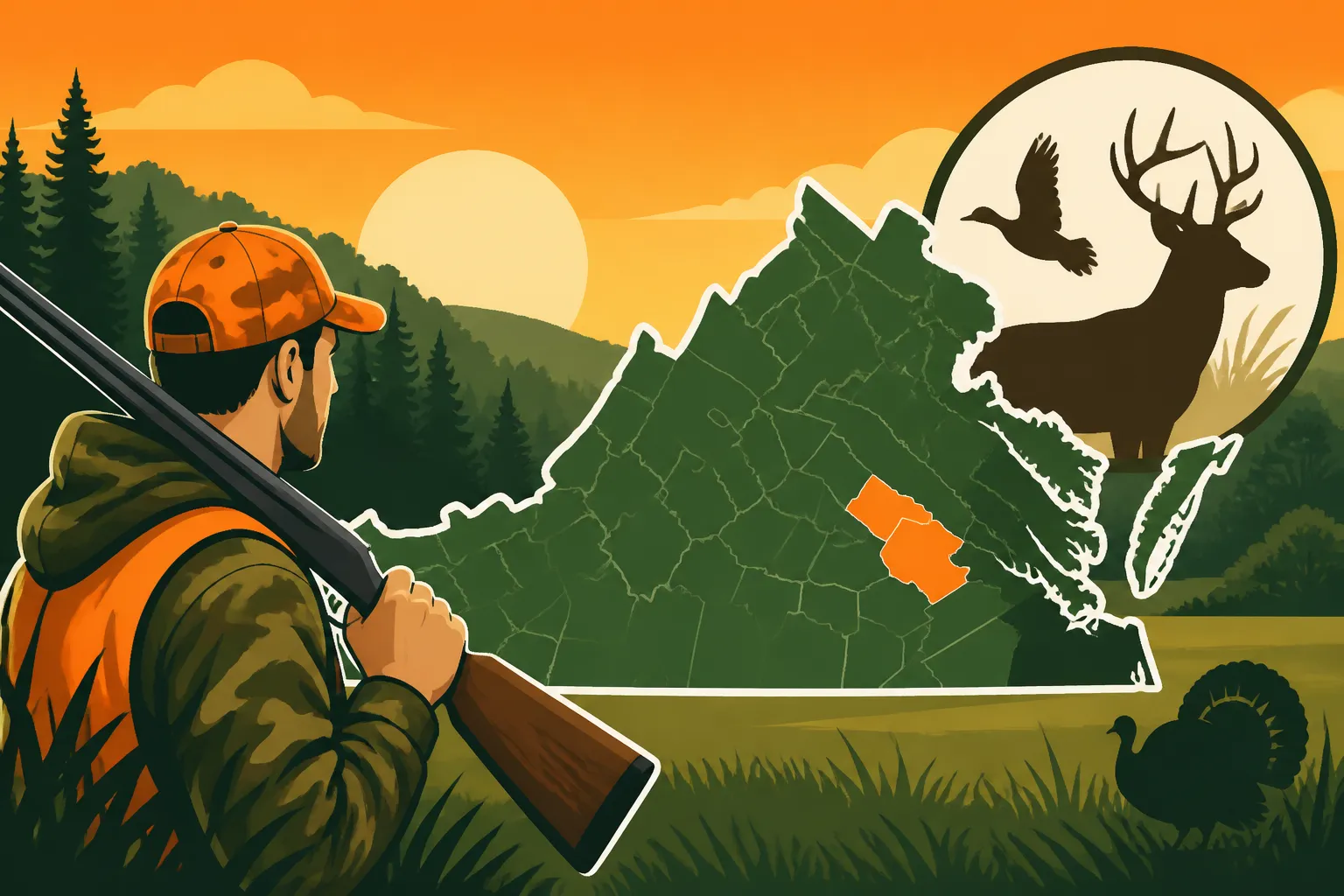
Prince George County, nestled in Virginia's historic Tidewater region and bordering the James River, offers a unique blend of agricultural fields, riverine bottomlands, and mixed hardwood forests. While not boasting the vast national forests found in the western part of the state, it does feature crucial public hunting opportunities through various state-managed wildlife lands. These areas are vital resources for local hunters, providing diverse habitats for white-tailed deer, wild turkeys, and a variety of small game.
Key Wildlife Management Areas (WMAs) in Prince George County
When we talk about public hunting in Virginia, Wildlife Management Areas (WMAs) managed by the Virginia Department of Wildlife Resources (DWR) are often the first places that come to mind. While Prince George County itself might not host a sprawling WMA entirely within its borders, its proximity to several significant WMAs makes them highly relevant for hunters in the area. These managed lands are specifically acquired and developed for wildlife conservation and public recreation, including hunting.
For instance, the nearby Chickahominy WMA, though technically in Charles City and New Kent counties, is a prime example of the type of habitat found in the broader region that Prince George hunters can access. It features extensive marshlands, bottomland hardwoods, and upland pine forests. These habitats are perfect for deer that thrive in thick cover, turkeys that roost in mature timber, and even waterfowl in the wetter areas. Understanding the general character of WMAs in this part of Virginia—often characterized by relatively flat terrain, river influence, and mixed forest types—is key to successful hunting. You’ll find that deer often stick to dense thickets and creek bottoms, while turkeys will frequent hardwood ridges and open areas along agricultural fields. These areas are intensively managed, so food plots and habitat improvements are often part of the landscape.
Navigating Access Points and Parking on Public Land
Finding the exact access points for these public lands can sometimes feel like a treasure hunt. Unlike private lands where a simple gate might mark the entrance, public land access often requires a bit more reconnaissance. Many WMAs have designated parking areas, often gravel lots off secondary roads, marked with official DWR signage. However, some access points might be less obvious, requiring hunters to consult detailed maps.
This is where modern mapping applications become indispensable. Tools like onX Hunt or GoHunt allow you to overlay property boundaries onto satellite imagery, clearly showing public land parcels and potential access routes. You can pinpoint parking areas, identify DWR kiosk locations, and even see internal trails or old logging roads that might not be visible on a basic road map. Before you even set foot in the woods, you can mark potential entry points, identify bottlenecks where deer might travel, or locate suitable areas for a ground blind. Always look for official DWR signs at trailheads or parking lots, which typically outline specific WMA regulations, hunting hours, and permitted activities. This pre-trip planning can save you valuable hunting time and prevent accidental trespassing, ensuring you start your hunt on the right foot.
Species and Seasons on Prince George Area Public Lands
The primary game species for hunters accessing public land near Prince George County are white-tailed deer and wild turkeys. Deer populations are generally healthy throughout this region of Virginia, offering consistent opportunities for both archery and firearms hunters. The habitat mix of agricultural fields, river bottoms, and mature timber provides excellent cover and food sources, leading to robust deer herds. You'll often find deer movement concentrated along field edges, creek drainages, and through dense briar patches.
Spring turkey hunting is another popular pursuit, with gobblers often found strutting in open timber or calling from roosts along river corridors. Beyond the big game, small game opportunities abound. Squirrels are plentiful in mature hardwood stands, and rabbits can be found in brushy fencerows and regenerating clear-cuts. Waterfowl hunting is also a possibility in areas with significant marsh and river frontage, although specific WMA regulations for waterfowl can be quite stringent and often involve managed blinds or quota hunts. It’s crucial to consult the Virginia DWR hunting regulations annually, as season dates, bag limits, and specific WMA rules can change. Virginia Deer Season Structure Explained and Virginia Spring Turkey Season Rules offer comprehensive overviews of these statewide regulations that apply to most public lands.
Strategies for Scouting and Success on Prince George County Game Lands
Hunting public land successfully, especially in areas with moderate pressure, requires more than just showing up on opening day. It demands thoughtful pre-season preparation, a keen understanding of game behavior, and adaptability. The subtle nuances of the terrain and the habits of local wildlife must be understood to consistently find success.
Pre-Season Scouting with Mapping Tools
Gone are the days when a paper topo map and a compass were your only scouting tools. While still valuable, modern digital mapping platforms like onX Hunt and GoHunt have revolutionized how hunters approach pre-season scouting. Before you even lace up your boots, you can spend hours digitally exploring potential hunting areas within or adjacent to Prince George County. Use the aerial imagery to identify key features: dense bedding thickets, oak ridges that drop acorns, creek bottoms that act as travel corridors, and even subtle elevation changes that could funnel deer. Reading Aerial Photos for Piedmont Deer can really help you get started with this.
Look for pinch points created by terrain features, property lines, or water bodies. These are natural funnels where deer movement is concentrated, making them prime spots for stand or blind placement. Utilize the mapping tools to mark potential stand locations, escape routes for game, and alternative access trails. You can also use the satellite imagery to spot areas that might be overlooked by other hunters due to difficult access or dense cover. By identifying these less-pressured areas from your couch, you’re already one step ahead when you finally hit the woods.
Understanding Hunting Pressure and Finding Seclusion
Public lands, by their very nature, attract more hunters than vast private tracts. This hunting pressure can significantly alter game behavior, making it more challenging to locate and harvest animals. Deer, especially mature bucks, quickly learn to avoid roads, well-used trails, and obvious entry points once the season begins. To find success on Prince George County game lands, you need to understand how to get away from the crowds. This often means walking further than most, crossing difficult terrain, or utilizing less-obvious access points.
Focus your scouting on areas that are at least a quarter to a half-mile from designated parking lots or main roads. Look for natural barriers like swamps, steep creek banks, or dense briar thickets that deter casual hunters. These "uncomfortable" areas often hold deer that have been pushed out of more accessible spots. Pay attention to wind direction and thermals, particularly in the morning and evening, as deer will use these to their advantage to detect predators. By identifying these secluded pockets and planning your entry and exit routes carefully to minimize disturbance, you can significantly increase your chances of encountering unpressured animals. Finding Ground Others Walk Past offers even more insights into this strategy.
Adapting Tactics to Local Terrain
The terrain in Prince George County and its surrounding areas, being part of the Piedmont/Tidewater region, presents different hunting challenges and opportunities compared to the mountains. You'll encounter fewer drastic elevation changes but more water features, agricultural influences, and dense, often swampy, bottomland cover. Deer here are masters of using thick vegetation for security. Instead of focusing on ridge-top saddles, you might be looking for dry islands in a swamp, dense honeysuckle thickets along a creek, or a subtle rise in elevation within a large, flat woods.
For archery hunters, understanding the layout of field edges adjacent to dense cover is crucial. Deer will often stage in the timber before entering fields at dusk or move from fields to bedding areas at dawn. Identifying funnels between these feeding and bedding areas becomes paramount. For firearms hunters, shorter shot distances are often the norm due to the dense woods, so practicing with your rifle at 50-100 yards is key. When hunting near agricultural fields, consider a ground blind brushed into a fencerow or woodline. Setting Up on a Piedmont Field Edge details effective strategies for these common scenarios. In river bottomlands, scouting for old rubs and scrapes along creek bends or on slight elevations can reveal consistent buck travel routes.
Essential Regulations and Resources for Prince George Hunters
Hunting is a privilege that comes with the responsibility of knowing and adhering to all applicable laws and regulations. Virginia's hunting rules are designed to manage wildlife populations sustainably and ensure public safety. For hunters in Prince George County accessing public lands, understanding these regulations, especially those specific to WMAs, is paramount.
General WMA Rules and Local Exceptions
While Virginia has overarching hunting regulations, individual Wildlife Management Areas often have specific rules that supersede or add to the statewide framework. These can include restrictions on certain weapons, special hunting hours, mandatory check-in/check-out procedures, or specific rules regarding tree stands and ground blinds. For instance, some WMAs might have an archery-only season, or prohibit the use of screw-in steps on trees. Others may require hunters to obtain a free daily permit online or at a kiosk before hunting.
Always check the Virginia DWR website for the specific WMA you plan to hunt. The DWR's Go Outdoors Virginia platform is an excellent resource for this. You'll typically find detailed maps, lists of permitted activities, and contact information for the WMA manager. Pay close attention to blaze orange requirements; while generally required during firearms seasons, there might be specific nuances for archery hunters or those on managed hunts. Virginia Wildlife Management Areas provides a great general overview of what to expect on these public tracts, and Virginia Public Land Hunting Hours details when you can legally be afield. Adhering to these local exceptions isn't just about avoiding a citation; it's about respecting the land, the wildlife, and fellow hunters.
License Requirements and Reporting
Before you even step foot on public land in Prince George County, ensure you have all the necessary licenses and permits. A basic Virginia hunting license is required, along with a big game license if you plan to pursue deer or turkey. Depending on where you hunt and what species you target, you might also need a state forest permit or a WMA access permit. These can typically be purchased online through the Go Outdoors Virginia portal or from authorized license agents. Virginia Hunting Licenses and What They Cost gives a full breakdown of the various options and their pricing.
Equally important is understanding the deer and turkey reporting requirements. In Virginia, all harvested deer and turkeys must be reported to the DWR by a specific deadline on the day of the kill. This can usually be done through the DWR's mobile app, online portal, or by phone. This data is critical for wildlife biologists to monitor populations and set future seasons. Failure to report a harvest can result in penalties. Virginia Deer Reporting Requirements elaborates on this vital step. Always carry proof of your licenses and permits while afield, whether it's a physical copy or stored digitally on your phone.
Utilizing Virginia DWR Resources
The Virginia Department of Wildlife Resources (DWR) is your absolute best friend when it comes to hunting public land in Prince George County and beyond. Their website is a treasure trove of information, offering everything from detailed regulations and season dates to interactive maps and annual harvest reports. The "Go Outdoors Virginia" portal is your one-stop shop for purchasing licenses, checking specific WMA regulations, and even submitting quota hunt applications.
Don't overlook the value of the DWR's annual hunting regulations digest, available online and at license agents. This document contains all the current rules, bag limits, and season dates you'll need. Furthermore, the DWR often hosts educational workshops and provides valuable conservation resources. Staying informed through official DWR channels ensures you're hunting legally and ethically, contributing to the responsible management of Virginia's cherished wildlife resources. For deeper insights into specific WMAs, you might even find articles or resources detailing habitat management efforts or specific species surveys, helping you understand why certain areas might be more productive than others.
Maximizing Your Experience on Prince George County Public Land
Hunting public land is more than just the pursuit of game; it's an immersive experience that connects you with nature and tests your outdoor skills. To truly maximize your time afield in Prince George County, consider both the practical aspects of your gear and your overall approach to conservation and respect for the environment.
Gear Considerations for Tidewater/Piedmont Terrain
The specific terrain and weather patterns of Virginia's Tidewater and Piedmont regions around Prince George County influence your gear choices significantly. Unlike mountain hunting, where sturdy boots for steep climbs are paramount, here you're more likely to encounter flat, often wet or muddy ground, requiring waterproof footwear. Rubber boots or chest waders can be indispensable for navigating swampy areas, crossing small creeks, or pushing through marshy edges. Boots for Virginia Swamps and Ridges discusses these options in depth.
Due to the often dense undergrowth, lighter, snag-resistant clothing can be more comfortable than heavy wool, especially during early archery seasons when temperatures are still warm. Insect repellent is a non-negotiable item, particularly for tick and mosquito protection in these humid environments. A good quality compass or GPS unit, in addition to your phone's mapping app, provides a crucial backup in areas where cell service might be spotty. Remember, public lands often mean packing in everything you need and packing out everything you brought, including any trash. A comfortable, well-organized daypack is essential for carrying water, snacks, extra layers, and your field dressing kit.
Responsible Land Use and Conservation
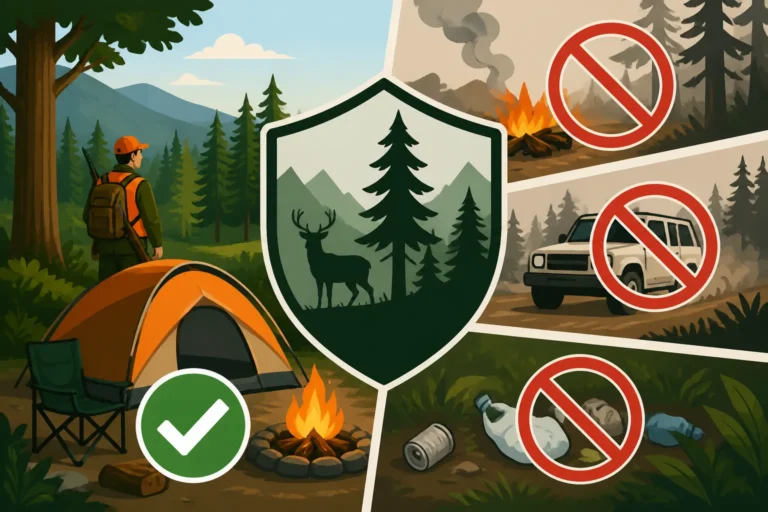
As hunters, we are often the staunchest conservationists. When utilizing public lands in Prince George County, it's crucial to uphold principles of responsible land use. This means practicing "Leave No Trace" ethics: pack out all your trash, including spent shell casings, broadhead covers, and food wrappers. Avoid damaging natural vegetation, cutting trees, or building permanent structures. If you're using a portable stand, ensure it complies with WMA regulations, which often prohibit leaving stands overnight or using certain attachment methods.
Respecting boundaries is another critical aspect. Even with mapping apps, always be aware of private land adjacent to public parcels. Know Virginia Trespass and Permission Law thoroughly, and never cross onto private land without explicit permission. This not only avoids legal issues but also maintains positive relations between hunters and landowners, which is vital for preserving hunting opportunities. By being exemplary stewards of public lands, we ensure these invaluable resources remain accessible and healthy for future generations of hunters and wildlife alike. Ethical hunting practices, adhering to fair chase principles, and prompt game recovery are all part of this responsibility.
| WMA Feature / Aspect | Piedmont/Tidewater WMAs (e.g., near Prince George County) | Mountain WMAs (e.g., George Washington National Forest) |
|---|---|---|
| Terrain | Generally flat to gently rolling; river bottoms, swamps | Steep inclines, rugged terrain, deep hollows |
| Primary Tree Cover | Mixed pine/hardwood, bottomland hardwoods, cypress swamps | Appalachian hardwoods, scattered pine stands |
| Key Access Roads | Gravel roads, sometimes unpaved; often close to highways | Forest service roads, often unpaved and remote |
| Water Features | Rivers, creeks, marshes, cypress ponds | Mountain streams, high-elevation springs |
| Hunting Pressure | Moderate to high, especially near population centers | Variable, can be low in remote areas |
| Deer Tactics | Focus on thickets, creek bottoms, field edges, clear-cuts | Ridge tops, saddles, benches, hollows, logging roads |
| Turkey Tactics | Roosting along river corridors, fields, mature hardwoods | Roosting on steep slopes, ridgetops, clearings |
| Specific Gear | Rubber boots/waders, bug spray, scent control gear | Sturdy hiking boots, trekking poles, layered insulation |
| Mapping Focus | Property lines, water bodies, field boundaries | Contour lines, elevation changes, hidden springs |
Disclaimer
This article is for general informational purposes only and does not constitute professional advice. Laws, prices and regulations vary by location and change over time. Consult a qualified professional for guidance on your specific situation.