Shed Hunting on Virginia Public Land
That feeling of walking miles on public land, eyes peeled, only to find nothing but fallen leaves and disappointment, is a frustration every shed hunter knows intimately. Finding those elusive dropped antlers on Virginia's vast and diverse public lands can sometimes feel like an impossible task, especially with so many other dedicated folks out there with the same goal. This guide is designed to cut through that frustration, offering you proven strategies and insights to pinpoint where Virginia's bucks are most likely to drop their antlers, transforming your next scouting mission into a successful shed hunting adventure.
Understanding Deer Behavior Post-Rut and Pre-Spring
Before you even step foot into the woods, it’s crucial to understand why and when bucks drop their antlers, and what they're doing in the period immediately following the rut. This knowledge is your foundation for successful shed hunting in Virginia.
Why Bucks Drop Their Antlers
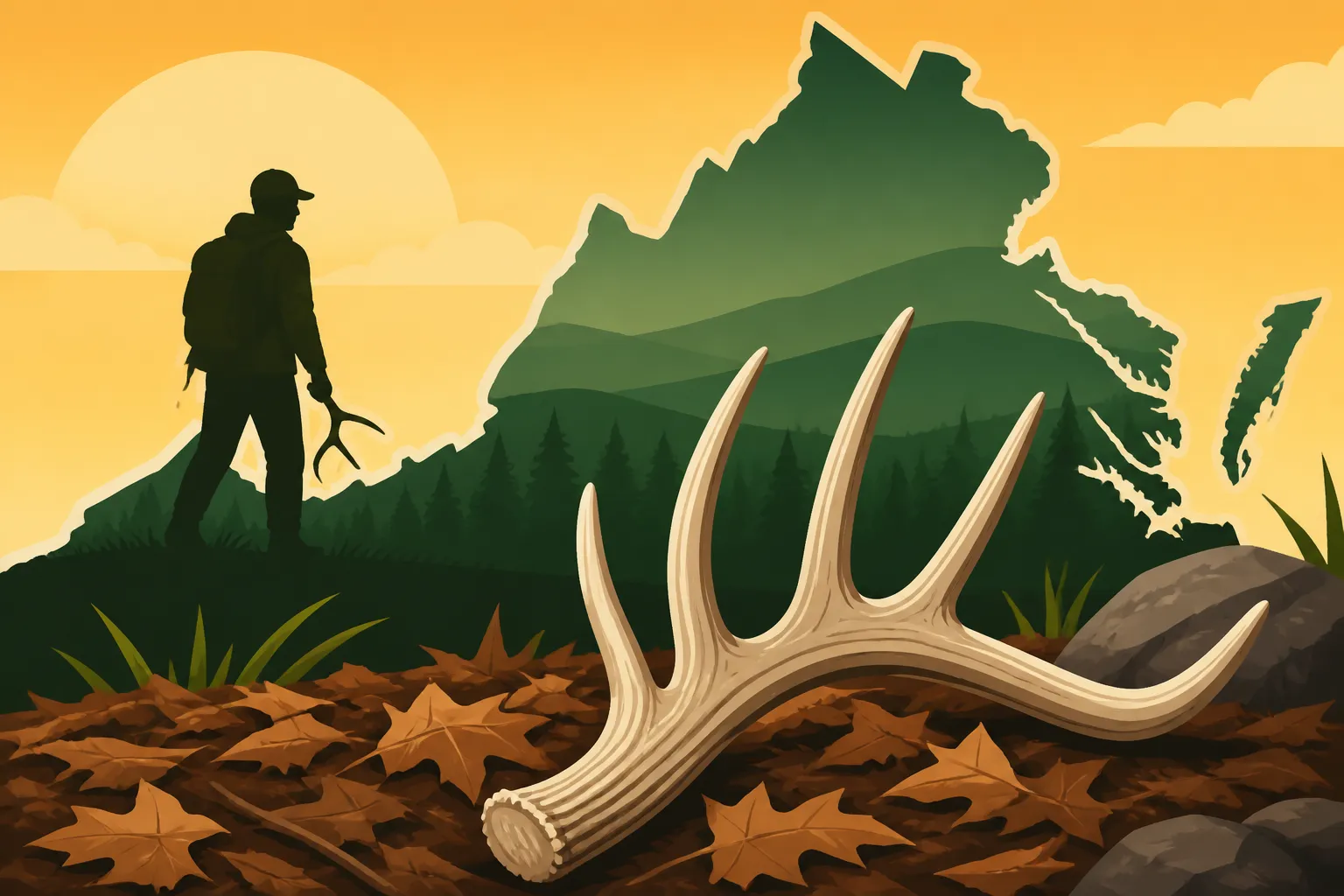
The process of antler shedding is a natural, annual cycle driven by declining testosterone levels in a buck's body. After the intensity of the breeding season, or rut, usually peaking in November for much of Virginia, a buck's hormone levels begin to drop. This hormonal shift causes a weakening of the connection between the antler pedicle (the bony base on the skull) and the antler itself. Over a period of weeks, this connection completely dissolves, and the antler falls off. It’s not usually a violent event; sometimes it can even be triggered by a minor bump against a tree branch or a quick shake of the head.
Several factors influence the timing of this drop. Nutrition plays a huge role; bucks that are in poor condition or have endured a particularly harsh winter might shed earlier. Age is another factor, with older bucks often dropping their antlers before younger ones, though there can be individual variations. The severity of winter weather in Virginia also impacts the timing. A long, cold winter with deep snow can stress deer, causing them to dip into their fat reserves, which in turn can accelerate antler drop. Conversely, a mild winter might see some bucks holding onto their antlers a bit longer.
Key Wintering Habits on Public Land
Once the rut is over, a buck's primary focus shifts from breeding to survival. They need to recover from the physical toll of the breeding season and simply make it through the lean winter months. This means their winter habits become highly predictable, and understanding these patterns is key to finding sheds.
First and foremost, bucks are looking for food that provides maximum energy with minimal effort. While acorns might have been the go-to during fall, by winter, those are usually long gone. Their diet shifts to readily available browse – twigs, buds, and residual green forage. On public lands, this often means focusing on creek bottoms where greenbriar thrives, or in clear-cuts and recent timber harvests where young saplings and brush are abundant. Areas with remaining agricultural crops on the edges of public land or on adjacent private parcels will also be magnets for deer. Even old logging roads that receive sunlight can sprout winter greens, making them prime foraging spots.
Secondly, thermal cover is paramount. Bucks, especially those recovering from the rut, need to conserve energy. They will seek out dense cover that offers protection from biting winds and cold temperatures. This often translates to thick stands of pine or cedar, laurel patches, dense honeysuckle tangles, or thick clear-cuts that offer both concealment and insulation. These bedding areas are often found on south-facing slopes, which catch more sunlight throughout the day, offering a warmer spot to rest. When you're out shed hunting, always consider "Where would a deer want to get out of the wind and soak up some sun?"
Finally, deer establish specific travel corridors between these essential food and bedding areas. These pathways are often well-used and can be identifiable even without snow cover. They might be along the base of a ridge, through a saddle, or following a natural terrain feature like a creek bed or an old logging road. Bucks will utilize the path of least resistance to move between their winter survival spots. Learning to identify these subtle travel lanes will significantly improve your chances of finding dropped antlers. For a deeper dive into scouting tactics, check out our guide on Scouting Virginia Public Land Before Season.
Strategic Shed Hunting Locations on Virginia Public Land
Finding sheds on public land isn't just about walking; it's about smart walking. You need to leverage mapping tools and understand the nuances of different public land types in Virginia to focus your efforts where they'll pay off most.
Identifying Prime Public Land Zones
Virginia boasts a fantastic array of public hunting land, each with its own characteristics that can make for great shed hunting. The vast expanses of the George Washington National Forest and Jefferson National Forest offer endless possibilities. These areas are characterized by mountainous terrain, dense timber, and remote hollows. Bucks here often follow predictable patterns along ridges and in sheltered bottoms. While the sheer size can be daunting, using topographic maps to identify key features like saddles, benches, and south-facing slopes can narrow your search.
Wildlife Management Areas (WMAs) managed by the Virginia Department of Wildlife Resources (DWR) are another excellent option. WMAs often have a mix of habitat types, from mature timber to open fields and even planted food plots, which can be deer magnets even in winter. These areas might see more hunting pressure during season, but that pressure can also concentrate deer into smaller, safer pockets, making them predictable for shed hunting. For example, a WMA like Amelia Wildlife Management Area in the Piedmont might have more open fields and hardwood bottoms compared to a mountain WMA.
Modern mapping tools are indispensable for navigating these areas. Apps like OnX Hunt or even the free Go Outdoors Virginia DWR app can show you property boundaries, topography, and different habitat types. Using these apps, you can identify prime bedding areas (thick evergreen stands, dense clear-cuts), travel corridors (ridge lines, creek drainages), and potential food sources (areas with browse, remaining mast crops) before you even leave your couch. Plotting out potential routes and waypoints for specific features can save you countless wasted steps.
Specific Habitat Features to Target
When you’re actually out in the woods, knowing what specific features to key in on makes all the difference. Don't just wander aimlessly; hunt the habitat.
Thick bedding areas are absolute gold mines for sheds. Bucks spend a lot of time in these areas, and the act of getting up, lying down, or simply rubbing against a sapling can dislodge an antler. Look for dense thickets, overgrown clear-cuts, young pine plantations, and laurel or rhododendron patches that offer protection from the elements. These are often on south-facing slopes or tucked just below a ridge to avoid prevailing winds. Walk through these areas slowly, weaving back and forth, looking under every low-hanging branch and around every downed log.
Feeding areas, even in winter, are still crucial. Deer are constantly browsing, and if you can find areas with concentrated winter browse (like greenbriar, honeysuckle, or young hardwood sprouts), you're in the right spot. Creek bottoms are often excellent for this, as they tend to hold more moisture and therefore more resilient forage. Old oak flats, even if the acorns are gone, can still have residual food and are often along travel routes. Focus on the edges of these feeding areas, where deer might stop to browse before heading into cover. Our guide on Reading Aerial Photos for Piedmont Deer can help you visualize these transitions.
Perhaps the most consistent spots to find sheds are along travel corridors and rub lines. Bucks are creatures of habit, and they will use the same paths repeatedly between their bedding and feeding areas. Look for well-worn deer trails, especially those that navigate around obstacles or through saddles. Fence lines or old logging roads that provide easy travel can also be productive. Remember those rub lines from hunting season? Bucks often continue to use these same travel routes even after the rut, so check them again. They'll also use low-hanging branches to rub their antlers against as they loosen, making these trees potential drop zones.
High-Traffic Areas and Bottlenecks
Deer, like people, gravitate towards the path of least resistance and will congregate in areas that offer multiple benefits. These high-traffic areas and natural bottlenecks are crucial spots to focus your shed hunting efforts.
Pinch points and creek crossings are classic examples. A pinch point could be a narrow strip of timber between two open fields, a saddle between two ridges, or a dense thicket that funnels deer movement into a specific corridor. Deer are naturally channeled through these areas, increasing the likelihood of an antler being dropped there. Similarly, creek crossings require deer to jump or exert themselves slightly, and the impact can sometimes dislodge an antler. Focus on the banks and shallow areas of these crossings.
Any area where deer are forced to slow down or jump is a high-percentage spot. This includes downed logs they have to step over, steep banks they must climb, or even stream crossings. The jarring motion of these actions can often be enough to pop off a loose antler. These spots are also often well-traveled, as multiple deer will use the same easy crossing or navigate the same obstacle.
While it might seem counterintuitive, don't overlook areas around historically high-pressure hunting spots on public land. During hunting season, hunters push deer around, often causing them to seek refuge in the thickest, nastiest cover. When these deer finally drop their antlers, they might do so in these same secure, overlooked pockets. However, the presence of other shed hunters means you need to be willing to go deeper, farther, or into areas that others might dismiss. Finding ground that sees fewer hunters often means more sheds for you.
Effective Shed Hunting Tactics and Best Practices
Finding sheds is less about luck and more about methodical searching. You need to approach it like a hunter stalking game, rather than just a casual walk in the woods.
Timing Your Hunts for Maximum Success
Timing is everything in shed hunting. You don't want to go too early, only to find most bucks are still carrying their racks. Go too late, and squirrels, mice, and other critters might have already gnawed away at the bone, or other shed hunters beat you to it.
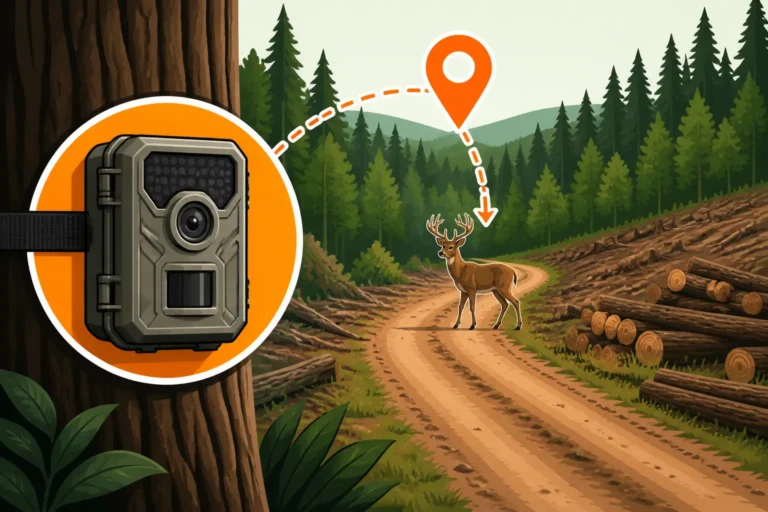
The ideal window in Virginia typically starts in late January and extends through March, though it can vary. Generally, the majority of bucks will drop their antlers by mid-February in many parts of the state. It's often a good strategy to make an initial sweep in late January/early February, especially after a particularly cold snap, to catch any early droppers. Then, follow up with more thorough searches in late February and early March to target the main event. Keep an eye on local deer activity and reports from the Virginia DWR. You can also monitor trail cameras if you have them on public land (where permitted) to see when bucks start losing their headgear.
Weather patterns play a significant role. A prolonged period of cold weather or a deep snow event can stress deer, causing them to drop earlier. Conversely, a mild winter might delay the process. If there's snow on the ground, a fresh snowfall can be a blessing and a curse. It can make sheds easier to spot against the white backdrop, but it also provides a blank slate for other shed hunters to track. After a snowmelt, however, sheds can pop out against the wet, dark forest floor, making them much more visible.
Grid Searches and Thorough Sweeps
This isn't a stroll in the park; it's a grid search. The most effective way to cover ground systematically is to implement a grid pattern. Instead of just walking in a straight line or following a single trail, work an area by walking parallel lines, spaced about 10-20 yards apart, depending on the cover density. This ensures you cover the entire area thoroughly. Once you've completed a section, turn around and sweep back in the opposite direction.
The key is to walk slowly and deliberately. Your eyes should be constantly scanning the ground, not just directly in front of you, but also to your sides. Look for anything that looks out of place – a tine, a brow tines, the curve of a main beam. Train your eyes to identify the color and texture of antler against the leaf litter and natural debris. Deer antlers often blend in incredibly well, so you need to be patient and meticulous. It often helps to stop frequently, scan the area, and even take a few steps back. Sometimes, a different angle of light can reveal a shed you just walked past. Many shed hunters walk an area, then return a few days later to walk it from a different direction, as new perspectives can reveal what was previously hidden.
Dealing with Hunting Pressure and Other Shed Hunters
Let's be real: you're not the only one out there looking for sheds on Virginia public land. High hunting pressure during deer season often carries over into shed season. This means you need to be smart about how you approach your chosen areas.
One strategy is to target areas that are harder to access. This might mean walking an extra mile or two, navigating through dense briar patches, or tackling steep terrain. Most people will stick to the easiest-to-reach spots, leaving the deeper, nastier sections relatively untouched. The bigger the effort, the greater your potential reward. Look for those small, overlooked pockets of thick cover that might be surrounded by more open woods but are too difficult for most casual shed hunters to penetrate. Our guide on Finding Ground That Sees Fewer Hunters can provide further insights.
Consider going mid-week instead of on busy weekends. This can dramatically reduce the competition. Also, don't be afraid to hunt during inclement weather, like light rain or colder temperatures, when others might stay home. Just make sure you're properly equipped with the right gear, like waterproof Boots for Virginia Swamps and Ridges and appropriate layers.
Finally, always be respectful of other shed hunters and, crucially, private land boundaries. Virginia's trespass laws are strict, and you must have permission to be on private land. Use your mapping apps, like the GoHunt app, to confirm your location at all times and avoid inadvertently crossing onto private property. A little courtesy goes a long way in the woods.
Essential Gear and Safety Considerations
Shed hunting isn't just a leisurely walk; it's an outdoor pursuit that requires preparation, especially when traversing Virginia's diverse terrain. Having the right gear and prioritizing safety can make or break your trip.
What to Carry on a Virginia Shed Hunt
Your gear selection can greatly enhance your comfort and efficiency. First and foremost, wear sturdy, waterproof hiking boots. Virginia's public lands, especially in the mountains or along creek bottoms, can be wet, muddy, and rocky. Good ankle support is also critical for navigating uneven terrain. Layered clothing is a must, as temperatures can fluctuate wildly between a cold morning and a warm afternoon, especially in late winter and early spring. Start with a moisture-wicking base layer, add insulating layers, and top with a waterproof/windproof outer shell.
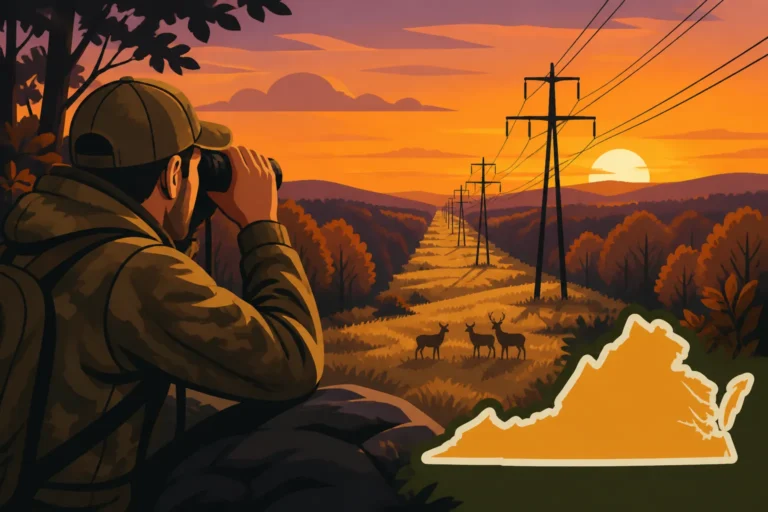
A reliable pack is essential. You'll want something comfortable enough for several hours of walking that can carry your essentials and, hopefully, a few antlers! A daypack works great for this, allowing you to carry water, snacks, a first-aid kit, and your mapping device. Check out our guide on Packs for a Jefferson Forest Day Hunt for some good options. Don't forget a small pair of binoculars. While you're primarily looking at the ground, binoculars can be incredibly useful for scanning distant thickets or dense cover, identifying potential bedding areas, or even spotting a shed that might be just out of reach across a ravine.
Of course, your phone with a reliable mapping app (like OnX, GoHunt, or the DWR app) is arguably your most important tool. Download offline maps before you go, as cell service can be spotty in remote areas. Consider carrying a portable power bank to keep your phone charged. While GPS Units Versus Phone Apps can be debated, having a dedicated GPS unit can be a good backup for deep wilderness areas. Finally, always carry a small first-aid kit, a headlamp (just in case you're out longer than planned), and a sturdy knife.
Navigating Virginia's Terrain Safely
Virginia's public lands offer incredible beauty but also present unique challenges. Safety should always be your top priority.
Be prepared for steep slopes, especially in the national forests. The mountains can be unforgiving, and a slip or fall can lead to serious injury. Consider using trekking poles for added stability on steep or uneven ground. Creek crossings are common, so be mindful of slippery rocks and swift currents. If a crossing looks too risky, find a safer alternative. Virginia's woods are also notorious for thick briar patches and thorny undergrowth. Wear durable pants or gaiters to protect your legs from scratches and snags.
Always be aware of remaining hunting seasons. While deer firearm seasons are typically closed by the time most shed hunting begins, small game seasons or late archery seasons might still be open in certain areas. It's wise to wear a blaze orange or blaze pink hat or vest, even if not legally required, just to enhance your visibility to any active hunters. Check the Virginia DWR regulations for specific dates and requirements.
As spring approaches, so do ticks and snakes. Virginia is home to several species of ticks that can transmit diseases like Lyme disease, and both venomous copperheads and timber rattlesnakes become active as temperatures rise. Wear long pants and tuck them into your socks. Use an insect repellent containing DEET or permethrin on your clothing. Always watch where you step and reach, especially in rocky areas or around fallen logs where snakes might be basking.
Finally, always let someone know your plans before heading out. Tell them where you're going, your intended route, and when you expect to return. Consider shed hunting with a partner, especially in more remote or challenging terrain. Having someone else along can make the experience more enjoyable and significantly safer in case of an emergency.
| Shed Hunting Factor | Optimal Strategy | Typical Virginia Timing |
|---|---|---|
| Buck Antler Drop | Driven by testosterone decline post-rut. | Late January – Early March |
| Winter Food Sources | Browse (greenbriar, honeysuckle, saplings), residual mast, winter greens. | Creek bottoms, clear-cuts, old logging roads. |
| Thermal Cover | Dense pine/cedar stands, laurel thickets, thick clear-cuts, south-facing slopes. | Steep hillsides, dense conifer stands. |
| Travel Corridors | Worn deer trails between bedding and feeding, ridge lines, creek beds. | Along natural funnels, base of ridges. |
| Pinch Points | Narrow strips of timber, saddles, dense thickets funneling deer. | Between fields, ridge saddles. |
| Creek Crossings | Shallow areas, jump-over points where deer exert effort. | River/creek banks, shallow areas. |
| Public Land Zones | National Forests, WMAs, focus on remote, hard-to-access spots. | George Washington NF, Jefferson NF, various WMAs. |
| Tools & Tactics | Mapping apps (GoHunt, DWR), grid searching, slow pace, multiple passes. | Year-round for scouting, peak shed hunting late winter. |
Disclaimer
The information provided in this guide is for general informational purposes only. Hunting regulations, seasons, and access rules in Virginia can change. Always consult the official Virginia Department of Wildlife Resources (DWR) regulations manual and local ordinances before engaging in any hunting or shed hunting activity. Be aware of private property boundaries and obtain explicit permission before entering private land. Your safety is your responsibility.