Virginia Muskrat and Mink Trapping Trends
If you've ever thought about venturing into the world of furbearer trapping here in Virginia, especially for muskrats and mink, you know it can feel a little daunting. The regulations seem to shift, populations ebb and flow, and knowing where to even start can be a real head-scratcher. This guide is here to untangle all that, giving you a clear, comprehensive look at the trends, rules, and best practices for successfully trapping muskrats and mink across our beautiful Commonwealth.
Understanding Virginia's Muskrat and Mink Populations for Trappers
Stepping into the world of furbearer trapping means first understanding the animals themselves. Muskrats and mink are integral parts of Virginia's wetland and riparian ecosystems, and their populations, while generally stable in many areas, can fluctuate based on a variety of environmental factors. For us trappers, keeping an eye on these trends is crucial for both success and responsible management.
Historical and Current Population Status of Muskrats
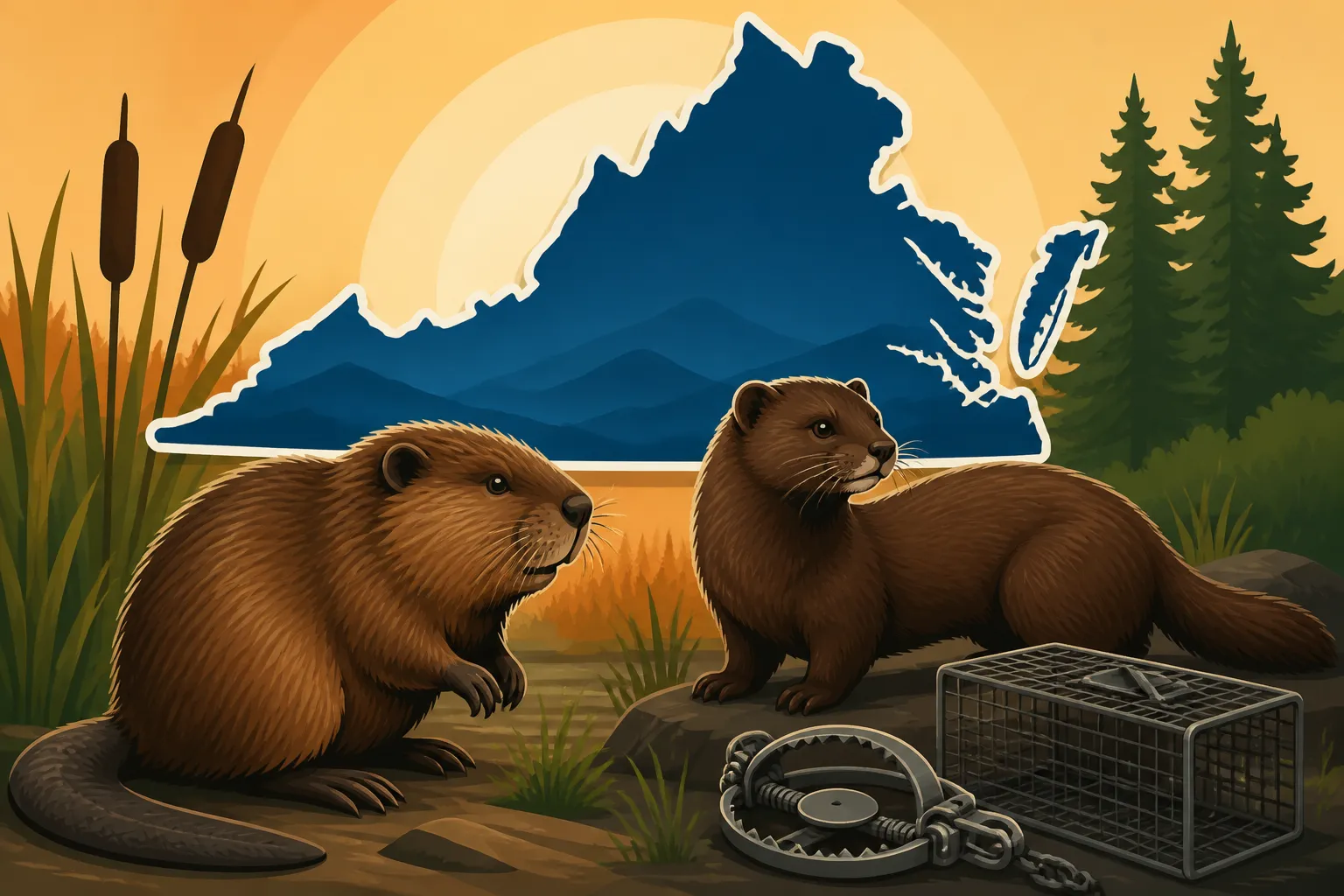
Muskrats are one of Virginia's most widespread semi-aquatic furbearers, often found in slow-moving water bodies like marshes, ponds, ditches, and the calmer sections of rivers and creeks. Historically, they've been a staple for trappers, known for their prolific breeding and relatively predictable habitat use. Their numbers saw some dips in past decades, largely due to habitat loss and degradation, particularly the draining of wetlands for agriculture or development.
Today, while they might not be as universally abundant as they once were, muskrats still maintain healthy populations across much of the state, especially where good wetland habitat persists. You'll often find them in areas with abundant emergent vegetation like cattails and sedges, which they use for food and to build their distinctive dome-shaped lodges or bank burrows. For a trapper, seeing these signs is like finding a goldmine. Their cyclical nature means that some years you might find them booming in certain areas, while other years they seem a bit scarcer. It’s always a good idea to scout your intended trapping locations thoroughly, perhaps even doing some early season reconnaissance to gauge their current activity.
Mink Dynamics and Their Presence in Virginia Waterways
Mink, often considered the more elusive and challenging quarry, are also broadly distributed throughout Virginia. These sleek, powerful predators are closely tied to water, often found along the banks of streams, rivers, lakes, and marshes, much like muskrats. They thrive in areas with plenty of cover, such as fallen logs, rock piles, dense brush, and undercut banks, which provide ambush points for hunting and secure den sites. Their diet is incredibly varied, consisting of muskrats, voles, mice, birds, fish, frogs, and even insects – essentially, whatever they can catch along the water's edge.
Unlike muskrats, mink typically have lower population densities. They require larger home ranges and are less tolerant of human disturbance, though they can certainly adapt to suburban stream corridors if food and cover are abundant. Trapping mink often means thinking like a predator, understanding their travel lanes and where they'll be looking for their next meal. Observing tracks, scat, and even finding a partially eaten frog or fish on a log can tell you a mink is working that particular stretch of water. While their populations don't fluctuate as dramatically as muskrats, changes in local prey bases or severe weather events can certainly impact their numbers in specific areas. If you’re using an app like GoHunt to scout, look for public lands that feature smaller creeks feeding into larger rivers—these are often prime mink territory.
Factors Influencing Furbearer Numbers
Several factors play into the health and distribution of both muskrat and mink populations in Virginia, and understanding these can really boost your trapping success. Habitat is, without a doubt, the biggest driver. Healthy wetlands, stable stream banks with good cover, and diverse food sources are critical. Pollution, sedimentation, and outright habitat destruction remain significant threats to both species.
Weather patterns also play a huge role. Severe droughts can dry up vital waterways, forcing muskrats to relocate or perish, which in turn impacts mink that rely on them as a food source. Conversely, prolonged floods can destroy muskrat lodges and burrows. Disease outbreaks, though less common than habitat or weather impacts, can also occur. Finally, predation from coyotes, bobcats, foxes, and even large raptors helps keep populations in check. Knowing that you're pursuing a furbearer whose numbers are influenced by such a complex web of factors makes the act of trapping feel more connected to the broader ecosystem. It's not just about setting a trap; it's about observing, understanding, and adapting to nature's rhythms.
Navigating Virginia's Trapping Regulations and Licensing for Muskrats and Mink
Before you even think about setting a trap, you've got to get squared away with the rules and regulations here in Virginia. The Virginia Department of Wildlife Resources (DWR) sets these guidelines to ensure healthy furbearer populations and responsible trapping practices. Trust me, you do not want to run afoul of the law—it can lead to fines, confiscation of gear, and losing your trapping privileges.
Essential Licenses and Permits for Furbearer Trapping
To legally trap muskrats and mink in Virginia, you're going to need a valid trapping license. This is separate from a general hunting license, though many of us hunters also enjoy trapping. You can purchase these licenses online through the Go Outdoors Virginia website, by phone, or at authorized license agents across the Commonwealth. Be sure to carry proof of your license while trapping, either a physical copy or an electronic version on your phone.
In addition to the basic trapping license, there are specific regulations you need to be aware of, especially if you plan to trap on public lands like Wildlife Management Areas (WMAs). Many WMAs require a separate access permit. Always check the specific rules for any public land you intend to trap, as some might have additional restrictions or even require special draw permits for furbearers. Also, remember that all trappers in Virginia must successfully complete a DWR-approved trapper education course before obtaining their first trapping license. This course covers everything from furbearer biology to ethical trapping methods and legal requirements. If you haven't taken it yet, it's a critical first step. For a broader look at what it takes to get started, check out Virginia Hunter Education Requirements. And if you're curious about the general costs, have a look at Virginia Hunting Licenses and What They Cost.
Season Dates and Bag Limits Specific to Muskrat and Mink
Virginia operates under specific statewide trapping seasons for furbearers, and muskrats and mink typically fall under similar dates, usually opening in late fall and running through winter. These seasons are designed to coincide with prime fur development and to avoid trapping during breeding or denning periods.
It's absolutely essential to check the current DWR Hunting & Trapping Regulations digest each year, as dates can occasionally shift. While there aren't typically daily or seasonal bag limits for muskrats and mink (unlike deer or turkey), the season length itself acts as a regulatory tool. Trapping outside of these dates is illegal and considered poaching. This is where a resource like GoHunt can be invaluable, as many trappers use it to cross-reference season dates with property boundaries and WMA specifics. Don't just assume last year's dates are the same; a quick check of the current regulations will save you a lot of headaches. You can find general information on other furbearer seasons in Virginia Raccoon Season Dates or even Virginia Fox and Bobcat Trapping Season.
Legal Trap Types and Set Requirements in Virginia
Virginia's trapping regulations are very specific about what kinds of traps you can use and how they must be set, all aimed at humane harvest and public safety. For muskrats and mink, commonly used traps include body-gripping traps (like Conibears), foothold traps, and even live traps, depending on the situation. However, there are strict size limitations for body-gripping traps on land and specific requirements for their placement, especially near public areas or residential zones.
For water sets, body-gripping traps are highly effective for both muskrats and mink. For muskrats, a "drowning set" is often employed, where the trap is submerged and the animal quickly drowns, ensuring a humane dispatch and preventing escape. Foothold traps, when used, must be of appropriate size for the target animal and typically require a drowning mechanism in water sets, or they need to be checked frequently in dry sets to minimize animal stress. Snares are also legal for furbearers in Virginia, but they have their own set of specific regulations regarding loop size, break-away devices, and placement to prevent non-target captures. Always double-check the DWR regulations for minimum trap sizes, maximum jaw spreads, and specific snare requirements. Understanding these rules is not just about compliance; it's about being an ethical and responsible trapper.
Here's a quick reference table for common trap types and their general use for muskrats and mink:
| Trap Type | Target Species | Common Use | Key Virginia Regulation Considerations |
|---|---|---|---|
| Body-Gripping (e.g., Conibear 110, 120, 155) | Muskrat, Mink | Submerged water sets, den entrances | Must be placed completely submerged in water, or if on land, recessed at least 6 inches into a burrow/tile/culvert, or set within a barrier. Specific size limits apply to dry land sets (e.g., cannot exceed 7.5" jaw spread unless certain conditions are met). Not to be set in visible pathways frequented by humans or domestic animals. Mandatory daily checks. |
| Foothold (e.g., #1 or #1.5 coilspring/longspring) | Muskrat, Mink | Water sets with drowning devices, blind sets on trails | Must be set with a drowning device in water sets. On land, must be checked daily. Some areas might have specific setback distances from roads or residences. Traps must be tagged with trapper's DWR customer ID number or name and address. |
| Snare | Mink (less common), Muskrat (specific situations) | Travel lanes, den entrances, over logs | Must have a stop device (restrictor) that prevents the loop from closing to less than 2.5 inches in diameter. Must have a break-away device that allows larger animals to escape. Cannot be set in a tree or on a vertical pole. Must be tagged and checked daily. Certain setbacks from public access points may apply. |
| Live Trap (e.g., cage trap) | Mink, Muskrat | Anywhere, especially near dwellings or for release | Used for live capture. Less common for commercial fur harvest but useful for nuisance animals or situations where release is desired. Still requires a trapping license and adherence to season dates if retaining furbearers. Mandatory daily checks. |
Effective Trapping Strategies and Locations for Virginia Muskrat and Mink
Alright, you've got your license and you're familiar with the rules. Now for the fun part: getting out there and setting some traps! Success in trapping these furbearers, especially mink, often comes down to keen observation, understanding their habits, and choosing the right locations and sets. It's truly an art form that blends woodsmanship with a little bit of detective work.
Identifying Prime Muskrat Habitat and Setting Traps
Muskrats are creatures of habit and water, and they leave plenty of signs. Look for slow-moving water with abundant vegetation like cattails, sedges, water lilies, and various grasses. Prime locations include:
- Marshy Edges and Ponds: These are classic muskrat strongholds. Look for their dome-shaped lodges made of vegetation, or subtle openings in bank vegetation where they enter and exit the water.
- Ditches and Canals: Agricultural ditches, especially those with some weed growth, can be muskrat superhighways. They provide food, cover, and easy travel.
- Quiet Sections of Rivers and Creeks: While they avoid fast currents, muskrats will inhabit calmer backwater sections, oxbows, and sloughs off larger waterways.
When setting traps for muskrats, think about where they naturally travel and feed. Runways in vegetation, slides down banks, and the entrances to their burrows or lodges are all excellent spots. A common and highly effective set is a drowning set using a body-gripping trap (like a Conibear 110 or 120) placed at a slide or burrow entrance, fully submerged. The goal is to quickly dispatch the animal, and the water helps achieve this. You can also use a foothold trap with a drowning rod or wire, ensuring the trap is firmly anchored and the drowning mechanism is functional. Sometimes, a piece of apple or carrot can be used as bait, but often, a well-placed blind set in a high-traffic area is all you need. Always anchor your traps securely, whether to a bank stake or by wire to something sturdy, to prevent loss or theft.
Locating Mink and Utilizing Their Travel Patterns
Mink are a different beast altogether. While they share watery habitats with muskrats, they are predators and their movements are less about feeding on vegetation and more about hunting. Locating mink requires paying attention to structure and bottlenecks along waterways. Focus on:
- Undercut Banks and Root Wads: These offer perfect den sites and ambush points. Mink will travel along these sheltered edges.
- Fallen Logs and Brush Piles: Anywhere a mink can duck for cover or find a quick meal will be a travel route. Look for logs extending into the water or overhanging banks.
- Culverts, Tile Drains, and Bridges: These create natural funnels where mink are almost guaranteed to pass through. A culvert leading from one section of a stream to another is an absolute hotspot.
- Small Feeder Creeks and Ditches: Mink will often travel up these smaller waterways, particularly if there's good cover and a consistent food source like muskrats or mice.
For mink, blind sets are often the most productive. This means placing your trap directly in a natural travel lane without bait. Think about pinch points: a narrow gap under a log, the entrance to a culvert, or a runway along an undercut bank. A body-gripping trap (like a Conibear 155 or 220, if legal for your specific set) set here can be incredibly effective. For foothold traps, consider a "pocket set" or "dirthole set" baited with fish, muskrat carcass, or a commercial mink lure, carefully blended into the bank, always with a drowning device if possible. You can also use a "cubby set," creating a small, natural-looking enclosure with sticks and logs, placing a baited trap inside. Remember, mink are curious, but also wary, so minimizing your scent and making your sets look as natural as possible is paramount. Using an app like GoHunt to mark potential travel routes and structures on public land, like those in Virginia Wildlife Management Areas, can significantly improve your scouting efficiency.
Water Sets, Blind Sets, and Baits That Work
Variety in your trap sets is key to consistent success for both muskrats and mink. You won't always find the perfect slide or culvert, so having a repertoire of sets is a must.
Water Sets: These are king for both species.
- Drowning Sets: As mentioned, these are ideal for Conibears or footholds placed at slides, den entrances, or in constricted waterways. The depth of water is critical – usually 6-8 inches or more to ensure a quick submersion.
- Feed Beds: Muskrats often create small "feed beds" in the water where they eat vegetation. Placing a submerged foothold or Conibear near these can be very effective.
Blind Sets: Relying on the animal's natural travel patterns.
- Runway Sets: Placing a trap directly in a well-used muskrat runway in vegetation or a mink trail along a bank. Camouflage is crucial here.
- Channel Sets: In narrow waterways or between clumps of vegetation, a body-gripping trap can block the passage, forcing the animal through the trap.
Baited Sets: While less critical for muskrats, bait can definitely entice mink.
- Lure and Scent: High-quality commercial mink lures, often containing musk or fish oils, can draw mink in. For muskrats, a small piece of apple, carrot, or even a commercially available muskrat lure can work.
- Carcass Bait: A piece of fish, frog, or even a muskrat carcass can be incredibly effective for mink when placed in a cubby or dirthole set. Just be mindful of other scavengers.
When setting any trap, always wear gloves to minimize human scent. This is especially important for mink, which have an incredible sense of smell. Make sure your traps are stable, blended into the environment, and securely anchored. Regularly checking your traps, as required by law, is not just about compliance but about humane treatment of the animals. If you’re scouting new territory, understanding the environment is key, much like learning to read the subtle signs mentioned in Reading Virginia Mud for Fresh Deer Movement for deer.
Market Trends and Responsible Fur Handling for Trappers
Beyond the thrill of the catch, trapping often involves the responsible handling and marketing of the furs you acquire. Understanding the market can help you maximize the value of your efforts, and proper fur handling ensures you get the best possible return. While prices for furbearers can fluctuate wildly based on fashion trends, global demand, and economic conditions, a well-handled pelt always fetches a better price.
Current Demand and Pricing for Muskrat and Mink Furs
The fur market is a dynamic beast, and it rarely stays static for long. In recent years, global demand for wild fur, including muskrat and mink, has seen its ups and downs. Fashion trends, international trade policies, and even the broader economic climate all play a role. Generally speaking, mink fur often commands a higher price per pelt than muskrat due to its durability and luxury appeal, but muskrat often makes up for it in sheer volume, as they are typically more abundant and easier to trap in numbers.
You won't find specific pricing here, as it changes constantly, but it's important to know that the market for wild fur is influenced by global auctions and buyers. North American trappers contribute to this global supply. The best way to stay informed about current market prices is to connect with local fur buyers, attend regional fur auctions, or check with trapping associations. They often have the most up-to-date information on what certain grades of fur are fetching. Many trappers these days also use online communities or resources like GoHunt to share information and stay current on market intelligence, helping them decide if it's a good year to pursue certain furbearers.
Field Care and Skinning Best Practices
The value of your fur begins the moment you retrieve the animal from the trap. Proper field care is paramount. Once an animal is humanely dispatched, cool it down as quickly as possible. If temperatures are warm, get it on ice or in a cooler. Leaving a carcass to sit in the sun or warm conditions will quickly degrade the fur, causing "slipping" (hair loss) or "greening" of the hide.
Skinning should be done carefully and cleanly. Both muskrats and mink are typically "cased skinned," meaning the hide is peeled off like pulling a sweater inside out, leaving the fur intact in a tube shape. For muskrats, a simple case skin is usually sufficient, with attention to removing excess fat and flesh. Mink require more meticulous attention during skinning and fleshing to ensure all fat and muscle tissue are removed from the hide. This process helps prevent spoilage and allows the pelt to dry evenly. A sharp knife is your best friend here, and taking your time will yield much better results than rushing the job. If you're new to this, there are countless tutorials online and often demonstrations at trapping conventions that can teach you the ropes.
Preparing Pelts for Market and Selling Your Harvest
After skinning, the pelt needs to be "fleshed" to remove all remaining fat and membrane. This is a critical step, as any fat left on the hide will cause it to spoil and the fur to "burn" or turn rancid. A fleshing beam and fleshing knife are standard tools for this. Once fleshed, the pelt is stretched onto a drying board, often a wire stretcher for muskrats and a wooden board for mink, sized appropriately for the animal. It's crucial to stretch the pelt to its natural shape—don't overstretch, as this makes the fur appear thin.
The pelts then need to be dried in a cool, dry, well-ventilated area, away from direct sunlight or heat. This drying process can take several days to a couple of weeks, depending on humidity and airflow. Once thoroughly dry, the pelts are ready for market. Selling your harvest typically involves contacting local fur buyers who will purchase your pelts, or you can send them to larger fur houses or attend a fur auction. Building a relationship with a reputable buyer can be beneficial, as they can offer advice on pelt preparation and market conditions. Responsible trappers take pride not just in the catch, but in presenting a high-quality product, which reflects the ethical and sustainable nature of their pursuit.
Disclaimer
This article is for general informational purposes only and does not constitute professional advice. Laws, prices and regulations vary by location and change over time. Consult a qualified professional for guidance on your specific situation.