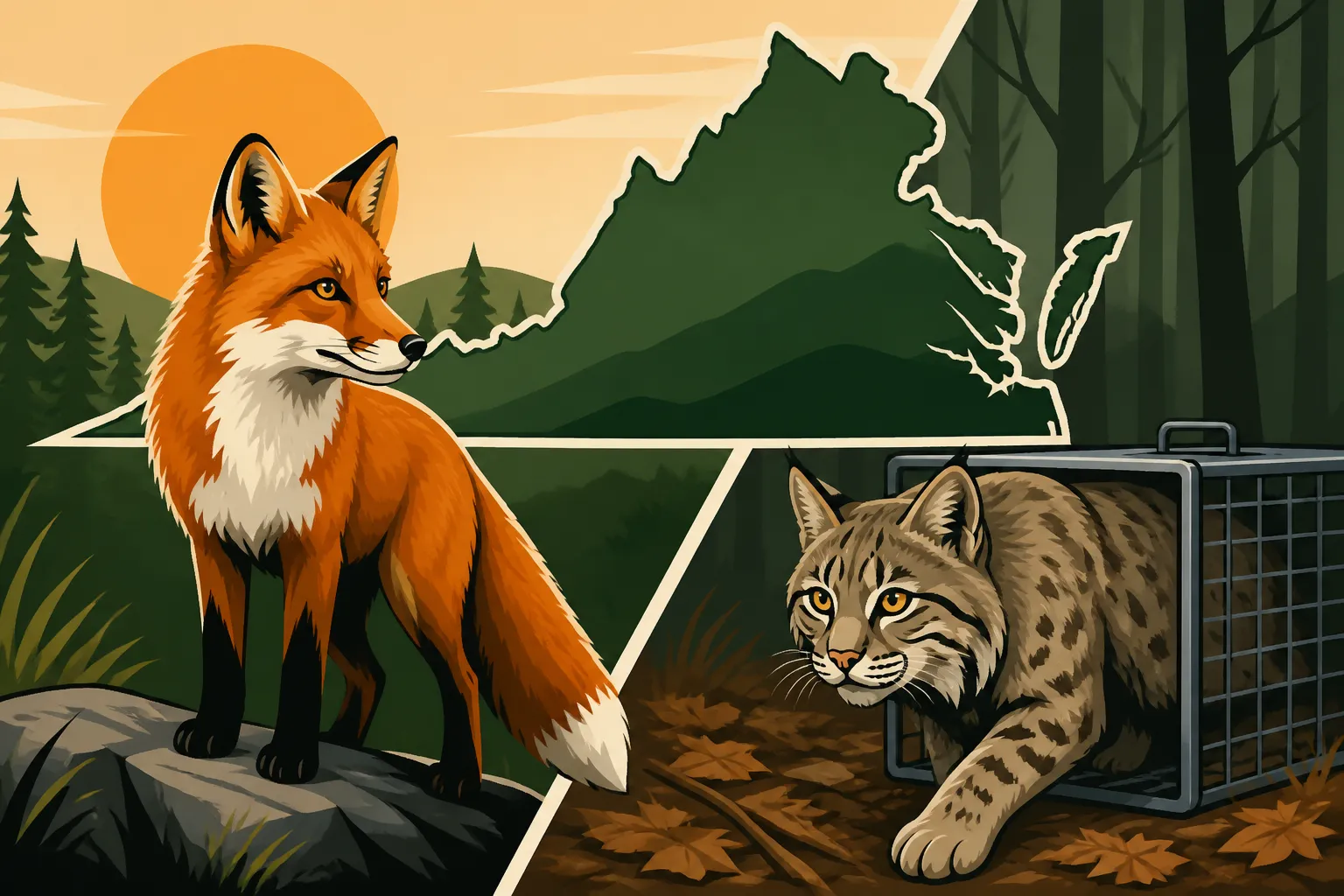
Virginia Fox and Bobcat Trapping Season
Navigating the specific rules and regulations for trapping furbearers in Virginia can feel like deciphering a complex puzzle, especially when you're keen to pursue species like fox and bobcat. Many trappers, new and experienced alike, often wonder about the precise season dates, the necessary permits, and what kind of equipment is actually allowed. This guide is here to untangle those complexities, offering a comprehensive look at Virginia's fox and bobcat trapping season to help you plan your efforts effectively and ethically.
Understanding Virginia's Trapping Regulations for Foxes and Bobcats
Trapping in Virginia isn't just about setting a snare or a foothold trap; it's about operating within a carefully structured framework of regulations designed to ensure sustainability and humane practices. For species like red fox, gray fox, and bobcat, the Virginia Department of Wildlife Resources (DWR) sets specific seasons and rules that trappers must adhere to. Ignoring these details can lead to fines, loss of equipment, and even loss of trapping privileges, so let's get into the nitty-gritty.
Key Dates and Regional Variations for Trapping Seasons
Virginia generally maintains a statewide furbearer trapping season, which simplifies things compared to some other states with complex zone systems. For both fox (red and gray) and bobcat, the season typically runs from November 1st through February 28th. This four-month window provides ample opportunity for trappers to pursue these elusive animals during their prime fur-bearing period. It's always a good idea to double-check the current year's DWR regulations, as slight adjustments can occur. For instance, sometimes there might be specific circumstances, like a local population concern or a change in management strategy, that could subtly alter these dates, but generally, that November to February span is a reliable constant.
When you're out there, remember that the end of February often brings warming temperatures and the approach of breeding seasons for many animals, which is why the DWR closes the trapping season at that point. It's all about balancing harvest opportunities with the well-being of the wildlife populations. While regional variations for fox and bobcat trapping are uncommon in Virginia, always be aware of specific local ordinances, especially if you're trapping near urban archery zones or highly populated areas, as these can sometimes have additional restrictions on trap types or locations.
Required Licenses and Permits for Trappers
Before you even think about setting a trap, you need to make sure your paperwork is in order. Virginia has clear requirements for trappers, and it's more than just a general hunting license. You'll need a state trapping license, which is a specific type of license distinct from a general hunting or fishing license. This license signifies that you're authorized to set and tend traps for furbearers.
In addition to the basic trapping license, anyone who traps in Virginia also needs to complete a certified trapper education course. This isn't just a hoop to jump through; these courses cover essential topics like furbearer biology, humane trapping methods, trap types, DWR regulations, and responsible land ethics. It's an invaluable educational experience that ensures you're equipped with the knowledge to trap safely and ethically. You can find more details on what's required for a state license by looking into Virginia Trapping License Requirements. New trappers often get confused about which license covers what, so it’s critical to get the specific trapping license, not just a small game or big game license. You might also want to look into Virginia Hunter Education Requirements if you haven't taken any DWR-certified courses before, as the principles often overlap.
| License Type | Requirement | Description |
|---|---|---|
| Virginia Trapping License | Mandatory for all trappers | Authorizes the taking of furbearers by trapping methods. Available for residents and non-residents, with varying costs. |
| Trapper Education Course | Mandatory | A certified course covering furbearer management, humane trapping techniques, and DWR regulations. Required before purchasing a trapping license. |
| Landowner Exemption | Limited | Landowners trapping on their own property may be exempt from certain license requirements but must still adhere to season dates and equipment regulations. Check DWR for specific details. |
| Federal Duck Stamp/HIP | Not required | These are specific to migratory bird hunting and are not applicable to furbearer trapping. |
It’s always a good idea to purchase your licenses well in advance of the season. You can usually do this online through the Go Outdoors Virginia portal, which makes the process fairly straightforward. Carrying proof of your license, whether it's a physical card or on your phone via the DWR app, is also a must when you're out on your line.
Legal Trapping Methods and Equipment
Virginia's DWR is quite specific about the types of traps you can use and how you must deploy them. The goal is to ensure that traps are effective yet humane, minimizing injury to the animal and preventing non-target catches. For fox and bobcat, common trap types include foothold traps and body-gripping traps (Conibears), but with strict size and placement limitations.
- Foothold Traps: These are often preferred for canids and felines due to their selective nature and ability to hold an animal with minimal injury. Virginia regulations typically specify maximum jaw spreads. For example, a common maximum might be 6 ½ inches for land sets. Traps must be set in a way that is unlikely to catch domestic animals or expose the trapped animal to unnecessary risk. This often means setting traps away from public paths, residential areas, or places where pets are likely to roam.
- Body-Gripping Traps (Conibears): While effective, these traps are often subject to stricter placement rules due to their lethal nature. In Virginia, body-gripping traps with a jaw spread over a certain size (e.g., 6.5 inches) are typically prohibited on land sets. However, smaller body-gripping traps can be used in water sets or in specific elevated situations, like on a pole or supported by a structure, where the chances of catching non-target animals are significantly reduced.
- Snares: Snares are legal for furbearers in Virginia, but they too come with stringent requirements. They must be equipped with a breakaway device to prevent injury to larger, non-target animals like deer, and a stop to prevent over-tightening. Snares must also be set so the bottom of the loop is a certain height off the ground, typically a few inches, to reduce the chance of catching deer.
Regardless of the trap type, all traps must be checked at least once every 24 hours. This daily check is paramount for animal welfare, allowing for quick dispatch of furbearers or the release of non-target animals. It's a fundamental ethical practice in trapping. When you're planning your trapline, consider your access routes and how quickly you can reach each set. Using a tool like GoHunt can be incredibly helpful for mapping out your trap locations, ensuring you can efficiently check all your sets within the legal timeframe and helping with Finding Virginia Property Lines if you're on the edge of private land.
Species-Specific Rules: Foxes (Red and Gray) vs. Bobcats
While the general trapping season often aligns for foxes and bobcats, understanding the nuances of each species can greatly improve your success rate and ensure you're trapping within the spirit of the law. These animals have distinct behaviors and habitat preferences that dictate effective trapping strategies and, by extension, might subtly influence regulatory enforcement.
Red and Gray Fox Considerations
Virginia is home to both red foxes and gray foxes, and while their trapping season is the same, their behavior and preferred habitats differ. Red foxes tend to favor more open areas, like farm fields, brushy pastures, and the edges of woodlands. They're often seen around agricultural lands, and their diet is quite varied, including small rodents, birds, insects, and fruits. Trappers targeting red foxes might focus on natural travel corridors along field edges, fence lines, or pinch points where cover meets open ground.
Gray foxes, on the other hand, are more associated with dense, brushy woodlands and heavily timbered areas. They are excellent climbers, often utilizing trees to escape predators or to hunt. Their diet is similar to red foxes but they might consume more insects and plant material depending on availability. When setting for gray foxes, you'll often be deeper in the woods, looking for trails leading to thickets, downed logs, or rocky outcroppings. The DWR views both species as important parts of the ecosystem, and regulations are designed to manage their populations sustainably. Be mindful of scent control when trapping for foxes; they have an incredible sense of smell and can be easily deterred by human odor. For finding good habitat, scouting areas known for Squirrel Hunting Virginia Bottomland Hardwoods might also lead you to areas frequented by gray foxes, as they share similar environments.
Bobcat Behavior and Habitat Preferences
Bobcats are a bit more secretive and generally less common than foxes in many parts of Virginia, making them a highly prized catch for trappers. They are solitary and territorial, preferring dense forests, swamps, and rocky, mountainous terrain. You'll often find them in areas with abundant cover and a good prey base of rabbits, squirrels, and small deer. Unlike foxes, bobcats are primarily nocturnal, making their presence harder to detect during daylight hours.
Trapping for bobcats often requires a different approach than foxes. Due to their elusive nature, trappers often use larger sets and more robust lures or baits. They tend to travel along established game trails, logging roads, and creek bottoms. Identifying areas with good cover, dense undergrowth, and a reliable food source is key. Looking for sign, such as scat, tracks, or scratch posts on trees, can reveal their presence. Understanding Hunting a Ridge-Top Saddle for Rutting Bucks can provide insight into how animals move through mountainous terrain, which is equally applicable to bobcats. Furthermore, if you're trapping in areas managed for other small game, like Rabbit Hunting Virginia Fencerows, you might also encounter bobcats drawn to the same prey.
Ethical Trapping Practices and Animal Welfare
Ethical trapping isn't just a suggestion; it's a cornerstone of responsible wildlife management and a legal requirement in Virginia. The DWR emphasizes humane treatment and minimizing adverse impacts on both targeted furbearers and non-target animals. Adhering to these practices protects the animals, preserves the reputation of trapping, and ensures the continued opportunity for trappers to pursue their passion.
Trap Checking Requirements and Release Protocols
As mentioned, checking your traps at least once every 24 hours is non-negotiable. This regulation is in place for a crucial reason: to minimize the time an animal spends in a trap. A shorter confinement period reduces stress, injury, and exposure to adverse weather conditions or predators. When you approach a set, do so cautiously. You never know what you might find, and a trapped animal can be unpredictable.
If you catch a target furbearer like a fox or bobcat, responsible dispatch is paramount. Trappers are expected to use humane methods that result in a quick and painless end for the animal. This typically involves a quick, precise shot from a small-caliber firearm or another DWR-approved method. It's not always easy, but it's part of the responsibility of trapping. For non-target animals, such as opossums, raccoons, or even domestic animals, the goal is a safe and immediate release. This often requires carrying a catch pole or other specialized tools to handle and release the animal without injury to yourself or the animal. Knowledge of wildlife handling and restraint is vital, often covered in trapper education courses. Always assess the animal for injuries before release; if a non-target animal is seriously injured, you should contact the DWR for guidance.
Avoiding Non-Target Catches
Minimizing incidental catch is a mark of a skilled and ethical trapper. While some non-target catches are inevitable, good planning and careful trap placement can significantly reduce them.
- Trap Selection: Choosing the right trap type and size for your target species is the first step. For example, using a smaller trap designed for a fox lessens the chance of catching a large bobcat or a domestic dog.
- Set Location: Placement is everything. Avoid setting traps near known pet walking areas, public trails, or residential zones. Researching your area, perhaps using tools like onX or similar mapping apps that show property boundaries and public access points, can help you make informed decisions. GoHunt can also be a valuable resource for identifying land features and potential hotspots that are less likely to see foot traffic.
- Lure and Bait Selection: Using specific lures and baits can also increase selectivity. While general meat baits might attract anything, lures formulated for fox or bobcat based on their olfactory preferences can be more targeted.
- Understanding Animal Behavior: Knowing the habits of local wildlife helps. If you notice a strong presence of deer, you might avoid certain snare setups. If domestic cats are a known issue in an area, avoiding enticing visual sets is wise.
By being meticulous in your approach, you not only comply with DWR regulations but also foster a positive image for trapping in Virginia, demonstrating respect for wildlife and the environment. Failing to adhere to these rules can carry significant consequences, so understanding Virginia Wildlife Violation Penalties is also important.
Reporting and Resources for Virginia Trappers
Trapping is an essential tool for wildlife management, and the data collected from trappers is crucial for the DWR to make informed decisions about furbearer populations. Therefore, reporting your harvest is a mandatory part of the process in Virginia. Beyond reporting, knowing where to find additional resources can significantly enhance your trapping knowledge and success.
Reporting Your Harvests
Just like deer and turkey, all fox and bobcat harvests taken by trapping must be reported to the Virginia DWR. This typically involves using the DWR's online reporting system or their mobile app. You'll usually need to report the species, the date of harvest, and the county where the animal was taken. Some furbearers may require additional information, such as sex, though this varies by species and current DWR monitoring needs.
The reporting deadline is usually fairly quick after the close of the season, often within a few days or weeks. Missing this deadline can result in penalties, as unreported harvests skew population data and undermine management efforts. This data allows the DWR to track population trends, assess the impact of trapping pressure, and ensure that seasons and bag limits are appropriate for healthy, sustainable furbearer populations. For example, if you're interested in the broader context of furbearer management, you might find information on Virginia Muskrat and Mink Trapping Trends or even Virginia Coyote Hunting Season Status illuminating, as DWR collects similar data for all furbearers.
Essential Resources and Tools
The DWR website (Virginia Department of Wildlife Resources) is your primary and most authoritative source for all trapping regulations, season dates, license information, and educational materials. It's updated annually and provides detailed legal language that clarifies any ambiguities. They also offer trapper education course schedules and contact information for regional biologists who can often answer specific questions about local conditions or complex scenarios.
Beyond the official DWR resources, several other tools can be incredibly beneficial for trappers:
- Mapping Applications: As mentioned, apps like onX Hunt or GoHunt are invaluable. They allow you to overlay property lines, public vs. private land, topographic maps, and aerial imagery. This is crucial for planning your trapline, avoiding trespass, identifying pinch points, and ensuring you have legal access to check your traps. You can mark trap locations, record observations, and track your routes, making your efforts much more efficient and compliant with regulations regarding Treestand Rules on Virginia Public Land (though for traps, it's about placement not stands). Knowing where public land is, such as the George Washington National Forest Hunting areas or various Virginia Wildlife Management Areas, can open up vast opportunities.
- Furbearer Associations: Joining a state or national furbearer association can connect you with experienced trappers, offer educational workshops, and keep you informed about legislative changes that might affect trapping. These communities are often a treasure trove of practical advice and mentorship.
- Field Guides and Educational Books: Investing in good field guides specific to furbearer identification, tracks, and sign can greatly enhance your ability to scout effectively and target your desired species. Books on trapping techniques, humane methods, and trap modification can also refine your skills.
By proactively seeking out and utilizing these resources, you'll not only stay compliant with Virginia's trapping regulations but also become a more knowledgeable, effective, and ethical trapper, contributing positively to wildlife conservation efforts.
Disclaimer
The information provided in this article is for general guidance and informational purposes only and does not constitute legal advice. While we strive to provide accurate and up-to-date information, hunting and trapping regulations in Virginia can change frequently. It is the individual hunter's and trapper's responsibility to consult the most current official Virginia Department of Wildlife Resources (DWR) regulations and laws before engaging in any hunting or trapping activities. Always prioritize safety, ethical practices, and compliance with all applicable local, state, and federal laws.