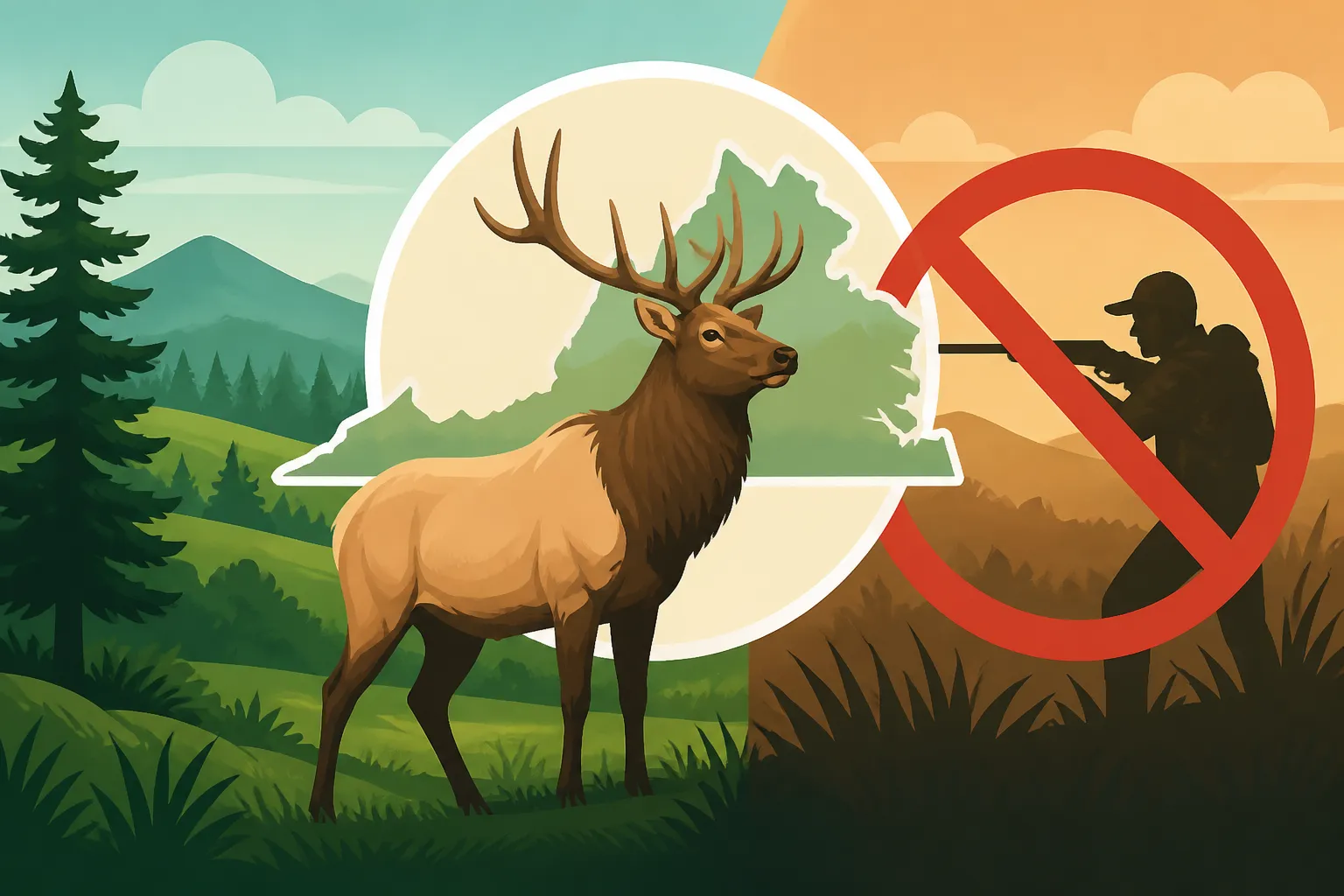
Why the Elk Herd Cannot Yet Be Hunted
It’s a truly exciting time for Virginia’s wildlife, especially with the successful reintroduction of elk to our landscape. Many of us, myself included, watch the growing herds with a mix of awe and anticipation. But a question I hear often, especially from fellow hunters, is a very natural one: "When can we actually hunt these magnificent animals?" It's a valid query, born from a passion for conservation and a desire to connect with nature, and this guide will explore exactly why Virginia’s elk herd isn't open to hunting yet, and what factors are at play.
The Resurgence of Elk in Virginia: A Conservation Triumph
For generations, the majestic elk was absent from Virginia's forests. Their thunderous bugles and impressive antlers were just a whisper in the wind of history. But thanks to dedicated conservation efforts, those whispers are slowly becoming roars once again. It's a story of hope and hard work, and understanding its roots helps explain our current elk management strategy.
Tracing the Elk's Return: A Conservation Success Story
Think back to the early 20th century, and you'd find no wild elk roaming the Old Dominion. They were extirpated, meaning completely wiped out from the state, largely due to unregulated hunting and habitat loss during settlement times. It's a stark reminder of how quickly a species can vanish without proper management and respect. Fast forward to the early 2000s, and the Virginia Department of Wildlife Resources (DWR), in partnership with organizations like the Rocky Mountain Elk Foundation, embarked on an ambitious journey to bring them back. This wasn't a simple task; it involved careful planning, selecting suitable habitat, and sourcing elk from healthy populations in other states. The goal was never just to put elk on the ground, but to establish a thriving, self-sustaining population that could once again enrich Virginia's biodiversity.
The reintroduction efforts focused primarily on the southwestern coalfields of Virginia, an area chosen for its vast tracts of public land, suitable forage, and limited human population density. Initial releases saw animals brought in from Kentucky, which had its own successful reintroduction program. These elk were carefully monitored, adapting to their new home and slowly, steadily, beginning to reproduce. It was a painstaking process, but seeing the first calves born in Virginia after centuries of absence was a truly profound moment for conservationists and local communities alike. It’s a testament to what we can achieve when we prioritize wildlife. You can learn more about this remarkable project in Virginia Elk Restoration in the Coalfields.
The Elk Population Today: Numbers and Distribution
While the exact numbers fluctuate, Virginia's elk herd has been steadily growing since those initial reintroductions. We're not talking about numbers comparable to vast western states, but for Virginia, it's a significant and exciting recovery. The core population remains concentrated in the Southwest Coalfields region, specifically within Buchanan, Dickenson, and Wise counties, although individual animals will sometimes wander beyond these established boundaries. These animals prefer a mix of open areas for grazing and dense cover for bedding and protection, often found in reclaimed mine lands that offer a patchwork of early successional vegetation.
The DWR closely monitors the herd's health and distribution through various methods, including aerial surveys, trail camera studies, and public sightings. This data is crucial for understanding population trends, calf recruitment rates, and overall herd health. While the population is robust enough to be considered a success, it's still relatively small compared to the state's deer herd, for example. The focus remains on allowing these numbers to continue to grow and expand their range naturally, ensuring a stable foundation for the future. For a more detailed look at the current estimates, check out How Many Elk Live in the Virginia Coalfields.
Understanding Virginia's Elk Management Plan
The decision to manage a species, especially one brought back from extinction, is a complex one. It’s not just about population numbers; it’s about ecological balance, social acceptance, and long-term sustainability. Virginia's approach to elk management is a careful balancing act, with conservation at its very heart.
Conservation First: Prioritizing Herd Establishment
The primary objective of Virginia's elk management plan is, and has been since day one, to foster a healthy, self-sustaining elk population. This means allowing the herd to grow without the added pressure of hunting mortality. Think of it like nurturing a sapling into a strong, mature tree before you even consider harvesting its fruit. For elk, this means ensuring they have adequate numbers, a diverse genetic pool, and a robust age structure before any talk of hunting comes into play. It’s about building a foundation that can withstand environmental fluctuations, potential disease outbreaks, and the natural challenges of wildlife survival.
This "conservation first" approach is a common strategy in successful reintroduction programs across the country. It allows the animals to colonize new areas, establish social structures, and reach a certain population threshold where natural mortality factors, rather than human-induced ones, are the primary drivers of population dynamics. The DWR isn't just counting elk; they're studying their breeding success, their movements, and their overall vitality. This scientific data is fundamental to every decision made regarding the herd's future. Any hunting season would need to be very carefully calibrated to ensure it doesn't undo years of hard work.
Habitat and Social Carrying Capacity
Beyond just the numbers, the DWR is also closely monitoring the habitat itself. Are there enough suitable areas for the elk to thrive and expand? This isn't just about food and water; it's also about cover, calving grounds, and minimizing conflicts with human interests. Virginia's southwestern coalfields offer a unique landscape that has proven beneficial, with a mix of regenerating forests and open areas. However, as elk populations grow, they inevitably move and interact more with private landowners, agricultural areas, and even infrastructure.
This brings up the concept of "social carrying capacity." It's not just how many elk the land can support, but how many elk the people are willing to live with. Elk are large animals, and their presence can lead to crop damage, fence damage, and even vehicle collisions. Before any hunting season could be considered, there needs to be a clear understanding and acceptance from local communities, particularly landowners. The DWR engages with these communities to address concerns and find solutions, ensuring that the return of elk is seen as a benefit, not a burden. Managing potential wildlife diseases, such as those monitored through efforts like Virginia Wildlife Disease Monitoring, is also a constant consideration, ensuring the health of the herd and other species.
The Path to a Potential Hunting Season
So, if the population is growing, and the conservation efforts are successful, what exactly needs to happen before a hunting season can even be on the table? It’s not a simple switch, but a multi-faceted process that involves rigorous science, careful planning, and strong public input.
Monitoring and Data Collection
Before Virginia could ever consider an elk hunting season, the DWR would need to have a clear, scientific understanding of the herd's dynamics. This means comprehensive and ongoing monitoring programs that track population size, growth rate, age structure, sex ratios, and overall health. They need to be confident that the herd is robust enough to sustain hunting pressure without jeopardizing its long-term viability. This isn't guesswork; it's hard data, year after year. For instance, detailed studies on calf recruitment – how many young survive to adulthood – are critical. If recruitment rates are low, even a small hunting season could have a disproportionate impact.
This data would inform population objectives: what is the ideal range of elk numbers for the state, both ecologically and socially? Once those objectives are established, the DWR could then model different hunting scenarios to predict their impact. This might include limited quota hunts, specific antler restrictions, or particular seasons to target specific age or sex classes of animals. It’s about ensuring that any future hunting opportunity is sustainable and aligns perfectly with the overarching goal of maintaining a healthy, growing elk population. Just like how hunters check Reading a Virginia Harvest Report for deer, a future elk hunt would require robust data.
Community Engagement and Economic Impact
Another crucial piece of the puzzle is community engagement and understanding the potential economic impact. While hunters eagerly await the possibility of an elk season, the local communities where the elk reside have a vested interest in how these animals are managed. Any decision about hunting would involve extensive public input sessions, consultations with landowners, and discussions with local businesses. It's vital to gauge public support and address any concerns before moving forward.
Beyond the regulatory aspect, a hunting season could have significant economic implications. Just look at states like Kentucky or Pennsylvania, where elk hunting draws hunters from across the country, boosting local economies through lodging, food, fuel, and guide services. This potential economic benefit is certainly a consideration, but it must be balanced with the primary conservation goals and the social acceptance of the herd. When we think about future managed hunts, we might consider the processes outlined in Virginia Managed Hunt Sign-Up Deadlines for other species as a template. Tools like GoHunt could become invaluable resources for hunters to research potential opportunities and apply for these highly sought-after permits, should they ever become available.
Key Milestones for Future Virginia Elk Hunt Consideration
To help visualize the journey, here’s a look at the critical milestones that would likely need to be met before a hunting season is even a serious discussion point:
| Milestone | Description | Current Status (General) |
|---|---|---|
| Sustained Population Growth | Herd consistently growing in numbers and expanding naturally without significant intervention. | Ongoing and generally positive. |
| Established Age/Sex Structure | Healthy distribution of bull, cow, and calf age classes, indicating a stable breeding population. | Developing, but still building overall stability. |
| Defined Habitat Carrying Capacity | Clear understanding of the ecological limits and available resources for the herd. | Under continuous assessment and monitoring. |
| Achieved Social Carrying Capacity | Broad community acceptance of elk presence, with manageable human-wildlife conflicts. | Progressing, with ongoing DWR outreach and mitigation efforts. |
| Robust Disease Surveillance | Comprehensive monitoring program for CWD and other diseases, ensuring herd health. | Active and critical, especially with CWD in neighboring states. |
| Long-Term Management Plan Approval | Official, publicly vetted plan outlining population objectives and potential harvest strategies. | In development; current focus is on growth and expansion. |
| Legislative/Regulatory Framework | Establishment of laws and regulations governing hunting seasons, tags, and methods. | Not yet established for elk hunting specifically. |
| Public Support & Hunter Demand | Demonstrated interest from both local communities and the hunting public for a controlled hunt. | Strong hunter interest, but community dialogue is key. |
What Hunters Can Do Now: Supporting Virginia's Elk
While we might not be donning our camo for an elk hunt just yet, that doesn't mean we can't be actively involved and enjoy these incredible animals. There are meaningful ways for hunters and wildlife enthusiasts to connect with Virginia's elk herd right now.
Elk Viewing Opportunities
One of the most rewarding ways to engage with Virginia's elk is simply to go out and observe them. The southwestern coalfields offer fantastic opportunities for wildlife viewing. Imagine sitting quietly at dawn or dusk, scanning a reclaimed mine land, and hearing the distant bugle of a bull or spotting a herd of cows and calves grazing peacefully. It's an experience that truly connects you to the wild heritage of our state. The DWR and local tourism offices often provide information on prime viewing locations and responsible viewing etiquette. Remember, these are wild animals, and maintaining a respectful distance is crucial for their well-being and your safety.
Many hunters, myself included, find immense satisfaction in scouting for future hunting opportunities, even if those opportunities are years away. Applying those same skills of reading the land, understanding animal behavior, and identifying sign can lead to incredible elk viewing experiences. Exploring areas like Hunting the Southwest Coalfields gives you a feel for the habitat. You might not be carrying a rifle, but carrying good binoculars and a camera can make for an unforgettable day afield. Platforms like GoHunt can also be great for researching public land access and understanding the topography of these areas, even if it's for photographic purposes rather than hunting at this stage.
Supporting Conservation Efforts
Even without an active hunting season, hunters can play a vital role in supporting Virginia's elk. Our ethos has always been deeply rooted in conservation, and that extends to species we can’t currently pursue. One of the most direct ways is to support organizations like the Rocky Mountain Elk Foundation (RMEF) and the Virginia Department of Wildlife Resources (DWR). These groups are on the front lines, funding habitat restoration projects, reintroduction efforts, and vital research that benefits not just elk, but all wildlife. Their work ensures that the elk herd continues to thrive and expand.
Additionally, advocating for sound wildlife management policies, being a responsible user of public lands, and educating others about the importance of these conservation efforts all contribute to a positive future for Virginia's elk. It's about recognizing that the journey to a sustainable hunting season begins with the foundational work of establishing a healthy, accepted population. By being patient, supportive, and engaged, we help ensure that future generations of Virginia hunters might one day experience the thrill of a legal elk hunt in the Old Dominion.
Disclaimer
This article is for general informational purposes only and does not constitute professional advice. Laws, prices and regulations vary by location and change over time. Consult a qualified professional for guidance on your specific situation.