Virginia Turkey Population Estimate
It can be incredibly frustrating to hit the spring woods at dawn, full of anticipation, only to be met with silence when you expect to hear gobblers booming. We've all been there, wondering if the turkeys are just quiet, or if there simply aren't as many around as there used to be. Understanding the Virginia turkey population estimate helps us grasp the bigger picture, giving us insight into where the birds are, why their numbers might fluctuate, and how we can adapt our hunting strategies for more consistent success.
Understanding the Elusive Numbers: How Virginia Tracks Its Wild Turkey Population
Trying to get a precise count of every wild turkey strutting and roosting across Virginia's diverse landscapes is, as you can imagine, an impossible task. Turkeys are wild, they move, they hide, and they certainly don't line up for a head count! So, when we talk about a "population estimate," we're really talking about a carefully constructed picture built from various data points collected by the Virginia Department of Wildlife Resources (DWR). These aren't just guesses; they're informed scientific estimates designed to help manage the resource responsibly.
The DWR's Data Collection Toolbox
The DWR employs a range of methods to piece together their understanding of the wild turkey population. One key component is the annual brood survey, where volunteers and DWR staff report observations of turkey broods – a hen with her poults (young turkeys). These surveys, typically conducted in late summer, are critical because they provide direct insight into reproductive success, which is the lifeblood of a healthy turkey population. Imagine walking through your favorite hunting spot in July, spotting a hen with six fluffy poults, and knowing that sighting helps contribute to the big picture of turkey health in your area.
Beyond brood surveys, DWR biologists also rely on hunter harvest data. Every time a hunter successfully checks a turkey, that information contributes to the overall dataset. While this doesn't tell them how many total turkeys there are, it does indicate harvest rates, distribution, and how many birds hunters are encountering and taking. When you report a turkey, you're not just confirming your kill; you're providing vital information that helps shape future seasons and management decisions. It’s a collective effort, really, to ensure the health of the flock for years to come.
Decoding Poult-to-Hen Ratios
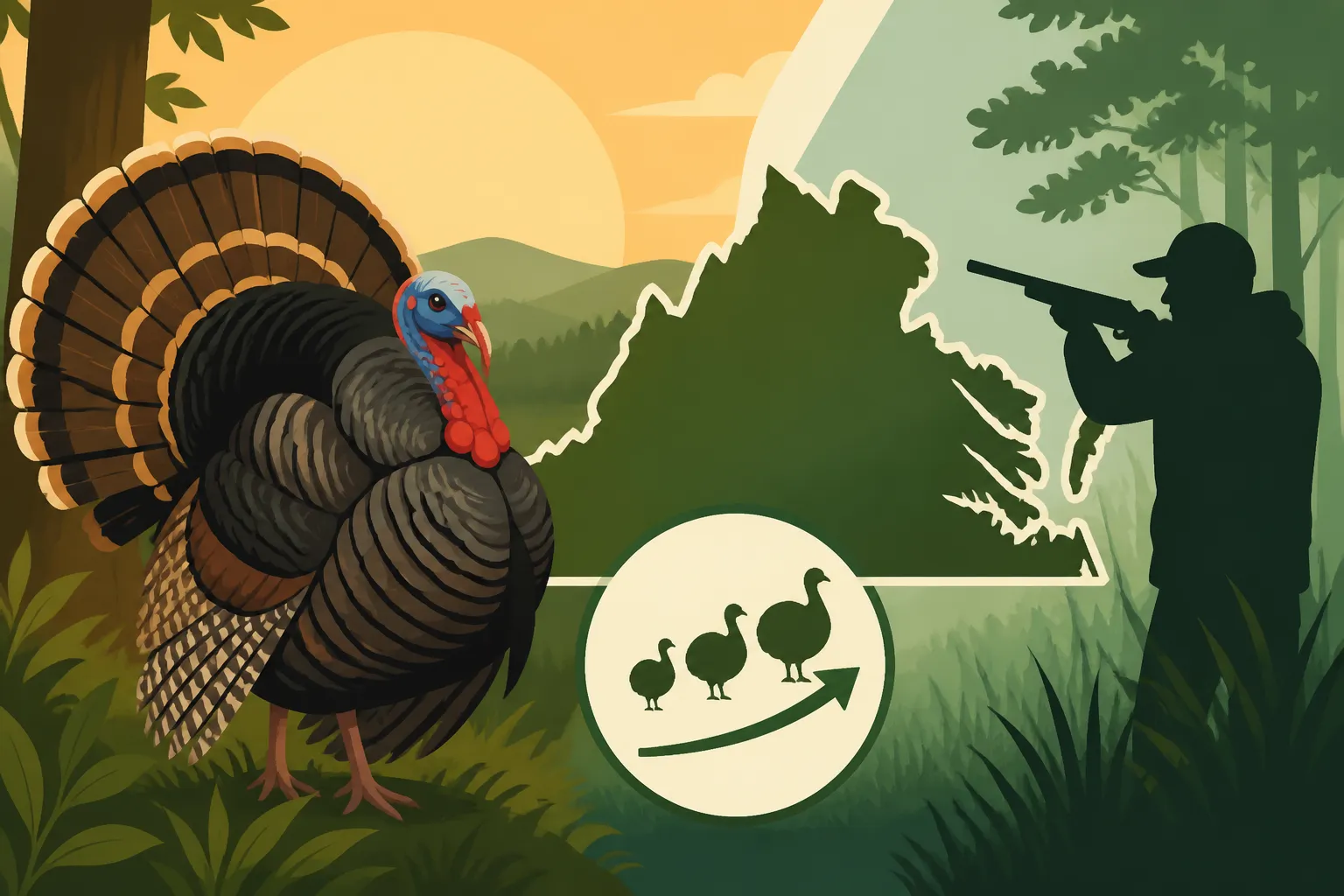
One of the most important metrics derived from those brood surveys is the "poult-to-hen ratio." This number gives wildlife managers a crucial snapshot of reproductive success for a given year. Simply put, it's the average number of poults observed per hen. If you see a lot of hens with big broods, that ratio will be high, indicating a good hatch and strong recruitment into the population. Conversely, a low ratio suggests poor nesting success or high poult mortality, which could lead to fewer birds on the landscape in the coming seasons.
Think of it like this: A healthy poult-to-hen ratio means a good class of young birds is coming up, replenishing the population. A couple of years of low ratios, and you might notice fewer two-year-old gobblers in the woods. These ratios help managers predict future population trends and adjust season lengths or bag limits if needed. It also gives hunters a heads-up about what to expect; a strong hatch year might mean more birds gobbling next spring, while a weak one might suggest a tougher hunt. You can often find summaries of these ratios in DWR reports, offering valuable insights into Poult-to-Hen Ratios and What They Mean.
Hunter Harvest Reports: A Crucial Piece of the Puzzle
Every turkey harvested in Virginia must be reported to the DWR. This isn't just bureaucratic red tape; it's a fundamental part of how the DWR monitors the health and distribution of the wild turkey population. When you report your bird, you provide data on the date, county of harvest, and whether it was a gobbler or a hen (if allowed). This information, aggregated across thousands of hunters, reveals critical trends. It shows which counties are seeing the most activity, what the overall success rates are, and how the harvest compares year after year.
Without accurate harvest reporting, the DWR would be flying blind. If fewer birds are reported in a specific region, it could signal a localized decline, prompting further investigation. Conversely, consistent high harvest numbers suggest a robust population. For us hunters, paying attention to the Virginia Turkey Harvest Numbers can offer clues about areas that are consistently productive, or those that might need a break. It reinforces the idea that every hunter plays a direct role in conservation through responsible reporting.
Virginia's Wild Turkey Journey: A History of Restoration and Growth
It's hard to imagine, given how common wild turkeys are in most parts of Virginia today, that they were once almost completely gone from the state. Their journey from scarcity to relative abundance is one of the greatest conservation success stories in North America, a testament to dedicated wildlife management and the resilience of these magnificent birds. Understanding this history helps us appreciate the health of the current population and why continued conservation efforts are so vital.
The Near Extinction and Resurgence
At the turn of the 20th century, wild turkeys were practically non-existent in Virginia, driven to the brink by unregulated market hunting and extensive habitat loss. Forests were cleared for agriculture, logging, and development, leaving very little suitable land for turkeys to thrive. It was a bleak time for many wildlife species, and the gobbler, once a symbol of the American wilderness, was a rare sight indeed. The few remaining birds clung to remote pockets of mountainous terrain.
The tide began to turn with the establishment of game laws, dedicated wildlife agencies, and, critically, intensive restoration efforts starting in the mid-20th century. Live-trapping and relocating turkeys from healthy populations to areas where they had been extirpated was the cornerstone of this success. Imagine the painstaking work of catching wild turkeys and moving them, often to completely new habitats, to re-establish a breeding population! This incredible effort, combined with improved habitat management, allowed turkeys to slowly but surely reclaim their ancestral lands, moving from the mountains back into the Piedmont and coastal plains. The story of How Turkeys Were Restored to Virginia is truly inspiring.
Habitat Management as a Foundation
The resurgence of Virginia's wild turkey population wasn't just about moving birds around; it was fundamentally about restoring and managing their habitat. Turkeys need a mosaic of different habitats to thrive: mature forests for roosting and foraging for mast crops like acorns, open woodlands with a healthy understory for nesting cover, and grassy fields or clearings for bugging and brood rearing. Without suitable habitat, even relocated birds won't survive or reproduce successfully.
The DWR, in cooperation with private landowners and federal agencies managing lands like the George Washington and Jefferson National Forests, has focused on creating and maintaining these diverse habitats. This includes prescribed burns to reduce undergrowth and promote new forage, selective timber harvests that create openings and regenerate young forest, and the protection of riparian corridors. When you're scouting your hunting grounds, whether it's public or private, understanding these habitat preferences can help you locate Where Virginia Gobblers Roost and feed, directly improving your odds.
Current Population Status and Distribution
Today, Virginia boasts a healthy and widespread wild turkey population, a far cry from the sparse numbers of a century ago. These birds can be found in virtually every county across the Commonwealth, from the rugged Appalachians to the agricultural fields of the Piedmont and the swampy lowlands of the Tidewater. While exact numbers are fluid and estimates vary, the population is generally considered stable and robust.
However, "stable" doesn't mean "static." Turkey populations, like all wildlife, experience localized fluctuations based on habitat quality, weather patterns, and predation pressure. Some regions might see higher densities than others. For example, while turkeys are abundant statewide, certain areas with prime habitat, like those found in the Piedmont, might offer particularly good hunting opportunities. Tools like those on GoHunt can help visualize habitat overlays and historic harvest data, allowing hunters to target areas where birds are historically more concentrated.
The Forces at Play: Factors Influencing Turkey Numbers Year-to-Year
While Virginia's wild turkey population is generally robust, it's never completely static. Several natural and environmental factors play a significant role in causing annual fluctuations, which can certainly impact our hunting experiences. Understanding these influences helps us put the DWR's population estimates into context and manages our expectations in the field.
Weather's Impact on Reproduction and Survival
If there's one thing that can make or break a turkey hatch, it's the weather during nesting and brooding season. A cold, wet spring can be devastating for turkey poults. Young turkeys are incredibly vulnerable to hypothermia and pneumonia in their first few weeks of life, and prolonged periods of rain or unseasonably cold temperatures can drastically reduce their survival rates. Hens might also abandon nests or have their eggs flooded out during severe spring storms.
Conversely, a warm, dry spring often translates to a banner year for turkey reproduction. Poults are better able to thermoregulate, disease risk is lower, and the insect populations they rely on for food are typically more abundant. These weather patterns directly influence the crucial Virginia Fawn Survival Rates and ultimately affect how many adult birds we see in the woods a year or two down the line. It's a prime example of how nature dictates the ebb and flow of wildlife populations, often leaving hunters to adapt to the cards Mother Nature deals.
Predation and Disease: Natural Population Controls
Predation is a constant reality for wild turkeys, from the egg stage all the way through adulthood. Raccoons, opossums, skunks, and snakes are notorious nest predators, while coyotes, bobcats, foxes, and even raptors like great horned owls and hawks prey on poults and adult birds. While predation is a natural part of the ecosystem, an unusually high predator population, especially when combined with poor nesting cover, can suppress turkey numbers in localized areas. These dynamics are part of the larger picture of Nest Predation and Virginia Turkey Hatches.
Diseases can also play a role, though typically on a more localized scale. Avian pox, blackhead disease, and other ailments can affect turkeys, particularly in areas of high density or stress. The DWR monitors for outbreaks and tracks the health of the flock, but it's another reminder that wild populations face constant challenges. Healthy habitats, however, generally lead to healthier birds that are more resilient to both predators and disease.
Habitat Changes and Human Development
Even with extensive forest land in Virginia, changes in habitat due to human activity can impact turkey populations. Urbanization and suburban sprawl consume vital wild spaces, fragmenting forests and reducing connectivity between suitable habitats. While turkeys are adaptable and can even thrive in suburban areas with good green spaces (which is great for those pursuing Hunting a Virginia Urban Archery Zone), extensive development can still limit their overall range and numbers.
On the flip side, ongoing habitat management efforts by the DWR and private landowners are crucial. Practices like timber stand improvement, creating early successional habitats, and planting beneficial food sources all work to enhance turkey survival and reproduction. Understanding how these land management practices shape the environment is key to finding productive areas when Scouting Virginia Public Land Before Season.
Beyond the Estimate: Practical Insights for the Virginia Turkey Hunter
Knowing the wild turkey population estimate is more than just an interesting statistic; it's a valuable piece of information that can inform your hunting strategies and even enhance your appreciation for Virginia's wildlife. While you might not see the raw numbers on every gobbler you encounter, the trends and factors behind them can guide your decisions in the field.
Focusing on Productive Regions and Habitats
While turkeys are found statewide, population densities aren't uniform. Areas with better habitat — a mix of mature hardwoods for roosting and foraging, open understory for nesting, and agricultural fields for bugging and strutting — will naturally hold more birds. Generally, the Piedmont region, with its diverse blend of timber and farmland, tends to be a stronghold for turkeys, often offering some of the Best Virginia Counties for Turkeys. Mountain counties, while sometimes tougher to navigate, also hold strong populations, especially in the vast national forests.
By reviewing regional population trends and harvest data, which the DWR makes available, you can pinpoint counties or even specific Wildlife Management Areas (WMAs) that consistently produce good numbers of birds. This doesn't mean ignoring other areas, but it helps you prioritize your scouting efforts and focus on locations with the highest potential. Using mapping tools, like those found on GoHunt, can help you identify areas with ideal turkey habitat, like mature timber adjacent to open fields or clear-cuts, allowing you to narrow down your search even before stepping foot in the woods.
Adapting Tactics to Local Bird Density
The local turkey population density in your hunting area should influence your hunting tactics. In areas with high bird numbers, you might encounter multiple gobblers, making run-and-gun tactics highly effective. You can move more freely, calling and listening for responses, knowing there's a good chance you'll strike a bird. This kind of aggressive approach, like Run-and-Gun Turkey Tactics on Public Land, can be incredibly exciting and productive.
However, in areas where turkey numbers are lower or birds are more pressured, a more patient, subtle approach might be necessary. Instead of constantly moving and loud calling, you might focus on setting up in known travel corridors, using softer calls, and waiting out a wary gobbler. Pay close attention to subtle signs like tracks, droppings, and dusting bowls. Understanding the overall population estimate for your region gives you a baseline expectation, helping you decide whether to be aggressive or patient on any given morning.
Becoming a Better Steward of Virginia's Wild Turkeys
Ultimately, understanding the Virginia turkey population estimate and the factors that influence it helps us become better conservationists. We recognize that these birds aren't just here by chance; they're the result of decades of dedicated management and careful stewardship. This knowledge encourages us to participate in surveys, accurately report our harvests, and support organizations that work to protect and enhance wild turkey habitat.
By respecting bag limits and season dates, and by learning more about the life cycle of the wild turkey, we contribute to their continued abundance. Whether you're a seasoned turkey hunter or just starting, taking the time to understand the science behind the management helps ensure that future generations will also have the opportunity to experience the thrill of a gobbler booming at first light in the Virginia woods. After all, the health of the population truly depends on all of us.
Disclaimer
This article is for general informational purposes only and does not constitute professional advice. Laws, prices and regulations vary by location and change over time. Consult a qualified professional for guidance on your specific situation.