Poult-to-Hen Ratios and What They Mean
One of the most frustrating things about turkey hunting in Virginia is when you've done all your scouting, learned Where Virginia Gobblers Roost, and feel ready for opening day, only to find the woods eerily silent or see far fewer birds than you expected. You start to wonder if something bigger is at play, and often, it is. This guide will dive deep into poult-to-hen ratios, explaining what they mean for Virginia's wild turkey population, how these numbers are gathered, and most importantly, how understanding them can shape your hunting strategy for a more successful season.
Understanding Poult-to-Hen Ratios
When we talk about the health of Virginia's wild turkey population, especially regarding future hunting seasons, one of the most critical indicators wildlife biologists look at is the poult-to-hen ratio. It might sound like a technical term, but it's really quite simple: it’s the number of young turkeys (poults) observed per adult female turkey (hen). This seemingly small piece of data paints a huge picture about the reproductive success of the flock in a given year and the recruitment of new birds into the population.
The Basics of Turkey Reproduction
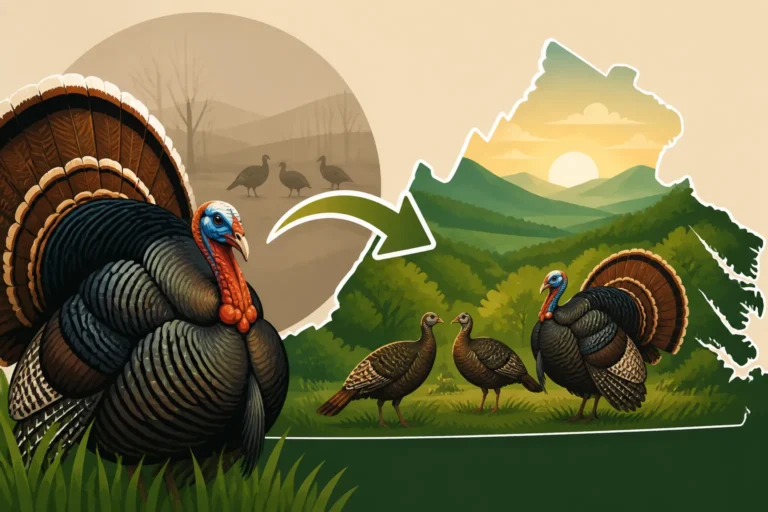
Wild turkeys, like many game species, rely on successful breeding seasons to maintain healthy populations. Hens typically lay a clutch of eggs in the spring, incubate them, and then lead their hatchlings—the poults—through the vulnerable early weeks of life. A strong hatch means more young birds survive to adulthood, which replenishes the population and provides more opportunities for hunters down the line. Conversely, a poor hatch means fewer young birds making it, which can signal a downturn in the local flock and potentially impact hunting success for a few years.
Think of it like this: if you have a neighborhood where every family has several healthy kids, that community is thriving. But if you see very few children, or many seem sickly, you'd start to worry about the future of that community. For turkeys, the poult-to-hen ratio gives us that exact snapshot of "family health." It's not just about the number of hens, but how many successful hens are contributing to the next generation. It’s a measure of their productivity, not just their presence. This ratio helps biologists and hunters alike understand the boom and bust cycles that are a natural part of wild turkey dynamics.
Why This Ratio is a Key Indicator
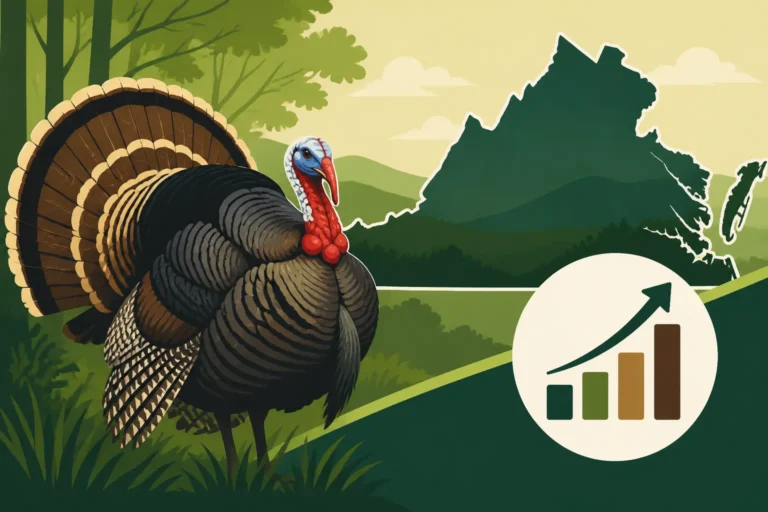
The poult-to-hen ratio is more than just an interesting statistic; it's a vital piece of the puzzle for long-term turkey management and, by extension, for us hunters. A high ratio, let's say 3 or 4 poults per hen, suggests a robust nesting season, good poult survival, and a healthy influx of young birds that will mature into jakes and then gobblers in the coming years. This is the kind of news that gets turkey hunters excited, as it usually means better hunting prospects in future seasons, perhaps even more opportunities to chase those gobblers when Virginia Spring Turkey Season Rules are in effect.
On the flip side, a low ratio, maybe 1 or 0.5 poults per hen, is a cause for concern. It indicates that reproduction was poor, or poult survival was low, leading to fewer young birds joining the flock. This can translate directly into fewer birds on the landscape in the following seasons, making hunting more challenging. It’s a predictor for what might happen to the overall Virginia Turkey Population Estimate and gives us a heads-up if we might need to adjust our expectations or even our hunting tactics in subsequent years. The ratio isn't just a number; it's a forecast of the turkey hunting conditions ahead.
How Poult-to-Hen Ratios are Calculated and Monitored in Virginia
The Virginia Department of Wildlife Resources (DWR) doesn't just guess at these numbers; they have established methods to gather this crucial data. This information is vital for managing turkey populations across the Commonwealth, ensuring sustainable hunting opportunities for years to come. Knowing how these figures are collected can help you appreciate the science behind turkey management and even inform your own scouting efforts.
Virginia DWR Survey Methods
The DWR relies primarily on voluntary observations from a network of dedicated cooperators, which often include hunters, landowners, and other outdoor enthusiasts. Each summer, typically from July to August, these volunteers are asked to report any turkey flocks they observe. For each sighting, they record the total number of adult hens, the number of gobblers, and crucially, the number of poults seen. These sightings are collected over a specified period, usually an entire month, and then compiled.
This isn't just a casual tally; DWR staff then analyze these reports, ensuring data quality and accounting for potential biases. By collecting a large volume of observations across various regions of the state, they can generate a representative average poult-to-hen ratio for Virginia. This broad effort gives them a clearer picture of the statewide trend, as well as specific insights into regional performance. Tools like the Scouting With the Virginia DWR App can sometimes facilitate this data collection or provide insights into where to find this kind of information after it's compiled.
Annual Fluctuations and Regional Differences
It's rare to see a perfectly consistent poult-to-hen ratio year after year, or even across all regions within Virginia. These numbers naturally fluctuate due to a variety of factors, which we'll explore in more detail later. One year might see an excellent hatch across the entire Piedmont, while the mountains might struggle due to a harsh spring. These localized successes or failures are why the DWR breaks down their data not just statewide, but often by geographic regions, offering a more nuanced understanding.
For instance, one year, the tidewater region might report a fantastic ratio, while areas west of the Blue Ridge might show a dip. Understanding these regional variations is incredibly important for hunters. If you primarily hunt in Augusta County, knowing the statewide average isn't as helpful as knowing the specific ratio for the Shenandoah Valley or the western mountains. It helps temper expectations and can even influence where you might focus your efforts for a better chance at filling your tag. This dynamic nature underscores why staying informed about the DWR's annual reports is a smart move for any dedicated turkey hunter.
Interpreting Poult-to-Hen Ratios for Your Hunting Strategy
Once you understand what poult-to-hen ratios are and how they're gathered, the next logical step is figuring out what these numbers actually mean for you, the hunter. These ratios aren't just for biologists; they provide invaluable clues that can significantly impact how you approach your spring and fall turkey seasons in Virginia.
Impact on Spring Gobbler Hunting
The poult-to-hen ratio from the previous summer directly influences the abundance of jakes and two-year-old gobblers you'll encounter in the spring. A high poult-to-hen ratio from the previous year means more jakes will be roaming the woods, eager and often easier to call in. These younger birds can offer fantastic hunting opportunities, especially for those new to the sport or looking to fill their tag quickly. Similarly, a strong hatch two years prior translates to a healthy population of mature, two-year-old gobblers, which are often the prime target for many spring hunters. If you're wondering Virginia Turkey Population Trends, these ratios are your crystal ball.
Conversely, a low poult-to-hen ratio means fewer jakes and two-year-old gobblers will be available. In such years, the hunting can be significantly tougher. Gobblers might be more spread out, less responsive to calls due to less competition, or simply fewer in number overall. This might necessitate a shift in tactics, perhaps focusing more on locating birds by Calling a Virginia Gobbler Off the Roost rather than relying on aggressive calling sequences to bring them running. It's in these leaner years that every little bit of information, like regional poult data, becomes even more valuable for making smart decisions afield.
Let's look at an example using a table to illustrate:
| Poult-to-Hen Ratio (Previous Year) | Expected Impact on Spring Hunting (Current Year) | Suggested Hunting Strategy Adjustment |
|---|---|---|
| High (3.0+) | Abundant jakes and 2-year-old gobblers. Good carryover of older birds. | Focus on aggressive calling, covering ground. Good for Run-and-Gun Turkey Tactics on Public Land. |
| Moderate (1.5 – 2.9) | Solid numbers of jakes and gobblers. Stable population. | Standard tactics. Adapt to bird behavior. Good year to refine your skills. |
| Low (< 1.5) | Fewer jakes and 2-year-old gobblers. Potentially challenging. | More scouting for specific birds, subtle calling, patience, careful setups. |
Long-Term Trends and Future Planning
Beyond the immediate impact on the next spring season, poult-to-hen ratios contribute to our understanding of long-term trends in Virginia's wild turkey populations. Consistent low ratios over several years can signal deeper issues, such as habitat degradation, increased predation, or disease, which might lead to changes in Virginia Spring Turkey Season Rules or bag limits down the road. This is where organizations like DWR, and even services like GoHunt, provide aggregated data that helps us see the bigger picture.
For hunters, observing these trends can help you make long-term plans. If you see a consistent decline in your favorite hunting area's ratio, you might explore new grounds or consider getting involved in habitat improvement projects. On the other hand, sustained high ratios might indicate a thriving area where careful management is paying dividends, suggesting it's a prime spot for consistent hunting success. Regularly checking the annual DWR turkey reports or utilizing tools that track this data can give you an edge in forecasting what the woods might hold for seasons to come.
Factors Influencing Poult-to-Hen Ratios
Poult-to-hen ratios don't just happen by magic; they are the result of a complex interplay of environmental factors. Understanding these influences can help explain why some years are fantastic for turkeys while others are less so, and it also highlights the critical role habitat and weather play in the lives of these magnificent birds.
Weather Patterns and Hatch Success
Perhaps the most significant external factor affecting poult-to-hen ratios is the weather during the nesting and brooding periods. A cold, wet spring can be absolutely devastating for turkey nests and young poults. Eggs are vulnerable to chilling and flooding, and newly hatched poults, which cannot regulate their body temperature very well, are highly susceptible to hypothermia and pneumonia if they get wet and cold. Heavy rains can also wash away essential insect food sources that young poults rely on for protein.
Conversely, a warm, dry spring typically leads to much higher hatch rates and better poult survival. Sunny days allow poults to dry quickly and forage effectively, while warmer temperatures reduce the energy needed for thermoregulation, allowing them to put more energy into growth. This is why you often hear experienced hunters talking about "good hatch years" or "bad hatch years" based on the preceding spring weather. When you see a strong report on poult-to-hen ratios, you can almost guarantee the spring weather was favorable for nesting and brooding.
Predation and Habitat Quality
Beyond the weather, predation plays a massive role in poult-to-hen ratios. Nests are vulnerable to a wide array of predators, including raccoons, opossums, snakes, skunks, and even larger animals like coyotes and bobcats. A high rate of Nest Predation and Virginia Turkey Hatches means fewer eggs make it to hatching. Once hatched, poults are also prey for hawks, owls, foxes, and other small predators. The abundance of these predators in a given area can significantly impact poult survival, regardless of how good the weather was.
Habitat quality is intrinsically linked to both nesting success and predator impacts. Areas with dense undergrowth, mature timber, and a diverse array of plant life provide better cover for nesting hens, making their nests harder for predators to find. Good habitat also offers a rich food source for poults, providing the insects and berries they need to grow quickly and become less vulnerable. On the other hand, fragmented or poor habitat leaves nests and poults exposed, making them easier targets. Land management practices, such as prescribed burns or timber thinning, can be crucial in creating the ideal habitat needed for strong turkey reproduction, and tools available through platforms like GoHunt can help identify areas with suitable habitat features. If you are hunting in regions with varied terrain, such as those found in Turkey Tactics for Piedmont Field Edges, you'll notice how critical good edge habitat is for successful broods.
Monitoring Your Local Flock and Planning Your Hunt
Understanding statewide poult-to-hen ratios is a fantastic starting point, but it's even more powerful when combined with your personal observations and local knowledge. Virginia's diverse landscape means that conditions can vary dramatically from one county to the next, so supplementing the official data with your own boots-on-the-ground scouting can make a real difference in your hunting success.
Personal Observation and Scouting
While the DWR conducts extensive surveys, nothing beats your own eyes and ears in your preferred hunting grounds. Throughout the late summer and early fall, pay close attention to the number of poults you see with hens. Are there big broods of 8-10 young birds trailing a single hen, or are you seeing solitary hens, or hens with only one or two surviving poults? Documenting these sightings, perhaps in a hunting journal or using a digital mapping application, can give you immediate, hyper-local data on how successful the hatch was in your specific area.
This type of personal scouting is invaluable. If the statewide report indicates a poor hatch, but you're consistently seeing strong broods on the public land you hunt, then you know your particular area might be an exception. This localized information can influence your decision to focus heavily on that spot or, conversely, to spend more time exploring new ground if your usual areas seem to be struggling. Combining the DWR's broad overview with your own detailed observations, perhaps even marking promising brood-rearing cover using a mapping tool like GoHunt, creates a powerful hunting strategy.
Using Data for Strategic Hunting Decisions
When the poult-to-hen ratios are released, consider how they align with your hunting goals. If the ratio is high, and you're seeing a lot of jakes, this might be a great year to introduce a new hunter to the sport, as jakes are often more forgiving targets. If the ratio is low, and mature gobblers are likely to be fewer and further between, you might need to adjust your expectations and adopt more patient, strategic methods, such as extensive pre-season Virginia Turkey Harvest Numbers research or using subtle calls.
Furthermore, if you hunt in multiple regions, compare the regional poult-to-hen data. If your usual hunting spot in Southwest Virginia had a tough hatch, but the Piedmont experienced a banner year, you might consider shifting your focus to a different part of the state if possible. This isn't just about finding more birds; it's about making informed decisions that maximize your chances of success and enjoyment, even when conditions are less than ideal. The more data points you have, from statewide trends to local sightings, the better equipped you'll be to make those crucial choices when planning your next Virginia turkey hunt.
Disclaimer
This article is for general informational purposes only and does not constitute professional advice. Laws, prices and regulations vary by location and change over time. Consult a qualified professional for guidance on your specific situation.