Layering for a Virginia Deer Stand
There's nothing quite like the crisp air of a Virginia deer season morning, but boy, can that air turn on a dime! One moment you're shivering, the next you're sweating, and staying comfortable and focused on your deer stand can feel like a constant battle against the elements. This guide is all about mastering the art of layering your hunting clothes, ensuring you stay warm, dry, and stealthy, no matter what surprises Virginia's weather throws your way.
Understanding Virginia's Weather Whims for Deer Hunting
Virginia is a beautiful state, but its weather during deer season can be notoriously unpredictable. From the humid early archery days to the bone-chilling late-season firearm hunts, you can experience a huge range of temperatures and conditions. Understanding these fluctuations is the first step in building an effective layering system that keeps you comfortable and on the stand longer.
Early Season Swings: From Summer Heat to Crisp Autumn
When Virginia's statewide archery season opens, especially in early October, it can still feel a lot like late summer. Those pre-dawn walks to the stand might have a cool bite, perhaps in the low 50s, but as soon as the sun clears the horizon and starts beating down, temperatures can rapidly climb into the 70s, or even 80s. You're trying to stay still and quiet, but a heavy jacket from the morning chill quickly becomes a sweaty furnace. This early season period demands a layering strategy that allows for significant shedding of clothing without compromising concealment. You might be walking a long way in to your spot, generating a lot of body heat, only to sit still for hours. That transition from active walking to passive sitting is where a lot of hunters get it wrong, sweating on the way in and then freezing once they cool down.
The challenge here isn't just temperature; it's also humidity. Those warm days can hold a lot of moisture, and if you're sweating, that moisture can cling to your clothes, making you feel clammy and uncomfortable. Then, when the evening chill comes, that dampness can make you feel even colder. It's a common frustration for hunters, often leading to shorter sits or premature bailing out of the stand. Effective layering for this period means prioritizing moisture-wicking properties and the ability to easily strip down to lighter garments.
The Peak Rut's Unpredictable Chill
November brings the peak of the rut to much of Virginia, and with it, some truly magnificent hunting opportunities. However, the weather during this time can be a wild card. You might wake up to frost on the ground, temperatures in the 20s or 30s, and bright, sunny skies, perfect for an all-day sit. But then, a cold front might blow through, bringing with it biting winds, sleet, or even an unexpected early snow shower. Just as quickly, a warm front can push through, making you wonder if you're back in October.
These mid-season swings mean you need versatility. You're likely trying to spend as much time as possible in your stand, especially during those critical morning and evening hours when deer are most active. A system that can adapt from a frigid morning to a milder afternoon, and then back to a freezing sunset, is invaluable. Many hunters make the mistake of dressing for the absolute coldest part of the day and then find themselves overheating and sweating when conditions improve, creating a cycle of discomfort.
Late Season's Deep Freeze and Dampness
As December rolls around and pushes into January, Virginia's late season can be truly brutal. The temperatures drop significantly, often staying below freezing for extended periods, especially in the mountains west of the Blue Ridge. Wind becomes a major factor, cutting through thin clothing like a knife. Beyond the cold, the late season often brings damp, overcast days, with freezing rain, drizzle, or wet snow. This combination of cold and moisture is a hunter's worst enemy, as wet clothes lose their insulating properties rapidly, leading to dangerous hypothermia risks.
Sitting still for hours in a stand during these conditions requires serious thermal protection and robust waterproofing. This is when your layering system is truly put to the test. You're less concerned about shedding layers quickly and more focused on trapping every bit of body heat while keeping external moisture at bay. The emphasis shifts heavily towards maximum insulation and impermeable outer shells, along with Insulated Boots for All-Day Sits and other extreme weather gear.
The Foundational Base Layer: Your First Defense
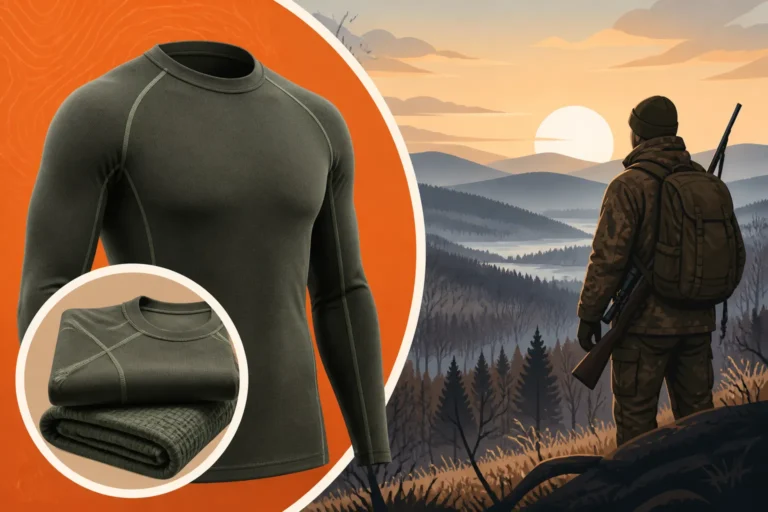
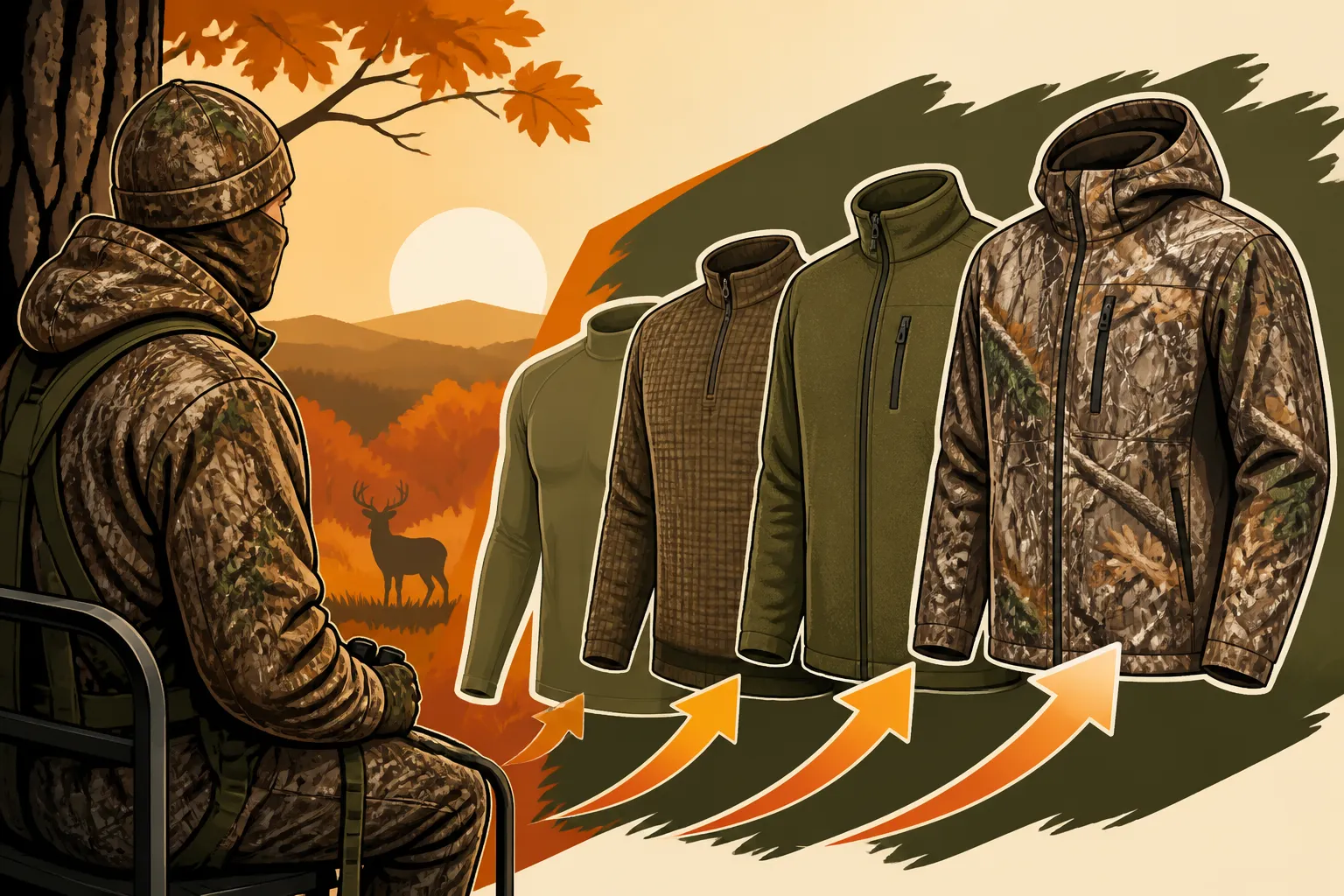
Think of your base layer as the engine of your layering system. Its primary job isn't necessarily to add warmth (though some do), but to manage moisture. This is absolutely critical in Virginia, where you can work up a sweat walking in, even on a cold day, and then sit still for hours. If that sweat stays on your skin, it will cool down, making you feel miserably cold.
Wicking Wonders: Synthetics vs. Merino Wool
When it comes to base layers, you're essentially looking at two main contenders: synthetics and merino wool. Both excel at wicking moisture away from your skin, but they do it in slightly different ways and have distinct characteristics that make them suitable for various situations.
Synthetics, often made from polyester or polypropylene, are fantastic at rapidly moving sweat off your skin and pushing it to the outer surface of the fabric where it can evaporate. They dry incredibly fast, which is a huge plus if you get caught in a shower or work up a significant sweat. They're also usually more affordable and very durable. The downside for hunters can be odor retention; synthetics tend to hold onto body odor more than wool, which can be a concern if you're serious about scent control. Many brands now infuse their synthetic fabrics with antimicrobial treatments to combat this, which helps considerably. For a long walk into your stand on a mild archery day, a lightweight synthetic top and bottom can be just what you need to stay dry and comfortable as you hike.
Merino wool, on the other hand, is nature's marvel. It's renowned for its incredible warmth-to-weight ratio, even when wet, and its natural ability to resist odor. This is a game-changer for multi-day hunts or when you need to be especially cautious about scent. Merino wool fibers have a complex structure that can absorb a significant amount of moisture vapor before feeling wet, and it continues to insulate even when damp. The biggest perceived downsides are typically cost and durability; merino can be more expensive and sometimes less resilient to snags and tears than robust synthetics. However, quality merino base layers are remarkably tough and worth the investment for comfort and stealth. For a cold, damp November morning where you know you'll be sitting for hours, a mid-weight merino base layer offers unparalleled warmth and comfort, without that clammy feeling if you do sweat a little on the way in. It's often debated in articles like Wool Versus Synthetics in Mountain Cold because both have their merits depending on specific conditions.
The Importance of a Snug Fit
Regardless of whether you choose synthetic or merino, the fit of your base layer is paramount. It needs to be snug against your skin, but not so tight that it restricts movement or circulation. The reason for this close contact is simple physics: for the fabric to effectively wick moisture away, it needs to be directly in contact with your skin. If it's too loose, there will be air gaps where sweat can linger, defeating the purpose of the wicking material.
A well-fitting base layer acts like a second skin, creating a microclimate that helps regulate your body temperature. It pulls moisture away from you, preventing that chilling effect when you stop moving. Conversely, if your base layer is baggy, it won't be able to do its job properly. Imagine walking into a stand on a chilly morning with a loose base layer; the sweat forms on your skin, but the fabric isn't quite touching it to pull it away. Then, as you sit, that moisture cools, making you shiver. Take the time to try on different brands and sizes to find a base layer that feels comfortable and close-fitting without being restrictive. This snug fit also minimizes bulk, allowing your other layers to fit properly over it without feeling cumbersome.
The Insulating Mid-Layer: Trapping Warmth
Once your base layer is handling moisture, your mid-layer steps in to provide the critical warmth. This is where you really start to dial in your insulation based on the expected temperatures and your activity level. The goal of this layer is to trap air, which your body then heats, creating a protective barrier against the cold.
Fleece and Down: Material Choices for Virginia
For your mid-layer, you'll primarily be looking at materials like fleece, down, or synthetic insulation. Each has its strengths and weaknesses for the varied conditions of Virginia hunting.
Fleece, typically made from polyester, is a perennial favorite for good reason. It's relatively inexpensive, durable, and provides excellent warmth even when slightly damp. It's also very breathable, which can be a double-edged sword: great for active hunting as it prevents overheating, but not as wind-resistant for static sits unless it's a very dense weave. Fleece comes in various weights, from lightweight microfleece perfect for mild days or highly active hunts to heavier pile fleeces for colder conditions. It's a versatile choice for bridging the gap between your base and outer shell. A medium-weight fleece jacket or vest can be a go-to piece for many hunters, offering flexibility to layer up or down as needed during a hunt.
Down insulation, usually goose or duck feathers, offers the highest warmth-to-weight ratio available. It's incredibly compressible, making it easy to pack, and exceptionally warm for its bulk. The major drawback with down is its performance when wet; once soaked, down loses nearly all its insulating properties and takes a long time to dry. This makes it a riskier choice for damp, rainy Virginia days unless it's protected by a highly waterproof outer shell. However, for dry, cold conditions, especially Cold-Weather Sitting Strategy in the Mountains, a quality down vest or jacket is hard to beat for trapping heat while minimizing bulk. Many modern down products now feature water-resistant treatments on the feathers, improving their performance in damp conditions, but they are still not waterproof.
Synthetic insulations (like PrimaLoft or Thinsulate) offer a fantastic compromise. They mimic many of down's benefits, like high warmth-to-weight and compressibility, but crucially, they retain much of their insulating power even when wet. This makes them an excellent choice for Virginia's often damp and unpredictable cold weather. Synthetic insulation is also hypoallergenic and often more affordable than down. It might not pack down quite as small as high-fill-power down, but its reliability in wet conditions often outweighs that slight difference for many hunters. A synthetic insulated jacket or vest is a robust option that gives you peace of mind whether it's dry and frigid or spitting freezing rain.
Strategic Placement for Maximum Warmth
It's not just about what you wear, but how you wear it. Strategic placement of your mid-layers is key to optimizing warmth and mobility. Instead of throwing on one huge, bulky mid-layer, consider using two lighter ones. This creates more air pockets, which actually trap more heat, and offers greater flexibility. For example, you might wear a lightweight fleece shirt over your base layer, and then a synthetic insulated vest over that. If you start to warm up, you can shed the vest, or if it gets colder, you can add a full insulated jacket.
Pay attention to your core. Keeping your torso warm is paramount because your body will prioritize sending heat to your vital organs. A good vest is an underrated piece of mid-layer gear because it keeps your core toasty while allowing your arms full range of motion for shooting a bow or shouldering a rifle. When you're sitting still, especially during Hunting the Rut West of the Blue Ridge or in windy conditions, layering a vest over a long-sleeve insulated shirt, and under your outer jacket, can make a huge difference in sustained comfort. Also, remember that compressing your mid-layers, either by wearing a too-tight outer layer or by sitting on them in a stand, reduces their insulating power by squeezing out those vital air pockets. Make sure your layers have room to breathe and loft.
The Protective Outer Layer: Shielding from the Elements
Your outer layer is your shield against the full assault of Virginia's weather. It's what protects your carefully constructed inner layers from wind, rain, and snow, ensuring they can do their job of keeping you warm and dry. This layer needs to be tough, effective, and crucially, quiet.
Waterproof and Windproof Shells
When you're dealing with Virginia's unpredictable weather, a truly waterproof and windproof outer shell isn't just a nice-to-have; it's a necessity. A good shell will block biting winds from penetrating your insulating layers, which can instantly steal your body heat through convection. It will also shed rain and snow, preventing your mid-layers from getting soaked and losing their thermal efficiency.
Look for jackets and pants that feature reputable waterproof/breathable membranes. While no fabric is truly "waterproof" forever under extreme pressure, technologies like Gore-Tex, Pertex Shield, or proprietary brand membranes offer excellent protection. The "breathable" aspect is just as important as the waterproof. It allows some of the internal moisture vapor (your sweat) to escape, preventing you from getting clammy and wet from the inside out. Without breathability, even a waterproof jacket will leave you feeling damp from your own perspiration.
For days when rain isn't expected but wind is a concern, a softshell jacket can be a great option. These are typically highly wind-resistant and water-repellent (meaning they'll shed light rain but won't hold up in a downpour), and often much quieter and more flexible than hardshell waterproof jackets. However, for those bone-soaking late-season drizzles or freezing rain, Rain Gear for a Virginia Downpour that is fully waterproof is absolutely non-negotiable.
The Silent Factor: Avoiding Noisy Fabrics
For deer hunting, silence is golden. A rustling jacket can spook a wary whitetail long before you ever get a shot opportunity. This is where many hunters make a critical mistake, choosing a highly waterproof but incredibly noisy outer layer. Imagine trying to draw your bow on a deer at 20 yards, and every slight movement sounds like you're rummaging through a bag of potato chips. It's a nightmare.
When selecting your outer layer, prioritize quiet fabrics. Many hunting-specific brands use brushed polyester, fleece, or proprietary silent fabrics that are designed to minimize noise, even when moving in cold temperatures. While some hardshell waterproof materials can be inherently crinkly, technological advancements have led to quieter options, often integrating softer face fabrics over the waterproof membrane.
Always test your outer layer for noise. Put it on, walk around, draw your bow or shoulder your rifle, and rub your arms together. Do this in conditions similar to what you'll encounter in the woods, as cold weather can make some fabrics even noisier. This stealth factor is particularly important for archery hunting, where deer are often much closer, and their senses are on high alert. Even for firearms hunting, you don't want to alert a deer to your presence before you're ready, especially if it's feeding or just out of range. Don't let a noisy jacket ruin your hunt; invest in outer layers that allow you to move and operate silently.
Accessory Layers: Hands, Head, and Feet
It's easy to focus on your torso and legs, but neglecting your extremities—your hands, head, and feet—is a common mistake that can quickly lead to misery on the stand. These areas are crucial for regulating your overall body temperature, and if they get cold, your entire body will feel it.
Keeping Extremities Warm and Functional
Your hands are vital for operating your weapon, rangefinder, and other gear. Cold, numb fingers can make it impossible to execute a clean shot or even hold your binoculars steady. The key here is a system that offers both warmth and dexterity. Many hunters find success with a layering approach for their hands: a thin, fitted glove liner (often merino or synthetic) for warmth and fine motor skills, paired with a warmer, insulated mitten or a larger "shoot-through" mitten that can be easily pulled back when it's time to shoot. For serious cold, a hand muff with chemical Hand Warmers That Last a Full Sit can be a lifesaver, providing a warm pocket to retreat to when not actively manipulating gear.
Your head is a major source of heat loss, often accounting for a significant percentage of your body's heat escaping. A warm hat, beanie, or balaclava is non-negotiable in cold weather. Look for options made from wool, fleece, or synthetic blends that offer good insulation without being overly bulky. A balaclava is particularly useful as it can protect your neck and face from biting winds, which is especially important during late-season hunts. Don't forget the importance of your neck; a gaiter or neck warmer can make a huge difference in keeping your core warm by preventing heat loss from this exposed area.
For your feet, good insulation and moisture management are key. Start with quality wool or synthetic socks that wick moisture away from your feet. Avoid cotton socks at all costs, as cotton absorbs moisture and loses all insulating properties when wet. Layering socks can work, but avoid making your boots too tight, as this restricts circulation and will make your feet colder. Combine your socks with insulated, waterproof boots, especially when hunting in damp or snowy conditions. Proper boot fit is crucial, allowing for adequate circulation while providing warmth. Think about Boots for Virginia Swamps and Ridges if you're hunting bottomlands, or robust, well-insulated models for mountain sits.
Adapting Accessories to Changing Conditions
Just like your core layers, your accessories need to be adaptable. You might start a morning hunt with a heavy insulated hat and mittens, but as the sun comes up and temperatures rise, or if you're actively still-hunting, you might need to swap to a lighter beanie and gloves to prevent overheating.
For hands, consider pairing a thin glove with a larger, thicker over-mitten. You can slip your hands into the warm over-mitten when sitting still, then pull them out to reveal your thinner gloves for shooting. This gives you dexterity when you need it and serious warmth when you don't. Similarly, having a neck gaiter that can be pulled up over your face or down around your neck gives you flexibility to adapt to wind shifts or temperature changes. Wind and Thermals on a Blue Ridge Slope can change rapidly, and having flexible head and neck protection means you're always ready.
It's wise to pack spare gloves and socks in your hunting pack. If your first pair gets wet from sweat, rain, or an accidental dip in a creek, having a dry backup can be the difference between a miserable, cut-short hunt and a comfortable, successful one. Being able to change into dry socks mid-day is a small luxury that pays huge dividends in comfort and focus. Think of your pack, perhaps from Packs for a Jefferson Forest Day Hunt, as your mobile wardrobe, always ready for a weather change.
The Art of Adjusting: On the Stand and In the Woods
Mastering the theory of layering is one thing; putting it into practice in the field is another. The real art lies in knowing when and how to adjust your layers to maintain optimal comfort and stealth throughout your hunt. It’s about being proactive, not reactive, to the weather and your own body heat.
Packing Smart for the Day's Hunt
Before you even step out the door, a smart packing strategy is crucial. Don't just throw on every warm item you own. Instead, dress light enough for the walk in, knowing you'll generate significant body heat. Your heavier, bulkier insulating layers should be packed in your backpack. This prevents you from sweating excessively during your hike to the stand. Excessive sweating means damp clothes, and damp clothes mean you'll get cold much faster once you stop moving.
Think about the specific conditions you'll face. Is it an early archery morning where temperatures will swing 30 degrees? Pack a light base layer, a medium fleece mid-layer, and a packable rain jacket. Is it a late-season rifle hunt with sustained cold? You'll still dress light for the walk, but your pack will hold much heavier insulation, maybe a thick synthetic puffy jacket and insulated pants to pull over your existing layers. Many seasoned Virginia hunters use the GoHunt app to check precise hourly forecasts for their hunting location. This granular data helps in making informed decisions about what to wear and what to pack. Knowing the wind direction and expected thermal shifts from tools like GoHunt can further refine your layering choices, especially if you anticipate a long sit.
Organize your pack so that frequently needed items or layers you expect to add/shed are easily accessible. You don't want to be fumbling around, making noise, trying to find your hat or an extra jacket when a deer is approaching. Consider using compression sacks for bulkier items to save space. Always include Rain Gear for a Virginia Downpour, even if the forecast looks clear; Virginia weather loves to surprise you.
When and How to Add or Shed Layers
The key to successful layering is managing your body temperature before you get too hot or too cold. As you hike to your stand, you'll feel yourself warming up. Don't wait until you're sweating profusely. If you start to feel warm, shed a layer. It's much easier to put a dry layer back on than to try and warm up a sweat-soaked one. Once you arrive at your stand, take a few minutes to cool down, perhaps take off your hat and unzip your jacket, before adding your static insulating layers. This allows your core temperature to stabilize and your base layers to wick away any remaining moisture.
For a long sit, especially during Hunting the Virginia Rut in November, you might find yourself adding or shedding layers multiple times throughout the day. When the sun comes up, you might take off a mid-layer. When the shadows lengthen and the wind picks up, you'll put it back on, possibly adding a heavier outer shell. Pay attention to subtle cues from your body: a slight chill on your back might mean it's time to zip up, or if you feel a little too warm, crack open your outer jacket or remove your hat.
When shedding layers, fold them neatly and place them in your pack to keep them clean, dry, and ready for when you need them again. Avoid leaving them hanging on branches where they can get wet, dirty, or even lost. And remember, while Scent Control Gear for Urban Archery Hunts is a distinct category, keeping your layers clean and dry is a part of managing your scent profile, as wet clothes can harbor more odor-causing bacteria. By proactively managing your layers, you stay comfortable, you stay quiet, and you stay on the stand, increasing your chances of success during Virginia's diverse hunting seasons.
| Layer Type | Primary Function | Common Materials | Key Benefits | Considerations for Virginia Hunting |
|---|---|---|---|---|
| Base Layer | Moisture Management | Merino Wool, Synthetics | Wicks sweat, odor resistance (merino), quick-dry (synthetics) | Choose based on odor needs and activity level; snug fit is essential. |
| Mid Layer | Insulation, Warmth | Fleece, Down, Synthetics | Traps body heat, lightweight, compressible | Fleece for versatility; synthetics for dampness; down for dry cold. |
| Outer Layer | Weather Protection | Waterproof/Windproof Shells, Softshells | Blocks wind, rain, snow, maintains warmth | Prioritize quiet fabrics; waterproof for rain, softshell for wind. |
| Accessories | Extremity Protection | Wool, Fleece, Synthetics | Prevents heat loss from hands, head, feet; aids dexterity | Layer gloves; warm hat; moisture-wicking socks + insulated boots. |
Disclaimer
This article is for general informational purposes only and does not constitute professional advice. Laws, prices and regulations vary by location and change over time. Consult a qualified professional for guidance on your specific situation.