Keeping Powder Dry in Wet Weather
There's nothing quite like the crushing disappointment of a crisp morning hunt, perfectly set up, only to have a shot opportunity ruined by a "click" instead of a "bang." We've all been there, or at least heard the stories: the rain starts subtly, then turns into a steady drizzle, and before you know it, your carefully loaded muzzleloader or even your scope becomes a soggy liability. Hunting in Virginia means embracing all kinds of weather, from brilliant sunshine to bone-chilling rain and even snow, and learning how to keep your critical gear, especially your powder, dry is absolutely paramount for a successful and safe outing. This guide is all about equipping you with the knowledge and tactics to beat the damp and keep your hunting dreams from getting soaked.
The Real Struggle of Wet Weather Hunting in Virginia
Virginia's diverse landscape, from the Appalachian Mountains to the humid coastal plains, means hunters are constantly battling the elements. One day you might have clear skies and calm winds, and the next, a heavy fog or persistent rain rolls in, seemingly out of nowhere. This unpredictable weather isn't just an inconvenience; it can directly impact your hunting success and even your safety, especially when it comes to keeping your firearms, particularly muzzleloaders, operational.
Why Moisture is the Muzzleloader Hunter's Nemesis
For those of us who cherish the tradition of Muzzleloader Deer Hunting in Virginia, moisture is truly public enemy number one. A muzzleloader, by its very nature, relies on an exposed ignition system and a powder charge loaded from the muzzle. This design, while classic, leaves it incredibly vulnerable to the smallest amount of moisture. Think about it: a cap sitting on a nipple, or a primer in a breech plug, is the gateway to your shot. If water gets in there, even a tiny drop, it can prevent ignition. The result is a misfire, a lost opportunity, and a deeply frustrating experience after all the effort you've put in scouting and preparing.
It's not just the ignition system, though. The main powder charge inside the barrel can also absorb moisture, especially if you're using loose powder. Once powder gets damp, its burn rate changes dramatically, leading to reduced velocity, inconsistent accuracy, or, worst of all, a complete failure to ignite. I remember a particularly soggy November morning in the Jefferson National Forest where a sudden downpour turned a perfect stand into a desperate effort to keep my flintlock dry. Every crack of thunder felt like a personal challenge to my preparedness. This vulnerability is why dedicated muzzleloader hunters learn to obsess over waterproofing.
Beyond the Muzzleloader: Protecting All Your Gear
While muzzleloaders get a lot of attention for their sensitivity to moisture, it's crucial to remember that wet weather can wreak havoc on nearly all your hunting gear. Imagine trying to glass a distant deer on a ridge through fogged-up binoculars, or a rifle scope that's developed internal moisture, distorting your view. Your GPS, phone, and other electronics can short-circuit, leaving you disoriented in unfamiliar territory. Even your clothing, if not properly waterproofed, can quickly lead to hypothermia in cold, wet conditions.
Our packs often carry essentials like extra ammunition, calls, maps, and important documents. A saturated pack means damaged gear, and potentially a miserable day in the field. When you're making those long walks into the woods, perhaps using an app like GoHunt to navigate remote sections of public land or private leases, protecting your phone or GPS is critical. A wet map or a dead battery can turn a minor inconvenience into a serious problem, especially if you're deep in the Blue Ridge or navigating dense Piedmont bottomlands.
Essential Strategies for Keeping Powder Dry
So, how do we combat this ever-present threat of moisture? It starts with a multi-layered approach, addressing everything from the moment you load up to how you react when the skies open up during your hunt. Preparation is key, but so is adaptability.
Protecting Your Muzzleloader's Ignition System
This is arguably the most critical aspect for muzzleloader hunters. Without a reliable ignition, your rifle is just an expensive stick. Here are some tried-and-true methods:
- Caps and Primers: For percussion caps, many hunters swear by a small piece of electrical tape or even a balloon cut to size over the cap and nipple. This creates a seal that can withstand light rain and condensation. For 209 primers used in modern inline muzzleloaders, specialized waterproof breech plugs are often available, and carrying your primers in a waterproof container, like a small pill bottle with a tight-sealing lid, is non-negotiable. Some even dab a bit of clear nail polish or Vaseline around the base of the primer for an extra seal.
- Breech Plug Seal: Ensure your breech plug is properly seated and tight. A small amount of anti-seize compound can help with removal and also act as a slight barrier against moisture intrusion. Always check the manufacturer's recommendations for your specific muzzleloader, but generally, a good, snug fit is vital.
- Flash Hole Maintenance: The tiny flash hole in your breech plug is where the primer's spark ignites the main charge. Keep it meticulously clean and clear. Any obstruction, even a tiny bit of fouling, combined with moisture, can lead to a hang fire or misfire. Carry a small pick or drill bit (the correct size for your flash hole) in your pack for quick field cleaning if needed.
Smart Powder and Primer Storage
It might seem obvious, but proper storage of your powder and primers, both at home and in the field, is essential.
- Loose Powder: If you're using loose black powder or a black powder substitute, always store it in its original, sealed container in a cool, dry place. In the field, never carry your main powder supply in anything but a dedicated powder flask or measure with a secure, waterproof cap. Pre-measured charges in plastic tubes or speed loaders are fantastic for convenience and, crucially, for keeping powder dry. These tubes, often made by companies like Thompson/Center or Traditions, are designed to hold a single charge of powder and a bullet, sealing them from the elements until you're ready to load.
- Pellets: Black powder pellets offer excellent water resistance straight out of the package. They're compressed, making them less prone to absorbing ambient moisture than loose powder. Still, once removed from their factory packaging, they should be kept in sealed, waterproof containers or your speed loaders until use. Don't leave them rattling around loosely in a pack pocket.
- Primers: As mentioned earlier, primers are incredibly sensitive. Keep them in their original packaging until ready for use, and then transfer a small working quantity to a small, waterproof container for your hunt. This prevents a whole tin of primers from getting ruined if your pack takes an unexpected dunk in a creek while you're negotiating a crossing.
Field Tactics for Unexpected Rain
Even with all the preparation, Virginia's weather can throw you a curveball. Being able to adapt in the field is just as important as your pre-hunt routine.
- Cover Your Muzzle: A simple piece of electrical tape, a balloon, or a dedicated muzzle cover can save your main powder charge. This prevents rain from running directly down the barrel and soaking your powder. Just remember to remove it before shooting! A quick flick of the wrist will usually dislodge tape or a balloon right before you take your shot.
- Maintain Your Position: If you're in a stand and rain starts, try to position your muzzleloader under your stand seat, a large branch, or use an umbrella if permissible and practical for your hunting style. Any overhead cover is better than none. When still-hunting or stalking, try to keep your muzzle pointed slightly downward to prevent water accumulation.
- Use Your Clothing: If you're wearing a good waterproof jacket, you can often tuck the action of your rifle under a flap or inside your jacket for temporary protection during heavy downpours while moving. Just be mindful of muzzle direction and safety. For quick bursts of rain, a simple grocery bag can be slipped over the action of a muzzleloader or the scope of a rifle to shed water.
- Scout for Shelter: Before the hunt, when you're using a tool like GoHunt to scout Public Hunting Land in Virginia or Hunting the Shenandoah Valley, pay attention to natural shelters. Large, dense evergreen trees can provide surprising refuge from light rain. Overhangs, rock ledges, or even thick laurel thickets can offer temporary cover during a sudden shower, giving you a chance to wipe down your gear.
Gear That Makes a Difference
Having the right equipment can significantly reduce the stress and risk associated with wet weather hunting. Investing in quality, purpose-built gear is not a luxury; it's a necessity for comfort, safety, and success in the Virginia woods.
Waterproofing Your Muzzleloader
Beyond the small field fixes, there are things you can do to make your muzzleloader inherently more water-resistant.
- Weather-Resistant Coatings: Many modern muzzleloaders come with synthetic stocks and corrosion-resistant finishes on their metal parts. If you have an older or more traditional wooden-stocked muzzleloader, consider having the metal components professionally coated or treated with a rust-preventative finish. The stock itself can be sealed with a marine-grade varnish or a good oil finish that repels water.
- Desiccants: When storing your muzzleloader, especially during humid periods, a desiccant pack in your gun safe or case can absorb ambient moisture, keeping the internal mechanisms and bore dry. Just remember to recharge or replace them regularly.
- Bore Protection: Before heading out, after cleaning, run a patch with a light coat of a good rust preventative oil through your bore. This creates a thin barrier against moisture. Make sure to use a product specifically designed for firearms that won't interfere with your next shot.
When considering a new muzzleloader or upgrading an old one, look for features like stainless steel barrels, synthetic stocks, and sealed breech systems. These design elements are specifically engineered to withstand more abuse from the elements, making your life a lot easier when Virginia Early Muzzleloader Tactics call for sitting in less-than-ideal weather.
Apparel and Packs Designed for the Deluge
Your personal gear is just as important as your firearm in adverse weather. Being wet and cold is a surefire way to cut your hunt short and even risk your health.
- Outerwear: A high-quality waterproof and breathable jacket and pants are essential. Look for materials like Gore-Tex or similar proprietary membranes that shed water while allowing perspiration to escape. This prevents the clammy feeling that leads to being chilled. Layering is key, and a good waterproof outer shell is the final line of defense. For more on this, check out Clothing for a Virginia Late Season.
- Footwear: Your feet will thank you for waterproof boots. Whether you're navigating soggy bottomlands, crossing small streams, or just trudging through dew-soaked grass, dry feet are happy feet. Rubber boots or leather boots with waterproof membranes are a must. Consider taller boots if you anticipate deep mud or shallow water. For specific recommendations, see Boots for Virginia Swamps and Ridges.
- Waterproof Packs: A truly waterproof pack, or at least a pack with a dedicated rain cover, is indispensable. Many hunting packs now come with integrated rain flies that can be quickly deployed. Alternatively, use dry bags or large Ziploc bags inside your pack to compartmentalize and protect crucial items like extra ammo, optics, electronics, maps, and your lunch. This is especially true if you carry a first-aid kit or emergency fire-starting supplies; they're useless if soaked. GoHunt often has reviews on various packs, so it's a good place to start your research on what other hunters recommend for wet environments.
Here's a quick comparison of waterproofing strategies for common hunting gear:
| Gear Item | Primary Risk | Best Field Protection Method | Best Long-Term/Pre-Hunt Protection |
|---|---|---|---|
| Muzzleloader Action | Ignition failure (cap/primer wet) | Electrical tape over cap, dedicated breech plug seal | Weather-resistant coatings, clean flash hole |
| Muzzleloader Bore | Powder charge damp, rust | Muzzle cover (tape/balloon), muzzle pointed down | Light oil coating inside bore, desiccant in storage |
| Rifle Scope | Fogging, internal moisture, rust on turrets | Scope covers (flip-up or neoprene), wipe down frequently | Desiccant in storage, anti-fog treatments |
| Binoculars | Fogging, internal moisture | Lens caps, wipe down frequently | Desiccant in storage, proper cleaning |
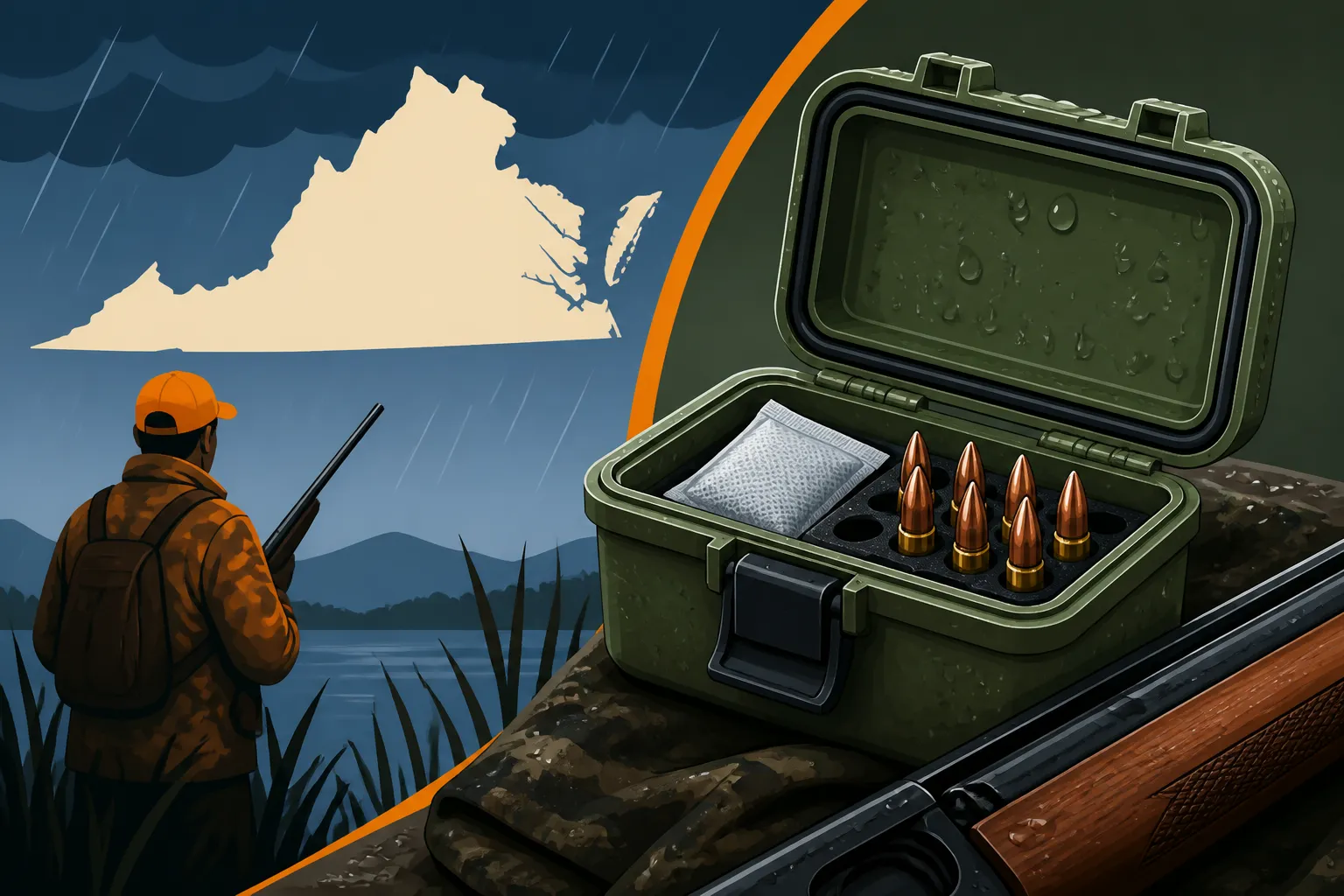
| Ammunition | Powder degradation, primer failure | Waterproof ammo box, dry bags inside pack | Store in cool, dry place |
| Electronics (GPS/Phone) | Short-circuit, battery drain | Waterproof case/bag, Ziploc bags inside pack | Fully charged, backup battery |
| Clothing | Hypothermia, discomfort | Waterproof outer layers, pack rain cover | DWR treatment, proper layering |
| Food/Fire Starters | Rendered unusable | Dry bags, Ziploc bags inside pack | Separate, dedicated waterproof containers |
Post-Hunt Care After a Soggy Day
The hunt isn't over when you retrieve your game or walk back to the truck. What you do immediately after a wet hunt is critical to preserving your gear and ensuring it's ready for your next outing. Neglecting post-hunt care after a wet day can lead to rust, corrosion, and costly damage.
Immediate Steps to Prevent Corrosion
As soon as you're back, or even before you leave the field if it's still raining, take these crucial steps:
- Wipe Down Your Firearm: Use a dry cloth to wipe down all external metal surfaces of your rifle or muzzleloader. Pay extra attention to the action, barrel, and any crevices where water might collect. A light application of a good gun oil or rust preventative spray can be applied afterward. If you used a muzzleloader, get that breech plug out and thoroughly clean the bore and plug itself. This also applies to modern firearms; moisture can find its way into a bolt action just as easily.
- Disassemble What You Can: If safe and practical, partially disassemble your firearm (e.g., remove the bolt from a rifle, remove the breech plug from a muzzleloader) to allow air to circulate and help dry internal components.
- Dry Your Optics: Remove scope caps and binocular covers. Gently wipe down all lens surfaces with a microfiber cloth designed for optics. If you suspect internal moisture, do not attempt to disassemble them yourself. Store them in a warm, dry place with lens caps off to allow any residual moisture to evaporate.
- Address Your Ammunition: If your spare ammunition got wet, it's generally best to dry it thoroughly and then segregate it for target practice. While modern ammunition is fairly water-resistant, a wet primer or case mouth seal can lead to unreliable performance in the field. Don't risk a follow-up shot on an animal with questionable ammo.
Long-Term Maintenance for Wet-Weather Exposure
Once the immediate crisis is averted, it's time for thorough cleaning and storage.
- Deep Clean Your Firearm: A wet hunt demands a full, meticulous cleaning of your firearm. For a muzzleloader, this means removing the breech plug, scrubbing the bore thoroughly, cleaning the nipple or breech plug, and ensuring all fouling is removed. For a rifle, clean the bore, action, and magazine well. Ensure every component is completely dry before reassembly and lubrication. If you're interested in more details, refer to Cleaning a Rifle After a Wet Sit.
- Dry and Store Your Gear: Hang your wet clothing to air dry completely, preferably in a well-ventilated area, away from direct heat that could damage waterproof membranes. Wipe out your pack and let it air out. If you have leather boots, clean off any mud, then apply a leather conditioner and allow them to dry slowly at room temperature, never near a direct heat source. Any electronics that got wet should be thoroughly dried and monitored.
- Check for Hidden Rust: Over the next few days, keep an eye on your firearms and other metal gear. Sometimes, rust can start in inconspicuous spots. A quick visual check can help you catch and address it before it becomes a major problem. This diligence will pay off in the long run, ensuring your gear is always ready for whatever Virginia's hunting seasons throw at you.
Navigating the unpredictable weather of Virginia is part of the challenge and reward of hunting here. By understanding the vulnerabilities of your gear, especially the critical ignition components of your muzzleloader, and by implementing smart strategies for protection and post-hunt care, you can significantly increase your chances of success and enjoyment, no matter how much the skies decide to open up. Stay dry out there, and happy hunting!
Disclaimer
This article is for general informational purposes only and does not constitute professional advice. Laws, prices and regulations vary by location and change over time. Consult a qualified professional for guidance on your specific situation.