Binocular Harnesses Worth Wearing
You know that feeling when your binoculars are bouncing around your neck, banging against your chest with every step, or constantly getting tangled in your rifle sling or backpack straps? It's a genuine annoyance that can break your focus and even cost you a shot in the field. This guide dives deep into why a quality binocular harness is an absolute game-changer for Virginia hunters, helping you keep your optics secure, accessible, and protected, no matter what the terrain or weather throws at you.
Why a Binocular Harness is a Game Changer for Virginia Hunters
For far too long, many of us have relied on the flimsy neck straps that come standard with most binoculars. While they technically allow you to carry your optics, they're often a recipe for discomfort, inefficiency, and even damage. A purpose-built binocular harness, however, transforms how you carry and use your most crucial piece of scouting gear. It's not just about convenience; it's about making you a more effective and comfortable hunter, whether you're climbing a steep ridge in the Jefferson National Forest or sitting quietly on a Piedmont field edge.
The Problem with Traditional Neck Straps
Let's be honest, those thin neck straps are terrible. They dig into your neck, especially after a long day of hiking with even moderately heavy binoculars. The constant swinging motion means your expensive optics are exposed to bumps and scrapes against trees, your rifle stock, or even the ground when you bend over. More critically, they leave your binoculars dangling, making them incredibly slow to access when a deer suddenly steps out of the timber. You're fumbling, trying to steady them, and often miss those precious few seconds for a clear look.
Think about still-hunting. You’re easing through the woods, trying to be as quiet as possible, and with every subtle movement, your binoculars are clunking against your chest. It's a distraction that can alert game to your presence. In situations where every rustle matters, like during Hunting the Virginia Rut in November, a noisy binocular setup can absolutely blow your chance at a mature buck.
Enhanced Comfort and Stability
A good binocular harness distributes the weight of your optics across both shoulders and your back, rather than concentrating it on your neck. This simple design change makes a monumental difference in comfort, especially during those marathon scouting days or all-day sits in a treestand. The binoculars are held snug against your chest, preventing them from swinging or bouncing, which reduces fatigue and keeps your optics stable.
This stability is critical for quick access. When you need to glass that dark timber or a distant field edge, your binoculars are right there, ready to be pulled up to your eyes smoothly and silently. Many harnesses also feature adjustable straps, allowing you to fine-tune the fit for different layers of clothing, from a light shirt in early archery season to a heavy insulated jacket during Clothing for a Virginia Late Season. This adaptability ensures they remain comfortable and functional throughout the entire hunting year.
Protection for Your Valuable Optics
Your binoculars are an investment, often one of the most expensive pieces of gear you own. Leaving them exposed on a neck strap means they're constantly at risk. A quality harness often includes a protective case or cover that completely encases your binoculars, shielding them from rain, dust, scratches, and impacts. This is especially vital in Virginia's varied weather, where a crisp, clear morning can quickly turn into a drizzly afternoon.
Imagine navigating dense brush in a thick clear-cut, or crawling through briars to get into position for a turkey. Without protection, your lenses are catching every twig, and the housing is getting scraped. A well-designed harness protects your investment, ensuring your optics remain clear and functional for years to come. Many even feature quiet, one-handed opening mechanisms, so you can access your binoculars without alarming nearby game.
Key Features to Look For in a Quality Binocular Harness
Choosing the right binocular harness isn't just about picking the first one you see. There's a wide array of options out there, each with different features designed for various hunting styles and preferences. Understanding what to prioritize will help you find a harness that truly enhances your hunting experience in the Old Dominion.
Material and Durability
The materials used in a binocular harness are paramount, directly impacting its longevity, weight, and quietness in the field. Look for harnesses made from durable, quiet fabrics like Cordura nylon or brushed tricot. These materials resist abrasion from branches and rocks, and they won't make a loud rustling sound when you move, which is critical when a wary buck is within earshot.
Water resistance is another huge plus. Many harnesses now incorporate DWR (Durable Water Repellent) coatings or even fully waterproof zippers and fabrics to protect your optics from unexpected Virginia downpours. A robust harness should also feature heavy-duty buckles and reinforced stitching, capable of standing up to years of abuse in the woods. The last thing you want is a strap failing when you're miles deep in George Washington National Forest Hunting.
Ergonomics and Adjustability
A harness needs to fit you comfortably, which means adjustability is key. Look for harnesses with wide, padded shoulder straps that distribute weight evenly without creating pressure points. The ability to adjust the harness both vertically and horizontally ensures a snug fit against your chest, preventing unwanted movement. Some harnesses offer modularity, allowing you to add or remove pouches for a rangefinder, GPS, or even a small first aid kit.
Consider how easy it is to put on and take off, especially if you're layering up or down throughout the day. Quick-release buckles can be a blessing when you need to shed gear fast. Remember, you'll be wearing this for hours on end, so the fit and feel need to be spot-on. If you're using a GoHunt app on your phone, some harnesses even have small side pockets that can keep your phone secure and quickly accessible for checking maps without having to dig through a large pack.
Silent Operation and Quick Access
In hunting, silence is golden. A good binocular harness will be designed with quiet components. This means no noisy velcro closures, no jingling zippers, and no squeaky plastic buckles. Many harnesses use magnetic closures or quiet fabric flaps that open and close smoothly and silently. The mechanism for deploying your binoculars should allow for quick, one-handed access so you can bring them to your eyes almost instantly when game is spotted.
This quick access is invaluable. Imagine you're still-hunting a ridge and you catch a flick of an ear through the trees. You don't have time to unbuckle, pull out, or untangle. A harness that allows you to quietly grab and glass in one fluid motion can be the difference between identifying a legal buck and watching it melt back into the cover. Reading a Ridge for Blue Ridge Deer often requires constant glassing, and a silent, efficient harness makes this second nature.
Storage and Organization Features
While the primary function is carrying binoculars, many harnesses offer additional storage that can be incredibly useful. Integrated side pockets are perfect for a wind checker, small calls, or an extra lens cloth. A front pocket can hold a tag, a small map, or even your hunting license. Some larger chest packs can accommodate a rangefinder in a dedicated pouch, keeping it separate but just as accessible as your binoculars.
For many hunters, the ability to carry a few essentials without needing to reach into a larger backpack is a huge benefit. This is where options like the GoHunt harness systems often shine, providing dedicated, quiet pockets for items like their handheld rangefinder or a spare battery for your headlamp. Having frequently used items readily available reduces movement and noise, keeping you focused on the hunt.
Types of Binocular Harnesses and Their Best Uses
Just like different rifles are suited for different game or terrain, various binocular harnesses excel in different hunting situations. Understanding these distinctions will help you pick the perfect companion for your optics, whether you're chasing longbeards or big deer.
Chest Pack Style Harnesses
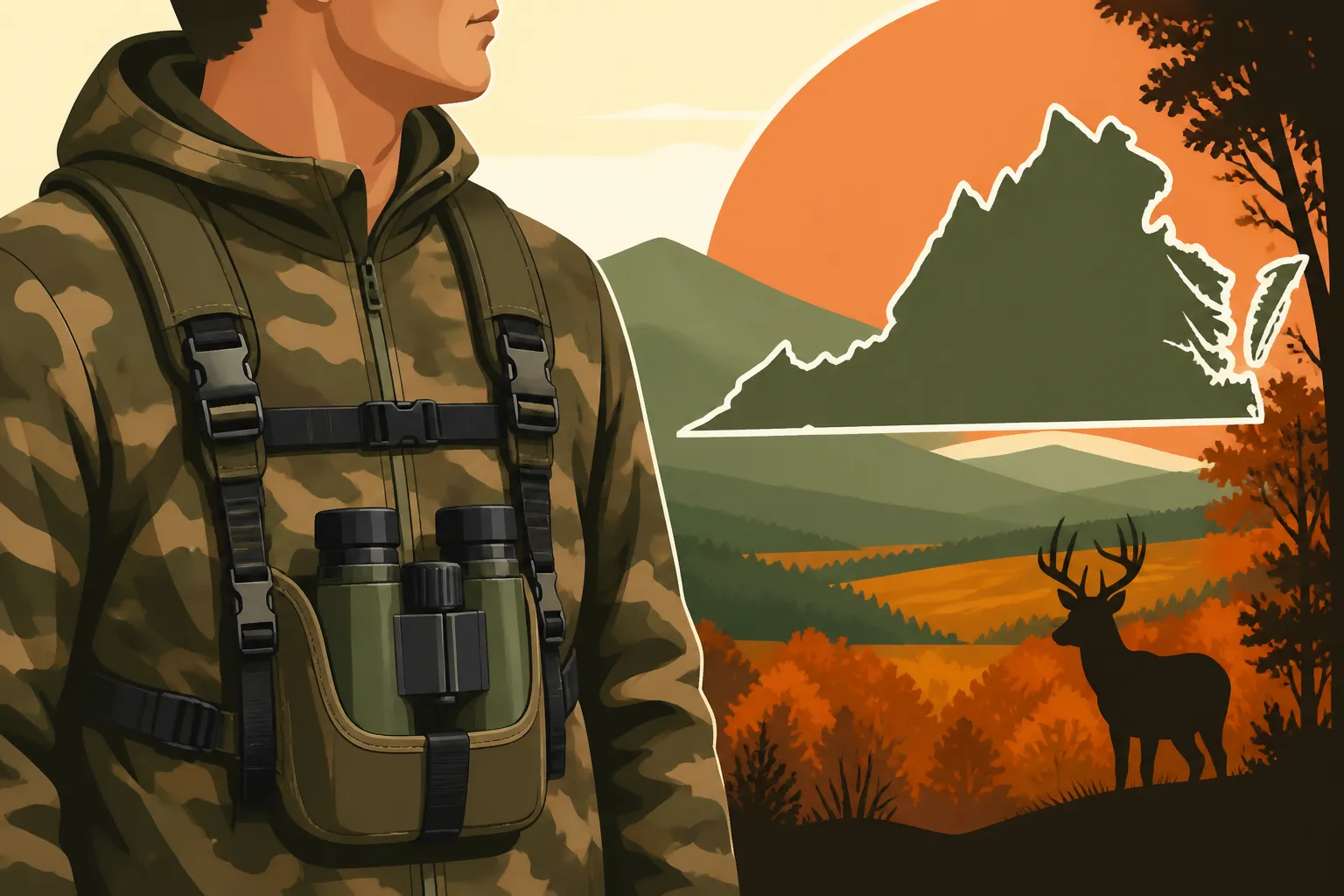
Chest pack harnesses are arguably the most popular and versatile option for serious hunters. They feature a full enclosure for your binoculars, providing maximum protection from the elements and impacts. The main compartment is typically padded and designed to fit a wide range of binocular sizes snugly. These harnesses distribute the weight broadly across your back and shoulders, making them very comfortable for extended wear.
Many chest pack designs also include additional storage, often featuring front zipper pockets, side pockets for rangefinders or wind checkers, and sometimes even a back sleeve for maps or small soft items. This makes them ideal for hunts where you need to carry a few essentials without a full pack, or to keep frequently used items quickly accessible. They're particularly well-suited for spot-and-stalk hunting in open country or for cold weather sits where you want your optics protected and warm against your body. For example, if you're out Scouting Virginia Public Land Before Season, a chest pack allows you to keep your hands free for climbing or navigating thick cover while your binos are safe and ready.
| Feature | Description | Pros | Cons |
|---|---|---|---|
| Protection | Full enclosure, often padded and weather-resistant. | Excellent against elements, dust, and impacts. | Can be bulky. |
| Storage | Multiple pockets for rangefinder, calls, small items. | Keep essentials organized and accessible. | Added weight and size. |
| Comfort | Distributes weight across shoulders and back. | Great for long days, reduces neck strain. | Can feel warm in hot weather; less airflow. |
| Access Speed | Often one-handed, quiet magnetic or buckle closures. | Quick to deploy and secure. | Some designs require two hands to open fully. |
| Best Use | Deer, bear, general big game, all-weather conditions. | Versatile and robust. | May be too much for minimalist or speed hunters. |
Traditional X-Strap Harnesses
The traditional X-strap harness is a more minimalist approach. Instead of a full enclosure, these harnesses typically consist of elastic or webbing straps that form an "X" pattern across your back, with adjustable straps attaching to your binoculars. They hold your binoculars close to your chest, preventing bounce and distributing weight better than a neck strap.
The primary advantage of this style is its lightweight and low-profile design. It offers less protection for your binoculars, as they are largely exposed, but provides excellent ventilation in warmer weather. It's also often more affordable than a full chest pack. This type is great for hunters who prioritize minimal bulk, value a quick grab-and-go access, and are willing to sacrifice some weather protection. They are a good choice for Bowhunting Virginia's Statewide Archery Season in early fall when temperatures are mild and minimal bulk is preferred, or for those who carry their optics primarily for occasional glassing and don't need extensive storage.
Hybrid and Modular Harness Systems
Hybrid and modular harness systems try to bridge the gap between minimalist X-straps and full chest packs, or offer extreme customization. Some hybrids might feature a partial binocular cover, protecting the lenses but leaving the body exposed for easier access. Others might be an X-strap system that allows you to attach small, modular pouches for a rangefinder, GPS, or even a small game call.
These systems are fantastic for hunters who have very specific needs or like to adapt their gear to different hunts. For instance, you might use a minimalist setup for a fast-paced turkey hunt, but add a weather cover and a rangefinder pouch for a late-season deer hunt. Companies like GoHunt often offer modular attachments that allow you to expand the functionality of your existing harness. This flexibility means you can build a system that's just right for Hunting East of the Blue Ridge where conditions can vary from dense timber to open farm fields, or for specialized situations like Spot-and-Stalk Tactics for Mountain Bears where every piece of gear needs to earn its place.
Real-World Scenarios: Choosing the Right Harness for Your Hunt
The best binocular harness isn't a one-size-fits-all solution; it's the one that best matches your hunting style, the species you're pursuing, and the terrain you'll encounter in Virginia. Let's walk through a few common scenarios.
Mountain Deer Hunting
When you're trekking through the steep, rugged terrain of the Blue Ridge or Allegheny mountains, whether you're pursuing deer or bear, your gear needs to be robust and secure. You'll be climbing, descending, and often bushwhacking through thick cover. For these conditions, a full chest pack style harness is often the top choice. The superior protection it offers against rocks, branches, and sudden downpours is invaluable. You'll want something that keeps your binoculars locked down, preventing them from swinging wildly as you navigate uneven ground.
Look for features like quiet, magnetic closures for quick access when you spot movement in a distant hollow, and extra pockets for a rangefinder, wind checker, or even a small map. In these remote areas, every piece of gear needs to be reliable. A robust harness like those often featured by GoHunt helps you focus on the hunt, knowing your valuable optics are safe and ready for action. Imagine Hunting a High Elevation Mountain Bench; you need your hands free for balance, and your optics secure against your chest, ready to glass.
Piedmont & Tidewater Turkey or Deer Hunting
Hunting the rolling hills of the Piedmont or the swampy edges of the Tidewater region presents a different set of challenges. Here, you might be still-hunting hardwood bottoms, setting up on the edge of a vast soybean field, or calling in turkeys from a blind. Stealth and quick, quiet access are paramount, but bulk can also be a consideration, especially in warmer early seasons.
For these environments, a chest pack still shines for its protection and accessibility, especially if you anticipate crawling or spending time in wet conditions. However, a hybrid system with good lens protection and minimal bulk could also be a great fit. If you're primarily hunting from a stand over a field, a harness with easy-to-open magnetic flaps ensures you can get to your binoculars without making a sound. The key is balance: you want enough protection without feeling overly cumbersome, particularly when trying to stay low profile for a longbeard. When Hunting the Shenandoah Valley, you might encounter both open fields and dense woodlots, requiring a versatile harness.
Urban Archery Zones
Urban archery hunting, a growing trend in many Virginia cities, demands a unique approach to gear. Here, discretion and quiet movement are even more critical than usual. You're often hunting smaller woodlots, creek bottoms, or residential green spaces where deer are extremely sensitive to noise and movement. In this scenario, a minimalist X-strap harness or a very compact chest pack can be beneficial.
The goal is to keep your profile small and your movements silent. You still need quick access to glass that deer moving silently through a backyard, but an overly bulky chest pack might snag on urban obstacles or make unnecessary noise. Focus on materials that are extremely quiet and have no reflective surfaces. While less protection might be a trade-off, the lower profile and extreme quietness are often more valuable in these close-quarters environments. Coupling this with proper Scent Control Gear for Urban Archery Hunts will increase your chances of success.
A quality binocular harness is far more than just a holder for your optics; it's an integral part of your hunting system that contributes to your comfort, efficiency, and ultimately, your success in the field. By considering your specific hunting style and the unique demands of Virginia's diverse landscapes, you can select a harness that keeps your binoculars protected, accessible, and ready for whatever the hunt brings.
Disclaimer
This article is for general informational purposes only and does not constitute professional advice. Laws, prices and regulations vary by location and change over time. Consult a qualified professional for guidance on your specific situation.