Dog Vests for Cold Water Retrieves
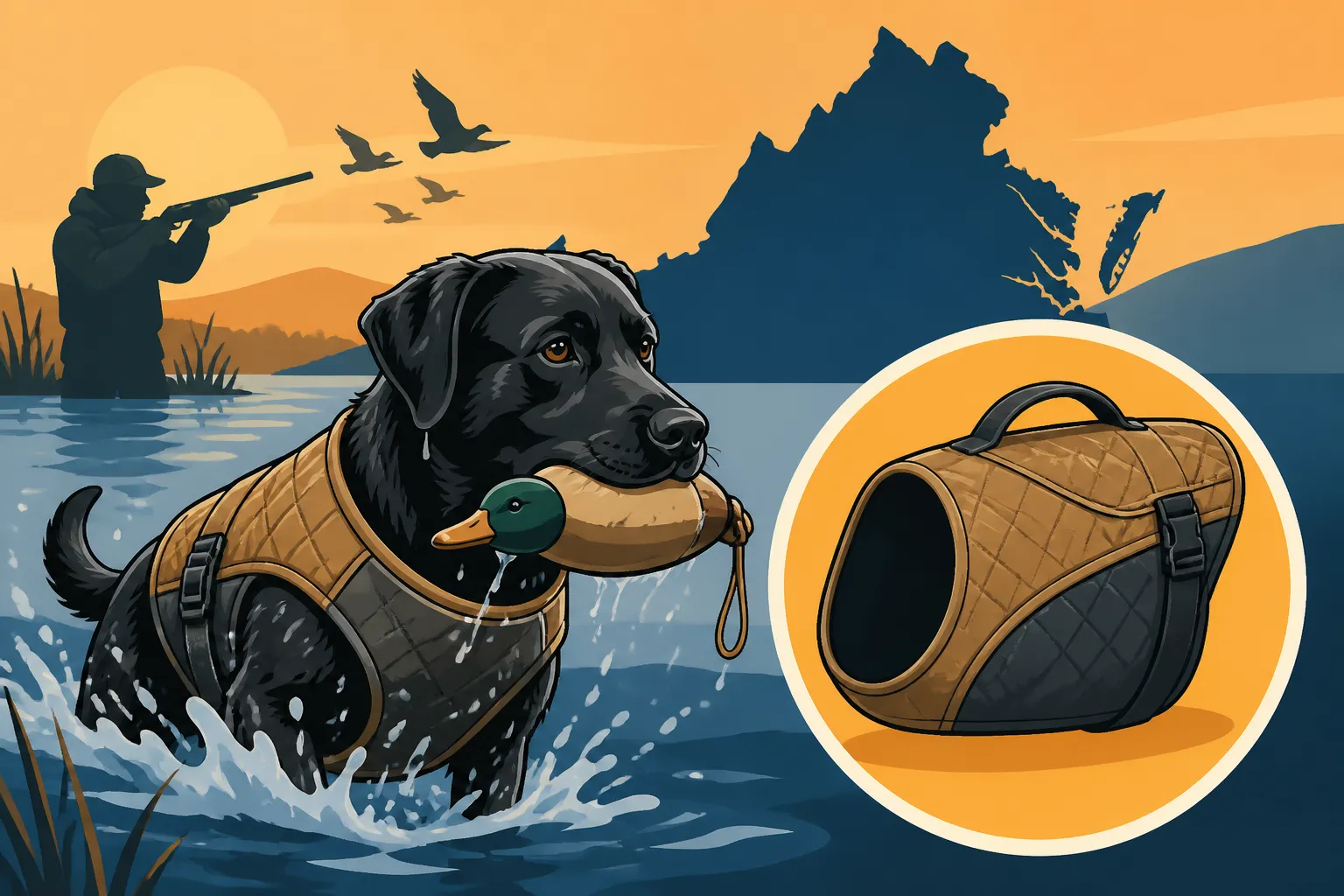
For any Virginia waterfowl hunter, there's a unique bond forged with your retrieving dog. They're more than just a tool; they're a partner, a companion, and often, a furry member of the family. But as the leaves drop and the temperature plummets, that familiar chill in the air brings a nagging worry: how do you keep your loyal retriever safe and warm when sending them into icy Chesapeake Bay waters or a frigid Piedmont pond? This guide will dive deep into the world of dog vests specifically designed for cold water retrieves, helping you choose, fit, and care for the essential gear that ensures your hunting buddy stays healthy, comfortable, and ready for every retrieve.
The Real Dangers of Cold Water for Your Retriever in Virginia
When those ducks or geese drop into the frigid waters of Virginia, your retriever's instinct kicks in, and they're off. But beneath their enthusiastic splashes lies a real threat that every responsible hunter needs to understand and mitigate. It's not just about comfort; it's about survival and long-term health.
Understanding Hypothermia and Its Onset
Hypothermia is the silent, insidious killer for dogs in cold water, and it can set in much faster than many hunters realize. A dog's core body temperature is higher than ours, usually around 101 to 102.5 degrees Fahrenheit. When they plunge into water that's 40 degrees or less, that body heat rapidly dissipates. Imagine yourself stripped down, jumping into an icy Shenandoah Valley river in December – that's what your dog is experiencing.
Initially, you'll notice shivering, which is the body's attempt to generate heat. But if the exposure continues, your dog will become lethargic, their movements will slow, and their decision-making might become impaired. They might struggle to climb out of the water or swim effectively, turning a routine retrieve into a life-threatening struggle. Even in Virginia's comparatively milder winters, those frosty mornings and icy waters can be deceptively dangerous. A good cold-water vest acts as a crucial barrier, significantly slowing that heat loss and giving you peace of mind.
Physical Hazards Beyond the Cold
Beyond the immediate threat of hypothermia, sending your dog into unfamiliar or icy waters in Virginia exposes them to a host of physical dangers. It’s not just the temperature, but what’s lurking beneath the surface or along the banks.
Submerged debris is a huge concern. Think about the branches and logs hidden in a flooded creek bottom after a heavy rain, or the jagged edges of ice shards clinging to a partially frozen pond. Oysters along the Eastern Shore can be razor-sharp. A vest made with durable materials can provide a vital layer of protection against these cuts and abrasions. Even a small gash can lead to infection and take your dog out of the hunting rotation for weeks. Furthermore, swimming through deep, cold water requires immense energy. A tired dog is more prone to injury, and the added buoyancy of many cold-water vests can help them conserve energy, making those long retrieves feel a little less exhausting. This is especially true for those vigorous sessions while Hunting Chesapeake Bay Diving Ducks.
Key Features to Look for in a Cold Water Dog Vest
Choosing a dog vest isn't about picking the first one off the shelf; it's about making an informed decision that prioritizes your dog's safety and performance in the field. There are specific features that separate a good cold-water vest from a generic one, and understanding them is crucial for any Virginia hunter.
Material Matters: Insulation and Durability
The core of any effective cold-water dog vest is its material, and neoprene reigns supreme for good reason. Neoprene, the same material used in wetsuits, provides excellent insulation by trapping a thin layer of water against the dog's body, which is then warmed by their own body heat. This creates a thermal barrier against the frigid outside water.
When evaluating neoprene, consider the thickness. You’ll typically find vests in 3mm, 5mm, or even 7mm. For mild winter days or early season waterfowl hunts where the water isn't quite freezing, a 3mm vest might suffice, offering good flexibility for active dogs. However, for those bone-chilling late-season hunts on the Waterfowl Hunting the Chesapeake Bay, or when ice is forming on ponds in the mountains, a 5mm or 7mm vest provides significantly more thermal protection and buoyancy. Brands like Avery or Browning often feature quality neoprene in their designs, and online resources like GoHunt sometimes offer detailed reviews on specific models, breaking down their material composition and performance. Some vests also integrate Cordura panels, particularly on the chest and belly, to add an extra layer of abrasion resistance against rough ice, sharp sticks, or oyster beds.
Fit, Coverage, and Buoyancy
A vest, no matter how thick, is only effective if it fits properly. A poorly fitting vest can actually be detrimental, causing chafing, restricting movement, or failing to trap warmth efficiently. The goal is a snug, form-fitting embrace that allows full range of motion without any loose material to snag.
When fitting, pay close attention to the chest, neck, and belly. You want it tight enough to create that insulating seal, but not so tight that it impedes breathing or stride. Many manufacturers provide detailed sizing charts based on chest girth, neck circumference, and back length – always measure your dog carefully! Coverage is also key; the vest should protect the dog's vital organs, primarily the chest and belly, which are most susceptible to heat loss. And don't overlook buoyancy. Many neoprene vests offer inherent flotation, which can be a game-changer. It helps your dog stay higher in the water, requiring less effort to swim, thus conserving energy and reducing fatigue. This is a huge advantage, especially during long days or when retrieving multiple birds in quick succession.
Practical Design Elements for the Hunter
Beyond insulation and fit, the best cold-water dog vests incorporate practical features that make a real difference in the field for the handler. These are the details that enhance safety, convenience, and overall hunting efficiency.
A robust grab handle on the back is non-negotiable. Whether you're lifting your dog back into a duck boat, pulling them over a beaver dam, or helping them scramble up a slippery bank, a sturdy handle is a lifesaver for both you and your dog. Look for reinforced stitching and durable materials here. Another critical element is visibility. While your dog might be a stealthy hunter, you want them to be easily spotted by you and other hunters. Many vests come in blaze orange or other bright colors, which is essential for safety, particularly if you're hunting in areas with Virginia Blaze Orange Requirements for human hunters or if you simply want to keep an eye on your dog in thick cover or low light. Finally, consider the closure system. Heavy-duty zippers, often with a protective flap to prevent fur from getting caught, are common, as are strong Velcro straps. Both should be durable, easy to operate with cold hands, and secure enough to prevent the vest from shifting or coming loose during vigorous activity.
Here's a quick comparison of popular neoprene thicknesses and their general suitability for Virginia hunting conditions:
| Neoprene Thickness | Primary Use Case in Virginia | Key Benefits | Considerations |
|---|---|---|---|
| 3mm | Mild winter days (early season), active dogs, quicker retrieves, less icy conditions. | Good flexibility, adequate warmth for shorter exposures, less restrictive for movement. | Less insulation for extreme cold or prolonged sits; may not offer enough protection in deep winter. |
| 5mm | Mid-to-late season waterfowl, icy conditions, less active dogs, Bay hunting. | Excellent warmth and buoyancy, good all-around protection for most Virginia winter conditions. | Can be slightly more restrictive than 3mm; takes longer to dry. |
| 7mm | Extreme cold, ice breaking, very prolonged water work, frigid Northern Virginia ponds. | Superior thermal protection, added buoyancy for ice, maximum defense against the cold. | Can be bulky and heavy, potentially limiting dog's mobility; typically for the harshest conditions. |
Choosing the Right Vest for Virginia's Diverse Hunting Grounds
Virginia's hunting landscape is incredibly varied, from the expansive tidal marshes of the Eastern Shore to the winding rivers and ponds of the Piedmont, and the colder, rockier mountain streams. The "right" dog vest isn't a one-size-fits-all answer; it depends heavily on where and when you plan to hunt.
Matching the Vest to the Habitat and Conditions
Consider the specific challenges of your hunting spot. If you're frequently launching out into the vast, open waters of the Chesapeake Bay for sea ducks or geese, your dog is going to face sustained exposure to truly frigid saltwater, often with biting winds. For these conditions, a thicker 5mm or even 7mm neoprene vest with reinforced stitching and panels is probably your best bet. It will provide maximum insulation and stand up to the abrasive oyster shells and sharp marsh grass that your dog will encounter. Think about gear designed for Waders for Bay Marsh Hunting – your dog needs similar ruggedness.
For hunting smaller ponds and rivers in the Piedmont or even Hunting East of the Blue Ridge, where retrieves might be shorter but the banks can be brushy and the water shallow with submerged logs, a 3mm or 5mm vest might be more appropriate. You'll want a balance of warmth and flexibility, with good abrasion resistance to protect against sticks and rocks. If your hunting takes you to the colder, faster-moving waters of mountain streams or lakes, perhaps Hunting West of the Blue Ridge, prioritize a vest that allows for agile movement while still offering protection from sharp rocks and rapid heat loss. The duration of exposure matters too – quick jump-shooting might need less insulation than sitting in a blind for hours waiting for the flight. Always consider the Virginia Waterfowl Migration Timing to anticipate the coldest conditions.
Sizing Up Your Retriever for the Perfect Fit
I cannot stress this enough: proper sizing is paramount. A vest that's too loose will allow cold water to flush in and out, negating its insulating properties. It can also shift, creating friction points that chafe your dog's skin, especially around the armpits or chest. A vest that's too tight, on the other hand, can restrict movement, hinder breathing, and be incredibly uncomfortable for your dog.
Every reputable vest manufacturer provides a sizing chart, usually based on specific measurements like chest girth (the widest part of your dog's rib cage), neck circumference, and sometimes back length. Do yourself and your dog a favor: take these measurements carefully with a flexible tape measure. Don't guess! If you're between sizes, it's often better to go with the larger size, as a slightly looser fit can be adjusted with straps, while a too-small vest simply won't work. Many hunters find it helpful to actually try on vests with their dog, if possible. Watch how your dog moves, noting any pinching or rubbing, especially when they're running and swimming. Online retailers like GoHunt often have detailed user reviews and sizing tips from other hunters that can be incredibly helpful for specific breeds.
Maintenance and Longevity: Keeping Your Dog's Vest in Top Shape
Just like your shotgun or your waders, your dog's cold-water vest is a piece of essential hunting gear that needs proper care to last. Neglecting it won't just shorten its lifespan; it can compromise its performance when you need it most. After all the effort put into Scouting Virginia Public Land Before Season and hunting, you want your gear to be reliable.
Cleaning and Storage for Durability
After every single hunt, especially after a dip in saltwater or muddy ponds, the first thing you should do is rinse the vest thoroughly with fresh water. Saltwater, mud, and organic debris can degrade neoprene and other materials over time, causing stiffness, cracks, and odor. A quick hose-down is usually all it takes to remove the worst of it.
Once rinsed, hang the vest to dry completely in a well-ventilated area, out of direct sunlight. While neoprene is robust, prolonged exposure to UV rays can break down the material. Never put it in a dryer, as high heat will damage the neoprene's structure. Once dry, store the vest flat or hang it on a wide hanger to prevent creases and prolonged compression, which can weaken the material. Avoid cramming it into a gear bag where it might get crushed or folded tightly. By taking these simple steps, your investment in a quality vest will pay dividends for many seasons, helping your dog handle the chill of a Cold-Weather Sitting Strategy in the Mountains.
Training Your Dog to Love the Vest
A brand-new vest, no matter how perfectly fitted, can feel strange to your dog at first. They might try to chew it off, walk awkwardly, or just look plain confused. The key to success is positive reinforcement and gradual introduction. Start well before hunting season, ideally in warmer weather.
Let your dog sniff the vest, offer treats, and praise them. Then, try putting it on for short periods, always associated with positive experiences like play, a short walk, or mealtime. Gradually increase the duration. Once they're comfortable wearing it around the house or yard, move to practicing retrieves with the vest on in a local pond or even a bathtub, starting with warm water. This helps them associate the vest with fun and familiar activities, not just the shock of cold water. Ensure the vest doesn't hinder their natural movements, especially their ability to swim freely and retrieve objects. A well-trained dog that's comfortable in its vest will be a more effective, and safer, hunting partner in the long run. Just as you might break in new Boots for Virginia Swamps and Ridges, your dog needs to break in their vest too.
Disclaimer
This article is for general informational purposes only and does not constitute professional advice. Laws, prices and regulations vary by location and change over time. Consult a qualified professional for guidance on your specific situation.