Blind Bags and Cold-Weather Gear
There's nothing quite like the crisp, cold air of a Virginia morning in the duck blind or a deer stand, but that beauty can turn brutal quickly if you're not prepared. We've all been there—shivering uncontrollably, hands numb, feet frozen solid, wishing we'd thought about that extra layer or a more organized way to carry our essentials. This guide is all about equipping you with the knowledge to conquer those chilly days, focusing on the crucial role of a well-stocked blind bag and the right cold-weather gear to keep you comfortable, alert, and ready for action when the moment strikes.
The Indispensable Blind Bag: Your Field Command Center
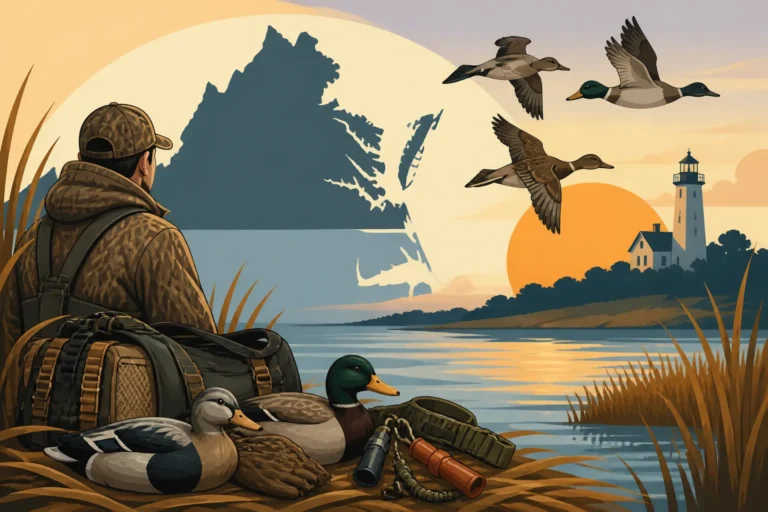
Imagine this: you've hiked into your spot before dawn, the air is biting, and as legal shooting light approaches, you realize your duck calls are buried under a pile of extra gloves, or your rangefinder is missing in action. Frustrating, right? That's where a properly chosen and packed blind bag becomes an absolute game-changer, especially when Hunting Chesapeake Bay Diving Ducks or working a marsh. It’s not just a sack; it’s your organized hub for everything you need at a moment's notice.
More Than Just a Carry-All: Why a Good Blind Bag Matters
A blind bag is essentially your mobile command center in the field. It keeps your crucial gear protected from the elements, organized, and easily accessible. Think about those damp, misty mornings on the Eastern Shore or the sudden downpours that can roll in over the mountains. A good blind bag, particularly one with strong water resistance, ensures that your expensive calls, optics, and electronics stay dry and functional. Without one, you're constantly fumbling, digging, and exposing your gear to unnecessary wear and tear or, worse, losing it in the muck. It saves you precious time, reduces frustration, and allows you to focus on the hunt, not on locating a critical piece of equipment.
What to Pack: Essential Items for a Virginia Waterfowl Hunt
What goes into your blind bag depends a bit on your specific hunt, but there are core items that every Virginia hunter should consider. For waterfowl hunters, your calls are paramount, so make sure they're secured and readily available in individual pockets. Shells, of course, are a must, ideally in waterproof boxes within the bag. Beyond that, consider items that enhance comfort, safety, and efficiency.
Here’s a breakdown of common essentials:
- Ammunition: Several boxes of shells, ideally separated by shot size or type if you're targeting different species.
- Calls: Duck, goose, or predator calls, kept organized to prevent tangles and damage.
- Thermos: Filled with coffee, tea, or hot chocolate for warmth and a morale boost.
- Snacks: High-energy bars, sandwiches, or fruit.
- Water Bottle: Staying hydrated is key, even in cold weather.
- First-Aid Kit: Basic supplies for minor cuts, blisters, or emergencies.
- Headlamp/Flashlight: With extra batteries, for navigating pre-dawn or post-dusk.
- Licenses & Permits: Always carry your physical licenses and any necessary stamps or permits, even if you have them on your phone. You can always double-check regulations or WMA access using the Scouting With the Virginia DWR App or even specific layers on a GoHunt mapping tool before you head out.
- Knife/Multi-tool: Essential for many unexpected tasks.
- Zip Ties/Paracord: Handy for repairs or securing gear.
- Rangefinder: For accurate shot placement.
- Small Towel/Rag: For wiping hands, gear, or muddy boots.
- Extra Gloves/Hat: Your extremities lose heat fast; backups are always wise.
- Sunscreen/Lip Balm: Even in winter, sun and wind can chap skin.
The key is to pack smart, not just pack everything. Each item should have a purpose and a designated spot.
Key Features to Look For in a Reliable Blind Bag
Not all blind bags are created equal. When investing in one, consider features that directly address the challenges of hunting in Virginia.
- Durability: Look for rugged, heavy-duty fabrics like 900D or 1000D nylon or Cordura. Seams should be reinforced, and zippers should be robust, often oversized, and preferably corrosion-resistant, especially if you're near saltwater.
- Waterproofing/Resistance: This is non-negotiable. Many bags offer a waterproof bottom, but a fully waterproof main compartment or a rain flap over the zippers is ideal. Some even come with internal dry bags or waterproof liners. Remember, damp gear is compromised gear, and when Hunting the Eastern Shore Marsh, water is everywhere.
- Organization: Multiple internal and external pockets, dividers, and elastic loops are invaluable for keeping everything in its place. Quick-access pockets on the exterior are perfect for frequently used items like calls, while internal mesh pockets can hold smaller items.
- Comfortable Carry: Padded shoulder straps and a sturdy top handle are important, especially when your bag is loaded down with shells and gear for a long trek to the blind. Some larger bags even offer backpack-style straps.
- Size and Capacity: Consider the type of hunting you do most often. A smaller bag might suffice for a deer stand, but waterfowl hunters often need a larger capacity to hold calls, extra shells, a thermos, and more. A GoHunt user might recommend different sizes depending on the type of public land hunting you plan, from Hunting a Virginia Urban Archery Zone to Hunting George Washington National Forest.
Mastering Cold-Weather Gear for Virginia's Varied Conditions
Virginia's weather can be notoriously fickle. You might start a November morning in the mountains with frost on the ground and end the afternoon shedding layers in 50-degree sunshine. Or you could have a steady, chilling drizzle that soaks everything to the bone. The key to enduring these conditions and staying focused on the hunt lies in smart cold-weather gear.
The Layering System: Your Best Defense Against the Cold
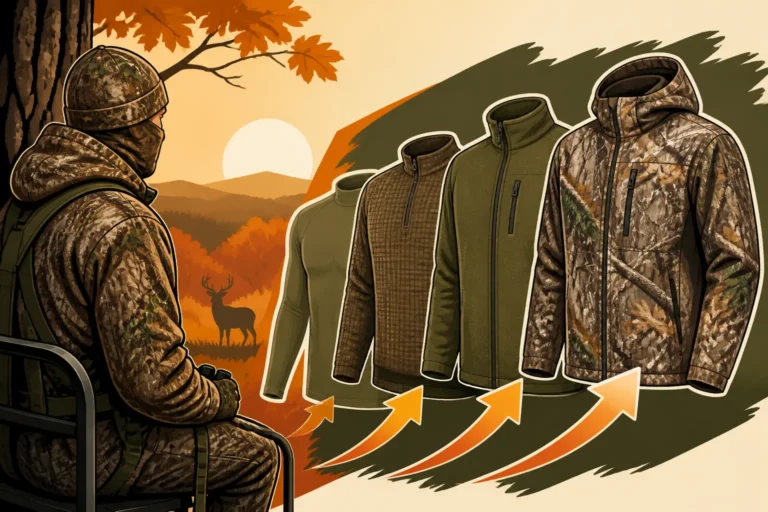
Forget the bulky, single-thick jacket approach of old. Modern cold-weather hunting relies on a layering system, which allows you to adapt to changing temperatures and activity levels. It’s like having an adjustable thermostat built into your clothing.
- Base Layer: This is your foundation. Its primary job is to wick moisture (sweat) away from your skin, keeping you dry. Dry equals warm. Materials like merino wool or synthetic performance fabrics are excellent. Avoid cotton at all costs; it absorbs moisture and stays wet, leading to rapid heat loss. For a Cold-Weather Sitting Strategy in the Mountains, a good base layer is paramount.
- Mid Layer: This layer provides insulation, trapping warm air close to your body. Fleece, synthetic puff jackets, or thicker merino wool are common choices. You might wear one mid-layer or multiple, depending on the temperature and your activity level. This is where you add or shed warmth.
- Outer Layer (Shell): This is your protective barrier against wind, rain, and snow. It needs to be windproof and waterproof (or highly water-resistant) but also breathable to allow moisture vapor from your body to escape. Modern technical shells are often lightweight yet incredibly effective.
The beauty of layering is its versatility. Hiking into a stand, you might only wear your base and a light mid-layer to prevent sweating. Once you're settled, you can quickly add a thicker mid-layer and your outer shell to retain warmth. As the sun rises and temperatures climb, you can shed layers as needed.
Material Choices for Optimal Warmth and Performance
The fabrics you choose for your layers play a massive role in your comfort and success.
- Merino Wool: This natural fiber is a hunter's best friend. It's incredibly warm for its weight, soft against the skin, naturally odor-resistant, and—critically—insulates even when wet. This makes it ideal for base layers and mid-layers, especially in damp Virginia conditions where Wool for Wet Snow and Quiet Movement is appreciated. Its silent movement is also a huge advantage when you're trying to remain undetected by wary deer or turkeys.
- Synthetics (Fleece, Polyester): Modern synthetic fabrics are excellent for wicking moisture and providing lightweight insulation. They dry quickly, are durable, and often more affordable than wool. They are great for base layers, mid-layers (like fleece jackets), and insulated fills in outer garments. However, they can sometimes hold odors more than wool, and some older synthetics can be noisy.
- Down: Down (usually goose or duck feathers) offers unparalleled warmth-to-weight ratio. It's incredibly compressible, making it great for packing. However, down's major weakness is moisture; once wet, it loses most of its insulating properties. For this reason, it's often best used as an insulating mid-layer under a waterproof shell or in extremely dry, cold conditions. Some modern down garments are treated for water resistance, but full waterproofing is rare.
| Material Type | Key Benefit | Pros | Cons | Best Use in Virginia Hunting |
|---|---|---|---|---|
| Merino Wool | Insulates when wet, odor control | Warm, breathable, soft, quiet, natural | Can be expensive, slower drying than synthetics | Base & mid layers, socks, hats |
| Synthetics | Moisture-wicking, quick-drying | Durable, affordable, fast-drying, lightweight | Can retain odor, less warm when wet | Base layers, mid-layer fleece, outer shells |
| Down | Supreme warmth-to-weight | Extremely warm, lightweight, packable | Loses warmth when wet, expensive, not ideal for active wear | Mid-layer insulation under a waterproof shell |
Battling Moisture: The Silent Killer of Warmth
No matter how many layers you pile on, if you get wet, you'll get cold. Moisture, whether from external rain or internal sweat, conducts heat away from your body much faster than dry air.
- Sweat Management: This starts with your base layer. Choose a material that wicks moisture effectively. Avoid overheating by dressing in layers you can shed during periods of high activity, like a long hike to your stand. Even a slight chill when starting your walk is better than sweating profusely.
- Rain Protection: A quality waterproof and windproof outer shell is essential. Look for jackets and pants with taped seams and durable water-repellent (DWR) coatings. Brands offering GORE-TEX or similar proprietary waterproof membranes are typically reliable. When selecting Rain Gear for a Virginia Downpour, prioritize breathability to prevent sweat from building up inside.
- Breathability: Your outer shell needs to let moisture vapor out while keeping liquid water out. Without breathability, your own sweat can condense inside your jacket, making you wet from the inside out. Look for pit zips and adjustable cuffs that allow you to vent heat when needed.
Protecting Your Extremities: Hands, Feet, and Head
Your core needs to stay warm, but your extremities—hands, feet, and head—are often the first to feel the cold and, if neglected, can quickly lead to discomfort and compromise your hunt. They're also where significant heat loss occurs.
Keeping Hands Warm and Nimble for the Shot
Numb fingers make it impossible to grip your bow, feel your rifle's trigger, or operate your calls effectively. It’s a constant battle between warmth and dexterity.
- Layering for Hands: A common and effective strategy is a thin liner glove (merino or synthetic) worn under a warmer, bulkier outer glove or mitten. The liner provides a first layer of warmth and can be worn alone for fine motor tasks.
- Shooting Gloves: Many hunters opt for specialized shooting gloves with thin, sensitive trigger fingers, but these often sacrifice overall warmth. They are best used for the actual shot, and then replaced with warmer options.
- Mittens vs. Gloves: Mittens are generally warmer than gloves because your fingers share warmth. Consider wearing mittens and pulling them off for the shot, or using a "system" that allows for quick transitions.
- Hand Warmers: Chemical hand warmers are a lifesaver. Place them inside your gloves or in a hand muff. A good hand muff, sometimes worn around the waist, allows you to keep your hands tucked away and warm, ready to pull them out when an animal appears. Hand Warmers That Last a Full Sit are crucial for extended periods in the blind.
Footwear and Socks: The Foundation of Cold-Weather Comfort
Cold, wet feet can ruin a hunt faster than almost anything else. Good footwear and a smart sock system are non-negotiable, especially when you might be Working a Creek Bottom for Late-Season Deer or standing in a cold, damp duck blind.
- Insulated Boots: Choose boots with appropriate insulation levels for the temperatures you expect. Look for ratings like 400g, 800g, or even 1200g of Thinsulate or similar insulation. Ensure they are fully waterproof, with membranes like GORE-TEX or similar technologies. For those swampy or marshy areas in Virginia, rubber boots with ample insulation are often preferred because they are inherently waterproof. Insulated Boots for All-Day Sits are a worthwhile investment.
- Sock System: Again, layering applies here. A thin, moisture-wicking liner sock (synthetic or merino wool) worn directly against your skin helps prevent blisters and wicks sweat. Over this, wear a thicker, insulating wool sock. Avoid cotton socks at all costs. Make sure your boots aren't too tight with multiple socks, as this can restrict circulation and actually make your feet colder.
- Boot Fit: A properly fitting boot, snug but not constricting, is critical. Too loose, and your foot will slide, causing blisters. Too tight, and you'll restrict blood flow, leading to cold feet.
Head, Neck, and Face Protection
You lose a significant amount of heat through your head, neck, and face. Keeping these areas covered not only retains warmth but also adds to your overall comfort.
- Hats/Beanies: A warm hat made of wool, fleece, or a windproof synthetic material is essential. Choose one that covers your ears fully.
- Balaclavas/Neck Gaiters: These are incredibly versatile. A balaclava covers your entire head, neck, and often your face, leaving only your eyes exposed. A neck gaiter can be pulled up over your nose and mouth for added protection from wind and cold, then pulled down when you need to call or breathe more easily.
- Camo Considerations: Many head coverings come in camouflage patterns, but for safety, ensure you're still meeting How Much Blaze Orange Virginia Requires if firearm hunting.
Specialized Cold-Weather Gear for Virginia Waterfowl Hunters
Waterfowl hunting presents its own unique set of challenges, often involving prolonged exposure to cold water, wind, and sitting stationary for hours. Specialized gear can make all the difference.
Insulated Outerwear: Staying Warm on the Water and in the Blind
For waterfowl hunters, your outer layer isn't just a shell; it's often your primary insulation and protection.
- Waders: Invest in good quality, insulated waders. Neoprene waders offer excellent warmth, while breathable waders with insulation layers underneath can also work. Ensure they are durable and truly waterproof. The integral boots should also be well-insulated for sitting in cold water or mud. When you're Hunting the Eastern Shore Marsh, your waders are your first line of defense against the biting cold and wet.
- Parkas and Bibs: Many waterfowl hunters prefer insulated parkas paired with insulated bibs. This combination provides a full suit of warmth and protection, particularly against wind and spray. Bibs help eliminate gaps between your jacket and pants, preventing cold air from seeping in. Look for waterproof and windproof fabrics designed for harsh conditions.
- Layering Under Waders: Even insulated waders benefit from proper layering. Wear a good base layer and mid-layer pants underneath to maximize warmth.
Portable Heat and Comfort for Long Waits
Sitting still for hours in freezing temperatures demands extra consideration for comfort.
- Portable Heaters: Small, portable propane or catalytic heaters can be a game-changer for duck blinds or enclosed ground blinds, especially if you find yourself Sitting a Field Edge in Late Season. Always use them with extreme caution and ensure adequate ventilation to prevent carbon monoxide buildup. Check local regulations for their use on public lands.
- Insulated Seat Pads: A simple insulated seat pad can make a huge difference in warmth and comfort, preventing the cold from seeping up from the ground or boat seat.
- Hot Drinks and Food: A thermos of hot coffee, tea, or soup is invaluable. Warm liquids help raise your core body temperature and provide a welcome mental boost. Warm, high-calorie snacks also help fuel your body and keep your internal furnace running.
- Emergency Blanket: A compact, Mylar emergency blanket can be a literal lifesaver if you get stuck, injured, or unexpectedly cold. It takes up minimal space and reflects body heat efficiently.
By thoughtfully preparing your blind bag and equipping yourself with the right cold-weather gear, you transform a potentially miserable experience into a truly enjoyable and successful hunt, no matter what unpredictable Virginia weather throws your way.
Disclaimer
This article is for general informational purposes only and does not constitute professional advice. Laws, prices and regulations vary by location and change over time. Consult a qualified professional for guidance on your specific situation.