Hunting Into the January Second Close
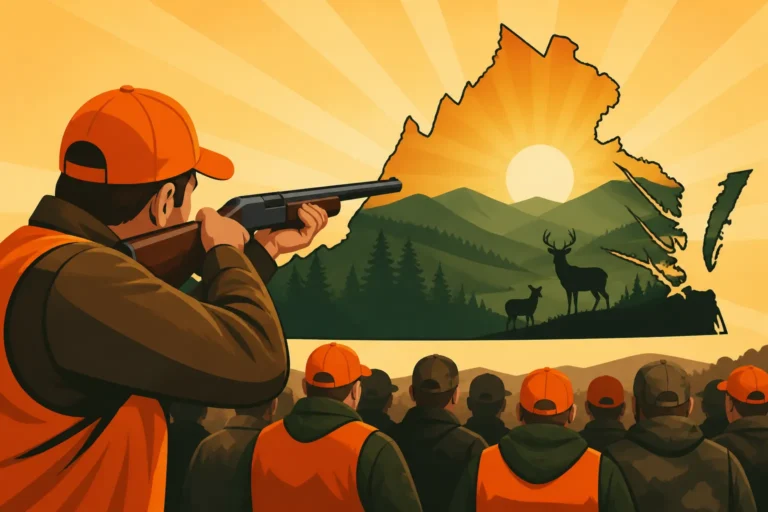
As the holidays wind down and the new year kicks off, many hunters in Virginia start feeling that familiar pang of urgency. The general firearms deer season, for all its glory and excitement, marches relentlessly towards its final curtain call – the infamous "January second close." This guide is here to walk you through everything you need to know about hunting those dwindling days, helping you understand deer behavior when the mercury drops, what gear truly matters, and how to stay motivated for one last shot at a late-season whitetail.
Understanding the Virginia January Second Close
That final week of deer season in Virginia often feels like a race against the clock. After months of anticipation, scouting, and chasing, it all boils down to these last precious days, culminating in what we affectionately (or sometimes begrudgingly) call the "January second close." It’s a hard stop, a firm deadline, and understanding its nuances is the first step to making the most of it.
The Final Days of Deer Season
For many, the first Saturday in January marks the absolute end of the general firearms deer season across most of Virginia. While the exact date might shift by a day or two year-to-year depending on how the calendar falls, the spirit remains the same: it's the final opportunity to harvest a deer with a rifle, shotgun, or muzzleloader before the long off-season settles in. This period is a true test of dedication. The crowds from opening weekend have long dissipated, fair-weather hunters have retreated to warmer pastures, and only the most persistent remain. It's a time when the woods feel different—quieter, colder, and often more challenging, but also incredibly rewarding. There's a certain camaraderie among those who brave these conditions, sharing stories of frozen fingers and hard-earned success. The deer you harvest in January often feels like a testament to your grit. If you've been following the Virginia DWR regulations, you'll know that the season structure is clearly laid out, but even experienced hunters sometimes forget the exact closing day until it’s upon them.
Regional Variations and Exceptions
Now, while the general firearms season typically wraps up for most of us around the first weekend of January, Virginia’s diverse geography and hunting opportunities mean there are always a few exceptions. It's crucial to consult the latest Virginia Department of Wildlife Resources (DWR) regulations every single year, because things can and do change. For instance, in some urban archery zones, you might find extended opportunities for bowhunters, which can even stretch into March. These zones, often found in the more populated areas around cities like Richmond, Virginia Beach, and Northern Virginia, are designed to help with deer management in areas where traditional firearms hunting isn't practical.
But for the vast majority focusing on the general firearms season, that January close is a definitive one. Additionally, specific counties might have slightly different start and end dates for certain weapon types, or unique antlerless deer regulations that could influence your last-minute plans. For example, some counties might have an earlier closure for antlered deer but allow antlerless harvesting for a bit longer to meet management goals. It’s always worth a quick check on the DWR website or a quick flip through their regulations booklet. Don't rely on memory from last year, because forgetting one small detail could turn a successful hunt into a costly mistake. If you're planning on focusing on deer in a specific locality, double-check that county's rules before heading out, especially if you're venturing away from your usual hunting grounds. Knowing the specific "Virginia General Firearms Season Dates" for your area is paramount.
Deciphering Late-Season Deer Behavior
By the time January rolls around, the deer in Virginia have been through a lot. They’ve run the gauntlet of archery season, dodged muzzleloader hunters, survived the full-on general firearms push, and probably burned through a significant portion of their fat reserves during the rut. Their priorities have completely shifted, and understanding these changes is the key to tagging a deer in the waning days of the season.
Food, Cover, and Comfort Are King
Forget about rattling horns or aggressive grunts; by January, the breeding season is a distant memory. Deer are now solely focused on survival: finding ample food, seeking out dense cover to escape the elements and predators (both human and otherwise), and conserving energy. This shift is critical for hunters to grasp.
- Food: Late-season food sources become incredibly important. While acorns might have been abundant in the fall, most are long gone by January. Deer will now key in on anything that offers consistent calories. This includes standing crops like corn and soybeans, which provide both sustenance and cover. If you can find a standing cornfield in farm country or a cut soybean field with remaining beans, you've found a late-season hotspot. Green fields planted specifically for deer, like winter wheat, oats, or brassicas, are also massive draws. Deer will often brave open areas at dawn and dusk to hit these high-energy plots. Additionally, natural browse, such as honeysuckle, greenbrier, and various forbs that remain palatable through the cold, becomes a critical component of their diet. They'll also paw through snow and leaf litter for mast they might have missed earlier.
- Cover: With barren hardwoods offering little concealment, deer seek out the thickest cover available. Think dense pine thickets, cedar swamps, clear-cuts with thick regrowth, and briar patches. These areas provide both thermal cover, shielding them from bitter winds and cold, and visual security. South-facing slopes in the mountains or along ridgelines will also draw deer, as they soak up the limited winter sun, offering a precious degree of warmth. These bedding areas will be extremely close to their primary food sources, minimizing their travel distance and energy expenditure.
- Comfort: Deer want to be comfortable. They’re dealing with cold temperatures, often snow or ice, and depleted energy reserves. They won't expend unnecessary energy if they can help it. Their movements become highly predictable, often following the path of least resistance between bedding and feeding, usually during low-light conditions.
Understanding these priorities is paramount. Your best bet is to focus your scouting on identifying these critical resources and the travel corridors connecting them. The "Late-Season Food Sources for Virginia Whitetails" are often concentrated, making them easier to pinpoint.
Adapting Your Hunting Tactics
Given the deer's laser focus on survival, our hunting tactics must adapt dramatically for the January close. The run-and-gun approach of the rut is out; patience and precision are in.
- Stand Placement and Timing: Your stand needs to be strategically placed between dense thermal cover and a reliable food source. Look for pinch points, funnels, or natural travel corridors that deer will use to get from their bedding to their feeding areas. Because deer movements are often limited to dawn and dusk, all-day sits become less about catching the rutting action and more about capitalizing on those crucial low-light feeding windows. Consider a strategic "Cold-Weather Sitting Strategy in the Mountains" for these extended periods.
- Scouting for Fresh Sign: Fresh sign in the snow or mud tells a story. Look for tracks entering and exiting thickets, rub lines that are still being freshened up (though less common in January), and most importantly, concentrated droppings and browse marks near prime food sources. Using mapping tools, like those provided by GoHunt, can help you identify dense cover, south-facing slopes, and potential food plots from your armchair, narrowing down your ground scouting efforts. These apps are invaluable for dissecting satellite imagery and identifying those overlooked corners.
- Scent Control and Quiet Movement: Late-season deer are incredibly wary. They've been pressured for months and are on high alert. Impeccable scent control is non-negotiable. Wash your clothes in scent-eliminating detergent, spray down with a scent killer, and pay attention to wind direction. Your entry and exit routes to your stand should be as quiet and non-intrusive as possible, avoiding bedding areas entirely. A loud approach can blow out your hunting area for days.
- The Power of Still Hunting and Drives: In some very thick cover, still-hunting slowly and deliberately can be effective, allowing you to intercept deer moving through dense tangles. However, be prepared for tough shots in tight windows. For larger tracts of public or private land with multiple hunters, a well-coordinated deer drive can be a highly effective late-season tactic. Deer, pushed from their sanctuaries, will often try to slip out the back door through the thickest cover, presenting opportunities for standers positioned strategically along escape routes. This is where knowing the terrain and understanding how deer will react to pressure truly pays off. Remember the overall "Virginia Deer Season Structure Explained" as you consider your options.
Essential Gear and Preparation for January Hunting
Hunting in January in Virginia means facing Mother Nature at her coldest and most unforgiving. Proper gear isn't just about comfort; it's about safety and ultimately, success. You're not just dealing with chilly mornings anymore; you're looking at potentially single-digit temperatures, biting winds, and even snow or freezing rain.
Staying Warm and Dry
The biggest battle in January hunting is often against the cold. You need to be able to sit still for extended periods without becoming a shivering mess, which will inevitably lead to you calling it quits early.
- Layering Strategy: This is your secret weapon.
- Base Layers: Start with moisture-wicking synthetic or merino wool base layers directly against your skin. These pull sweat away, keeping you dry. Brands like Sitka or First Lite excel here.
- Mid Layers: Add insulating layers like fleece, down, or synthetic puff jackets. The goal is to trap warm air. You might wear multiple mid-layers depending on the temperature.
- Outer Layer: This is your protective shell. It needs to be windproof and waterproof (or at least highly water-resistant) to shield you from the elements. Choose something quiet if possible, as movement can be amplified in the cold. Look for insulated outer layers that provide warmth even when wet. Think about your "Blaze Orange Jackets Versus Vests" for visibility, ensuring you meet Virginia's requirements.
- Hands and Feet: These are often the first to get cold. Invest in high-quality insulated, waterproof boots that are comfortable for walking but warm enough for sitting. Consider sizing up slightly to allow for thicker socks and better circulation. For hands, a system of thin liner gloves under thick, insulated mittens or "shooters" mitts that allow you to slip your trigger finger out when needed is ideal. Chemical hand warmers are a non-negotiable; place them in your boots and mittens.
- Head and Neck: A significant amount of body heat is lost through your head. A warm beanie, balaclava, or neck gaiter is essential. A hooded outer layer can provide extra protection from wind and driving precipitation.
- Specialized Gear: If you're planning on extremely long sits in frigid temperatures, consider a portable propane heater (with proper ventilation and safety precautions if in a blind) or a heated vest. A small, insulated pad for your treestand seat can also make a huge difference in comfort.
Optimizing Your Rifle and Optics
Your equipment needs to be up to the task, especially your firearm and optics, as challenging conditions can expose any weaknesses.
- Rifle Caliber and Ammunition: By January, deer are lean and tough, and you might be taking shots at longer ranges if deer are feeding in open fields, or shorter shots in dense cover. A reliable, accurate rifle in a common deer caliber like .270, .308, or 6.5 Creedmoor is perfect for Virginia whitetails. Ensure your ammunition is sighted in for the typical ranges you expect to encounter. Given the shorter daylight hours and often overcast skies, low-light performance in your rifle scope is a huge asset.
- Optics for Low Light: Speaking of low light, quality binoculars and a dependable rifle scope are more important than ever. You'll be relying on them during the first and last minutes of legal shooting light. Look for optics with good light transmission, large objective lenses, and clear glass. Ensure your scope is parallax-free at typical hunting distances and that the reticle is crisp. Fogged optics can ruin a hunt, so ensure your gear is purged and sealed, or carry lens wipes.
- Checking Your Zero: Temperature fluctuations can affect your rifle’s point of impact, albeit minimally. If you sighted in your rifle in 70-degree weather in October and are now hunting in 20-degree weather, it's a good idea to put a few rounds downrange to confirm your zero. Better safe than sorry when it comes to a precious late-season shot.
- Post-Shot Gear: Don't forget the tools for after the shot. A sharp, reliable field dressing knife, a game bag to protect the meat, and a way to retrieve your deer are crucial. If you're hunting in mountainous or remote areas, a deer cart or sled might be invaluable. Consider options like "Sleds and Drags for Mountain Country" to make the arduous task of deer retrieval a bit easier.
Overcoming Late-Season Challenges
January hunting presents a unique set of challenges that can test even the most seasoned hunter's resolve. Beyond the cold, you're dealing with educated deer and the mental battle of perseverance. But these very challenges can make a late-season success incredibly satisfying.
Dealing with Increased Hunting Pressure
By the time the January close rolls around, much of the hunting pressure from the peak seasons has faded. The woods are quieter, and you might go entire days without seeing another hunter. However, this doesn't mean the deer haven't been pressured. They are keenly aware of human presence, and the ones that have survived this long are particularly wary.
- Finding Unpressured Pockets: Your goal becomes finding those overlooked pockets of habitat where deer feel safe. This often means walking further, going deeper into public lands, or seeking out areas that are difficult to access. Deer will gravitate towards the nastiest, thickest cover they can find – steep ravines, dense swamps, or vast clear-cuts. These are the places other hunters might bypass because they're too much effort. Consider the concept of "Hunting Pressure on Virginia Public Land" and how deer adapt by retreating to these sanctuaries.
- Using Mapping Tools to Your Advantage: This is where modern technology really shines. Satellite imagery on apps like GoHunt can help you identify these potential sanctuaries. Look for large expanses of dense pine, remote swamps, areas with steep terrain that deter easy access, or even small, isolated woodlots that might be surrounded by private land but accessible via a sliver of public ground. You can use these tools to scout new areas virtually, identifying potential entry routes through standing soybeans or other covers, and planning your approach to minimize detection. The ability to mark waypoints, measure distances, and understand topography on a device can give you a significant edge.
- Creative Access and Entry: Sometimes, it’s not about finding entirely new ground, but finding a new way to access existing ground. Can you approach from a less-used road? Is there a creek bottom or a power line cut that provides a stealthy entry? The deer have learned the common approach routes, so deviating from them can be surprisingly effective. Think about "Reading Aerial Photos for Piedmont Deer" to identify these subtle advantages.
The Mental Game and Persistence
Late-season hunting is as much a mental game as it is a physical one. It’s easy to get discouraged when you’re freezing, haven’t seen a deer in hours, and the season is ticking down.
- Embrace the Challenge: Shift your mindset. Instead of viewing the cold and scarcity of deer as obstacles, see them as part of the challenge that makes late-season success so rewarding. The deer you harvest now truly represents a triumph of skill and perseverance.
- Patience and Realistic Expectations: Don’t expect to see dozens of deer. January hunting is often about seeing one or two deer and making that single opportunity count. Be patient, sit longer, and be ready when the moment comes. Those mature bucks that have survived the season are smart, and they won't make many mistakes.
- Stay Positive: Bring snacks, a warm drink, and be prepared to enjoy the quiet solitude of the winter woods, even if you don't punch a tag. The experience itself is often its own reward. Remind yourself that every minute in the stand is a chance, and the season isn't over until that final January close. It's often the last few hours of the last day when things finally come together.
A late-season deer is a testament to true hunting grit. It’s not for the faint of heart, but for those who embrace the chill and the challenge, it offers an unparalleled sense of accomplishment.
| Late-Season Food Source Priority | Habitat Type | Preferred Examples | Hunting Strategy |
|---|---|---|---|
| High Energy Crops | Farmland | Standing corn, soybeans, winter wheat, oats, brassicas | Hunt field edges, transition zones from thick cover, mornings and evenings. Consider "Hunting a Green Field Planted for Deer". |
| Natural Browse | Woodlots, Clear-cuts, Swamps | Honeysuckle, greenbrier, various evergreens, persistent forbs | Focus on dense cover, south-facing slopes, areas with minimal snow cover. |
| Persistent Hard Mast | Hardwood Forests | Leftover acorns (scarce), beech nuts | Scout heavily for any remaining mast. Hunt bottoms and saddles with less pressure. |
| Food Plots/Supplements | Private Land | Clover, chicory, winter rye | Prime spots if available. Hunt close to bedding cover. |
Disclaimer
Hunting is an inherently dangerous activity. Always prioritize safety, wear appropriate blaze orange as required by Virginia DWR regulations, and be absolutely certain of your target and what lies beyond it. This guide provides general information and should not replace official Virginia Department of Wildlife Resources (DWR) regulations. Hunters are responsible for knowing and adhering to all current laws, dates, and bag limits. Conditions and regulations can change, so always consult the latest Virginia DWR guidelines before heading afield.