Hunting Pressure on Virginia Public Land
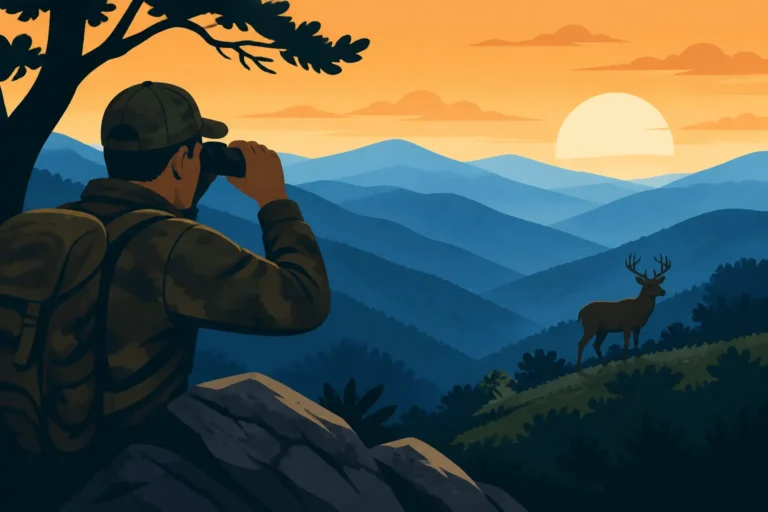
It’s a tale as old as time for any hunter in the Commonwealth: you wake up before dawn, drive to your favorite public land spot, only to find a line of headlamps already snaking into the woods, or worse, someone’s truck already parked at your secret trailhead. Hunting pressure on Virginia public land can feel like an overwhelming challenge, turning what should be a peaceful pursuit into a frustrating game of hide-and-seek with other hunters, let alone the deer. This guide is here to help you navigate those crowded woods, understand deer behavior under duress, and equip you with the strategies to find success even when it feels like everyone else is already there.
Understanding the Reality of Public Land Pressure in Virginia
Public hunting lands in Virginia, like our cherished National Forests or various Wildlife Management Areas, offer incredible opportunities for hunters who don't own private acreage. However, with that accessibility comes the inevitable reality of shared space, and with shared space, comes hunting pressure. It’s not just about seeing other hunters; it’s about understanding how the sheer number of boots on the ground influences the game, especially our wily white-tailed deer.
When and Where Pressure Peaks
The timing of your hunt significantly dictates the level of pressure you'll encounter. Hands down, the opening day of Virginia's General Firearms Deer Season, particularly on a Saturday in November, is when you'll find the highest concentration of hunters. Weekends, generally, see more traffic than weekdays, and the first few weeks of any season tend to be busier than the tail end. Think about it: folks are eager, conditions are often prime, and the excitement is palpable. Similarly, peak times like the heart of the rut in November will draw hunters seeking those once-in-a-lifetime buck encounters, making areas that are generally considered good for "Hunting the Virginia Rut in November" particularly crowded.
Geographically, certain areas are magnets for hunters. Public lands near major population centers, like those accessible from Richmond, Northern Virginia, or Roanoke, often experience intense pressure. Smaller, easily accessible tracts of public land, especially those with good road systems, are also quickly saturated. These areas, while convenient, are often hunted hard from the road in, with hunters not venturing too far from their vehicles. For instance, smaller WMAs like Amelia Wildlife Management Area might see higher hunter density per acre than the vast expanse of the George Washington National Forest, simply because they're more approachable for a quick hunt.
Consider the layout of different regions, too. The relatively flatter, more accessible terrain of the Piedmont region can mean hunters spread out a bit more but still remain within reasonable walking distance from roads. In contrast, the rugged mountains of Western Virginia, while difficult to navigate, can funnel hunters into specific hollows, benches, or saddles that offer easier travel or known deer sign, creating localized pockets of extreme pressure even within vast wilderness areas.
The Impact of Hunter Density on Deer Behavior
Deer are incredibly adaptable creatures, and nothing makes them adapt faster than consistent human intrusion. When hunter density increases, deer behavior shifts dramatically. Their daytime movements become significantly reduced, often delaying their activity until after dark, especially in areas with regular disturbance. You’ll notice fewer deer crossing roads or feeding openly in fields during daylight hours. Instead, they become almost entirely nocturnal, moving only when they perceive the woods to be "safe."
Furthermore, pressured deer seek out the thickest, nastiest cover they can find. This means steep, brushy ravines, dense pine thickets, impenetrable laurel slicks, or remote swamp bottoms become their daytime sanctuaries. These are places where hunters rarely venture due to the difficulty of access, and deer know it. They learn to associate human scent, vehicle noise, and even distant gunshots with danger, forcing them to modify their routines. They'll also become extremely wary of open areas, preferring to stick to cover even when traveling between bedding and feeding. This is why understanding "Reading a Ridge for Blue Ridge Deer" is so crucial; deer will often skirt ridgelines just below the crest, using the topography for cover, rather than walking openly on top.
Their escape routes become more defined and often lead directly into these secure bedding areas. A buck that might have held tight in a small thicket during early archery season will likely bolt at the first sign of human presence during the firearms season, sometimes running for miles to a known safe zone. This makes predicting their movement patterns in pressured areas a chess game, requiring a deep understanding of the terrain and an even deeper well of patience.
Strategic Approaches to Outsmarting Pressure
Confronting hunting pressure isn't about giving up; it's about shifting your mindset and adapting your tactics. The goal isn't necessarily to avoid all hunters (that's often impossible on public land), but to avoid the same places and the same times as most other hunters, or to hunt those places differently.
Deeper Penetration and Remote Access
The most straightforward way to escape pressure is to go where others won't. This often means walking further than most hunters are willing to go. On average, many hunters don't venture more than a quarter to half-mile from a road or established trail. If you can push that distance to a mile, two miles, or even further, your odds of finding less pressured game, especially mature bucks, increase exponentially. This might mean tackling rugged terrain in the Jefferson National Forest, or navigating thick, unforgiving brush that deters casual hunters. Tools like GoHunt's mapping features can be invaluable here, allowing you to scout potential remote access points and identify natural barriers that might discourage others.
Beyond just distance, consider the difficulty of the access. Is there a steep ridge you can climb that leads to a hidden bench? Is there a creek bottom that’s too mucky for most, but navigable with the right footwear? These often lead to secluded pockets where deer feel safe. Remember, deer will naturally gravitate towards areas of perceived safety, and if that safety means a grueling hike for you, it often means less competition. Learning to read topo maps and aerial imagery to identify these challenging but rewarding zones is a skill that pays dividends. Sometimes, it's not just about how far, but about how hard. Consider how much effort it takes to access a particular spot; if it's easy, it's likely pressured.
Using alternate entry and exit routes can also make a huge difference. Instead of walking the main trail, bushwhack through thick cover parallel to it, or find a less obvious, steeper approach. This not only puts you in less-pressured terrain sooner but also prevents you from bumping deer that might be using those main corridors themselves to avoid other hunters.
Mastering Off-Peak Timing and Conditions
While opening day and weekends are prime hunting times for many, they are also prime times for pressure. By hunting mid-week, especially Tuesday through Thursday, you'll often find significantly fewer hunters in the woods. The difference can be stark; a trailhead packed on Saturday might be completely empty on a Wednesday. This allows deer to resume more natural movement patterns and offers you a more peaceful hunting experience.
Consider hunting during less "ideal" weather conditions that deter fair-weather hunters. A cold, drizzly day, a light snow, or even a day with strong, consistent winds can send many hunters home. However, these conditions can often trigger deer movement. A steady rain can mask your sound and scent, and a strong wind can make deer nervous and more prone to seeking sheltered areas, potentially moving earlier in the day. The late season, particularly during Virginia's General Firearms Deer Season, leading up to "Hunting Into the January Second Close," often sees a significant drop in pressure, despite deer still needing to feed heavily before winter truly sets in.
Additionally, consider your timing within the day. While many hunters are in the woods at first light, they often head back to their vehicles by mid-morning for breakfast or a break. The midday hours, from 10 AM to 2 PM, can be surprisingly productive, especially for deer that have been bumped by early morning hunters and are slowly making their way to new bedding areas. Many bucks are killed during these often-overlooked middle hours. Similarly, don't just focus on the morning or evening; sometimes a continuous, all-day sit can pay off, especially if you’re positioned deep in a known bedding area or along a travel corridor to and from one.
Utilizing Overlooked Habitat and Terrain Features
Pressured deer are masters of using topography and dense cover to their advantage. Therefore, you need to think like a pressured deer. Instead of focusing on obvious food plots or well-worn trails, look for overlooked habitat features that offer security. Steep, north-facing slopes, for example, often hold cooler temperatures and denser cover, making them ideal bedding areas that many hunters avoid due to the difficulty of ascent and descent. Similarly, dense creek bottoms, often swampy and thick with undergrowth, can be sanctuaries for deer, especially during times of high pressure.
Consider subtle terrain features that can funnel deer movement without being obvious to casual hunters. A small saddle on a steep ridge, a hidden bench halfway down a mountain, or a narrow strip of timber connecting two larger woodlots can be incredibly productive. These are often places that offer deer a sheltered travel route while providing them with the necessary cover and escape options. Understanding "Wind and Thermals on a Blue Ridge Slope" is paramount here, as deer will use these air currents to detect danger, so positioning yourself correctly relative to these features is key.
Also, don't discount small, isolated patches of cover within larger, more open areas. A lone thicket in a clear-cut, a brushy fencerow, or a small stand of pines surrounded by hardwoods can hold deer that have been pushed out of more prominent cover. These "island" bedding areas offer security because they are often ignored. When you're scouting "Finding Ground Others Walk Past," actively seek out these types of hidden gems rather than just looking for well-defined deer sign in obvious places.
Leveraging Technology and Knowledge to Find Sanctuary
In today's hunting world, technology has become an indispensable tool, especially when it comes to navigating and outsmarting hunting pressure on public lands. Combine that with a solid understanding of deer ecology, and you'll be well on your way to success.
Advanced Mapping and Scouting Tools
Gone are the days when a simple paper map was your only resource. Modern mapping applications are game-changers for identifying low-pressure areas. Platforms like GoHunt (and the Virginia DWR App) offer satellite imagery, topographical maps, property lines, and even public land boundaries, all on your phone or tablet. This allows you to digitally scout vast areas from your couch, identifying potential access points, remote pockets of cover, and difficult terrain that might deter other hunters. You can layer different maps, marking potential bedding areas, food sources, and travel corridors, all before you ever set foot in the woods. This is crucial for "Scouting Virginia Public Land Before Season."
When using these tools, look for key indicators of low-pressure areas:
- Distance from Roads: As mentioned, mark areas a mile or more from any established road or trail.
- Topographical Barriers: Identify steep ridges, deep ravines, or large water bodies that create natural barriers to human access.
- Thick Cover: Look for dense patches of evergreens, clear-cuts with heavy regrowth, or swampy areas that are difficult to traverse.
- Private Land Neighbors: Sometimes, public land bordering large tracts of private land that are not hunted or are lightly hunted can offer deer a sense of security, and they may filter into the public portion.
GoHunt also allows you to mark your routes, track your movement, and even download maps for offline use – a lifesaver in areas with no cell service, which is common in many of Virginia's wilder public lands. Regularly reviewing these maps and marking where you see other hunter activity (or lack thereof) helps build a more accurate picture of pressure patterns over time.
Reading the Landscape for Hidden Pockets
Beyond digital maps, truly understanding the landscape on foot is irreplaceable. Deer are creatures of habit, and their habits are dictated by their need for food, water, and security. In pressured environments, security becomes their top priority. When you're in the woods, look for the subtle signs that indicate a deer's preference for seclusion. This includes thicker browse in an area, well-used trails leading into dense cover, or even small, isolated patches of less-disturbed ground.
Pay close attention to topography. A slight depression on a ridgetop, a forgotten bench on a steep hillside, or a small finger ridge that’s difficult to spot on a map can serve as an ideal bedding location for a pressured buck. These are often places that offer a deer an advantage: good visibility downwind, scent control with prevailing thermals, and multiple escape routes into even thicker cover. Learning to read "Reading Aerial Photos for Piedmont Deer" to find these anomalies is a skill that comes with practice, but it's essential for success.
Don't overlook small, non-descript features like a cluster of mature oaks in a primarily pine forest, or a small seep or spring in an otherwise dry area. These small changes can create microhabitats that attract deer seeking either food or water in a secure setting. The key is to think like a deer and ask yourself, "If I were a pressured deer trying to avoid hunters, where would I go?" The answer often lies in the most inconvenient, hard-to-reach places that others bypass.
Adaptable Hunting Methods for Pressured Whitetails
When hunting pressure is high, simply sitting in an obvious spot and waiting might not be enough. You need to adapt your hunting methods to match the deer's evasive strategies. This often means being more mobile, more patient, and more aware of your surroundings.
Still-Hunting and Minimal Impact Tactics
Still-hunting is perhaps the most effective method for targeting pressured deer. This technique involves moving through the woods incredibly slowly, taking only a few steps at a time, and then pausing for extended periods (5-10 minutes or more) to observe, listen, and scan. The goal is to move so quietly and deliberately that you detect the deer before it detects you, or better yet, simply stumble upon a bedded deer. This requires immense patience and keen observation skills. You're not just walking; you're hunting every single step.
When still-hunting, focus on moving into the wind or with a quartering wind, always being mindful of thermal currents, especially in mountainous terrain. Use the terrain and cover to your advantage, stalking along creek bottoms, behind ridge lines, or through dense vegetation. Every tree, every thicket, every change in elevation can be used to break up your silhouette and conceal your movement. This method is particularly effective in areas like the Jefferson National Forest, where "Still-Hunting Jefferson Forest Ridges" allows you to cover ground slowly and methodically, picking apart the terrain for hidden deer.
Minimal impact means leaving as little trace as possible. Avoid breaking branches, minimize unnatural sounds, and manage your scent meticulously. Even small details, like wearing quiet clothing (wool or fleece over noisy synthetics) and choosing a pack that doesn’t rustle, can make a significant difference. The objective is to blend seamlessly into the environment, becoming another subtle element of the forest rather than a disruptive intrusion.
Strategic Stand Placement and Ground Blind Use
While still-hunting is excellent for active pursuit, strategic stand placement remains vital, especially for those longer sits in pressured areas. However, your approach to stand placement needs to evolve. Forget the obvious field edge stands (unless it's late season and remote). Instead, focus on transition areas within dense cover, subtle funnels that deer use to travel between bedding areas, or secluded pockets of mast-producing trees (like oaks or beeches) that are deep within secure cover.
A common mistake is placing stands directly on obvious trails. Pressured deer often parallel these trails, using slightly different, less obvious routes that still offer good cover. Look for those faint, less-used trails just off the main drag. When considering "Treestand Setups in George Washington National Forest," think about access. Can you get to and from your stand without alerting deer? This often means using a circuitous route, approaching from downwind, and utilizing low-light conditions for entry and exit. Mobility is also key; consider using climbing stands or saddle hunting setups that allow you to adjust your location based on fresh sign or changing conditions.
Ground blinds, particularly well-brushed-in ones, can also be highly effective in pressured areas, especially if you're hunting an open area that deer might eventually cross. A well-placed "Using a Ground Blind on Virginia Public Land" can offer excellent concealment and scent control. They allow for more movement than a treestand, which can be beneficial during long, cold sits. The key is to set them up well in advance if possible, allowing deer to get accustomed to their presence, and ensuring they blend seamlessly into the natural surroundings. Place them in thick cover, overlooking a subtle funnel or a small, overlooked food source deep in the woods, rather than an obvious one.
Conclusion
Hunting Virginia's public lands amidst pressure is undeniably challenging, but it is far from impossible. By understanding the realities of hunter density, adapting your approach, and leveraging the tools and knowledge available, you can significantly increase your odds of success. Remember, patience, persistence, and a willingness to go where others won't are your greatest assets. The satisfaction of tagging a deer in a heavily hunted area is truly one of the most rewarding experiences a Virginia hunter can have. Keep learning, keep adapting, and most importantly, keep enjoying the beautiful public lands our Commonwealth has to offer.
Disclaimer
Hunting is an inherently dangerous activity. Always prioritize safety, follow all Virginia Department of Wildlife Resources (DWR) regulations, and obtain proper licenses and permits before heading afield. The information provided in this article is for educational and informational purposes only and should not replace official DWR guidelines or professional instruction. Be aware of private property boundaries, wear appropriate blaze orange or pink during firearms seasons, and always let someone know your hunting plans.