East Versus West of the Blue Ridge Bag Limits
It can be incredibly confusing trying to wrap your head around Virginia's deer hunting regulations, especially when you start looking at the maps and seeing that infamous Blue Ridge dividing line. It's not just a beautiful mountain range; it's a critical boundary that dictates how many deer you can legally harvest and what specific rules apply to your hunting efforts. This comprehensive guide is here to untangle the complexities of Virginia's deer bag limits, explaining the fundamental differences between hunting zones east and west of the Blue Ridge Mountains, so you can plan your season with confidence and stay well within the law.
Understanding Virginia's Geographic Divide: Blue Ridge as the Key Line
For any deer hunter in Virginia, the Blue Ridge Mountains aren't just a scenic backdrop; they represent a fundamental split in how the Virginia Department of Wildlife Resources (DWR) manages the state's deer herd. This natural boundary is the cornerstone of many regulatory decisions, directly impacting the bag limits and season structures you'll encounter, whether you're chasing whitetails in the rolling Piedmont or the rugged Alleghenies. It's a system designed to address the diverse ecological and sociological factors present across our Commonwealth.
Defining the Blue Ridge Divide: What Counties Lie East and West?
The Blue Ridge Mountains serve as the primary geographical demarcation for Virginia's deer management zones. Simply put, if your hunting grounds are geographically situated west of the Blue Ridge, you're in the Western Deer Management Region. If you're east of it, you're in the Eastern Deer Management Region. This division isn't arbitrary; it follows natural landforms and county lines that have historically shaped deer populations and hunting pressure. For instance, counties like Augusta, Rockbridge, and Botetourt are bisected by the Blue Ridge, meaning parts of these counties might fall into one region while other parts fall into another. However, for regulatory purposes, specific county lines are drawn to simplify enforcement. Generally, counties completely west of the main Blue Ridge crest, such as Bath, Alleghany, and Bland, are in the Western Region, while those completely east, like Albemarle, Fauquier, and Powhatan, are in the Eastern Region. It's always crucial to double-check the current Virginia DWR regulations map for precise boundaries, especially if you hunt near the crest.
Historical Context of the Divide: Why the Blue Ridge Matters for Deer
The establishment of separate deer management regions is rooted in the history of deer populations and habitat recovery in Virginia. Decades ago, deer numbers were drastically low across much of the state, especially in the more heavily forested, rugged western mountains where habitat was often less productive, and hunting pressure, at times, was intense. The eastern part of the state, particularly the fertile Piedmont and Coastal Plain, with its mix of agriculture and regenerating timber, typically supported a more robust and rapidly growing deer population. Over time, as deer populations rebounded, the DWR recognized that a "one-size-fits-all" approach wouldn't be effective. More conservative limits were needed in areas where deer were still establishing strongholds or where habitat couldn't support dense populations, while more liberal limits could be applied where herds were thriving and needed reduction for ecological balance and landowner tolerance.
The DWR's Approach to Regional Management
The DWR employs this regional split as a strategic tool to achieve specific management goals for each area. In the Eastern Region, where deer populations are generally higher and habitat is more abundant, the DWR often aims to stabilize or even reduce herd numbers to mitigate agricultural damage, reduce deer-vehicle collisions, and promote forest regeneration. This is reflected in more generous antlered and antlerless bag limits. Conversely, in the Western Region, the focus might be more on maintaining a healthy, sustainable population, often with an emphasis on antler quality where appropriate, given the more challenging terrain and potentially lower carrying capacity of the land. This leads to more conservative limits designed to protect younger bucks and ensure a strong breeding population. The DWR constantly monitors these populations through harvest data, fawn recruitment surveys, and hunter feedback, making adjustments to the seasons and bag limits each year as needed. It's this adaptive management that allows them to maintain healthy deer herds across such a diverse landscape. If you're looking for an excellent resource to understand the full picture of the season structure, you might want to check out Virginia Deer Season Structure Explained.
Deer Management East of the Blue Ridge: Generous Bag Limits and Flexibility
If you primarily hunt in Virginia's Eastern Deer Management Region, which encompasses the vast majority of the state from the Piedmont all the way to the coast, you'll find the regulations designed to provide ample opportunity and encourage significant harvest, especially of antlerless deer. This approach reflects a healthy, often abundant, deer population that benefits from diverse habitats, including agricultural fields, suburban woodlots, and extensive timberlands.
Antlered Buck Limits in the East
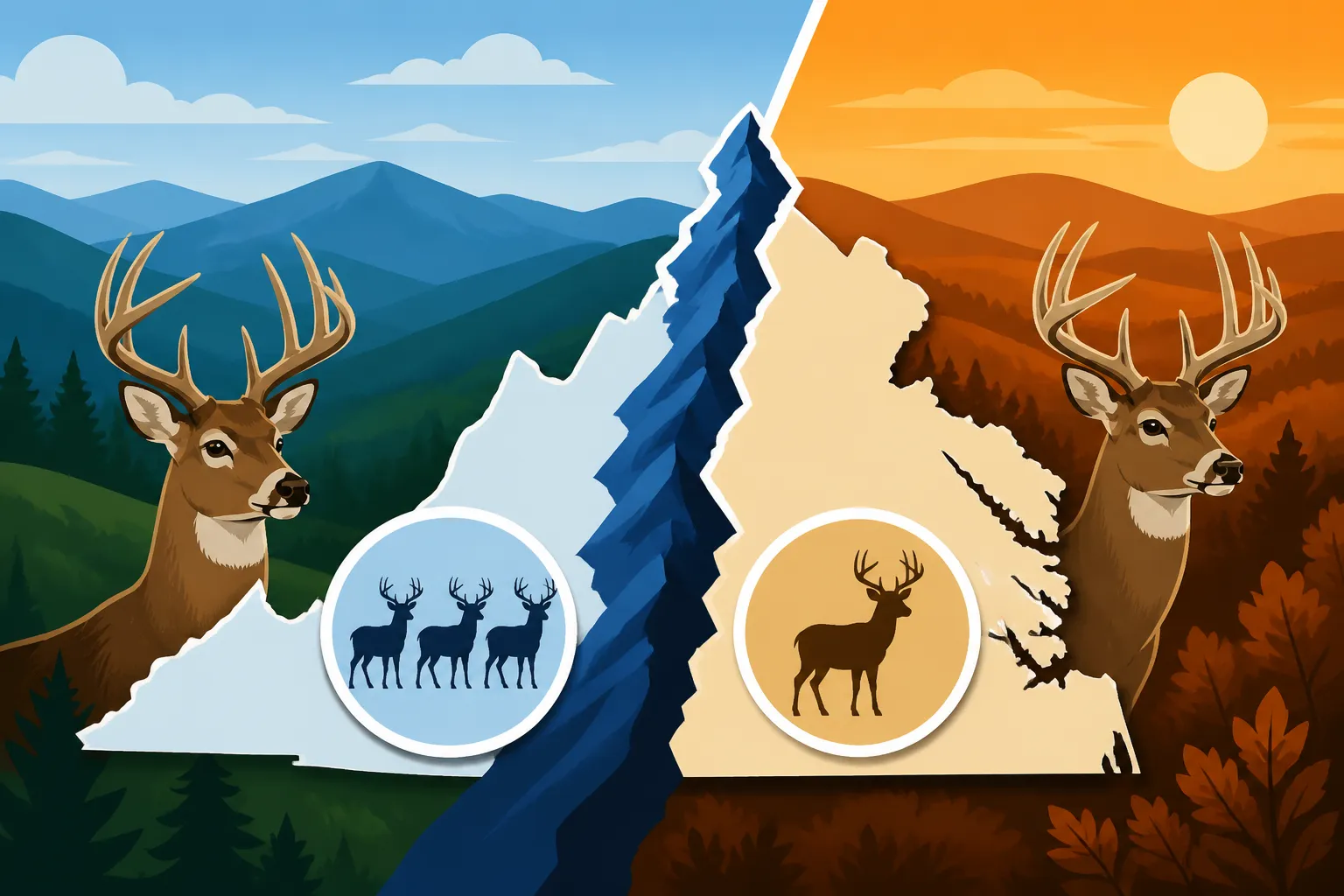
In the Eastern Region, hunters are generally permitted to harvest up to three antlered bucks per license year. This is a significant difference compared to the western part of the state. However, there's a crucial caveat: typically, only one antlered deer may be taken per day. This means while you have a season limit of three bucks, you can't, for example, tag two bucks in a single morning. This daily restriction helps to spread out the harvest pressure and encourages hunters to spend more time in the woods. These bucks can be taken during any open deer season—archery, muzzleloader, or general firearms—as long as the specific weapon is legal for that county and season at the time of harvest. The overall goal of this more liberal buck limit in the east is to allow for recreational opportunity while still managing the herd at a population level acceptable to landowners and communities, given the higher deer densities often found here. It's a balance of sport and science, ensuring hunters have good chances while the DWR keeps the population in check.
Antlerless Deer Opportunities: Key to Herd Health
One of the defining characteristics of hunting in the Eastern Region is the abundance of antlerless deer opportunities. The DWR strongly emphasizes the harvest of does as the primary means of controlling and balancing the deer population. This means you'll find much more liberal antlerless deer seasons, often extending through most, if not all, of the archery, muzzleloader, and general firearms seasons. In many eastern counties, hunters can harvest multiple antlerless deer per day, sometimes limited only by their overall antlerless tags. These tags are often readily available through the base hunting license, supplemental big game licenses, and special landowner permits or bonus tags. The encouragement of doe harvest is vital for several reasons: it helps reduce crop damage for farmers, decreases the incidence of deer-vehicle collisions on our busy roads, and most importantly, it prevents the deer population from outstripping its habitat's carrying capacity, leading to healthier animals overall. This is where hunters truly contribute to responsible wildlife management by filling their freezers with venison while simultaneously helping the herd.
Special Seasons and Local Variations East
Beyond the general season structures, the Eastern Region also features several special seasons and localized rules that further enhance hunting opportunities. For example, the Urban Archery Season, a unique Virginia initiative, provides extended archery-only periods in specific suburban and urban zones. These zones, often found around larger cities like Richmond, Virginia Beach, and Charlottesville, are primarily designed to address nuisance deer complaints and reduce localized overpopulations. Hunters participating in these seasons often have extremely generous antlerless bag limits, sometimes even allowing for unlimited doe harvest if they acquire the appropriate permits from participating landowners or municipalities. This provides a fantastic opportunity for hunters living in more populated areas. Additionally, certain counties may have specific exceptions or regulations, such as varying Sunday hunting rules or particular restrictions on weapon types in densely populated areas. It's absolutely crucial to consult the DWR's annual hunting regulations digest for the specific county you plan to hunt, as these local nuances can significantly impact your hunt. For those interested in this specific opportunity, you can find more details in Urban Archery Hunting in Virginia Cities.
Deer Management West of the Blue Ridge: More Conservative Approaches
Crossing west of the Blue Ridge Mountains brings you into a different world of deer management in Virginia. The landscape shifts to steeper terrain, vast national forests like George Washington and Jefferson, and generally lower deer densities. As such, the DWR employs a more conservative approach to deer harvest regulations, particularly concerning antlered bucks, to foster herd stability and quality.
Antlered Buck Limits in the West
In stark contrast to the Eastern Region, hunters in Virginia's Western Deer Management Region are typically limited to harvesting two antlered bucks per license year. This stricter limit is a direct reflection of the DWR's strategy to promote a healthier age structure within the buck population. With only two antlered tags, hunters are encouraged to be more selective, potentially passing on younger bucks in hopes of encountering a more mature animal later in the season. Like the East, the "one antlered deer per day" rule generally still applies, preventing a hunter from taking both of their season's bucks in a single outing. This conservative approach aims to ensure that a sufficient number of bucks survive to older age classes, contributing to better breeding dynamics and providing a higher likelihood of hunters encountering larger, more mature deer over time. While the opportunities might seem fewer on paper, the quality of the hunting experience and the potential for larger racks can be a compelling draw for many hunters. If you're interested in the nuances of this area, consider exploring Hunting West of the Blue Ridge.
Antlerless Deer Rules: Tighter Restrictions
The regulations for antlerless deer in the Western Region are also notably tighter than in the East. While antlerless harvest is still encouraged for population balance, the number of "doe days" and the availability of bonus antlerless tags are typically more restricted. Many western counties have specific periods—often coinciding with the general firearms season or sometimes even the early muzzleloader season—during which antlerless deer can be legally harvested. Outside of these designated doe days, hunters are usually restricted to taking only antlered deer. This more controlled antlerless harvest reflects the lower overall deer densities in many parts of the Western Region and the DWR's goal to allow for population growth or maintain current levels. For public land hunters, especially in the national forests, obtaining antlerless tags beyond what's included with a basic big game license might require special lottery draws or finding specific private land opportunities. This difference means hunters must pay closer attention to the calendar and plan their hunts meticulously to maximize their chances for an antlerless deer if that's part of their harvest goal.
Unique Challenges and Regulations West of the Blue Ridge
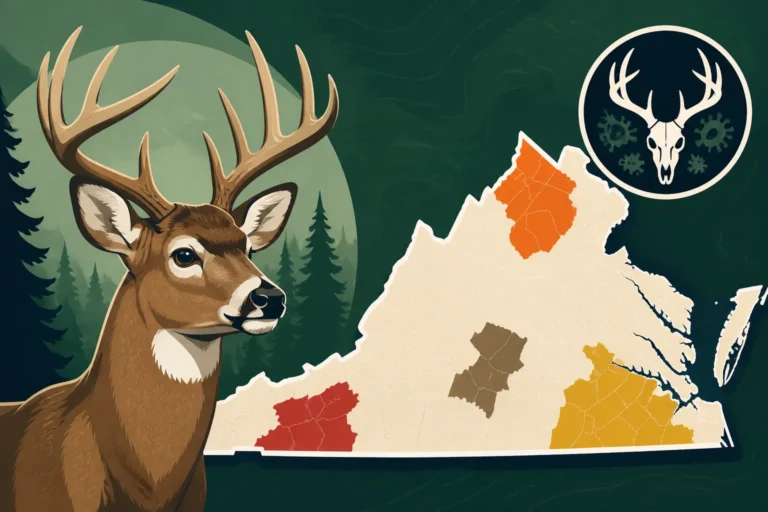
Hunting in the Western Region comes with its own set of unique challenges and regulatory considerations. The terrain is often much more rugged, with steep slopes, dense timber, and fewer agricultural clearings compared to the east. This can make scouting, tracking, and game retrieval significantly more difficult. Furthermore, several counties in the Western Region, particularly those in the Shenandoah Valley and Southwest Virginia, fall within one of Virginia's Chronic Wasting Disease (CWD) Management Areas (DMAs). For instance, counties like Frederick, Clarke, and Warren are part of DMA2, while parts of Shenandoah and Augusta are in DMA1. These areas come with additional regulations, such as mandatory deer testing requirements, restrictions on carcass movement, and feeding bans, all aimed at slowing the spread of CWD. Hunters in these specific areas must be exceptionally diligent in understanding and adhering to these rules. The presence of CWD adds another layer of complexity to hunting in the west, underscoring the importance of staying informed and checking the latest DWR guidelines. You can learn more about these specific zones in Virginia's Eighteen CWD Counties.
The Rationale Behind Regional Deer Regulations: Ecology and Human Factors
It's easy to look at the differences in bag limits and wonder why the DWR doesn't just simplify everything. However, the varying regulations aren't arbitrary; they are the result of a complex interplay of ecological realities, biological science, and human factors that differ significantly across Virginia's diverse landscape. The DWR constantly gathers data and seeks input to craft regulations that are both effective for wildlife management and acceptable to the public.
Population Dynamics and Habitat Differences
The most fundamental reason for the regional split in deer regulations lies in the differing population dynamics and habitat types found across Virginia. East of the Blue Ridge, particularly in the Piedmont and Coastal Plain, we have a higher prevalence of agriculture, managed timberlands, and suburban development. These landscapes often provide an abundance of high-quality food sources (crops, soft mast, browse from early successional habitats) and excellent cover, leading to higher deer densities, better fawn survival rates, and faster population growth. In these areas, without significant antlerless harvest, deer populations can quickly exceed the land's carrying capacity, leading to over-browsing, reduced deer health, and increased conflicts with humans.
West of the Blue Ridge, the landscape is predominantly mountainous, characterized by mature hardwood forests, rugged terrain, and generally less intensive agriculture. While there are still pockets of excellent habitat, the overall carrying capacity for deer is often lower. Food sources can be more sporadic, relying heavily on mast crops (acorns, hickory nuts) that vary year to year, and winter conditions can be harsher. Therefore, deer populations naturally tend to be less dense and grow more slowly. The DWR's regulations reflect this by implementing more conservative limits to ensure population stability and allow for growth where needed, while still providing recreational opportunity.
Hunter Density and Pressure
Another significant factor influencing bag limits is the distribution and density of hunters across the state. The Eastern Region, being more densely populated and having easier access to large tracts of huntable land (both private and public), generally experiences higher hunter numbers and greater overall hunting pressure. More liberal bag limits in these areas help to distribute the harvest among a larger hunter base and ensure that enough deer are removed to meet management objectives. Imagine trying to significantly reduce a high deer population with very restrictive limits and a large number of hunters – it simply wouldn't work efficiently.
In contrast, the Western Region, while popular for its vast public lands like the national forests, often has lower hunter densities per square mile, especially once you venture beyond the immediate roads. The more challenging terrain also naturally "filters" hunter pressure, as fewer individuals are willing or able to penetrate deep into remote areas. Thus, more conservative limits align with the need to sustain populations in areas that might receive less consistent pressure, or where the harvest is already naturally lower due to the terrain.
Economic and Social Considerations
Beyond biology, economic and social factors play a crucial role. In the Eastern Region, particularly in agricultural areas, high deer populations can cause significant crop damage, leading to substantial financial losses for farmers. More liberal antlerless harvest opportunities are a direct response to these economic concerns, providing landowners and hunters with tools to manage deer at levels that minimize agricultural impact. Furthermore, increased deer-vehicle collisions are a major safety and economic concern in more populated eastern areas, and higher harvest rates are seen as a way to mitigate this risk.
In the Western Region, while crop damage can still be an issue, the focus often shifts to other values, such as the recreational aspect of hunting in expansive wildlands and the desire among some hunters for opportunities to pursue older, larger bucks. The DWR seeks to balance these different values, ensuring that regulations not only promote healthy wildlife populations but also address the diverse needs and concerns of Virginia's citizens, from farmers to recreational enthusiasts. This holistic approach is essential for effective, long-term wildlife management that has broad public support.
Navigating Antlerless Opportunities and Bonus Tags
Understanding how to maximize your antlerless deer harvest is absolutely critical for any responsible hunter in Virginia, regardless of whether you're East or West of the Blue Ridge. These opportunities are key to both filling your freezer and actively participating in healthy herd management. The DWR provides various mechanisms for hunters to acquire and utilize antlerless tags, reflecting the state's proactive approach to balancing deer populations with human interests.
Understanding Earn-a-Buck and Bonus Tags
Virginia doesn't have a strict "earn-a-buck" program in the traditional sense, where you must harvest a doe before tagging a buck. However, the system is designed to strongly encourage antlerless harvest through the availability of bonus tags and sometimes, through local antler point restrictions (though these are less common in Virginia). Your basic hunting license and big game license typically come with a certain number of antlered and antlerless tags. But in many areas, particularly in the Eastern Region, you can purchase additional antlerless tags, often referred to as "bonus tags" or "either-sex tags" that can be used on designated doe days or during specific seasons.
For private land, farmers and landowners suffering from deer damage can also apply for special Deer Damage Permits, which allow them and hunters acting on their behalf to take additional antlerless deer. These permits are crucial tools in areas with localized overpopulations. The availability and rules for these bonus tags and permits can vary significantly by county and year, so checking the DWR regulations for your specific hunting location is paramount. Tools like the GoHunt app can be immensely helpful for quickly accessing current regulations and understanding tag availability in real-time while you're afield.
Maximizing Your Antlerless Harvest
To make the most of your antlerless opportunities, strategic planning is essential. Many seasoned hunters prioritize harvesting one or more does early in the season, particularly during the archery or early muzzleloader periods. This achieves several objectives: it provides high-quality venison for your table, helps meet DWR management goals by reducing the herd before the rut, and frees you up to focus on buck hunting later in the season without the pressure of needing to fill antlerless tags.
For those hunting in the Eastern Region, looking for private land access can often unlock more liberal antlerless opportunities, as many landowners are eager for hunters to help reduce deer numbers. Participating in designated doe days during the general firearms season is another prime opportunity. When hunting public lands, especially Wildlife Management Areas (WMAs), be aware that antlerless days might be more restricted, so knowing those dates precisely is vital. Remember, every doe harvested contributes directly to maintaining a healthy, balanced deer population and preventing overpopulation issues, so don't underestimate the impact of filling those antlerless tags.
Urban Archery Zones: A Unique Opportunity
Virginia's Urban Archery Zones represent a truly unique and often underutilized opportunity for hunters to pursue deer, primarily antlerless deer, in areas usually off-limits to hunting. These zones are established in and around municipalities that face significant deer-related issues, such as landscape damage, property destruction, and an increased risk of deer-vehicle collisions. The DWR works with local governments to create these special seasons, which typically have extended dates (often from early September through March) and extremely liberal antlerless bag limits.
The goal here is intense, localized population control. For hunters, it means the chance to hunt close to home, often in smaller woodlots or green spaces that many don't consider traditional hunting grounds. Access almost always requires landowner permission, but many homeowners or neighborhood associations are actively seeking hunters to help manage deer. This program is a win-win: it addresses community problems, provides hunting access for those who might not have large tracts of land, and offers abundant opportunities for antlerless harvest, directly contributing to the DWR's efforts to balance the deer herd within specific suburban environments.
Mandatory Deer Reporting and Data Collection
Deer reporting might seem like just another bureaucratic hurdle, but for the DWR, it's an absolutely essential component of modern wildlife management. Every deer you report provides a crucial piece of data that helps biologists monitor herd health, population trends, and the effectiveness of current regulations. It's how we ensure sustainable hunting opportunities for future generations.
Why Reporting is Crucial for Management
Think of every deer reported as a vote in favor of good wildlife management. The data collected from mandatory deer reporting is the backbone of the DWR's decision-making process. Biologists analyze harvest numbers by county, species, sex, and age class. This information allows them to assess if populations are increasing, decreasing, or stable, and whether the antlered and antlerless harvest levels are appropriate for maintaining herd health and meeting management goals for each region. Without accurate reporting, the DWR would be largely operating in the dark, unable to make informed adjustments to season dates, bag limits, or special permits. This data helps them identify areas where deer numbers might be too high (leading to increased crop damage or disease risk) or too low (indicating a need for more conservative regulations). Your act of reporting is a direct contribution to the science that sustains Virginia's deer hunting tradition. If you're interested in the specifics, you can dive into Virginia Deer Reporting Requirements.
The Reporting Process: Go Outdoors Virginia App and Online
Fortunately, reporting your deer in Virginia is designed to be as straightforward as possible, leveraging modern technology. The primary method for reporting is through the DWR's "Go Outdoors Virginia" mobile app or their online portal. After harvesting a deer, you're required to report it within 24 hours of harvest and before processing the carcass. The process typically involves entering your license information, the date and time of harvest, the county, the sex of the deer, and whether it was antlered or antlerless. If it was antlered, you'll also report the number of antler points.
The Go Outdoors Virginia app is particularly convenient, allowing you to report your harvest right from your phone, even in areas with limited cell service (it often stores the data and uploads it once you're back in range). This eliminates the need for physical check stations, which were once common. Hunters receive a confirmation number after successfully reporting, which serves as proof of legal harvest and must accompany the deer carcass until it's processed for consumption. Brands like GoHunt can complement this by helping you plan your hunt and access regulations, but the official reporting must go through the DWR's system.
Consequences of Non-Compliance
It cannot be stressed enough: mandatory deer reporting is not optional. Failing to report a harvested deer is a violation of Virginia hunting regulations and carries potential penalties, including fines and possibly suspension of hunting privileges. The DWR takes this seriously because the integrity of their data collection hinges on every hunter's compliance. Beyond the legal ramifications, not reporting your deer undermines the very foundation of sound wildlife management. If a significant number of harvested deer go unreported, the DWR's population models become less accurate, potentially leading to incorrect management decisions in the future—decisions that could negatively impact hunting opportunities or deer populations down the line. It's a simple, quick process, and it's a fundamental responsibility of every ethical hunter to ensure their harvest is properly reported.
Strategic Implications for Hunters: Planning Your Season
Understanding the east vs. west bag limits isn't just about compliance; it's about crafting a successful and rewarding hunting season. Your strategy for deer hunting in Virginia should be profoundly influenced by which side of the Blue Ridge you choose to pursue game. From scouting to shot selection, these regional regulations necessitate a thoughtful and adaptive approach.
Adapting Tactics to Regional Regulations
Your hunting tactics should absolutely shift based on whether you're in the Eastern or Western Deer Management Region.
East of the Blue Ridge: Given the more generous bag limits, especially for antlerless deer, your strategy might lean towards maximizing opportunities. Early season archery and muzzleloader hunts become prime times to fill antlerless tags, contributing to herd management and securing venison. You might focus on agricultural field edges, suburban woodlots, or areas known for high deer densities. Techniques like sitting over food sources, still-hunting through thick cover, or even participating in organized deer drives on private land can be highly effective. The three-buck limit means you have more flexibility, but remember the one-buck-per-day rule. If you're hunting in the Piedmont, you might focus on specific tactics like Setting Up on a Piedmont Field Edge or concentrating on areas that hold higher numbers of deer, which tend to be more prevalent in the east.
West of the Blue Ridge: With a two-buck limit and generally tighter antlerless restrictions, the focus often shifts towards quality and selectivity. Hunters in the rugged mountains might prioritize scouting for sign of mature bucks, understanding their movements through challenging terrain, and patiently waiting for the right opportunity. Still-hunting vast tracts of national forest, glassing clearcuts, or identifying remote benches and saddles where mature deer might feel secure becomes paramount. Rather than focusing on sheer numbers, the western hunter might invest more time in understanding specific deer behavior in a lower-density environment. Tactics like Still-Hunting Jefferson Forest Ridges or finding remote basins can be more rewarding. Using detailed mapping apps like GoHunt can be invaluable here to analyze terrain, locate potential bedding areas, and plan arduous entry and exit routes.
Scouting and Preparation for Your Chosen Region
Regardless of your chosen region, thorough scouting is non-negotiable, but the focus of that scouting will differ.
Eastern Scouting: Your scouting efforts in the East might concentrate on identifying primary food sources (corn, soybeans, acorns), pinch points between bedding and feeding areas, and heavily used travel corridors near human development or agricultural fields. Look for areas with abundant browse, fresh tracks, and active rub and scrape lines, especially as the rut approaches. Understanding landowner permissions and property boundaries is crucial, as private land dominates much of the East. You can often find success by identifying smaller, overlooked woodlots that connect larger properties.
Western Scouting: In the West, scouting often means covering more ground, much of it steep and rugged. Focus on identifying natural funnels in the topography, saddle points on ridges, benches on steep slopes, and areas with preferred mast crops (oaks, hickory) that change year to year. Look for old logging roads, creek bottoms, and thick cover that provides security. Pay attention to wind and thermals, which are critical in mountain hunting. Your goal is often to find less-pressured areas where deer, particularly older bucks, might feel more secure. Tools for Scouting Virginia Public Land Before Season will be essential here. Being able to read subtle changes in elevation and vegetation can lead you to pockets of deer.
Staying Informed: DWR Resources and Updates
The most important strategic implication for any Virginia hunter is to stay relentlessly informed. Regulations, especially those pertaining to CWD areas, can change annually, and sometimes even within a season. The DWR's website is the authoritative source for the latest regulations, season dates, bag limits, and any special announcements. Always download or obtain a copy of the current year's Virginia Hunting & Trapping Regulations Digest and refer to it frequently.
Furthermore, pay close attention to news releases from the DWR regarding CWD updates, disease management areas, or any localized changes. Joining hunting forums or groups specific to Virginia can also provide valuable real-time information and insights from fellow hunters, though always cross-reference any critical information with official DWR sources. Ignorance of the law is never an excuse, and staying proactive in your knowledge is the mark of a responsible and ethical hunter. Knowing When Virginia's Statewide Archery Season Opens or when the general firearms season begins for your specific county is just the start; understanding the nuances of bag limits and special provisions is what truly sets you up for success.
Comparing East vs. West Virginia Deer Bag Limits
To really solidify the differences we've been discussing, let's lay out the general deer bag limits for Virginia's Eastern and Western Deer Management Regions in a clear, concise table. Keep in mind that these are general guidelines, and specific county or special season rules (like Urban Archery) can always create exceptions. Always consult the current Virginia DWR regulations digest for your specific hunting location before heading afield.
| Feature | Eastern Deer Management Region | Western Deer Management Region |
|---|---|---|
| Antlered Buck Limit | 3 per license year (1 per day) | 2 per license year (1 per day) |
| Antlerless Deer | Generally more liberal; often extensive doe days, multiple per day in some areas, bonus tags widely available. Urban Archery Zones have highly liberal limits. | More conservative; typically fewer designated doe days, tighter restrictions on bonus tags, often tied to specific seasons. |
| General Deer Density | Higher, especially in Piedmont and Coastal Plain. | Lower, especially in vast mountain forests. |
| Habitat Type | Mixed agriculture, suburban, managed timber, extensive private land. | Predominantly mountain forest, rugged terrain, large public land tracts. |
| Management Focus | Population stabilization/reduction, conflict mitigation, recreational opportunity. | Population stability, herd health, quality, recreational opportunity. |
| CWD Impact | Lower prevalence, but monitoring is ongoing in some fringe areas. | Higher prevalence in some DMAs (e.g., DMA1, DMA3, DMA4) with mandatory testing and carcass movement restrictions. |
Disclaimer
The information provided in this guide is for general informational purposes only and is not a substitute for the official Virginia Department of Wildlife Resources (DWR) hunting regulations. Hunting laws and regulations are subject to change, and it is the hunter's responsibility to review and understand the most current DWR regulations before participating in any hunting activity. Always confirm season dates, bag limits, and specific county rules with the official DWR resources.