Urban Archery Hunting in Virginia Cities
The growing deer population in many Virginia cities and suburbs has created a real headache for homeowners, gardeners, and drivers alike. If you've ever watched a beautiful spring garden get decimated overnight, or had a close call with a deer on your commute, you know the frustration. This comprehensive guide is here to walk you through the ins and outs of urban archery hunting in Virginia, offering a unique and effective way to help manage these populations while enjoying a challenging hunt right in your backyard, or at least, your city's green spaces.
Understanding Virginia's Urban Archery Season
Urban archery isn't just about managing deer; it's also a fantastic opportunity for hunters to extend their season and tackle a unique set of challenges. It's a highly regulated, archery-only season designed to address the overpopulation of white-tailed deer in specific, often densely populated, areas. The Virginia Department of Wildlife Resources (DWR) implements these seasons to balance ecological health with public safety concerns, recognizing that traditional firearms hunting isn't feasible in many urban settings. It’s a specialized approach that requires a different mindset and a keen understanding of local nuances.
What Exactly is Urban Archery?
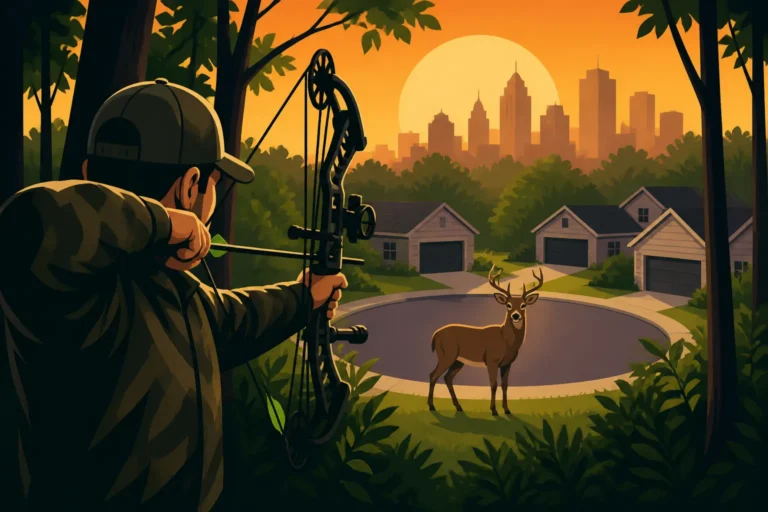
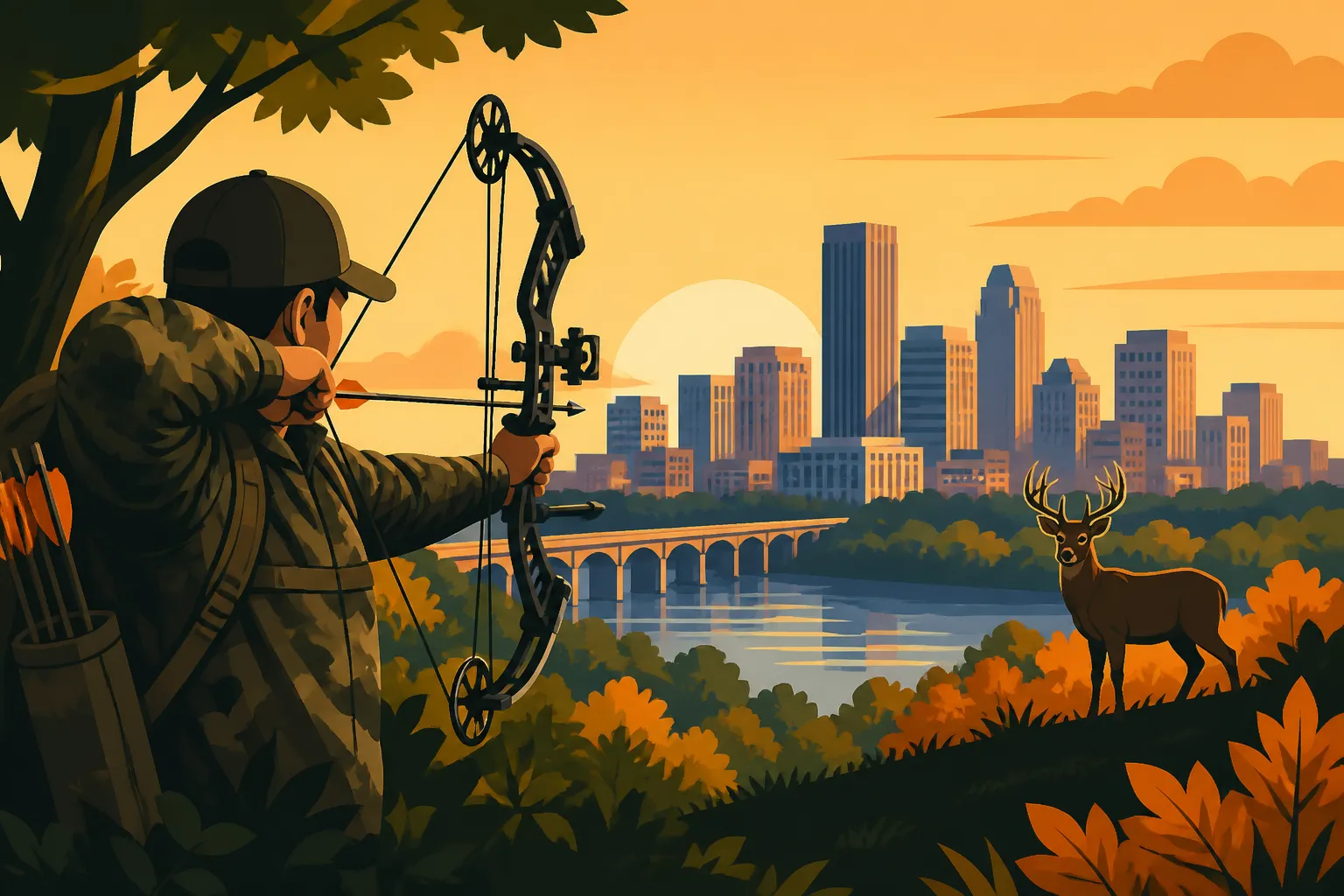
At its core, urban archery hunting allows for the harvest of deer within designated city and county boundaries, typically before the statewide archery season begins and often extending after the general firearms season ends. This extended timeframe is crucial for population control, as it provides more opportunities to take antlerless deer, which is the primary objective of these programs. The idea is to utilize archery equipment, which has a significantly shorter effective range than firearms, to safely and discreetly remove deer from areas where they pose a nuisance or a danger. It’s a common misconception that urban means hunting in someone’s backyard, but it’s more about targeting wooded tracts, utility easements, and larger green spaces that exist within city limits but are off-limits to other hunting methods.
The DWR's goal is to reduce deer-vehicle collisions, mitigate landscape damage, and decrease the spread of diseases that can become more prevalent in dense deer populations. It’s a community-minded effort that requires responsible hunter participation. Many cities, from Richmond to Fairfax County, have embraced urban archery as a key component of their wildlife management strategy, seeing real benefits in reducing deer-related incidents.
Key Dates and Season Structure
The Virginia urban archery season typically kicks off well before the regular statewide archery season, often beginning in early September. This early start provides hunters with a chance to hunt deer before they experience significant pressure, and also when deer patterns might be more predictable around summer food sources. It then runs concurrently with the statewide archery season, often extending all the way through March, long after general firearms and even late muzzleloader seasons have closed. This means hunters can be out in the woods for many months, making it an incredibly valuable season for filling tags.
For instance, in many urban zones, the season will start around the first Saturday in September and run until the last day of March. This is a stark contrast to the regular Virginia Statewide Archery Season Dates which usually begins in early October. The extended late season, especially January through March, can be particularly productive as deer are often concentrated on limited food sources and are experiencing winter stress, making them more visible and predictable. Checking the specific DWR regulations for each year is crucial, as dates can shift slightly, but the overall structure of an early start and late finish generally remains consistent.
Specific City Zones and Boundaries
Not every city or county in Virginia participates in the urban archery program, and even within participating localities, the boundaries can be very specific. It’s not a blanket permission to hunt anywhere within city limits. Instead, the DWR works with individual cities and counties to define specific "urban archery zones." These zones are typically areas where deer populations are high and traditional hunting methods are not practical due to human population density.
You’ll often find these zones outlined on maps provided by the DWR, and they can vary dramatically in size and scope. Some might encompass entire cities, while others focus on specific suburban corridors or large park systems. For example, cities like Williamsburg, Fredericksburg, and portions of Chesapeake have active urban archery programs, each with their own defined boundaries. It's absolutely essential to know exactly where you can and cannot hunt. This is where tools like GoHunt maps, which overlay property lines and public land boundaries, become invaluable. You can zoom in and identify if a specific patch of woods falls within an approved urban archery zone. Many cities also publish their own local ordinances online, which are critical to review in conjunction with DWR regulations. Never assume; always verify the specific zone boundaries before you even think about scouting.
| Feature / Season | Urban Archery Season (Typical) | Statewide Archery Season (Typical) | General Firearms Season (Typical) |
|---|---|---|---|
| Start Date | Early September | First Saturday in October | Third Saturday in November |
| End Date | March 31st | First Saturday in January | First Saturday in January |
| Primary Target | Antlerless Deer (Population Control) | Any Deer, depending on region | Any Deer, depending on region |
| Equipment | Archery Only | Archery Only | Firearms, Muzzleloaders, Archery |
| Blaze Orange | Generally Not Required | Generally Not Required | Required (exceptions apply) |
| Access | Private Land (Permission Required) | Public & Private Land | Public & Private Land |
| Focus | Localized Deer Management | Statewide Harvest | Statewide Harvest |
Regulations and Requirements for Urban Archery
Navigating the rules and regulations for urban archery can feel a bit like reading a legal textbook, but it's absolutely crucial for a safe and successful hunt. Because you're hunting in closer proximity to people and property, the stakes are higher. The DWR has specific guidelines in place, and individual cities or counties often layer on additional local ordinances. Understanding these is non-negotiable before you ever step foot in the woods.
Licensing and Permits
Before anything else, you'll need the proper Virginia hunting licenses. This means a valid resident or non-resident hunting license, along with a Virginia Big Game License. There isn't a special "urban archery permit" issued by the DWR at the state level. However, some individual cities or counties do require hunters to register with them or obtain a specific local permit. For example, some jurisdictions might require you to provide proof of permission from landowners and even get a local city permit to ensure they know who is hunting where. Always check with the local city or county government offices, usually the Parks and Recreation department or a city clerk, to see if any additional local registrations or permits are required for their specific urban archery zone. It’s always better to over-prepare than to face a fine or, worse, lose your hunting privileges. Remember, adherence to all regulations, both state and local, is paramount to maintaining these valuable hunting opportunities.
Legal Equipment: Bows and Crossbows
When it comes to equipment, urban archery is strictly an archery-only affair. This means no firearms are allowed during this season, even if you are licensed to carry them. For traditional and compound bow hunters, your equipment must meet the DWR’s minimum draw weight requirements – typically 35 pounds for compounds and 45 pounds for traditional bows. Arrows must be fitted with broadheads that have at least two sharpened edges and a minimum cutting diameter of 7/8ths of an inch. These specifications ensure humane and ethical harvests.
For those who prefer crossbows, Virginia law allows their use during the archery season for all hunters, provided you meet the Crossbow Rules During Virginia Archery Season. Crossbows must have a minimum draw weight of 125 pounds and use bolts fitted with the same broadhead specifications as traditional bows. One common mistake is assuming that because it's urban, you might need different gear. The core equipment rules are the same as statewide archery, but the context of where you're using it demands extra precision and caution. Always ensure your bow or crossbow is well-maintained, sighted in, and capable of making a clean, ethical kill. Practicing at various distances, especially shorter ones, is critical for accuracy in tight urban settings.
Blaze Orange Requirements
One of the great advantages of urban archery, for those who prefer stealth, is that blaze orange is generally not required. During the statewide archery season and the urban archery season, hunters using archery tackle are typically exempt from the blaze orange mandate, which is primarily enforced during firearms seasons to enhance visibility for other hunters. This means you can wear camouflage and blend into your surroundings more effectively, which is a huge benefit when hunting wary urban deer that are accustomed to seeing people.
However, there's a crucial caveat: if you find yourself on public lands that are open to other hunting seasons (like squirrel or rabbit) or trapping, or if you are hunting during the overlap with general firearms season (even if you're still using a bow), the blaze orange rules might apply. Always consult the specific DWR regulations for the exact season dates and any exceptions. The general rule of thumb for urban archery is that you can forgo the orange, but it's a good idea to still be mindful of your visibility, especially when moving to and from your stand or if you are in an area where others might be recreating. Safety first, always.
Finding and Securing Urban Hunting Access
This is perhaps the biggest hurdle for any urban archery hunter. Unlike vast tracts of national forest or wildlife management areas, public hunting land is a rare commodity in urban zones. The vast majority of urban archery opportunities lie on private property, which means you need to become adept at navigating landowner permissions. It can be intimidating, but with the right approach and a lot of patience, it’s absolutely doable.
The Challenge of Private Land Access
In Virginia, hunting on private land always requires permission from the landowner. This isn't just a courtesy; it's the law. In urban areas, private parcels are often smaller, densely packed, and owned by individuals who may or may not be familiar with hunting, let alone keen on the idea of someone hunting on their property. This creates a significant challenge, as you’re not just looking for a place to hunt, but also navigating potential misunderstandings, liability concerns, and neighbor relations. Many urban deer hunters find themselves spending more time knocking on doors and chatting with property owners than actually scouting in the early stages. It’s a commitment, but the reward of securing a quality hunting spot is immense. Without a solid understanding of Getting Landowner Access in an Urban Archery Zone, your urban hunting dreams will likely remain just that.
Identifying Suitable Properties
So, where do you even start looking? You're not aiming for sprawling farms, but rather the overlooked green spaces, the interstitial zones that exist within the concrete jungle. Think about:
- Woodlots and Greenbelts: Many suburban developments are built around small, undeveloped wooded areas, often along creeks or drainages. These can act as critical travel corridors and bedding areas for deer.
- Utility Easements and Power Lines: These linear clearings often cut through larger properties and can serve as highways for deer movement, connecting otherwise disparate patches of cover.
- Large Residential Lots and Undeveloped Parcels: Some older neighborhoods or properties zoned for larger lots may have significant wooded portions that are rarely disturbed.
- Creek Bottoms and Riparian Zones: Waterways are natural magnets for deer, providing both cover and often abundant food. These areas often run through residential zones, making them prime targets.
- Golf Courses and Corporate Campuses: While often off-limits, some of these larger managed properties might be open to urban archery given their own deer management issues. It never hurts to ask, especially if you can demonstrate a professional approach and a solution to their deer problems.
Utilize online mapping tools like GoHunt or the DWR's Go Outdoors Virginia map tool. These resources allow you to view aerial imagery, identify wooded tracts, and, most importantly, find landowner information. Look for properties with thick cover, access to water, and proximity to known deer food sources like suburban gardens or ornamental plantings.
Building Relationships and Asking Permission
This is where your people skills really come into play. A friendly, respectful, and professional approach is key. Don't just show up in camo with a bow on your back. Start by researching the landowner and making a polite, well-prepared approach.
- Be Presentable and Polite: Dress neatly, speak clearly, and be respectful of their time and property.
- Explain Your Purpose: Clearly state that you are an urban archery hunter and explain why you are seeking permission (e.g., to help manage deer that might be eating their landscaping, crossing roads, etc.). Emphasize the DWR's urban archery program.
- Address Concerns: Be prepared to discuss safety (backstop, shot angle), liability (offer to sign a waiver), and discretion (no visible hunting from roads, quiet movements). Many landowners are worried about safety or having "hunters" traipsing through their yard. Reassure them you are a responsible and ethical hunter.
- Offer a Benefit: Offer to share venison, help with light chores, or simply provide peace of mind by helping manage their deer issues.
- Provide References: If possible, offer references from other landowners or local DWR officials who can vouch for your character and hunting ethics.
- Be Persistent, But Not Annoying: It might take several attempts, or you might hear "no" many times. Don't take it personally and always be gracious. Every "no" brings you closer to a "yes."
Once you secure permission, maintain excellent communication. Keep the landowner informed of your hunting schedule, let them know when you harvest a deer, and always leave their property better than you found it. This builds trust and opens doors for future seasons, and potentially for other hunters you know.
Scouting and Understanding Urban Deer Behavior
Hunting urban deer isn't like heading into a vast national forest. These deer are different; they're accustomed to human activity, noise, and presence. While this can make them seem bolder, it also means they're incredibly adept at avoiding direct human interaction. Successful urban archery hinges on understanding their unique patterns and adapting your scouting strategy.
Interpreting Urban Deer Sign
Just like their rural cousins, urban deer leave sign, but you have to adjust your lens to interpret it.
- Trails: Urban deer often use the path of least resistance. Look for worn paths along fencerows, utility easements, thick shrubbery, or creek banks. These trails might be less obvious than in deep woods, often merging with human-made paths, but careful observation will reveal the tell-tale hoof prints. These travel corridors are critical to identify.
- Rubs and Scrapes: While less common than in vast timber, you will still find rubs on smaller trees and saplings, often on the edges of small woodlots or along fencerows. Scrapes can be found in more secluded spots, typically under low-hanging branches in thicker cover, even if that cover is just a dense ornamental shrub bed. These signs are indicators of buck activity, especially during the pre-rut and rut.
- Feeding Areas: This is where urban deer truly differentiate themselves. Beyond natural browse, they heavily rely on residential landscaping, gardens, and even bird feeders. Identify properties with lush hostas, azaleas, fruit trees, or vegetable gardens. Deer will visit these often, typically under the cover of darkness or in very low light. This can be challenging because you cannot hunt directly on someone's flower bed without permission, but these areas indicate where deer are coming from or going to.
- Bedding Areas: Urban deer seek out dense, undisturbed cover. This could be a thicket of multi-flora rose, a patch of overgrown honeysuckle, dense pine plantations, or even thick ornamental shrubs in a large backyard that rarely sees human activity. Often, these bedding areas are surprisingly close to human structures, relying on their stealth and ability to remain unseen.
Using tools like GoHunt for aerial imagery and topographic maps can help you pinpoint these areas. Look for changes in vegetation, dense brush, and water sources within the urban fabric. Then, it's boots on the ground, quietly traversing permitted properties to confirm sign.
Food and Water Sources
Urban deer have a diverse and often decadent diet compared to their wilder counterparts.
- Ornamentals and Gardens: This is often the primary reason cities implement urban archery. Deer love hostas, azaleas, hydrangeas, rose bushes, and vegetable gardens. If you have permission on a property with these, or adjacent to one, you've found a primary food source.
- Fruit Trees and Nut-Bearing Trees: Many older urban and suburban areas have apple, pear, or pecan trees. Acorns from oak trees, even isolated ones, are still a huge draw when they drop.
- Bird Feeders: While not a natural food, deer will readily visit bird feeders for spilled seed. This isn't a hunting strategy, but it's an indicator of deer presence and pathways.
- Suburban Streams and Ponds: Access to water is non-negotiable for deer. Look for properties with small creeks, retention ponds, or even drainage ditches that hold water. These areas also often provide dense cover along their banks.
Understanding the seasonal availability of these food sources is vital. In early season (September/October), lush garden plants and fallen fruit are key. As the season progresses into winter, whatever natural browse remains, along with any persistent garden greens or mast, will be critical.
Bedding Areas and Travel Corridors
Urban deer are masters of remaining unseen. Their bedding areas are typically small, dense pockets of cover that offer security and concealment from human activity. These can be:
- Thick Undergrowth: Patches of multiflora rose, honeysuckle, kudzu, or dense native shrubs can provide excellent thermal and visual cover.
- Creek Beds and Drainages: The banks of small streams or deep ditches often have thick vegetation, providing a natural travel lane and bedding opportunity, often shielded from sightlines.
- Fencerows and Hedgerows: These linear features offer both cover and a clear path of travel, connecting larger blocks of habitat.
- Utility Easements: While often clear for power lines, the edges of these easements can be incredibly thick, offering secure bedding next to a clear travel lane.
- Small Woodlots: Even tiny patches of timber, if undisturbed, can hold deer. Look for the densest part of the woodlot, especially if it's on a slight rise or near a water source.
Connecting these bedding areas to food sources via subtle travel corridors is the art of urban scouting. These corridors often follow the path of least resistance through dense human development. They might be narrow strips of woods between houses, overgrown ditches, or even the back side of a series of large commercial properties. Focus on finding low-impact entry and exit routes that minimize your disturbance and keep you unseen by both deer and non-hunting residents. Don't forget to consider how Wind and Thermals on a Blue Ridge Slope can be adapted to smaller urban terrain, understanding how subtle air currents move through developed areas.
Effective Hunting Tactics for Urban Environments
Urban archery hunting demands a refined approach that balances traditional hunting skills with an acute awareness of your surroundings. It's a game of stealth, precision, and minimizing your footprint in an environment where human presence is constant.
Strategic Stand Placement
Choosing the right stand location in an urban zone is arguably even more critical than in a remote wilderness. You have fewer options, and mistakes are more noticeable.
- Quiet Access: Your entry and exit routes must be as silent and discreet as possible. Avoid walking through crunchy leaves if you can stick to a mowed path or a creek bed. Plan your approach to be unseen by deer and, ideally, by neighbors.
- Solid Backdrop: This is paramount for safety. Every shot must have a safe and impenetrable backdrop behind it – a hill, a thick bank, a large tree, or an impenetrable thicket. Never take a shot where your arrow could travel into an unknown area, especially near houses or roads. A 10-yard shot with a perfect backdrop is infinitely better than a 30-yard shot with an iffy one.
- Wind Direction: Urban deer, despite their proximity to humans, are still extremely wary of human scent. Always hunt with the wind in your favor. Prevailing winds can be tricky in urban areas due to buildings and terrain features, so pay close attention to indicators like smoke or flags.
- Exit Routes: Plan how you'll get out of your stand and how you'll retrieve a deer without disturbing the area or drawing attention. This includes minimizing noise and light.
- Utilize Natural Funnels: Urban landscapes, with their fences, buildings, and roads, create natural funnels that can concentrate deer movement. Look for narrow strips of woods between developments, creek crossings, or breaks in dense hedgerows. These are prime ambush points.
Consider mobile setups, like lightweight hang-on stands or saddle hunting setups, for increased flexibility. Being able to quickly adapt to new information or deer patterns is crucial when hunting smaller, fragmented parcels. For those looking to optimize their setups, checking out guides on Treestand Setups in George Washington National Forest might offer principles that, with adaptation, can be applied to urban environments, focusing on concealment and access.
Using Ground Blinds in Suburban Settings
Ground blinds can be an excellent option for urban archery, offering several advantages over treestands in certain situations.
- Concealment and Comfort: A pop-up ground blind offers excellent concealment, allowing for some movement inside without spooking deer. It also provides protection from the elements, which can be a real plus during the early season heat or late season cold.
- Safety: For hunters who are uncomfortable with heights or cannot use treestands, ground blinds provide a stable, safe hunting platform.
- Blending In: A well-brushed-in ground blind can often look like natural landscaping or just another piece of yard furniture from a distance, making it less conspicuous to non-hunting residents. This is particularly useful when Brushing In a Blind on a Field Edge, even a small urban field edge.
- Flexibility: Ground blinds are relatively easy to move, allowing you to quickly adapt to changing deer patterns or landowner preferences.
However, using a ground blind effectively requires meticulous setup.
- Brushing In: You must brush in your blind thoroughly with natural vegetation to break up its outline. Deer are used to seeing man-made objects, but a large, dark blob appearing overnight will make them wary.
- Location: Place the blind against a thick backdrop to maximize concealment and ensure a safe shooting lane with a solid backstop.
- Scent Control: Elevated stands naturally help with scent dispersal, but in a ground blind, your scent plume is directly at ground level. This makes impeccable scent control even more critical.
- Shooting Lanes: Clear shooting lanes well in advance, but don't overdo it. You want just enough room for a clean shot, not an obvious "shooting window."
Scent Control and Noise Discipline
These two factors are absolutely paramount in urban archery, perhaps more so than in almost any other hunting scenario. Urban deer live in a world saturated with human scents and sounds, but they are incredibly adept at distinguishing the anomalous human presence – you.
- Scent Control: Treat every hunt as if you're stalking a world-class buck that lives downwind of a laundry detergent factory. Shower with scent-eliminating soap, wash your hunting clothes in scent-free detergent, and store them in airtight containers. Use scent-eliminating sprays on your clothes and gear. Pay attention to your breath, and avoid strong-smelling foods or drinks before the hunt. The goal is to be as odorless as possible, reducing the chances of a deer smelling you as you approach or while you're on stand. Consider investing in Scent Control Gear for Urban Archery Hunts to gain an edge.
- Noise Discipline: Every rustle, every crunch, every misplaced step is amplified in the quiet, contained environment of an urban woodlot. Move slowly, deliberately, and silently. Wear quiet clothing (fleece or wool over noisy synthetics). Avoid unnecessary movements in your stand. Draw your bow slowly and smoothly. Even the smallest noise can alert a deer that's only 20-30 yards away. Practice drawing your bow in silence, paying attention to any creaks or groans from your equipment. This heightened sense of awareness to scent and sound is what will separate successful urban hunters from those who constantly wonder why the deer never show up.
Safety Considerations and Ethical Hunting
Urban archery is a privilege, not a right, and maintaining that privilege depends entirely on responsible and ethical hunter behavior. With houses, roads, and non-hunters often in close proximity, safety and public perception become paramount. A single irresponsible act can jeopardize the entire program for everyone.
Backstop and Shot Angle Importance
This is the golden rule of urban archery, and it cannot be overstated: Every shot must have an absolute, impenetrable backstop. This means you must know exactly what is behind your target, and beyond that, what is behind that. A small berm, a thick patch of woods, or a steep bank are ideal. Never, ever take a shot if there's any doubt about what your arrow might hit if it passes through or misses the deer.
- Downward Angle: Hunting from an elevated treestand, even a relatively low one, can help create a steeper downward shot angle. This directs a missed or pass-through arrow into the ground quickly, minimizing its travel distance.
- Proximity to Structures: Be acutely aware of houses, sheds, roads, and playgrounds. Map out safe shooting lanes that point away from these structures. This might mean passing on a shot that you would normally take in a more rural setting.
- Ethical Distance: Only take shots at distances where you are absolutely confident in your accuracy. For most bowhunters, this is within 20-30 yards. In urban environments, sometimes even closer is better to ensure the arrow's energy is fully expended within the deer. Practice shooting at these closer distances extensively.
Neighbor Relations and Public Perception
You are an ambassador for all hunters, especially when you're hunting within earshot or eyesight of non-hunters. How you conduct yourself can either solidify support for urban archery or fuel opposition.
- Be Discreet: Avoid drawing unnecessary attention. Keep your bow covered when walking to and from your vehicle. Don't process deer in plain view of residential homes.
- Educate, Don't Confront: If approached by a curious or concerned neighbor, be polite and informative. Explain the DWR program, the need for deer management, and your commitment to safety. Avoid arguments or aggressive tones.
- Minimize Impact: Leave no trace. Pack out all your trash, don't damage property, and ensure your presence is hardly noticed.
- Communication with Landowners: Keep your landowner informed. If a neighbor expresses concern to them, your landowner should be able to vouch for your responsible behavior. This is why building strong relationships with landowners is so critical.
A positive interaction can turn a skeptical resident into a supporter, while a negative one can create a vocal opponent, potentially jeopardizing the entire urban archery program in that area.
Retrieval and Tracking in Populated Areas
Tracking a wounded deer is already a stressful situation, but doing it in an urban environment adds layers of complexity. You must have a plan.
- Pre-Scout Exit Routes: Before you even hunt, know how you would extract a deer from the property. Are there fences to contend with? Gates? How will you transport it discreetly?
- Immediate Notification: If you harvest a deer, immediately notify the landowner. If the deer runs onto an adjacent property for which you do not have permission, you must secure permission from that landowner before pursuing the animal. Do not trespass, even to retrieve game. This is where Retrieving Game From Private Land in Virginia rules become especially critical.
- Discreet Retrieval: Have a deer cart or sled ready. If it's early season and warm, having coolers with ice waiting is essential for proper game care. Aim to retrieve the deer as quickly and quietly as possible, especially if it's visible from roads or houses.
- Tracking Protocol: If the blood trail is sparse, or if it leads into a sensitive area, consider calling a DWR conservation police officer (CPO) for assistance. They have experience with these situations and can sometimes help gain access or advise on next steps.
- Post-Harvest Clean-Up: Once the deer is retrieved, ensure the area is clean. Remove any blood, leaves, or broken branches from the tracking effort.
Processing Your Harvest and Reporting
So, you've successfully harvested a deer in an urban zone – congratulations! The job isn't quite done, though. Proper handling of your harvest and adherence to reporting requirements are the final, crucial steps in demonstrating responsible hunting.
Field Dressing and Game Care
Given that urban archery often begins in early September when temperatures can still be quite warm, rapid field dressing and game care are absolutely critical to preserve the quality of your venison.
- Quick Field Dressing: Once you've recovered your deer, field dress it immediately. This removes the internal organs, allowing the carcass to begin cooling down. In warm weather, every minute counts.
- Cooling the Carcass: If you're hunting in temperatures above 40-50 degrees Fahrenheit, you need to cool that meat down quickly.
- Ice: Pack the body cavity with ice, especially if you have a significant walk back to your vehicle.
- Transport: Get the deer into an air-conditioned vehicle or immediately to a processing facility or cooler.
- Skinning: Skinning the deer as soon as possible, ideally within a few hours, will dramatically accelerate the cooling process.
- Game Bags: If you need to quarter the deer for easier transport or cooling, use breathable game bags to protect the meat from flies and dirt. This is often necessary when hunting properties with limited vehicle access. For comprehensive advice on handling venison, reviewing tips for Field Dressing a Deer in Cold Weather can be adapted to warmer conditions by emphasizing speed and cooling.
Reporting Requirements
In Virginia, all harvested deer must be reported to the DWR. This data is vital for wildlife management, helping the department monitor populations and set future regulations.
- Online or App Reporting: The easiest way to report your harvest is online via the DWR website or through their mobile app. You'll need your license information and details about the deer (sex, antlered/antlerless, county of harvest, date). This must be done before you process the deer beyond the point where sex and antler status can be determined, and certainly before taking it to a taxidermist or commercial processor.
- Immediate Action: Don't delay. Report your deer as soon as you have it field dressed and secured. The Virginia DWR app, which is quite user-friendly, allows for Reporting a Deer Through Virginia's App right from your phone, even with limited cell service sometimes.
- Confirmation Number: Once reported, you'll receive a confirmation number. Keep this number handy, as it is proof of legal harvest.
- CWD Zones: If you harvest a deer within one of Virginia's Chronic Wasting Disease (CWD) Management Areas (DMAs), there might be additional mandatory testing or carcass movement restrictions. Always check the current DWR regulations for CWD zones, as these rules are critical for preventing the spread of the disease.
Venison Donation
If you fill your tags quickly, or simply want to give back to the community, consider donating your venison. Many urban areas have programs where hunters can donate legally harvested deer to feed those in need.
- Farmers and Hunters Feeding the Hungry: This is a fantastic program that connects hunters with local processors who prepare the meat for distribution to food banks and charities. You typically only pay a small processing fee, and your venison goes a long way to help others.
- Building Goodwill: Donating venison is an excellent way to turn a hunting harvest into a tangible benefit for the community. It helps counter negative stereotypes about hunting and demonstrates the positive impact hunters can have.
- Check Local Programs: Research local food banks or charitable organizations in your urban area. Some might accept whole deer directly if they have processing capabilities, or they can direct you to participating processors.
This act of giving truly embodies the spirit of sustainable wildlife management and strengthens the bond between hunters and their communities, showcasing hunting as a beneficial activity.
Disclaimer
Please remember that hunting regulations, license requirements, and season dates can change. Always consult the most current Virginia Department of Wildlife Resources (DWR) regulations manual and any specific local city or county ordinances before heading afield. This guide is for informational purposes only and should not be considered a substitute for official legal guidance. Safe and ethical hunting practices are the sole responsibility of the individual hunter.