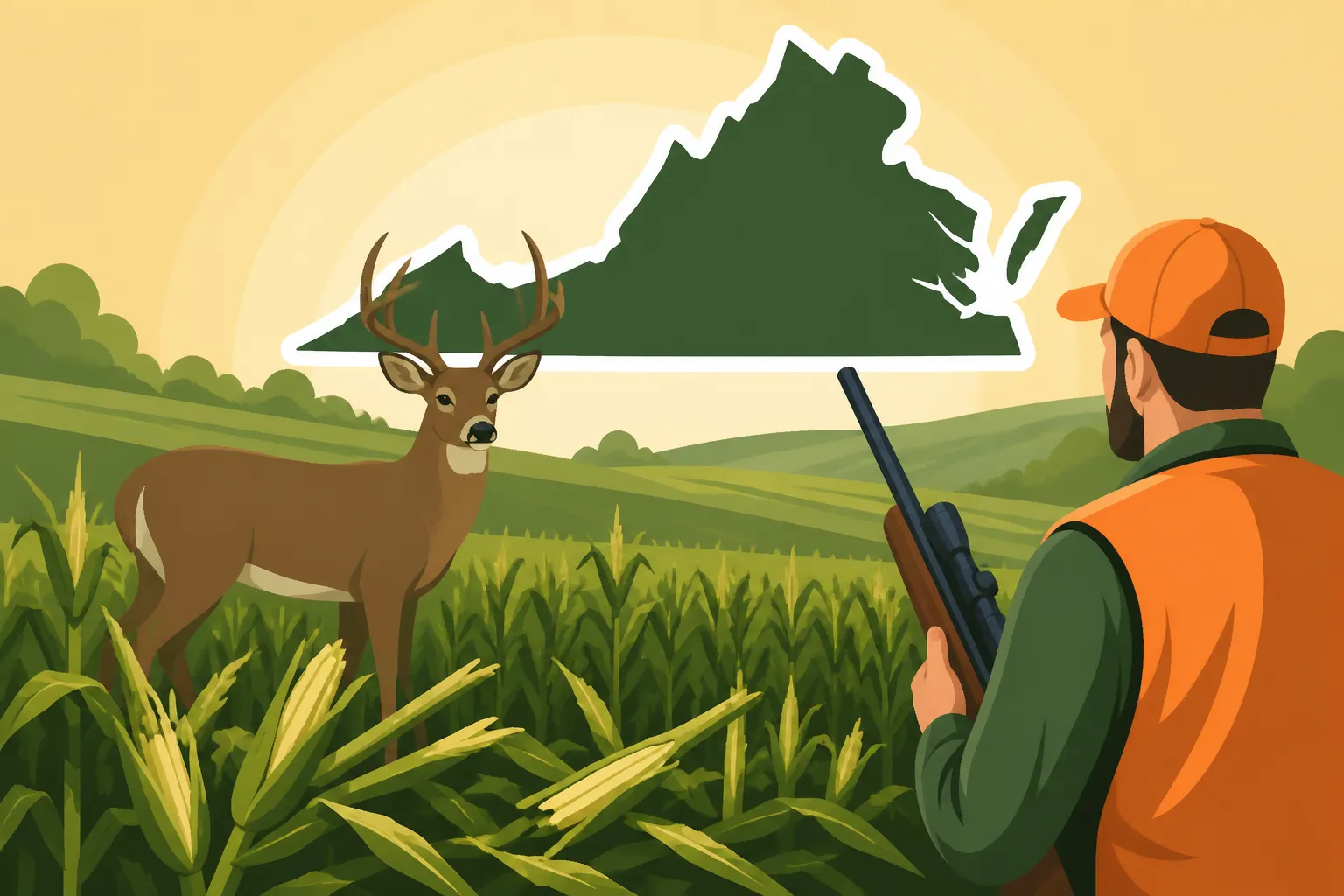
Virginia Deer Damage Permit for Farmers
Farmers across Virginia often find themselves in a losing battle against white-tailed deer, watching their carefully cultivated crops, orchards, and gardens suffer extensive damage and financial losses. This isn't just a minor nuisance; it's a significant agricultural challenge. This comprehensive guide will meticulously explain the Virginia Deer Damage Permit for Farmers, detailing how this essential tool can empower you to protect your land and livelihood from persistent deer depredation.
Understanding Virginia's Deer Damage Permit System
Let's face it, seeing your hard work in the fields or the tender shoots of your orchard decimated overnight by a hungry deer herd is incredibly frustrating. It’s not just a few nibbles; it can be hundreds, sometimes thousands, of dollars in lost yield and future productivity. This widespread issue led the Virginia Department of Wildlife Resources (DWR) to establish specific programs to assist landowners, and the Deer Damage Permit is a cornerstone of that support. It acknowledges that sometimes, general hunting seasons simply aren't enough to curb localized, intensive damage.
What Exactly Is a Deer Damage Permit?
At its core, a Virginia Deer Damage Permit is a special authorization issued by the DWR that allows a landowner or their designated agents to remove antlerless deer outside of the regular established hunting seasons. This isn't just about giving you "more hunting time"; it's a targeted management strategy. The permit is specifically designed to address instances where deer are causing demonstrable, significant agricultural damage that cannot be adequately mitigated through conventional hunting methods or other deterrents. The goal is to reduce the specific deer population impacting your property, thereby protecting your investment. This is a critical distinction, as it operates under a different set of rules and objectives than recreational hunting. The DWR recognizes that deer, while a valuable game animal, can become a serious agricultural pest, and these permits offer a necessary recourse.
Who Needs This Permit and Why?
If you're a farmer, nursery owner, or even a large-scale gardener in Virginia dealing with consistent and substantial deer damage, this permit is likely for you. We're talking about situations where deer are routinely devouring row crops like corn and soybeans, browsing fruit trees to the point of stunted growth or death, destroying specialty crops, or even impacting tree farms and landscaping businesses. Regular hunting during the fall and winter seasons often doesn't target the specific groups of deer causing the most damage, or the damage might occur outside those seasons when crops are most vulnerable. For instance, young corn shoots in late spring or ripening tomatoes in late summer are highly susceptible, long before the general firearms season even begins.
The need for a permit arises when you've observed a pattern of significant economic loss directly attributable to deer. Perhaps you've tried scare tactics, or maybe even had hunters on your land, but the problem persists. The DWR looks for clear evidence of damage that impacts your income or property value. It's a proactive measure to prevent continued losses, acknowledging that a healthy deer population can quickly become an unmanageable one in agricultural settings. This can be especially true in areas with high deer density where typical hunting pressure might be distributed across a wider landscape, leaving your specific fields vulnerable. Understanding the overall Virginia Deer Population Estimate helps put localized damage into perspective.
Navigating the Application Process for a Virginia Deer Damage Permit
Applying for a Deer Damage Permit might seem a bit daunting at first, involving paperwork and coordination with a state agency, but the process is designed to be straightforward once you understand the steps. It’s about clearly demonstrating your need to the DWR.
Eligibility Requirements and Initial Contact
To be eligible for a Deer Damage Permit, you generally need to be the owner of the property experiencing the damage, or have a written lease agreement for the land. The key is to prove agricultural damage. This isn't for casual garden nibbles; it's for significant economic impact. You'll need to document the damage, often with photographs, estimates of crop loss, or records of previous mitigation attempts. Think about the monetary value you've lost – that's often the most compelling evidence.
Your first step should typically be to contact your local DWR Regional Office or a DWR game biologist. They are the experts on the ground and can provide specific guidance for your county and situation. They’ll discuss your concerns, explain the process in detail, and help you determine if a permit is the appropriate solution. Sometimes, they might suggest other non-lethal deterrents first, but if the damage is truly substantial, the permit process will begin. It's a dialogue, so be prepared to articulate the extent of your problem clearly. Many find it helpful to document damage over time using photographs and notes, which can be easily managed alongside property maps, especially if using a digital tool such as GoHunt to mark specific locations of damage.
The Application Steps and What to Expect
Once you've made initial contact and confirmed eligibility, you'll typically be asked to complete an application form provided by the DWR. This form will request details about your property, the type of damage, the estimated financial loss, and any previous attempts to mitigate the problem. Be thorough and honest.
After submitting your application, a DWR biologist will likely schedule a site visit to your property. This is a crucial step. During this visit, they will visually assess the damage you've reported, confirm its severity, and discuss potential solutions. They might look at browse lines on trees, hoof prints in fields, or damaged crops. This is your opportunity to show them firsthand the impact deer are having on your operation. The biologist will then determine the appropriate number of deer that can be removed, the duration of the permit, and any specific conditions, such as permitted hunting methods or hours.
The approval or denial of the permit rests on this assessment. If approved, you’ll receive the permit with explicit instructions. This often involves specific types of weapons allowed – which might differ from general season rules, so review Virginia Legal Firearms for Deer Hunting carefully – and precise reporting requirements. While the DWR website provides a wealth of information, platforms like GoHunt can offer additional digital mapping tools that farmers might find useful for visualizing their property and identifying high-damage areas to discuss during a site visit.
Operating Under the Deer Damage Permit Regulations
Getting the permit is just the beginning. Operating under its specific rules is critical for effective management and maintaining compliance with state wildlife laws. These permits are not a blank check to hunt; they come with strict guidelines.
Permitted Methods and Restrictions
The DWR permit will outline precisely what you can and cannot do. This often includes:
- Weapon Types: While general firearms season has broad allowances, damage permits might specify certain firearms, archery equipment, or even allow for methods not typically permitted in regular seasons, like certain types of suppressors or shooting at night with lights (under strict DWR supervision and specific permit conditions). Always check your specific permit, as these can vary.
- Hours of Operation: Unlike the typical dawn-to-dusk hunting hours, damage permits might allow for culling during nighttime hours, particularly if deer are causing damage predominantly after dark. This is often supervised or requires specific notification to DWR.
- Location: The permit will designate the exact areas on your property where deer can be removed, often limited to the specific fields or orchards experiencing damage.
- Bag Limits: The permit will specify the maximum number of deer (almost always antlerless deer) that can be removed within the permit period. This limit is directly tied to the assessed level of damage.
- Carcass Disposal: This is a big one. You might be required to utilize the venison (e.g., for personal consumption or donation), or there may be specific disposal instructions, especially if your property falls within one of Virginia's Eighteen CWD Counties, where special precautions are necessary for Chronic Wasting Disease. Don't assume you can just leave an animal in the field; consult your permit. Options for utilizing the meat could include Donating Venison in Virginia to local food banks.
It's vital to remember that these are not recreational hunts. The intent is population control to mitigate damage, and all actions must align with that purpose.
The Critical Role of Reporting and Compliance
Once you begin culling deer under the permit, meticulous record-keeping and reporting are absolutely paramount. Each deer harvested under the permit must be reported to the DWR. The permit will detail the exact reporting procedure, which might involve calling a specific DWR number, using the DWR’s online reporting system, or utilizing the Virginia DWR App. This reporting is usually required within a very short timeframe, often within 24 hours of harvest.
Why is this so important? The DWR uses this data to track the effectiveness of the permit program, monitor deer populations, and ensure compliance. Failure to report harvested deer or adhere to any other permit conditions can lead to serious consequences, including revocation of the permit, fines, and other penalties. This program is built on trust and cooperation between landowners and the DWR. Maintaining a good relationship ensures that future assistance will be available should you continue to face challenges. You can check current regulations and even map out potential hot spots for deer activity, similar to how hunters might use GoHunt for scouting specific areas where damage occurs.
Integrating the Permit into Broader Deer Management Strategies
A deer damage permit is a powerful tool, but it's most effective when integrated into a broader, long-term deer management strategy. Relying solely on culling might be a temporary fix if underlying attractants or access points remain unaddressed.
Combining Permits with Traditional Hunting Seasons
While damage permits address immediate, out-of-season threats, they shouldn't replace the value of conventional hunting. Encouraging hunters to access your property during Virginia's General Firearms Deer Season or Virginia Statewide Archery Season can significantly reduce overall deer numbers and maintain pressure throughout the fall and winter. This creates a deterrent effect and helps manage the herd's age and sex ratios.
Many farmers find success by using the damage permit to address antlerless deer outside of season and then coordinating with ethical hunters during the regular seasons to target both bucks and does. This two-pronged approach ensures year-round pressure where needed, preventing deer from becoming too comfortable or habituated to your fields. For a farmer dealing with consistent deer pressure, integrating tools like GoHunt's mapping features can help pinpoint where deer are entering fields or concentrating their damage, which can then be shared with hunters. Remember that proper Virginia Deer Reporting Requirements apply to all deer harvested, whether under permit or during open season.
Other Damage Prevention Methods
Beyond the permit, there are numerous non-lethal methods you can employ to minimize deer damage:
- Fencing: While often expensive, high-tensile electric fencing or tall woven-wire fences (8 feet or higher) are highly effective in excluding deer from specific areas, like orchards or high-value crops. Even temporary electric fences can deter deer from smaller plots.
- Repellents: Commercial deer repellents, often containing active ingredients like putrescent egg solids or capsaicin, can be effective on a smaller scale, especially for gardens or ornamental plants. They work by taste or smell, making plants unpalatable or alarming. Reapplication is usually necessary after rain or every few weeks.
- Crop Selection: Consider planting less palatable crops on field edges or in vulnerable areas. Deer have preferences, and some crops are less appealing.
- Habitat Modification: Removing dense cover or thickets adjacent to fields can make deer feel more exposed, reducing their likelihood of frequenting the area during daylight hours. Conversely, leaving small blocks of preferred forage away from your main crops can sometimes divert deer attention. Just be mindful of Virginia's Twenty-Five-Mile Feeding Ban if considering supplemental feeding as a diversion tactic; it's generally not permitted in CWD zones.
- Loud Noises/Lights: Propane cannons, motion-activated sprinklers, or strobe lights can provide temporary relief, but deer are intelligent and often habituate to these methods over time.
By combining the targeted approach of a damage permit with these preventative measures and regular hunting, you create a robust, multi-layered defense against deer depredation.
The Economics of Deer Damage vs. Management Costs
Let's talk numbers. The cost of deer damage can quickly add up, whether it's direct crop loss, replanting expenses, or reduced future yields. To truly understand the value of a damage permit and other mitigation efforts, you need to calculate your losses.
Consider the following:
| Damage Category | Estimated Annual Loss (Example) |
|---|---|
| Row Crops (Corn, Soybeans) | $500 – $5,000+ |
| Orchard Trees (browsing) | $100 – $1,000+ per tree |
| Specialty Crops | $200 – $2,000+ per acre |
| Nursery Stock | $50 – $500+ per plant |
| Fencing Installation | $3 – $10+ per linear foot |
| Repellent Costs | $50 – $300+ per season |
(Note: These are illustrative figures and will vary widely based on farm size, crop type, and deer pressure.)
When you tally up the cost of crop loss, it often becomes clear that investing in a damage permit process, combined with fencing or other deterrents, provides a significant return on investment. While there might be some time investment in the permit application and reporting, the prevention of substantial financial hits makes it worthwhile. Before you even call the DWR, utilizing a robust mapping platform, perhaps even something like GoHunt, can help you visually document the extent of the damage over seasons, making your case for a permit much stronger. It’s about protecting your bottom line and ensuring the viability of your agricultural operation against an ever-present natural challenge.
Disclaimer
The information provided in this guide is for general informational purposes only and does not constitute legal or professional advice. Hunting regulations, permit requirements, and wildlife management policies are subject to change. Always consult the official Virginia Department of Wildlife Resources (DWR) website and contact your local DWR office directly for the most current and specific regulations pertaining to deer damage permits and hunting in Virginia. Adherence to all state and federal laws is the responsibility of the individual hunter or landowner.