Virginia General Firearms Season Dates
One of the biggest headaches for deer hunters in Virginia isn't necessarily finding that perfect buck sign or scouting the ideal funnel, but simply keeping up with the ever-changing and often confusing general firearms season dates. It feels like every year there's a new nuance, a county-specific adjustment, or a change you somehow missed, leaving you wondering if you're even legally afield. This comprehensive guide is here to untangle all those complexities, making sure you're well-informed and ready to hit the woods with confidence.
Understanding the Virginia General Firearms Season Dates
Virginia's hunting seasons, especially for deer, can feel like a labyrinth of regulations, and the general firearms season is no exception. It's not just a single, neat block of dates; it's a dynamic period influenced by geography, specific county rules, and overlapping opportunities. Getting a handle on these dates is the first crucial step in planning a successful deer hunt.
Why Dates Can Feel Confusing
Let's be honest, trying to pinpoint the exact general firearms season dates can be downright frustrating. You might hear one thing from a buddy who hunts in the mountains, and something completely different from another who chases deer in the flatlands of the Eastern Shore. This isn't just hearsay; it's because Virginia intentionally structures its deer seasons to account for varying deer populations, habitat types, and hunting pressure across the Commonwealth. What works for managing deer in a dense forest might not be suitable for a suburban fringe or an agricultural hotspot. The Virginia Department of Wildlife Resources (DWR) aims to create a balanced approach, but for the average hunter, it can feel like you need a law degree just to read the regulations.
Another layer of complexity comes from the interaction with other seasons. You might be focused on the firearms opener, but what about the tail end of muzzleloader season, or the urban archery zones that have their own extended periods? Understanding how these different seasons interact, and sometimes even overlap, is critical. It's not uncommon for hunters to be in the woods during the general firearms season and encounter individuals still pursuing deer with archery equipment in specific zones, or even muzzleloaders if the season extends. Knowing your specific location's rules is paramount to avoiding potential conflicts or misunderstandings.
The Statewide Framework for Deer
At its core, Virginia's general firearms season for deer typically runs for a specific period in the fall, generally starting the third Saturday in November. This much is consistent across the vast majority of the state. However, it's the duration of this season that truly defines whether you're hunting in the Eastern or Western regions, a distinction we'll dive into shortly. This statewide framework is the backbone, the foundation upon which all other specific rules and dates are built. It's designed to provide a broad window of opportunity for hunters to participate, aligning with traditional deer breeding cycles (the rut) and post-rut activity.
This foundational season is usually the busiest time of year for deer hunters. It brings out friends and family, fills hunting camps, and represents a long-standing tradition for many Virginians. The DWR uses this period to collect significant harvest data, which is vital for assessing deer populations and making future management decisions. While the specific start date is fairly universal, the length of the season and the bag limits are where things really diverge, leading to the need for a deeper understanding of regional differences. For more information on how Virginia manages its deer population, take a look at our comprehensive guide on Virginia Deer Season Structure Explained.
Key Calendar Milestones
Beyond the general opening day, there are a few other dates that mark significant shifts or closures within the general firearms season. The season usually runs for about two weeks statewide, but for many counties, especially in the Eastern Region, it can extend well into January. Knowing when your particular county's season closes is just as important as knowing when it opens. For instance, the general firearms season often closes on the first Saturday of January in many Western counties, while some Eastern counties extend through the following Saturday, allowing for a longer period of hunting.
Another key milestone is the Youth and Apprentice Deer Hunting Weekend, which typically takes place earlier in the fall, offering a special opportunity for younger hunters to get afield before the general firearms chaos begins. While not strictly part of the general firearms season for adults, it's a crucial date that highlights Virginia's commitment to fostering new hunters. Hunters also need to be aware of the exact date when Virginia General Firearms Opening Day kicks off, as it's one of the most anticipated days of the year for many. Always double-check these dates in the current DWR regulations, as they can shift slightly year to year based on calendar alignment.
East Versus West of the Blue Ridge: A Tale of Two Seasons
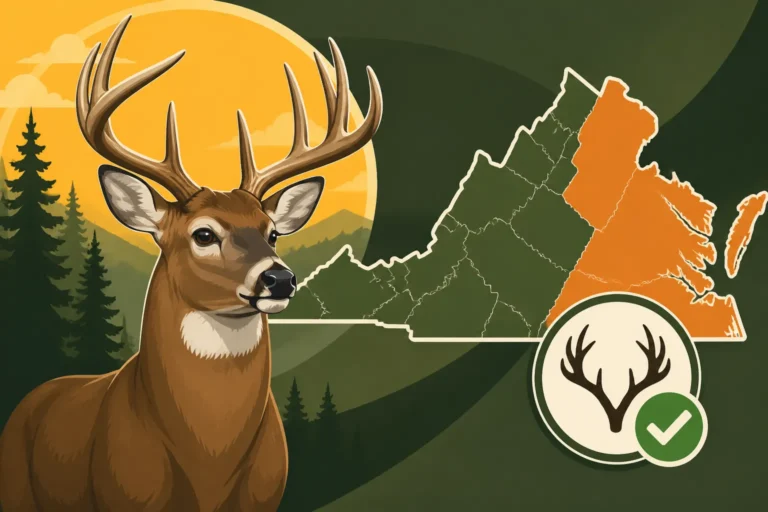
Virginia is a geographically diverse state, stretching from the Atlantic coastline to the Appalachian Mountains. This diversity isn't just scenic; it profoundly impacts deer populations, habitat, and ultimately, hunting regulations. The most significant dividing line for deer season dates and bag limits is the Blue Ridge Mountains, creating distinct "East" and "West" regions.
Eastern Region Specifics
If you hunt east of the Blue Ridge, you're generally looking at a much longer general firearms season for deer. While the opener is typically the same as the rest of the state (the third Saturday in November), the season here often extends well into the first week of January, sometimes even later, allowing for almost two full months of firearms hunting. This extended period is a reflection of higher deer densities in many Eastern counties, particularly in the Piedmont and Tidewater regions where agricultural lands and suburban development provide ample food and cover. The longer season offers more opportunities for hunters, which is crucial for managing these robust deer populations.
The Eastern Region also tends to have different bag limits, allowing for more antlerless deer to be harvested. This is a critical component of population control, helping to keep deer herds healthy and in balance with the available habitat. Hunters in counties like Powhatan, Amelia, or Isle of Wight often benefit from this extended season, allowing them to fill multiple tags throughout the late fall and early winter. It's not uncommon for hunters to pursue deer well into the colder months, taking advantage of late-season food sources and less hunting pressure. Don't forget to check our guide on Hunting East of the Blue Ridge for more localized tips.
Western Region Specifics
Conversely, if your hunting grounds lie west of the Blue Ridge, you'll experience a shorter general firearms season. While the opening day remains consistent, the season typically concludes on the first Saturday in December in many of these counties. This shorter duration, usually around two weeks, is largely due to lower deer densities in the mountainous terrain, coupled with the desire to maintain a healthy and sustainable deer population in areas where habitat can be more rugged and food sources more scattered. The DWR uses these shorter seasons to limit overall harvest pressure, ensuring the long-term health of the herd.
Hunting in the Western Region, which includes counties within the George Washington and Jefferson National Forests, often presents different challenges and rewards. The terrain is steeper, and deer can be harder to locate, making a shorter season feel even more precious. Hunters often focus intently on the two-week window, hoping to capitalize on rutting activity. While the shorter season might seem restrictive, it often concentrates hunter effort, leading to exciting opening weekends. For specific tactics in this challenging landscape, explore our article on Hunting West of the Blue Ridge.
Understanding the Geographic Divide
The reason for this stark difference in season length between the East and West regions boils down to deer management. The DWR employs a nuanced approach to maintain ecological balance and recreational opportunities. East of the Blue Ridge, especially in the Piedmont and Tidewater, deer populations are generally higher due to abundant food from agriculture and suburban green spaces. A longer season helps manage these larger populations and mitigate deer-vehicle collisions and crop damage.
West of the Blue Ridge, the rugged Appalachian terrain means lower deer densities and different habitat challenges. Here, the emphasis is often on maintaining a stable population and providing a quality hunting experience without overharvesting. This regional distinction is so fundamental that it even impacts bag limits, as detailed in our guide on East Versus West of the Blue Ridge Bag Limits. It’s crucial for every Virginia hunter to identify which side of the Blue Ridge their hunting location falls on to accurately understand the regulations.
County-Specific Dates and Exceptions
While the East/West divide provides a broad overview, it's not the final word. Virginia further refines its hunting regulations at the county level, leading to specific adjustments that can catch even seasoned hunters off guard. Ignoring these local nuances can turn a planned hunt into a frustrating legal quagmire.
Counties with Modified Seasons
Within both the Eastern and Western regions, certain counties have unique season dates or special restrictions that deviate from the general framework. These modifications are typically implemented to address very specific local conditions, such as exceptionally high deer populations in certain urban or suburban areas, or to protect recovering herds in others. For example, some counties might have archery-only zones that extend longer, or might have specific firearms restrictions even within the general season framework to manage hunting pressure near populated areas.
It's vital to remember that just because you're in the Eastern Region doesn't automatically mean your season goes until January. Always, and I mean always, check the current DWR regulations for the specific county you intend to hunt. These exceptions are usually clearly outlined in the annual hunting digest, often appearing as footnotes or specific county tables. Sometimes these modifications are driven by local requests from landowners or county governments, or by ongoing biological assessments that indicate a need for a more tailored approach to deer management.
Sunday Hunting Nuances
Sunday hunting is another area where county-specific rules come heavily into play. While Virginia has relaxed some Sunday hunting restrictions in recent years, it's still not universally permitted for all game on all lands. For deer, Sunday hunting is generally allowed on private lands, but there are specific rules and exceptions. For instance, some public lands may still prohibit Sunday hunting, and certain urban archery zones might have their own Sunday regulations.
The rules around Sunday hunting can be particularly confusing, and it's a topic that frequently generates questions among hunters. It’s not just about whether you can hunt, but how you can hunt. The DWR clearly outlines what is permissible on Sundays, and generally, this does not extend to hunting bear or using dogs to hunt deer on Sundays. Always consult the most current DWR regulations to ensure you're in compliance with Sunday hunting laws for your specific location and hunting method. This is one area where assuming can lead to serious legal issues.
The Importance of Checking Local Regulations
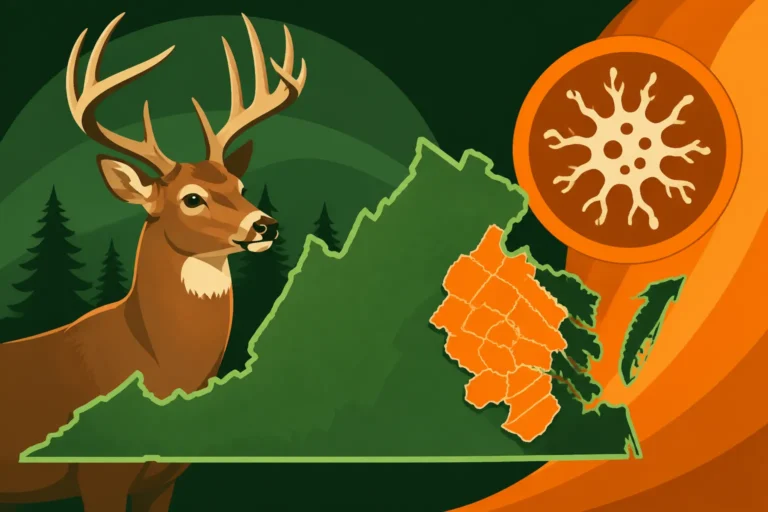
Given the layers of regional and county-specific rules, the single most important piece of advice I can offer is to never rely on outdated information or word-of-mouth when it comes to season dates. The official DWR website, and the annual hunting digest, are your ultimate authorities. Regulations can change annually, sometimes subtly, sometimes significantly. For instance, new Chronic Wasting Disease (CWD) management zones might introduce additional rules or carcass movement restrictions, which can indirectly impact how you plan your hunt.
Many seasoned hunters make it a ritual to download the new hunting digest as soon as it's released and review the sections pertinent to their hunting grounds. There are great digital tools available now, like the DWR mobile app, that can provide up-to-date information right in the palm of your hand. When I plan my own hunts, I'll often use a tool like GoHunt to cross-reference public land boundaries with DWR regulations, ensuring I have the most accurate picture of where and when I can hunt. Staying informed isn't just about avoiding a fine; it's about being a responsible, ethical hunter who respects the wildlife and the rules designed to protect it.
Here's a simplified table illustrating the general differences, but remember to always verify for your specific county:
| Region | General Firearms Season Start (Deer) | General Firearms Season End (Deer) | Typical Antlered Buck Limit | Typical Antlerless Deer Opportunity | Notes |
|---|---|---|---|---|---|
| East of Blue Ridge | 3rd Saturday in November | Early January (specific date varies by county) | 2 per year (often with doe requirements) | High, often daily | Longer season, higher deer densities, more agricultural land. |
| West of Blue Ridge | 3rd Saturday in November | 1st Saturday in December | 2 per year (often with doe requirements) | More restricted | Shorter season, lower deer densities, mountainous terrain. |
Overlapping Seasons and Considerations
The general firearms season for deer doesn't exist in a vacuum; it overlaps with a myriad of other hunting opportunities, creating a dynamic and sometimes complex environment in the woods. Being aware of these overlaps is essential not just for maximizing your hunting efforts, but also for safety and understanding what other hunters might be pursuing.
Muzzleloader and Archery Overlaps
Before the general firearms season kicks off in earnest, Virginia has an early muzzleloader season and, in many areas, an extended archery season that leads right up to the firearms opener. In some specific zones, like the special urban archery zones, archery season can actually run concurrent with or even after the general firearms season, extending well into January. This means that while you're out with your rifle or shotgun, you might encounter bowhunters or muzzleloader hunters still in the field, depending on the specific location and the current date.
Understanding these overlaps is critical for safety and courtesy. A bowhunter might be working a stealthy still-hunt, while a rifle hunter might be setting up for a long shot. Awareness prevents misunderstandings and promotes a safer hunting environment for everyone. Always be mindful that not every hunter in the woods is pursuing game with the same equipment or under the same set of regulations as you are. For a deep dive into the specific rules for other hunting methods, check out Muzzleloader Deer Hunting in Virginia and Bowhunting Virginia's Statewide Archery Season.
Small Game and Waterfowl During Firearms Season
The late fall and early winter in Virginia aren't just for big game; they're also prime time for small game and waterfowl. Squirrel, rabbit, and various bird seasons often run concurrently with the general firearms deer season. This means it's entirely possible to be deer hunting and hear the pop of a squirrel hunter's .22, or the boom of a shotgun targeting quail or grouse. Down in the tidewater or along the major river systems, waterfowl hunters will be out in force, setting decoys and calling ducks and geese.
For those who enjoy a mixed bag, these overlaps present fantastic opportunities. You might be still-hunting for deer and jump a rabbit, offering a chance for a quick small game harvest, or you could combine a morning deer hunt with an afternoon squirrel outing. Just be absolutely certain you understand the specific legal requirements, bag limits, and firearm restrictions for each species you intend to pursue. The rules for hunting deer with a rifle might be different from hunting rabbits with a shotgun, and you need to be prepared for both.
Predator Hunting Opportunities
With deer season bringing increased human activity into the woods, it also often presents unique opportunities for predator hunting. Coyote season, for instance, is year-round in Virginia, and the general firearms season for deer often coincides with times when coyotes are actively moving, either looking for food or responding to deer activity. While deer hunting, you might unexpectedly encounter a coyote, offering a chance to contribute to predator management.
However, always remember that your primary focus when deer hunting should be deer. If you do take a shot at a predator, ensure it's safe and doesn't compromise your deer hunting efforts or the safety of others. Some hunters specifically set aside time during the firearms season to call coyotes, especially on properties where they are known to impact deer or turkey populations. Check out our detailed guide on Predator Hunting in Virginia if you're interested in pursuing these opportunistic hunters.
Preparing for the General Firearms Season
Success in the general firearms season isn't just about knowing the dates; it's about thorough preparation. From ensuring your paperwork is in order to practicing safety, every detail counts when you step into the woods.
License and Tag Requirements
Before you even think about loading a round, you absolutely must ensure your Virginia hunting license and big game tags are current and properly acquired. Every hunter, with very few exceptions (like certain landowners hunting their own property), needs a valid hunting license. On top of that, if you're planning to harvest deer, you'll need the appropriate big game tags. These are typically included with a standard Resident Hunting License, but non-residents or those with special license types should double-check.
You can purchase licenses easily online through the Go Outdoors Virginia portal, which many find to be the most convenient method. You can often carry proof of your license digitally on your phone, but it's always a good idea to have a printed copy or a physical card in case of a dead battery or no cell service in the backcountry. Also, familiarize yourself with deer reporting requirements; harvested deer must be reported to the DWR within a specific timeframe, usually within 24 hours of harvest. For a full breakdown of what you need, refer to our guide on Virginia Hunting Licenses and What They Cost.
Scouting and Stand Placement
Long before opening day, the most successful hunters are already putting in the groundwork. Scouting is paramount, whether you're on public land or a private parcel. During the general firearms season, deer patterns might shift due to increased pressure, colder weather, and changing food sources. Focus on areas that offer good visibility for rifle or shotgun shots, considering typical ranges for your chosen firearm. Funnels between bedding and feeding areas, creek bottoms, and ridge saddles are classic hotspots.
When it comes to stand placement, think safety and visibility. Ensure your stand offers clear shooting lanes but also provides good cover to break up your silhouette. Consider the prevailing winds and thermals, especially in mountainous terrain, to avoid having your scent broadcast directly to incoming deer. If you're planning to hunt on public land, remember that you're likely sharing the woods with many others, so scouting routes that get you away from easy access points can pay dividends. For more advanced strategies, consider reading up on Opening Weekend Tactics for General Firearms Season.
Blaze Orange and Safety Regulations
Safety is non-negotiable, especially during the general firearms season when hunter density is often at its peak. Virginia has specific blaze orange requirements that all hunters must adhere to. Generally, during the firearms season, hunters are required to wear at least 100 square inches of blaze orange or blaze pink material above the waist, visible from 360 degrees. This isn't just a recommendation; it's a legal requirement designed to make you more visible to other hunters and reduce the risk of accidents.
Beyond blaze orange, always practice fundamental firearm safety: treat every firearm as if it's loaded, never point it at anything you're not willing to destroy, keep your finger off the trigger until ready to shoot, and be sure of your target and what's beyond it. Consider taking a hunter education course, even if you've been hunting for years, as a refresher. Knowing and following all safety rules ensures that everyone enjoys their time afield. Our article on Virginia Blaze Orange Requirements has all the details you need.
Leveraging Resources for Accurate Dates and Information
In today's digital age, there's no excuse for being uninformed about hunting regulations. The DWR and various third-party platforms offer excellent resources to help hunters navigate the complexities of Virginia's season dates and rules.
Virginia DWR Website and Apps
The official Virginia Department of Wildlife Resources (DWR) website is your absolute best friend when it comes to understanding season dates. They publish the annual hunting digest well in advance of the seasons, detailing every rule, date, and exception. This digital digest is searchable and often easier to navigate than a physical copy. Beyond the digest, the DWR website also features news updates, press releases, and contact information for regional offices and biologists who can answer specific questions.
Furthermore, the DWR offers a fantastic mobile app, part of the "Go Outdoors Virginia" system. This app allows you to purchase licenses, check regulations, and most importantly, access the official harvest reporting system. Having this app on your phone means you have immediate access to current rules, even when deep in the woods, though remember that cell service can be spotty. When you're out scouting, apps like these, which often integrate mapping features, can be invaluable for figuring out exactly where you are in relation to public land boundaries and specific county lines that might have different rules. For more on using these tools, check out Scouting With the Virginia DWR App.
Consulting Local Wildlife Biologists
Sometimes, even the most detailed regulations leave you with a specific question or a unique scenario that isn't clearly covered. In these instances, reaching out to your local DWR wildlife biologist or conservation police officer can be incredibly helpful. These professionals are on the ground, intimately familiar with local conditions, deer populations, and the nuances of the regulations in their specific regions. They can offer insights that simply aren't available in a general digest.
Don't hesitate to call your regional DWR office if you have a genuine question. They are there to help hunters understand and comply with regulations, and they appreciate proactive engagement. This can be especially useful if you're hunting near a county line with different rules, or if you're dealing with specific land access questions. Remember, these folks are a wealth of knowledge, not just on regulations, but on deer behavior and habitat in your area.
GoHunt and Other Digital Tools
Beyond the official DWR resources, several excellent third-party digital platforms can significantly enhance your planning and scouting efforts. Platforms like GoHunt, for example, specialize in providing detailed mapping layers that show public and private land boundaries, potential access points, and even habitat features. While primarily focused on western states, the principles of using advanced mapping to scout and plan are universally applicable, and many of these tools are expanding their coverage or offer general tools that can be customized for Virginia.
Tools like GoHunt, onX Hunt, or BaseMap allow you to create custom waypoints, mark potential stand locations, track your movements, and analyze terrain features from your couch. This can save you countless hours of in-the-field scouting and help you identify prime hunting spots that might otherwise be overlooked. When combined with the official DWR regulations, these apps provide a powerful suite of tools that can give you a significant advantage in preparing for and executing a successful hunt during Virginia's general firearms season. Just remember to use them as supplementary tools; the DWR rules are always the ultimate authority.
Disclaimer
The information provided in this guide is for general informational purposes only and is not intended as legal advice. Hunting regulations in Virginia can change annually. Always consult the most current Virginia Department of Wildlife Resources (DWR) official hunting regulations and county-specific rules before engaging in any hunting activities. Adherence to all applicable laws and regulations is the responsibility of the individual hunter.